Menu
© 2026 The Couch Critic
Browse 34 movies from DEFA
Dr. Blum, a Jewish manufacturer, is falsely accused of a murder. Even when the real killer’s identity becomes evident, the state prosecutor refuses to accept Blum’s innocence.
Dec 1948
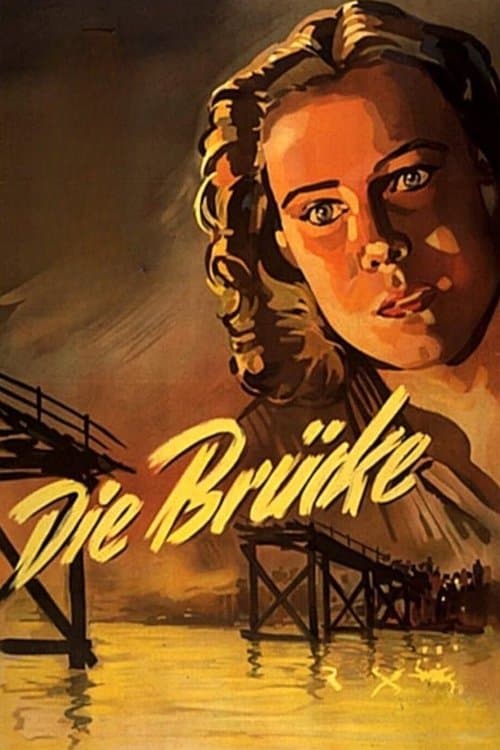
In the ruins of post-WWII Berlin, a twelve-year-old boy is left to his own devices in order to help provide for his family.
Jul 1948
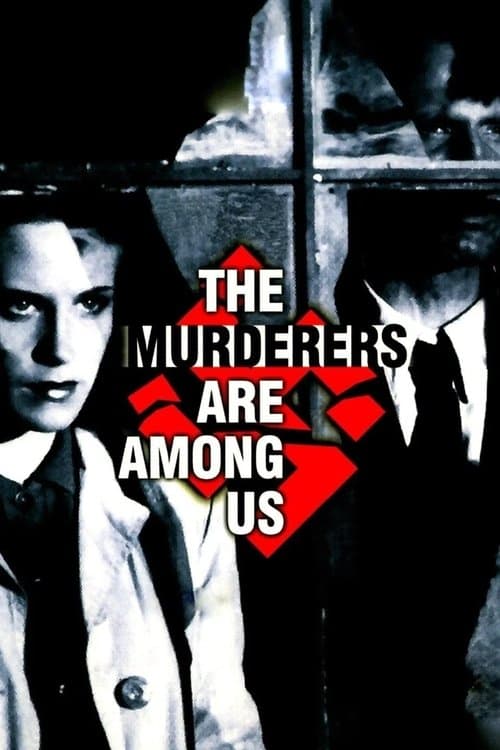
After returning from a concentration camp, Susanne finds a traumatized ex-soldier living in her apartment in bombed out Berlin. Together the two try to move past their experiences during WWII.
Oct 1946
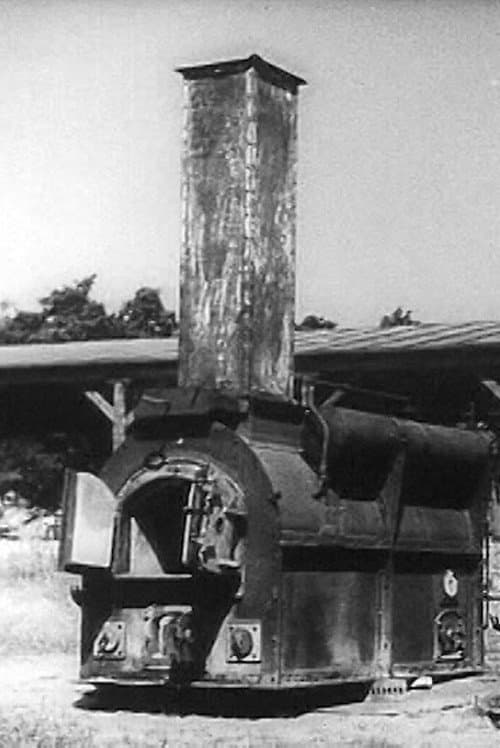
Documentary about nazi concentration camp Sachsenhausen.
Oct 1947
Commissioned by the newly founded SED for the first regional elections (October 1946) in the Soviet occupation zone.
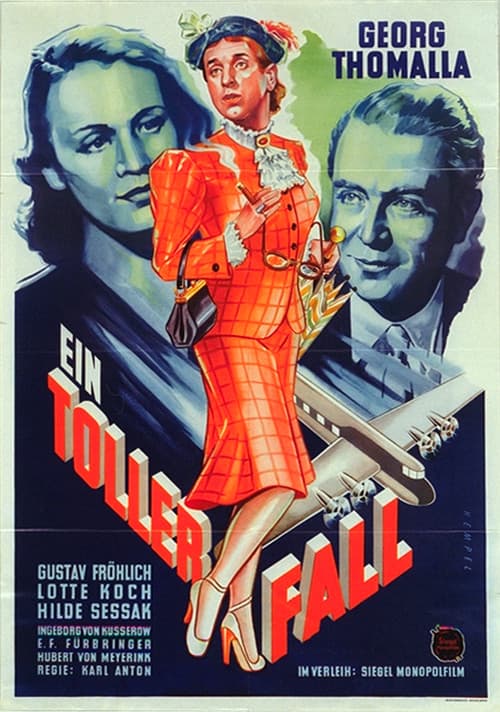
When a significant quantity of valuable gemstones is to be transported to South America by plane, those responsible are naturally extremely nervous. Everything must be perfectly planned, every possible risk averted.
Dec 1949
A chemist and his assistant make a groundbreaking discovery. They manage to make butter directly from pasture grass without having to deal with either the cow or the use of dairy products. An industrialist attempts to seize the invention.
Jun 1948
After WWII, Berlin lies in ruins. For Gustav, Willi and their friends the rubble provides an adventurous, dangerous playground. Especially for Gustav, it helps pass the time, as he longs for his father's return from a POW camp. One day a stranger arrives, looking helpless and hopeless.
Dec 1946
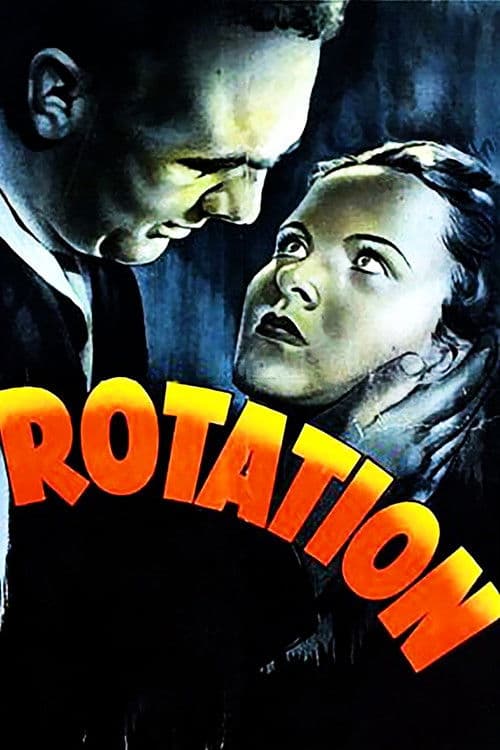
The mechanic Behnke wants to join the Nazi party to secure a good living. However, after his Jewish neighbors have been taken away, he changes his views. Trying to remain "a non-political man," he withdraws from reality and becomes a Nazis laborer.
Feb 1950
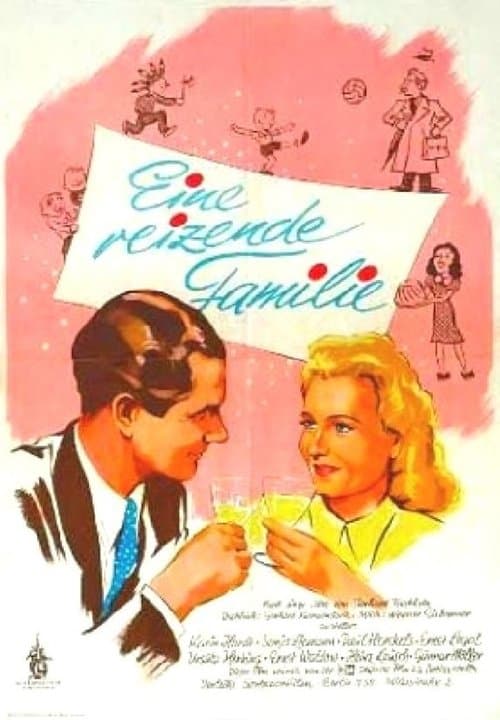
Boys are usually busy playing "Indians", but when their uncle decides to rent part of their home to a Doctor Höflin, they took an oath to cast him out with a series of pranks.
Jan 1948
Documenting the rebuilding of Potsdam one year after the war under Soviet supervision.
Nov 1946
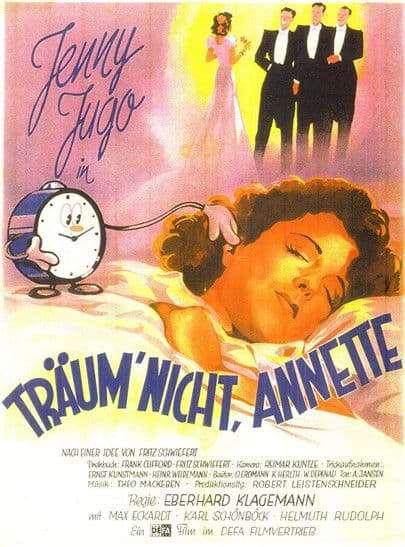
French teacher Annette Müller has two ardent admirers who are constantly urging her to marry: diplomat Klaus and engineer Theo. But she can't make up her mind. Then a third one joins them, the pianist Hans. Sometimes she dreams of Klaus, sometimes of Theo. And although she is angry that Hans has taken up residence in her boarding house, she can't stop herself from dreaming about him too. When she asks him, of all people, which of the other two she should marry, there is a big row between them - and she realizes who the right man is.
Feb 1949
This is the directorial debut of Artur Pohl and tells the story of war refugees as they try to settle in a small town in Germany.
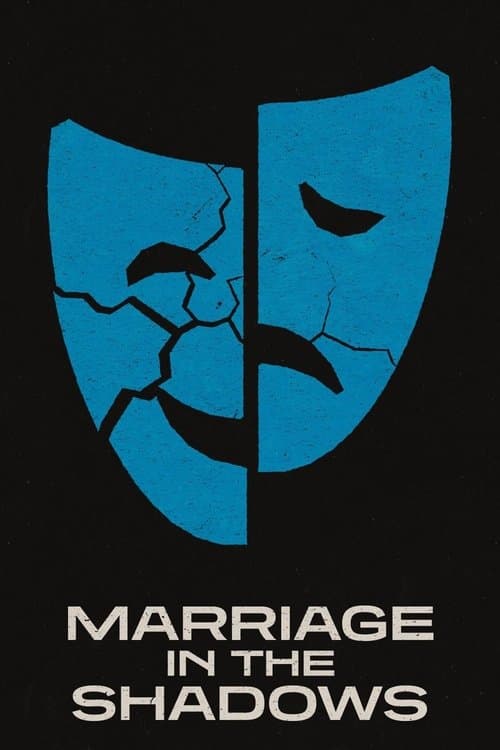
Set during the rise of the Nazi regime, Elisabeth Maurer and Hans Wieland enjoy successful careers as actors in Berlin. Confident in her career, Elisabeth, who is Jewish, ignores the advice of a colleague to leave Germany in the face of increasing anti-Semitism. Believing that he can protect her if she becomes his wife, Hans convinces Elisabeth to marry him. In the following years, as Hans's career thrives, Elisabeth awaits the end of the Nazi terror which bars her from public life. When the situation worsens in 1938 with the Kristallnacht pogrom, Elisabeth decides to leave the country, but Hans, who still believes he can protect her, convinces her to stay with him.
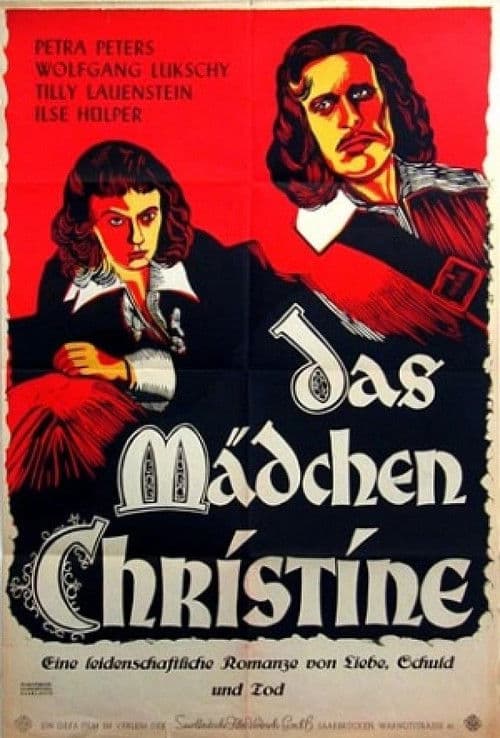
During the Thirty Years' War, Christine, an orphan, falls in love with the colonel Count Merian. In order to always be with him, she puts on men's clothes, becomes a troop boy and later even a cornet - only the sutler knows her secret. Little by little, Christine realizes that the man she loves has been brutalized by the war and is no longer capable of true feelings. When she gives herself to him instead of a peasant maid, she is horrified by his brutality. She shoots him in a duel. She is sentenced to death as a cornet, but acquitted as a woman.
Jan 1949
The young actress Bettina has angered the director of a West Berlin camp for troubled youth with a song that celebrates the adventurous lives of these "wayward youths." Hein Denecke invites her to get to know the real lives of these young people.
Mar 1949
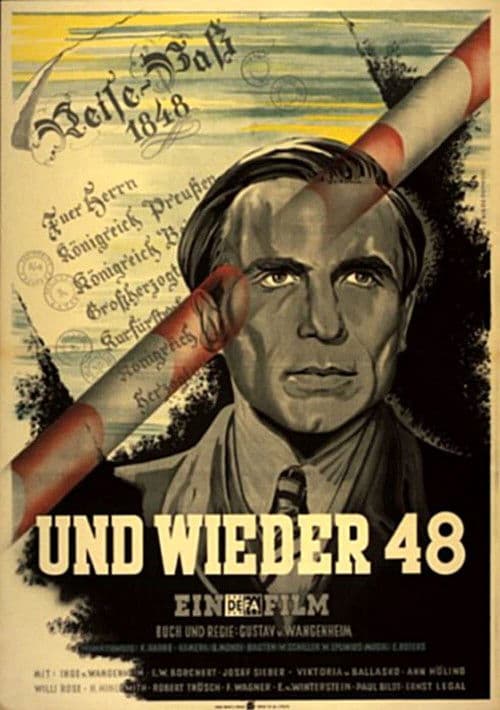
In 1948, students from Berlin University take part in the filming of a movie about the 1848 revolution as extras. A dispute arises between Else and Heinz, who tends to dismiss the revolution as a comical affair. Two fiercely opposing camps form at the university. But Heinz begins to reflect, and reading about a young student who lost his life in the turbulent days a hundred years earlier slowly changes his attitude. The conclusion of the filming at the Wartburg also reunites him with Else.
Nov 1948
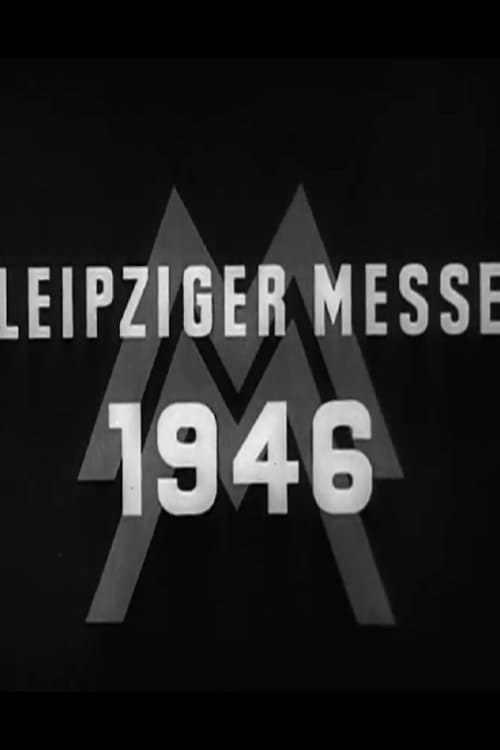
Documentary short about the Leipzig Tradefair in 1946.
A moving saga focusing on the women in a family that spans three generations and almost 70 years of German history, from the Wilhelmine period through the end of WWII. This film shows that it takes a combination of hard work, political consciousness and family work in tandem to face the tragedies of war, economic hardship and death.
Jul 1949
Documentary short about the rebuilding of Berlin in 1946 from a Soviet perspective, showcasing the social changes that have taken place since the fall of Hitler and of Jews working side-by-side with non-Jewish counterparts.