Menu
© 2026 The Couch Critic
Browse 38 movies from Leningrad Popular Science Film Studio
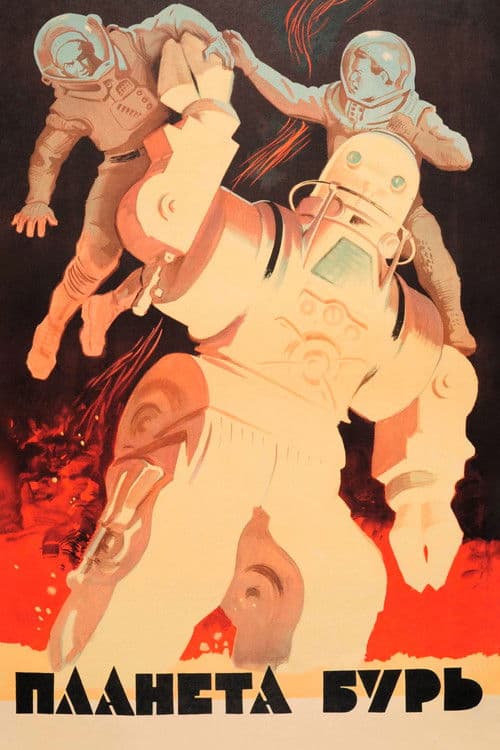
Soviet cosmonauts land on the planet Venus and find it teeming with life, some of it dangerous.
Apr 1962
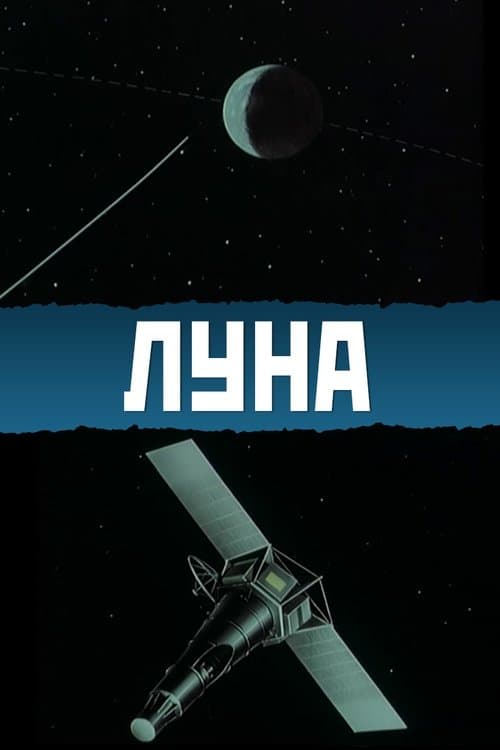
Science fiction/documentary film about man's voyages to the moon.
Jan 1965
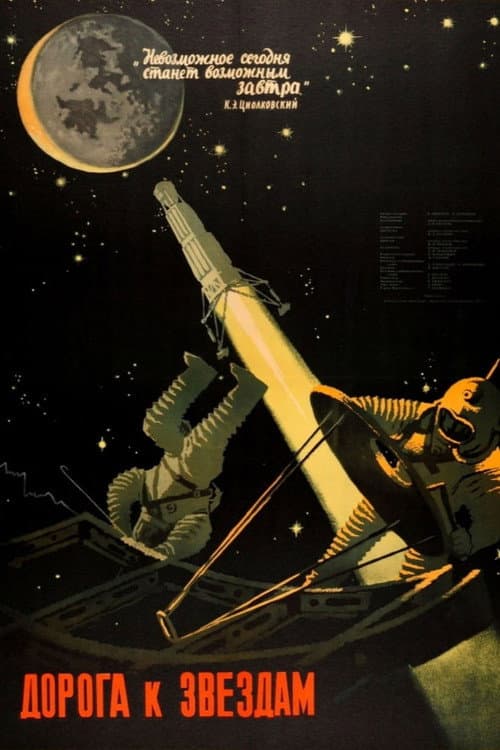
This film consists of three parts. The first dramatizes the life of the founder of Soviet astronautics, Konstantin Tsiolkovsky; the second describes the development of rocket technology; and the third visualizes the future with enactments of the first manned spaceflight, spacewalk, space station construction and humans on the moon.
Nov 1957
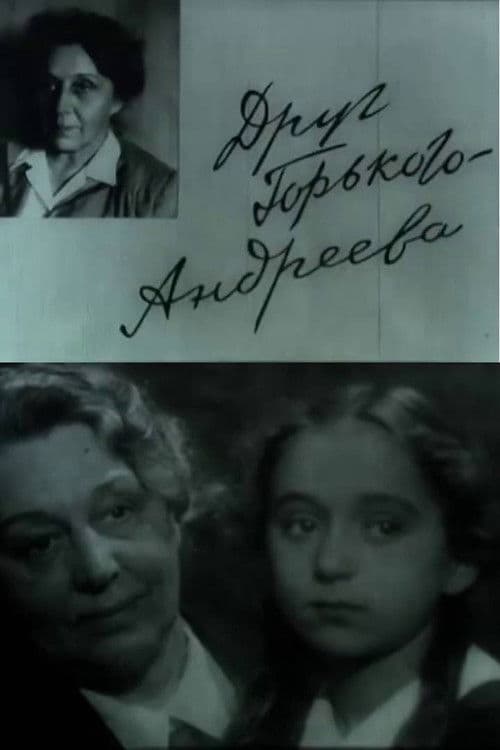
The love story of writer Maxim Gorky and actress Maria Fedorovna Andreeva.
Jan 1966
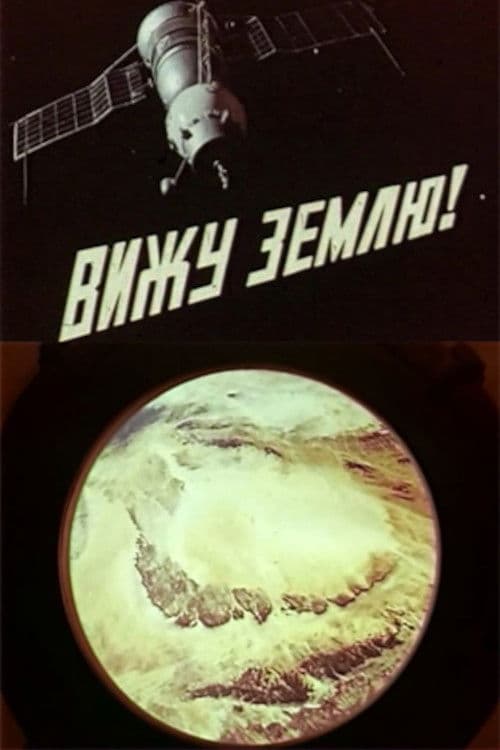
A popular science film dedicated to research of the Earth from spacecraft, instilling a sense of empathy for protection of the Earth's natural resources.
Jan 1970
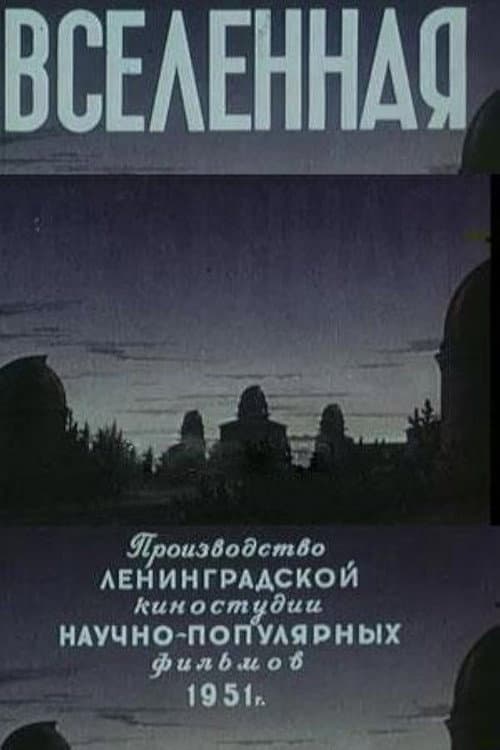
A rare Soviet documentary film from 1951, directed by Pavel Klushantsev. It explores the history of humanity’s study of the universe, from ancient astronomy to modern understandings of the solar system, examining the structure of the cosmos, the planets, and advances in scientific space research.
Jun 1951
A popular science film on the physical properties of matter and nuclear physics, which simply and clearly presents complex phenomena. From Democritus and alchemists to the first nuclear power plant, and dreams of nuclear ships and spacecrafts.
Jan 1956
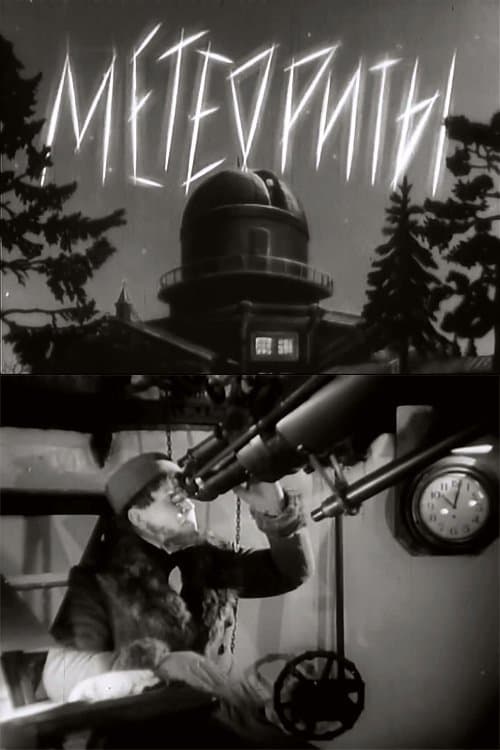
Stones from the sky - tangible pieces of other worlds. After millions of years of wandering in the darkness and the cold expanses of space, meteorites find shelter in the windows of museums. By studying meteorites, scientists know their origins, how they get to the Earth, and from which substances they are comprised. This film also explores the attitude towards this phenomenon in different nations through different times in history.
Jun 1947
Apr 1972
Documentary film introduces the principles of color cinema, from the spectrum of light sources to the structure of multilayer film, and traces the entire process of how color is reproduced on screen.
Jan 1953
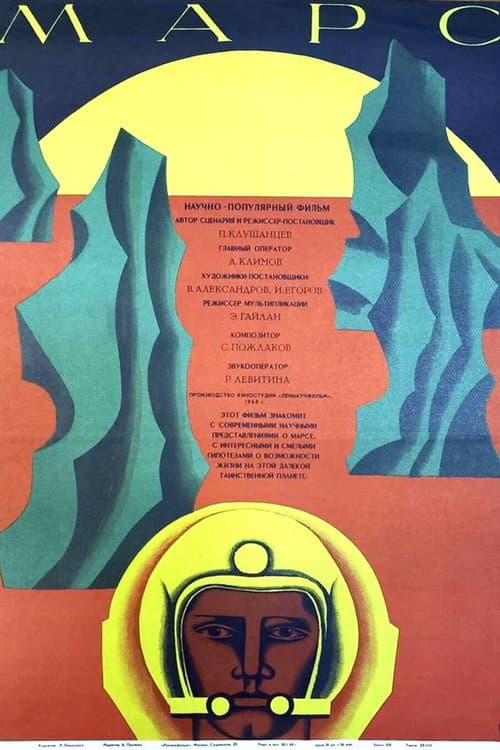
Like the previous film Luna produced by Klushantsev, the film Mars was created at the intersection of educational science films and science-fiction. It consists of seven pieces, which tell (based on scientific understanding of the 1960s) of the physical conditions on planet Mars, the possibility of life on Mars and what forms it might take, of Martian canals and "seas" of the Red Planet. In addition, the film includes the director's fantasy hypothetical forms of life on mars, and of the exploration and colonization of Mars in the near future.
Jan 1968
About the accident at the Chernobyl nuclear power plant and its consequences.
Jan 1990
The film tells about a simple Soviet school and its problems.
Problems of Futurology, the film is an experience of recreating the future on the example of some scientific discoveries and phenomena of today's social life.
Nov 1973
Follows the theory of painting and its components.
Sep 1985
About the construction of the Rybinsk Reservoir.
Sep 1987
Follows the origin of geometry in Ancient Greece, about the contribution to the development of science made by Thales, Pythagoras, Plato, Eudoxus.
Sep 1977
A respectable man tries to charm a girl, but she sees that he is smoking and draws her own conclusions. This animation was commissioned by the Ministry of Health of the USSR.
Feb 1985
The film is dedicated to the memory of Valery Borisovich Agafonov (1941-1984), an outstanding performer of Russian romances.
Jan 1993
The authors of the film try to explain that in order to solve global problems, particularly economic ones, it is necessary to follow not only a dry "how-to-do-it" approach, but also to listen to the voice of reason. Through two examples, the authors of the film illustrate the consequences of decisions made by people who did not consider the potential irreversible outcomes. The authors and participants of the film compare these individuals to computers, which are mechanical machines that lack a soul or heart and make decisions based solely on the information provided to them.
May 1987