Menu
© 2026 The Couch Critic
Browse 49 movies from Norsk Film A/S
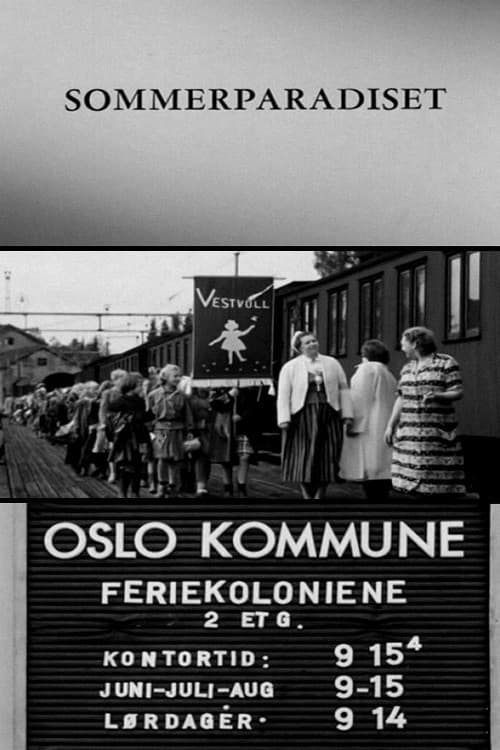
At Slagen, Hudøy and several other places, Oslo Municipality drove holiday colonies where children from the city could vacation in the summer. At Dal there was a separate holiday colony for tuberculosis-infested children. Some children were also sent for holiday stays on farms. More than 5,000 children received a stay at municipal or private holiday colonies every summer. ***** Oslofilm was a series of public information films about life in and around Oslo, produced between 1940 and 1980. Funded by the state, the films offer valuable insight into postwar Norwegian society. A wide range of Norwegian filmmakers contributed to the productions, resulting in a rich variety of styles and expressions. Several of the films also possess notable cinematic qualities, standing out as more than just informational material. The Oslofilms represent a unique and important chapter in Norwegian film history.
Aug 1954
Jan 1964
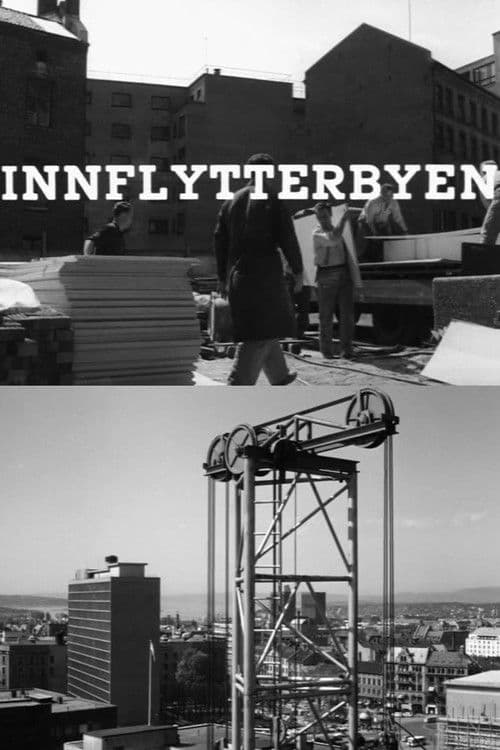
A short documentary showing the political approach and practices used to address Oslo’s housing problem in the years after the war. ***** Oslofilm was a series of public information films about life in and around Oslo, produced between 1940 and 1980. Funded by the state, the films offer valuable insight into postwar Norwegian society. A wide range of Norwegian filmmakers contributed to the productions, resulting in a rich variety of styles and expressions. Several of the films also possess notable cinematic qualities, standing out as more than just informational material. The Oslofilms represent a unique and important chapter in Norwegian film history.
Jan 1951
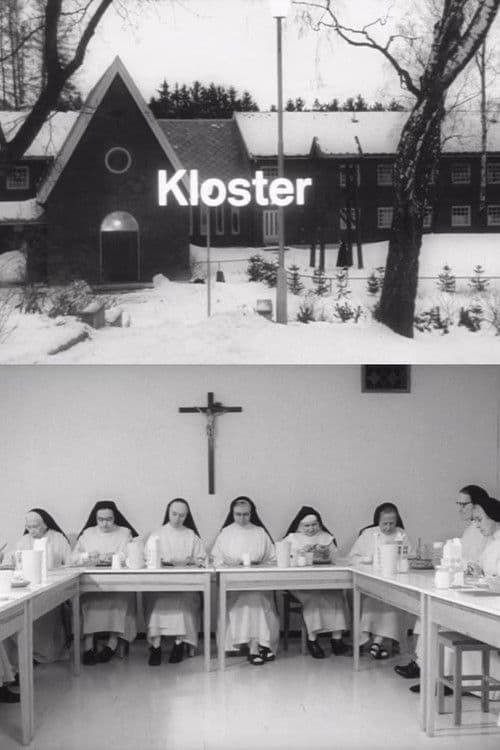
The Lunden monastery is a Dominican convent established in Oslo 1952, and is the only contemplative monastery in Norway.
Jan 1972
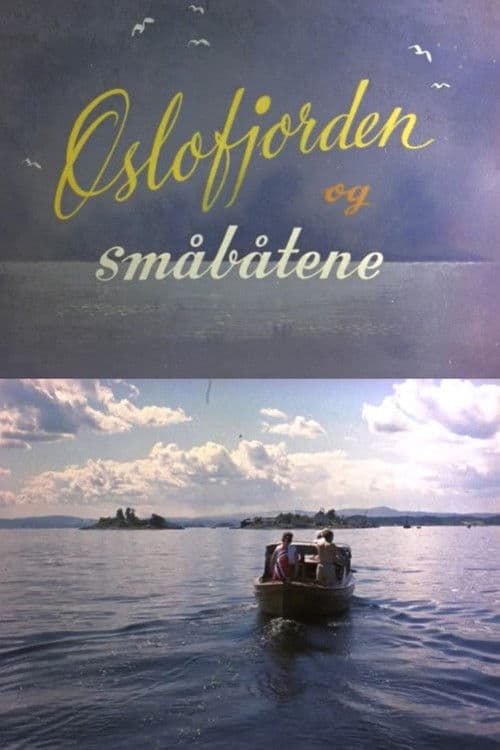
An informative film about marinas and boating life in Oslo, including a historical retrospective. ***** Oslofilm was a series of public information films about life in and around Oslo, produced between 1940 and 1980. Funded by the state, the films offer valuable insight into postwar Norwegian society. A wide range of Norwegian filmmakers contributed to the productions, resulting in a rich variety of styles and expressions. Several of the films also possess notable cinematic qualities, standing out as more than just informational material. The Oslofilms represent a unique and important chapter in Norwegian film history.
Feb 1961
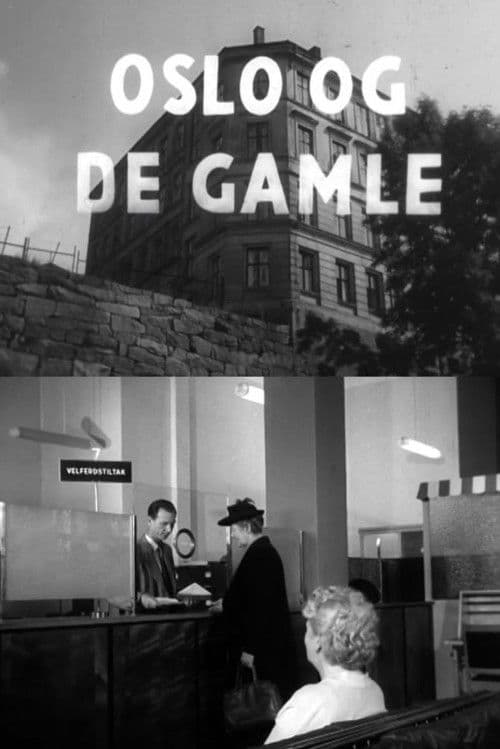
A short film about elderly care in Oslo. Social and welfare services. ***** Oslofilm was a series of public information films about life in and around Oslo, produced between 1940 and 1980. Funded by the state, the films offer valuable insight into postwar Norwegian society. A wide range of Norwegian filmmakers contributed to the productions, resulting in a rich variety of styles and expressions. Several of the films also possess notable cinematic qualities, standing out as more than just informational material. The Oslofilms represent a unique and important chapter in Norwegian film history.
Jan 1957
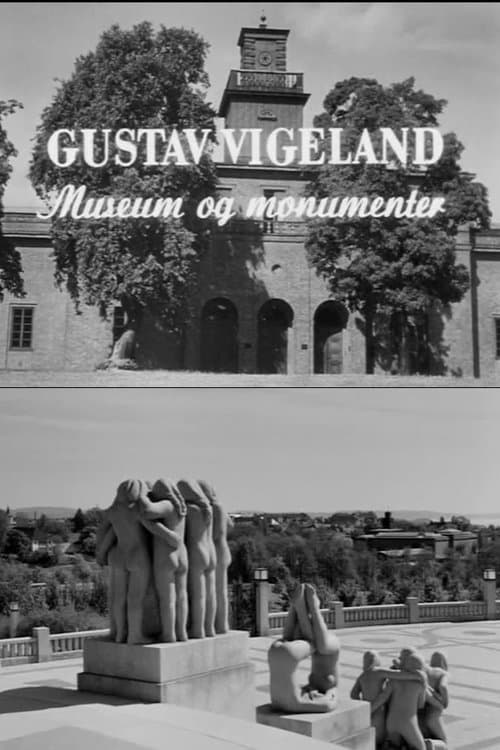
About Gustav Vigeland. **** Oslofilm was a series of public information films about life in and around Oslo, produced between 1940 and 1980. Funded by the state, the films offer valuable insight into postwar Norwegian society. A wide range of Norwegian filmmakers contributed to the productions, resulting in a rich variety of styles and expressions. Several of the films also possess notable cinematic qualities, standing out as more than just informational material. The Oslofilms represent a unique and important chapter in Norwegian film history.
Jan 1955
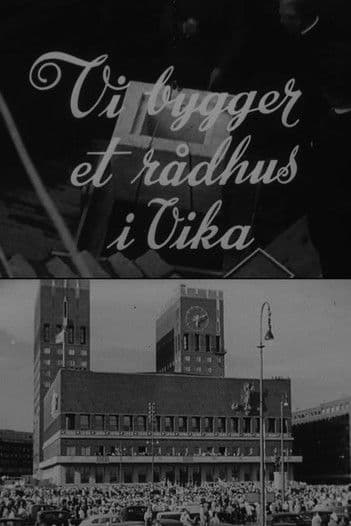
A short documentary about the construction of Oslo City Hall. The process is followed from the laying of the first stone in 1931. An entire small neighborhood had to be demolished to make room for Oslo’s new civic landmark. The demolition and construction are thoroughly documented, and we also see the extensive work devoted to both exterior and interior decoration. The City Hall was completed and officially opened in 1950. ***** Oslofilm was a series of public information films about life in and around Oslo, produced between 1940 and 1980. Funded by the state, the films offer valuable insight into postwar Norwegian society. A wide range of Norwegian filmmakers contributed to the productions, resulting in a rich variety of styles and expressions. Several of the films also possess notable cinematic qualities, standing out as more than just informational material. The Oslofilms represent a unique and important chapter in Norwegian film history.
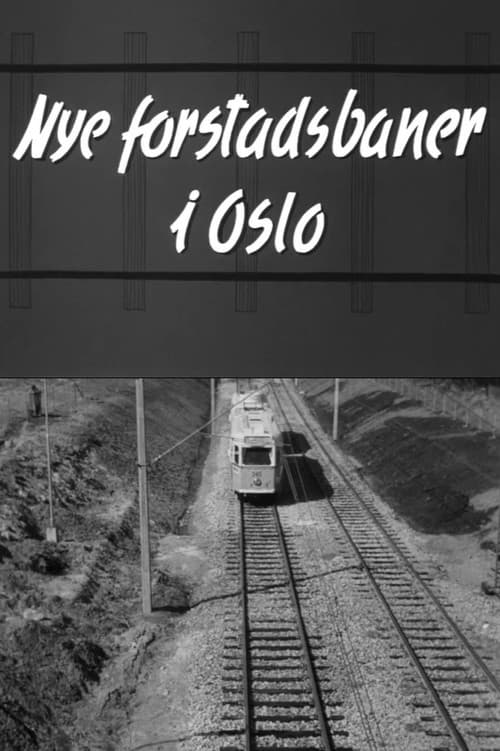
About the work of providing the growing city of Oslo with a network of tramways to the new suburbs: the Lambertseter Line, the Østensjø Line to Bøler, and the Grorud Line. ***** Oslofilm was a series of public information films about life in and around Oslo, produced between 1940 and 1980. Funded by the state, the films offer valuable insight into postwar Norwegian society. A wide range of Norwegian filmmakers contributed to the productions, resulting in a rich variety of styles and expressions. Several of the films also possess notable cinematic qualities, standing out as more than just informational material. The Oslofilms represent a unique and important chapter in Norwegian film history.
Jan 1958
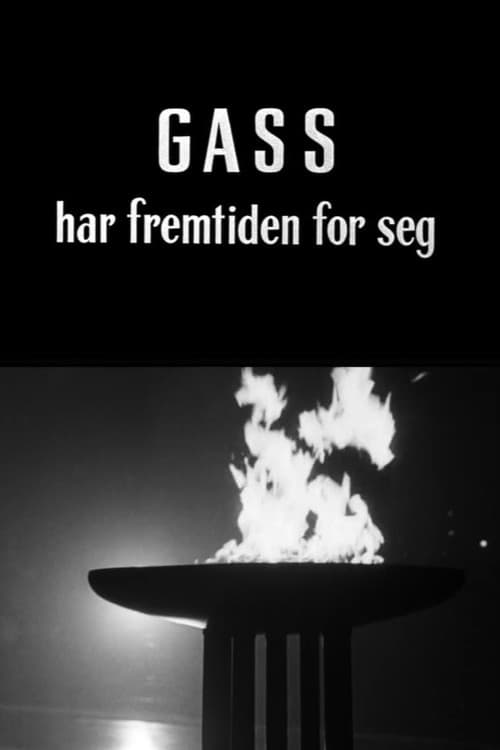
In the mid-1950s, Oslo imported 27,000 tons of coal annually, which was converted into coke, gas, and tar. This production took place at the Oslo Gasworks at Ankertorget. The gas was used both in private households and by industry. ***** Oslofilm was a series of public information films about life in and around Oslo, produced between 1940 and 1980. Funded by the state, the films offer valuable insight into postwar Norwegian society. A wide range of Norwegian filmmakers contributed to the productions, resulting in a rich variety of styles and expressions. Several of the films also possess notable cinematic qualities, standing out as more than just informational material. The Oslofilms represent a unique and important chapter in Norwegian film history.
Jan 1956
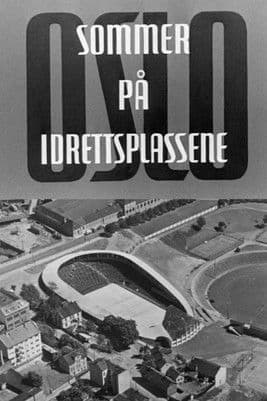
Oslo has many sports fields, including Voldsløkka, Dælenenga, Ekebergsletta and Bislett. **** Oslofilm was a series of public information films about life in and around Oslo, produced between 1940 and 1980. Funded by the state, the films offer valuable insight into postwar Norwegian society. A wide range of Norwegian filmmakers contributed to the productions, resulting in a rich variety of styles and expressions. Several of the films also possess notable cinematic qualities, standing out as more than just informational material. The Oslofilms represent a unique and important chapter in Norwegian film history.
Jun 1954
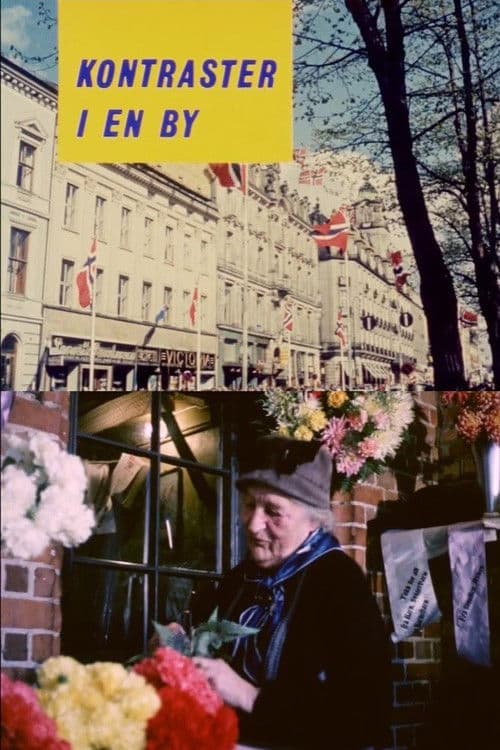
The film highlights the city’s many contrasts. // Oslofilm was a series of public information films about life in and around Oslo, produced between 1940 and 1980. Funded by the state, the films offer valuable insight into postwar Norwegian society. A wide range of Norwegian filmmakers contributed to the productions, resulting in a rich variety of styles and expressions. Several of the films also possess notable cinematic qualities, standing out as more than just informational material. The Oslofilms represent a unique and important chapter in Norwegian film history.
Jan 1963
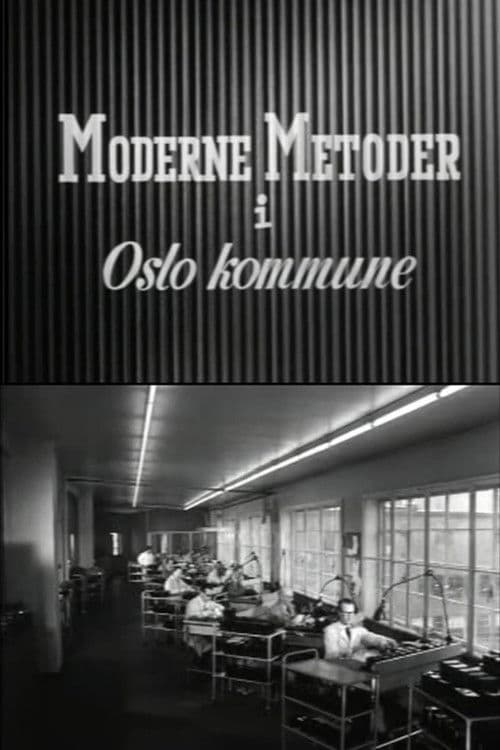
About rationalization and efficiency improvements in the Municipality of Oslo, with examples from hospitals, sanitation services, water supply, transport, forestry, the port, the electricity utility, building control, and modern office technology. ***** Oslofilm was a series of public information films about life in and around Oslo, produced between 1940 and 1980. Funded by the state, the films offer valuable insight into postwar Norwegian society. A wide range of Norwegian filmmakers contributed to the productions, resulting in a rich variety of styles and expressions. Several of the films also possess notable cinematic qualities, standing out as more than just informational material. The Oslofilms represent a unique and important chapter in Norwegian film history.
Jan 1967
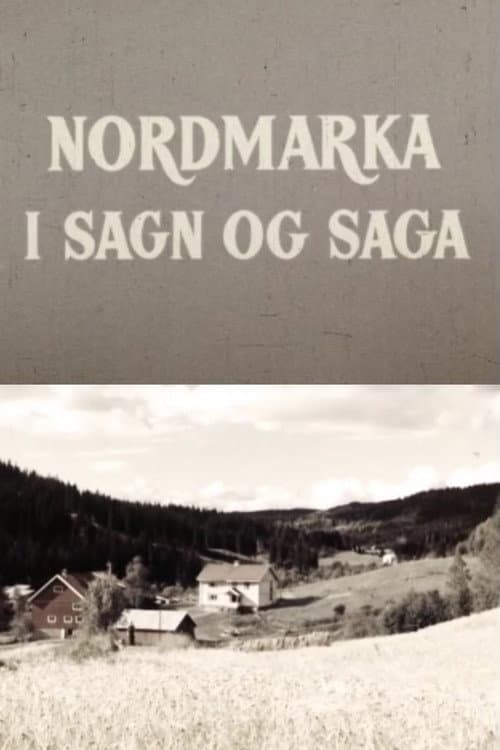
A poetic short film that describes Nordmarka, the forest located north in Oslo. ***** Oslofilm was a series of public information films about life in and around Oslo, produced between 1940 and 1980. Funded by the state, the films offer valuable insight into postwar Norwegian society. A wide range of Norwegian filmmakers contributed to the productions, resulting in a rich variety of styles and expressions. Several of the films also possess notable cinematic qualities, standing out as more than just informational material. The Oslofilms represent a unique and important chapter in Norwegian film history.
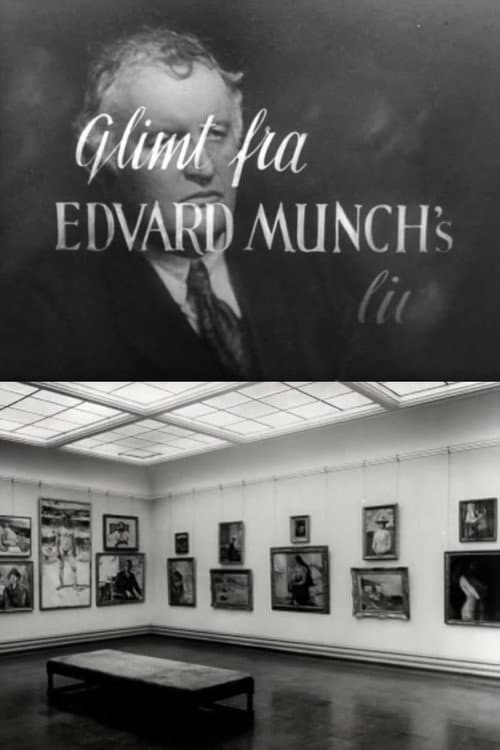
A brief overview of the painter Edvard Munch’s journey from young art student to world-renowned artist. The film presents a range of Munch’s works, from drawings and paintings to lithographs and frescoes. We also see images from his homes, including those in Åsgårdstrand and at Ekely, as well as the drawing of the planned Munch Museum in Oslo. ***** Oslofilm was a series of public information films about life in and around Oslo, produced between 1940 and 1980. Funded by the state, the films offer valuable insight into postwar Norwegian society. A wide range of Norwegian filmmakers contributed to the productions, resulting in a rich variety of styles and expressions. Several of the films also possess notable cinematic qualities, standing out as more than just informational material. The Oslofilms represent a unique and important chapter in Norwegian film history.
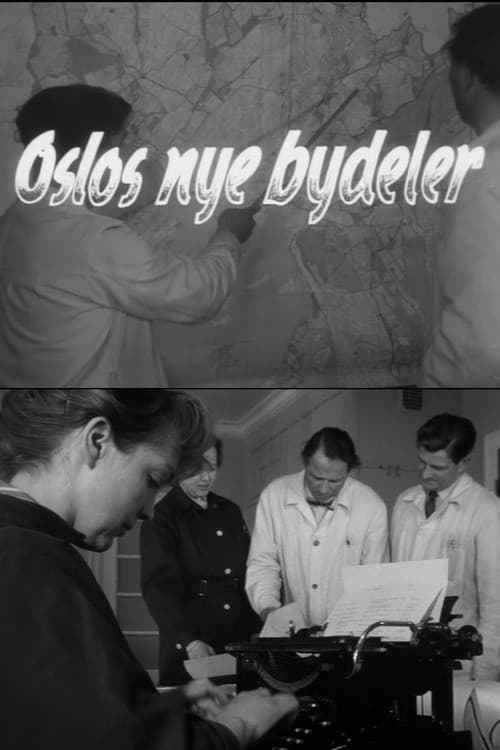
A film about the new neighborhoods that were built after the war, including Manglerud, Bøler, Oppsal, Årvoll, Teisen and Lambertseter. ***** Oslofilm was a series of public information films about life in and around Oslo, produced between 1940 and 1980. Funded by the state, the films offer valuable insight into postwar Norwegian society. A wide range of Norwegian filmmakers contributed to the productions, resulting in a rich variety of styles and expressions. Several of the films also possess notable cinematic qualities, standing out as more than just informational material. The Oslofilms represent a unique and important chapter in Norwegian film history.
Dec 1958
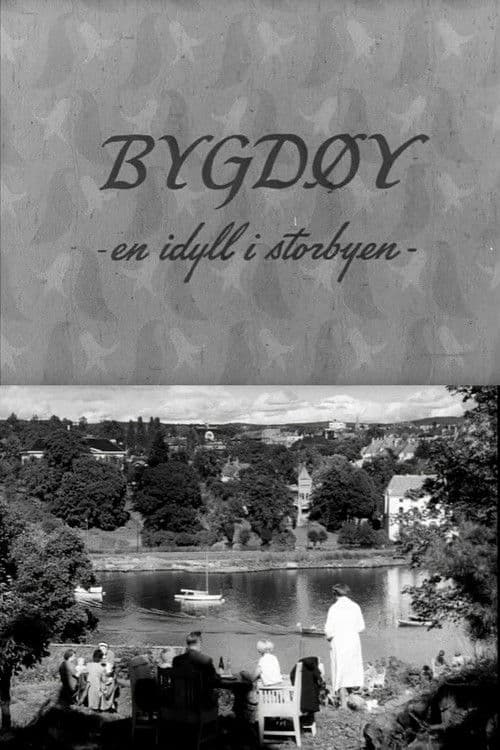
Bygdøy is the Peninsula in Oslo that has always been a place of residence for kings and clergy people. Now it has become a recreation area for Oslo's inhabitants, with museums, restaurants, beaches, and many other leisure and entertainment opportunities. ***** Oslofilm was a series of public information films about life in and around Oslo, produced between 1940 and 1980. Funded by the state, the films offer valuable insight into postwar Norwegian society. A wide range of Norwegian filmmakers contributed to the productions, resulting in a rich variety of styles and expressions. Several of the films also possess notable cinematic qualities, standing out as more than just informational material. The Oslofilms represent a unique and important chapter in Norwegian film history.
Dec 1953
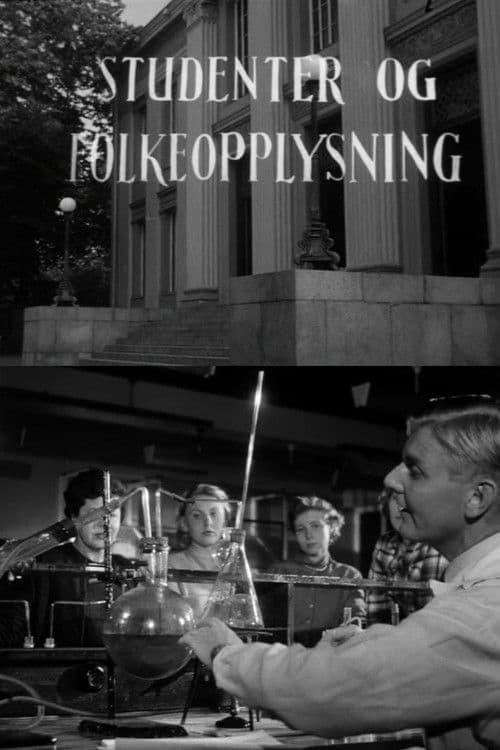
The Student Society’s free education program, affiliated with the University of Oslo, was an important public education institution in the 1950s, with 17,000 students in 1956 and courses ranging from tinworking to child psychology. ***** Oslofilm was a series of public information films about life in and around Oslo, produced between 1940 and 1980. Funded by the state, the films offer valuable insight into postwar Norwegian society. A wide range of Norwegian filmmakers contributed to the productions, resulting in a rich variety of styles and expressions. Several of the films also possess notable cinematic qualities, standing out as more than just informational material. The Oslofilms represent a unique and important chapter in Norwegian film history.