Menu
© 2026 The Couch Critic
Browse 6 movies from United States Information Service (USIS)
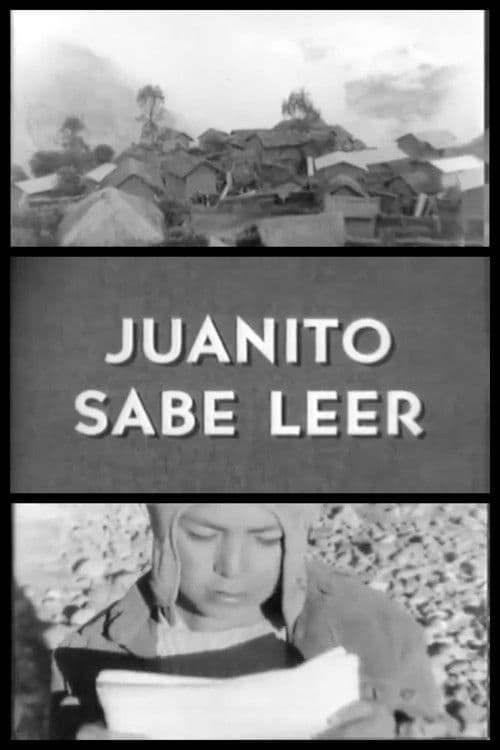
Directed by eventual Bolivian president, Gonzalo Sánchez de Lozada, who ran the production company of this film, Telecina Ltd. from 1953-1957. Follows a young boy from a Bolivian mountain village who learns to read and supports his community. "Filmed in Warisata, Bolivia, produced by Telecine Limitada, narrated by Oscar Soria, and produced and directed by Gonzalo de Lozada" (US National Archives). Also produced and distributed by the US Information Service.
Jan 1954
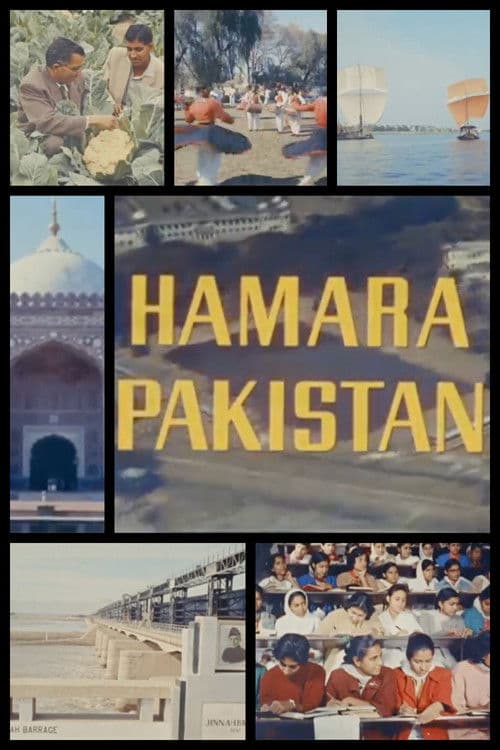
"This film details the economic progress achieved with U.S. assistance in the provinces of [formerly] East- and West-Pakistan in the past ten years, and stresses the need for all Pakistanis to work as one to better the country. The film was narrated by Rizvan [Rizwan] Wasti" (US National Archives).
Jan 1960
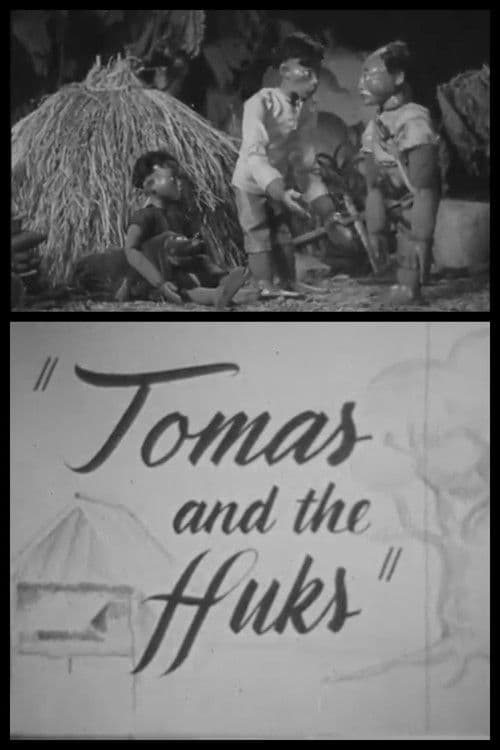
"This film tells the story of Tomas, a young boy living in the Philippines who becomes a Hukbalahap, or "Huk" — a member of a communist guerrilla movement formed by Filipino peasant farmers, originally to resist the Japanese Army. After Tomas helps a farmer reload his overturned rice cart, he is targeted by the communist Huks for recruitment to their cause. The Huks indoctrinate Tomas, talking to him for hours until he decides to leave his home and join them. The Huks send Tomas to speak with the farmer about sharing his rice, but this turns out to be a diversion. When the farmer stands up for his rights, one of the Huks stabs him with a machete and takes his rice. As the film ends, Tomas realizes that he has become a murderer and will be trapped in a miserable existence as a Huk forever. The film is presented in the form of a puppet show" (US National Archives).
Jan 1952
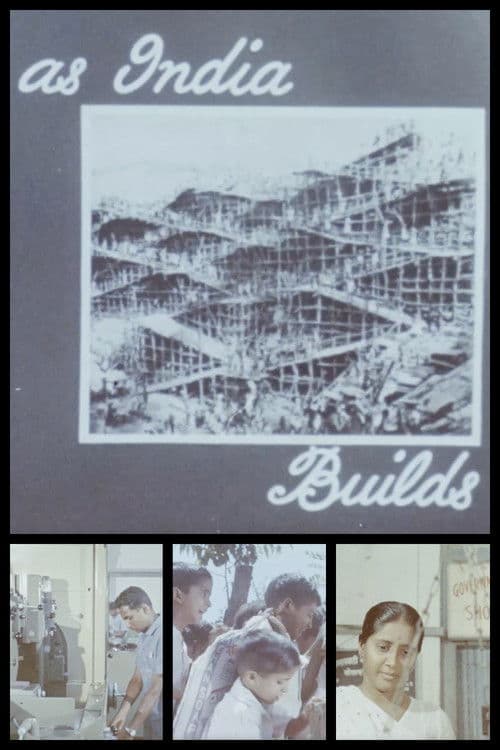
"This film surveys agricultural progress in India, showing the role of USAID technical assistance. The film was produced by Fali Bilimoria and written by Zul Vellani" (US National Archives).
Oct 1966
The film presents a conversation among characters discussing the outbreak of violence and revolution in an unnamed Asian country. Harid, a young radical, expresses his belief that the current government deserves the chaos due to its failures. The dialogue reveals differing opinions on the causes of the turmoil, with some blaming foreign powers for supporting local rebels. A parable about a thief serves as a metaphor for the misplaced blame in society, emphasizing the importance of recognizing the true source of problems rather than blaming the victims.
0
58th installment in a series of newsreels which were screened in front of movies at the cinemas during the Allied occupation of Germany after World War II.
Jan 1946