Menu
© 2026 The Couch Critic
Browse 209 movies from Mongolkino
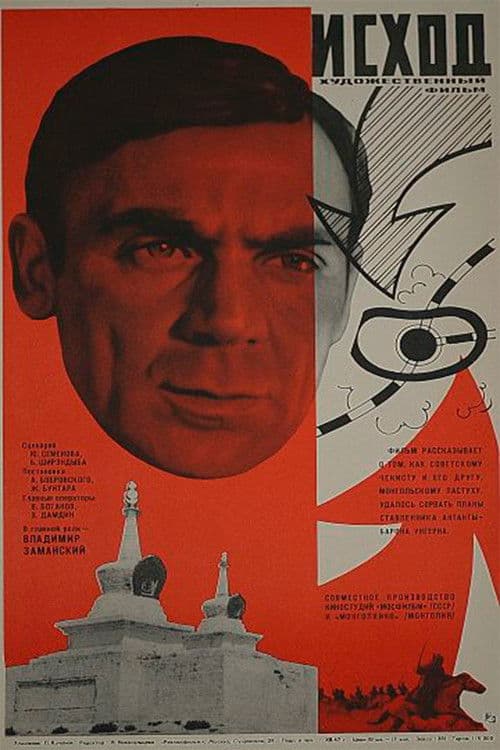
It shows how the October Revolution affected the hearts of the Mongolian people, and how they defeated the white bandit Baron Ungern at the beginning of the revolution and put an end to his evil activities.
Feb 1968
Set in 1910's, shows the life of a young wrestler named Dalaitseren.
Jan 1983
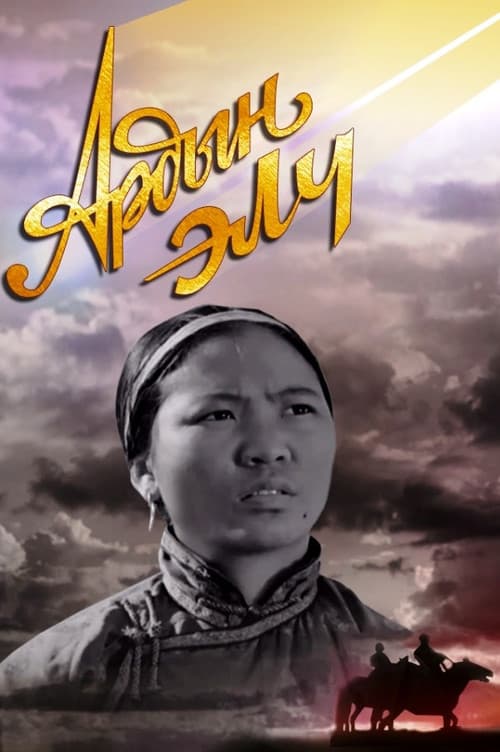
It tells about the tireless work of an ordinary doctor working in rural areas.
Jan 1976
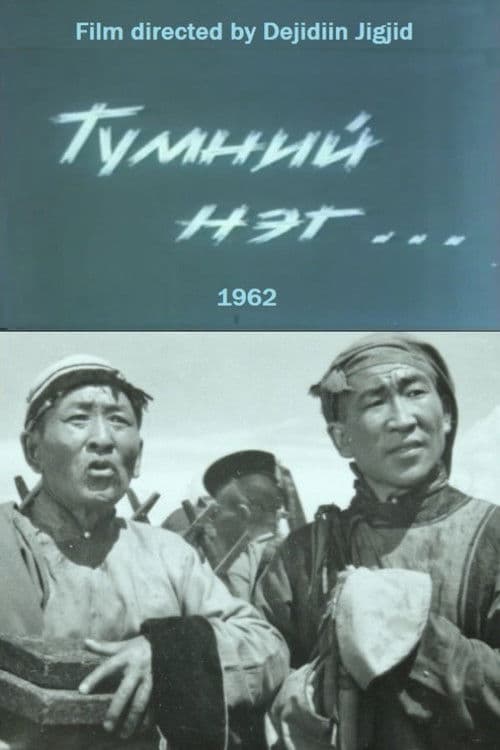
The work tells about the difficulties encountered in the lives of young people who went on a campaign to acquire vast land, and how they overcome them in an exaggerated comic tone. The plot of the film is highlighted by the fact that the empty dreamer and pride of the main character Cuckoo leads him to funny events.
Jan 1962
The evolution of Chimed, the main character, is shown by the evolution of a servant man who was enslaved by foreign merchants and scorned by local rich people, who found his freedom with the revolution and then strives to work for his country. The feature of the film is that the behavior of the common man is formed along with the process of the revolution, and it clearly shows how a boy from the pastoral people not only learns to read and write by benefiting from science, but also works with all his strength to educate the people's children and grows into a leading intellectual.
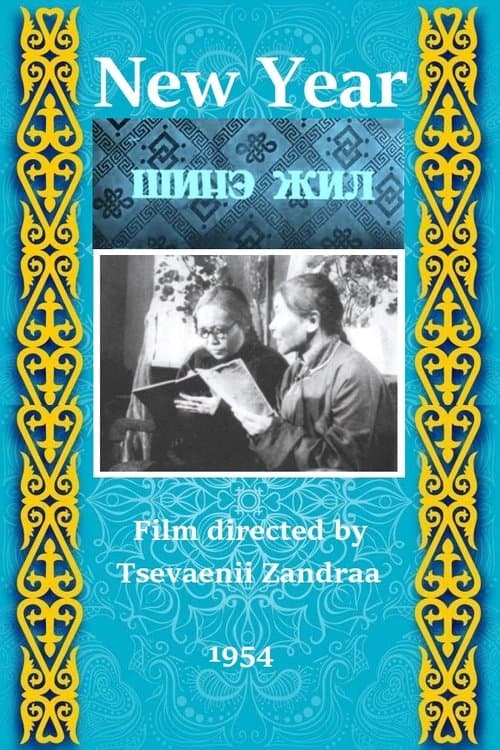
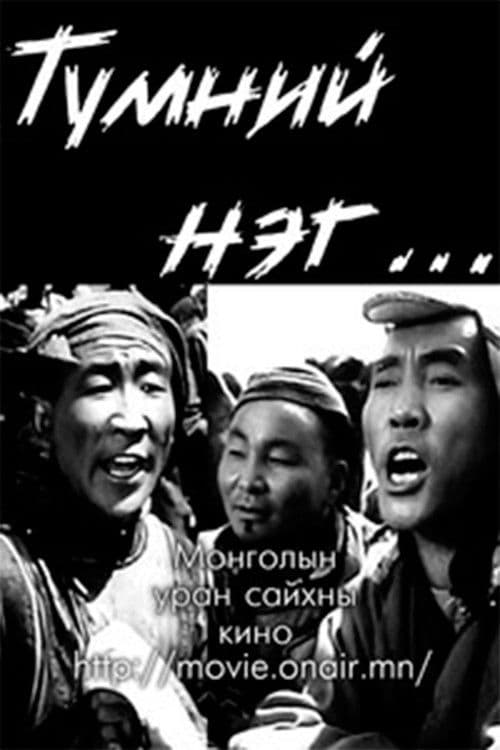
When the young man foreman fulfilled his plan ahead of time and told his mother that he had celebrated the New Year in advance with his friends, the young man's mother mistakenly thought that he and the lady from the neighboring family were going to get married. works are reflected.
Jan 1954
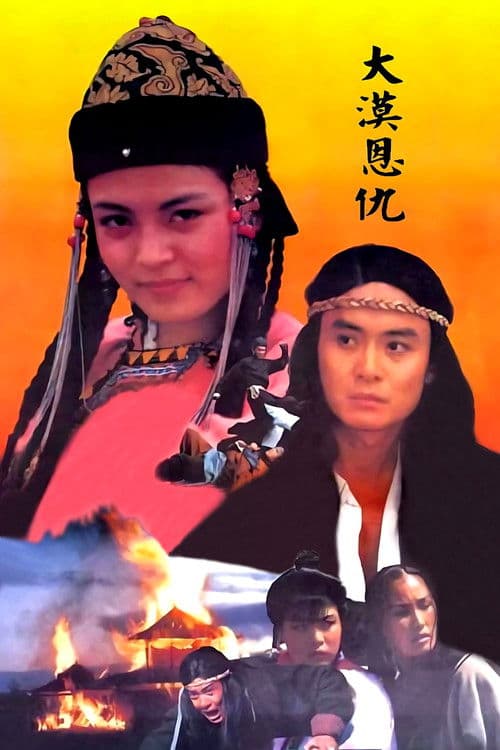
Buyan, an honest and wealthy rancher who is well-known in his area, organizes a rebellion against the local Mr. Behe's increase in his official tax. On his way to the south to trade, Mr. Behe agrees to kill him secretly with his partner in China. As a result, Buyan barely escapes and hides in the mountains. A Chinese kung-fu teacher, along with an old man and a girl, took care of the wounded man and raised him on his feet. It tells the story of Buyan becoming a kung fu teacher, maturing in the field and then returning to his homeland and continuing his bloody struggle to avenge his spouses and ordinary people who were destroyed by Mr. Behe and achieve victory.
Jan 1992
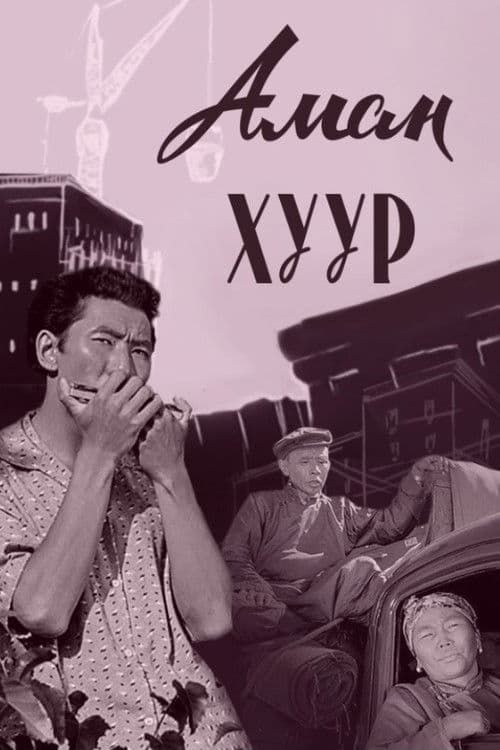
The capital city of Mongolia, Ulaanbaatar, is increasing with new buildings day by day. Dari insists on not leaving her home, built by her father, and tries to keep her old home by using the construction guy whom Dari’s daughter is in love with.
Jan 1963
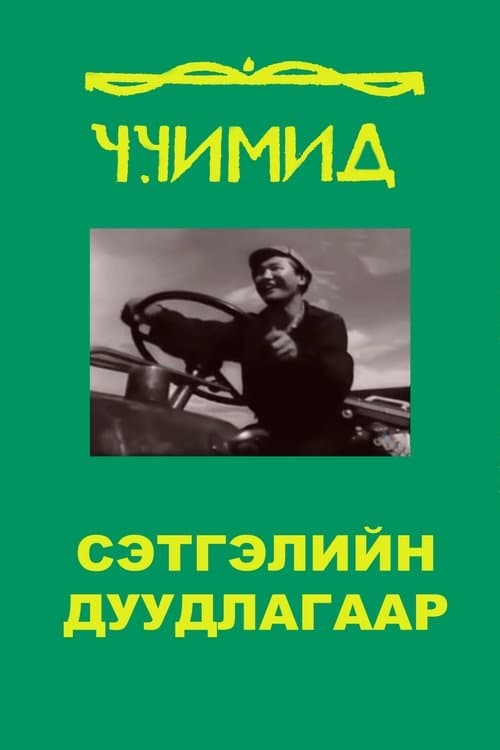
After being released from prison for theft, Ishkhu dared to live honestly and work hard. He continued to look for work in official institutions, and with the support of Timur, who was a security guard who knew him well, he reached his destination and went to work as a tractor driver at the Atar fund farm. Before that, he sent a letter to Densmaad, who met him at a restaurant and met him to find the lost money, but he did not receive a reply.
Jan 1965
The meaning of being a man's spouse and a mother swan in the world is shown through the life of Tumur's wife Naran, a work that shows how precious love and marital happiness develops amid the conflicts of old and new ideas.
Jan 1975
In 1928, when scientific hospitals were introduced to Mongolia, the Russian female doctors who came to rural areas and the famous local maarambas overcame old customs, opinions, and religious influences, and showed how people's views were changed and a new morality was formed in their minds.
Jan 1957
After hearing that Jamts, the head of the union, is reluctant to hire women, his son's fiancee Dulamsuren disguises herself as a man and shows how she overcomes those who underestimate the power of women in an exaggerated comical tone.
Jul 1963
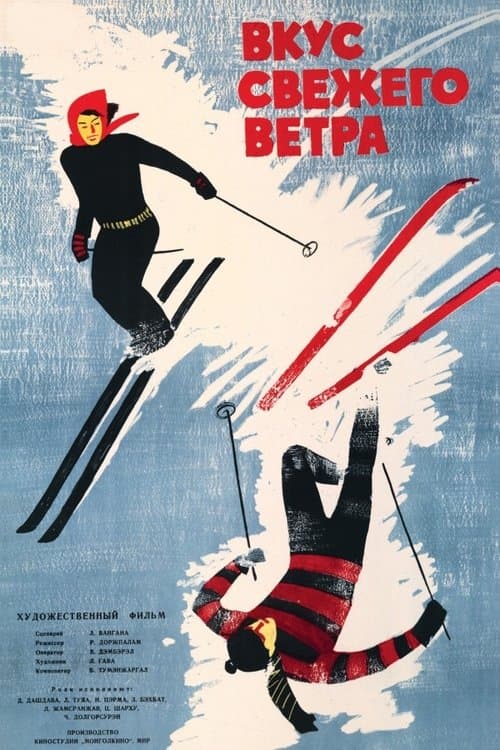
This film is intended to promote the mass movement of physical education to the masses. Choijil, a boastful young man with a tendency to ignore everything, meets Densmaa at a party and dreams of her. On the weekend, Densmaa and Yanjmaa suggested to Choijil that they go skiing on the mountain, but he agreed, even though he had never put a ski on his feet, and told the two girls how he was having fun.
Jan 1960
Darbazar, who was carrying a secret letter to General Sukhbaatar about how ordinary herdsmen participated in the People's Revolution of 1921, fell into the hands of the enemy, and before being killed, he left his wife to continue the work he intended to do. tells about the face-to-face encounter with the great general Sukhbaatar
Jan 1959
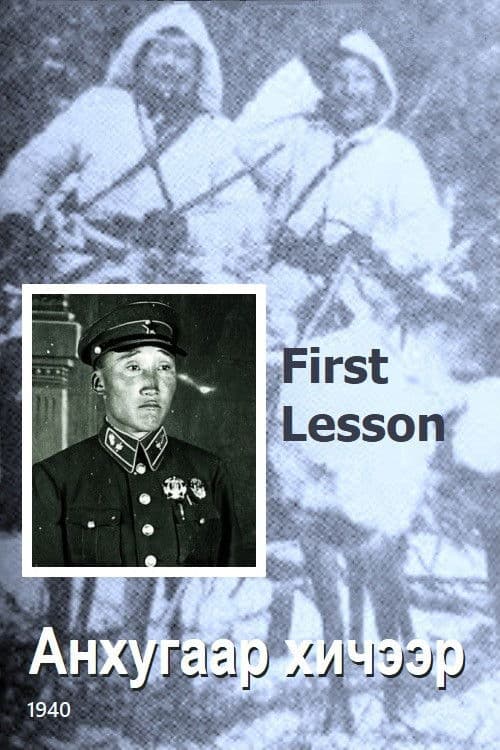
The story is based on the historical events of Gongor, a national hero who successfully performed his duty as a border guard. The fact that he played the hero Gongor himself in the main role helped to convince the audience of the fact that it became a movie. The fact that Sh. Gongor is fighting alone and winning against the enemies who violated the border has a tone that preserves the traditional characteristics of the Mongolian folk epic hero.
Jan 1940
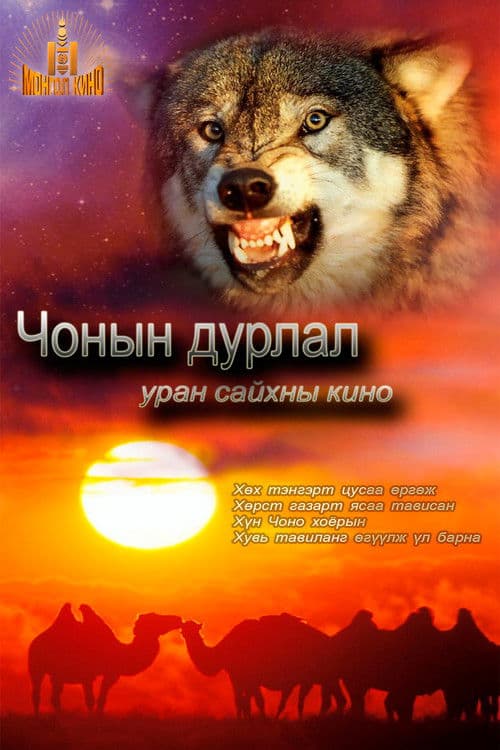
The philosophy of the film is that the Mongolian heritage, customs, and humanity are being diminished day by day, the destruction of small nations deeply affected by the winds of globalization, and the behavior of today's people who are abandoning the teachings of their ancestors, are related to the life of Khutagt Danzanravjaa and the adventures of the steppe wolf.
May 2010
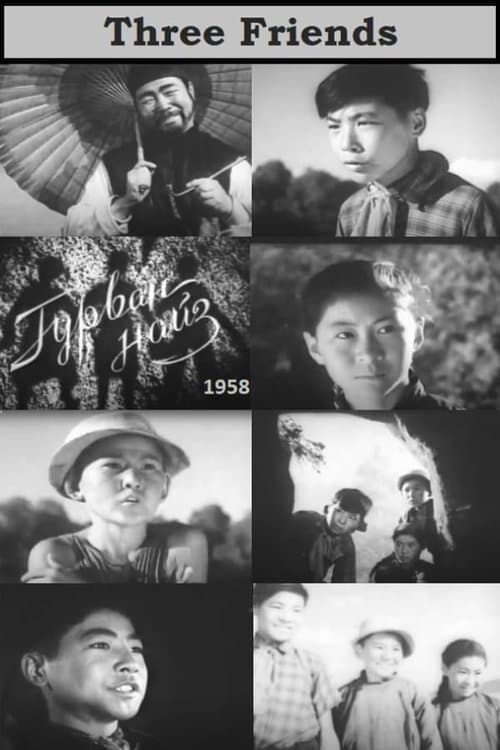
Narankhüu and Sarantuya, who study in a school in the city, go out to the country during their summer vacation and meet Balbar, a shepherd boy. They tell the story of their childhood from the local old man Dandar. However, accidentally attacking a group of thieves hiding there, Erdene reveals the secret of the lover's tank.
Jan 1958
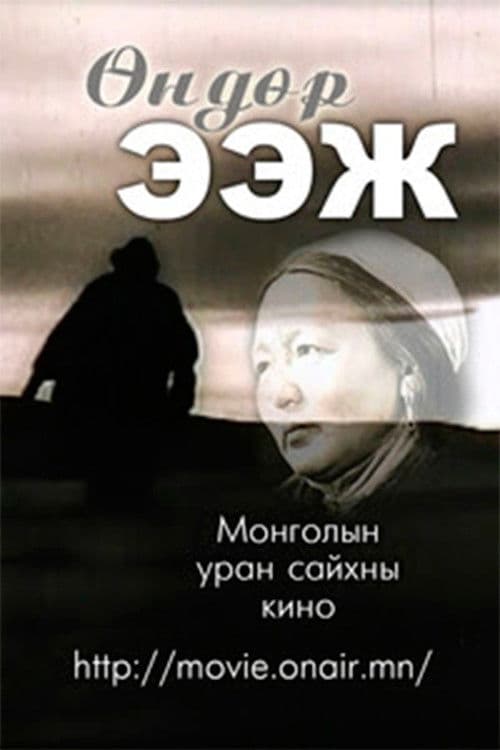
The film consists of two parts, the first part is about the warm relationship between mother, father and son, the son's heroic merits for the country, and the second part is about his son in the war. It tells about the lost mother, who was named "Tall Mother" in honor of the mother's love for many drivers who have the same profession as her son.
Jan 1968
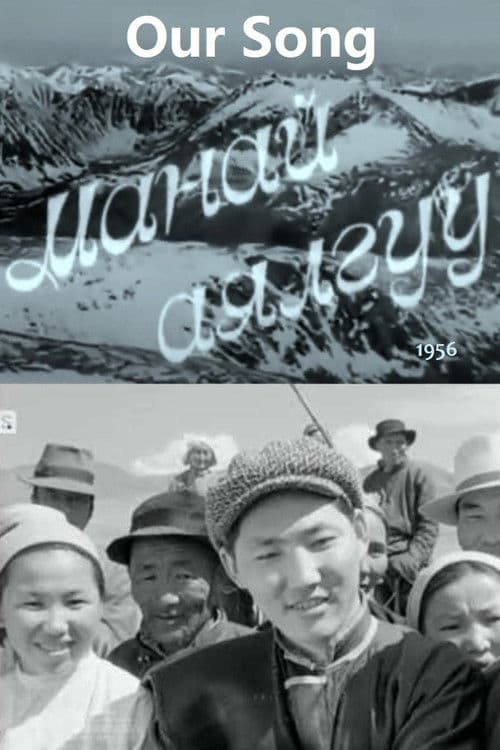
The beautiful nature of Mongolia, the good life of the people, and the hard-working nature of the young people showed a friendly relationship. Badral, a transport driver, expresses the emotional conflict and understanding in the life of his beloved girlfriend, Chimgee, in the language of a musical film.
Jan 1956