Menu
© 2026 The Couch Critic
Browse 54 movies from Kyivnaukfilm
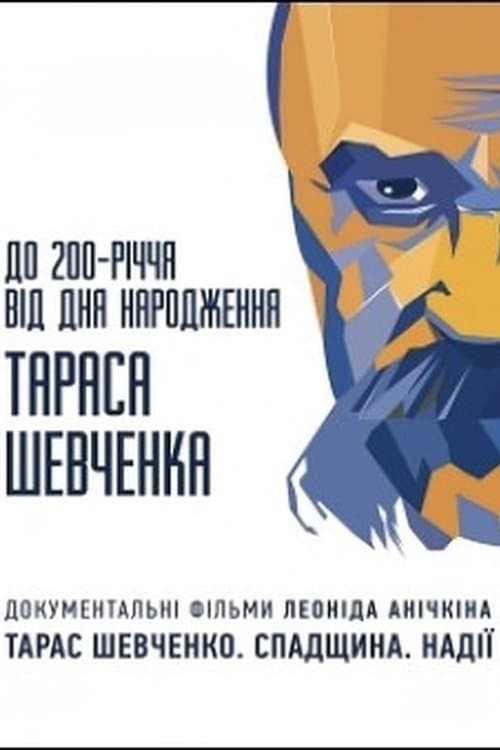
About the fate of the great poet's legacy, which was collected and preserved by his friends and is now kept at the Taras Shevchenko State Museum in Kyiv.
Jan 1995
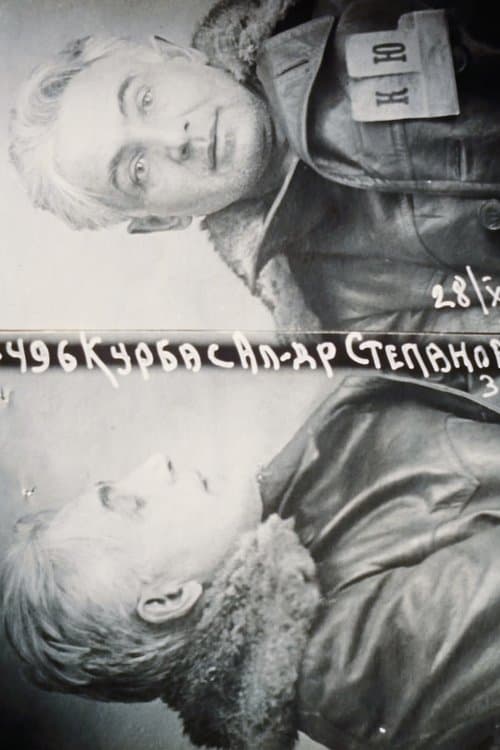
The events of 1935–36 sent scientists, cultural figures, and Comintern workers to Solovki. Instead of a realm of free labor, there were prisons and camps; instead of blue socialism, there was the tyranny of petty Macbeths at the bottom of the camp hierarchy. This is a short documentary about Les Kurbas, a Ukrainian playwright.
Dec 1991
The events of 1935–36 sent scientists, cultural figures, and Comintern workers to Solovki. Instead of a realm of free labor, there were prisons and camps; instead of blue socialism, there was the tyranny of petty Macbeths at the bottom of the camp hierarchy. This is a short documentary about Mykola Kulish, a Ukrainian writer.
The trials and tribulations of the wives and daughters of repressed "counterrevolutionaries" who shared the fate of their relatives in the Solovki camps.
Jan 1992
A cinematic portrait of Ivan Kozlovsky a great Soviet and Ukrainian lyric tenor and opera director.
Oct 1978
Fate did not spare him trials and tribulations. It is impossible to imagine a more shameful punishment than being deprived of the right to write and paint, than years of exile as a soldier in the Orenburg Corps. However, military service did not destroy Taras's faith in God and people.
Jan 1996
Mykola Zerov was another prisoner of the Solovki camps. He was an outstanding Ukrainian poet, an excellent translator of ancient works, and a scholar of philology. Like others, he was destroyed by the repressive machine on Solovki.
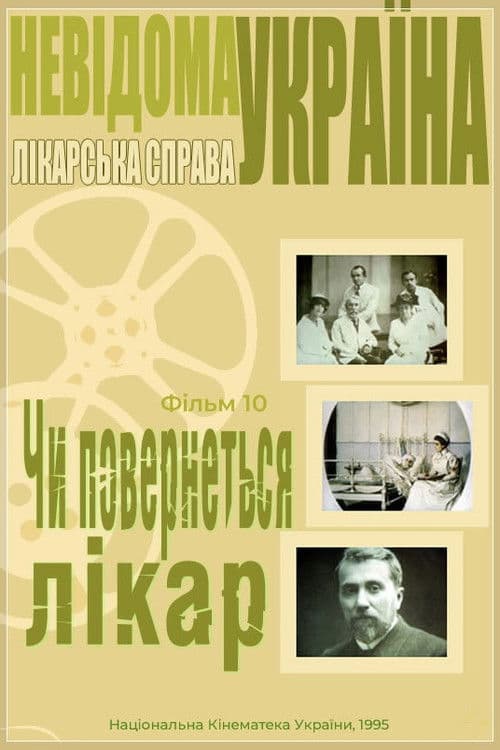
About the renowned clinician, scientist, and first academician among Ukrainian physicians, Teofil Gavrilovich Yanovsky, who valued compassion above worldly fame. All of Kyiv attended the funeral of the Doctor in 1928.
Jan 1993
A two-part documentary about Doomsday sectarians.
A short documentary.
Jan 1994
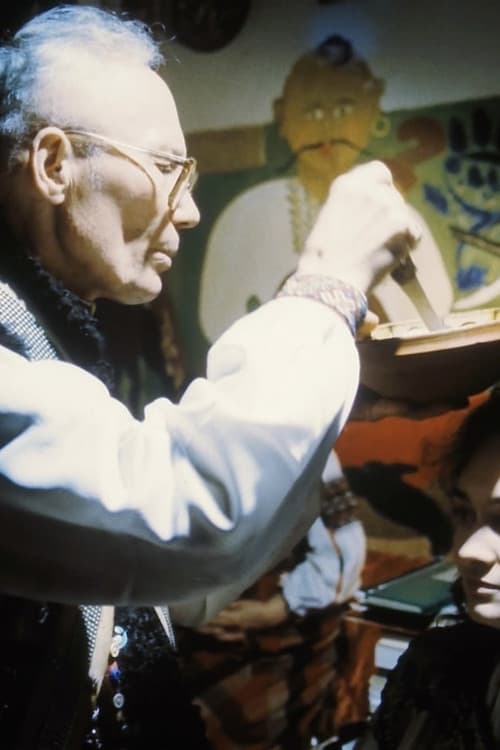
A film about a Carpathian folk healer - molfar.
Jan 1978
The characters in the film try to understand the bioenergetic and informational influence of works of art on the psychological state of the viewer and listener. Scientists, psychologists, psychotherapists, a composer, and an artist seek answers to the question: why do some works depress, others pacify, and still others evoke feelings of joy? Is it possible to use this to treat people?
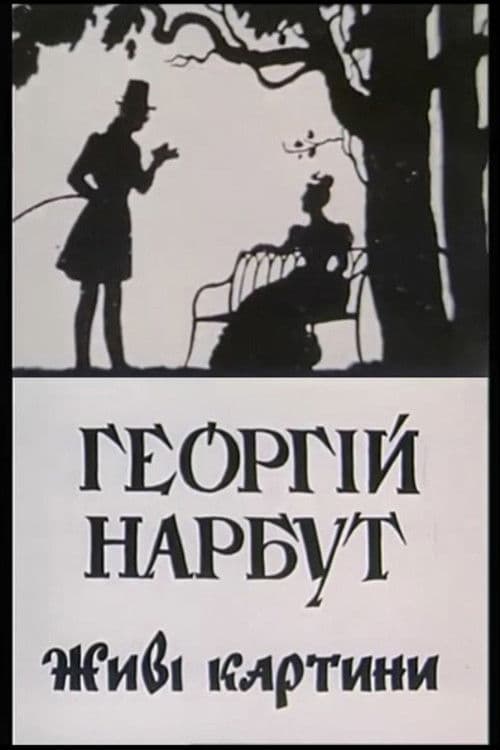
The outstanding Ukrainian artist Heorhii Narbut lived at the turn of two centuries and died young in 1920. He was enamored with the magazine "The World of Art," studied in Munich, and witnessed the beginning and end of the Ukrainian revolution. His illustrations for Andersen's "The Nightingale" are known to more than one generation of readers.
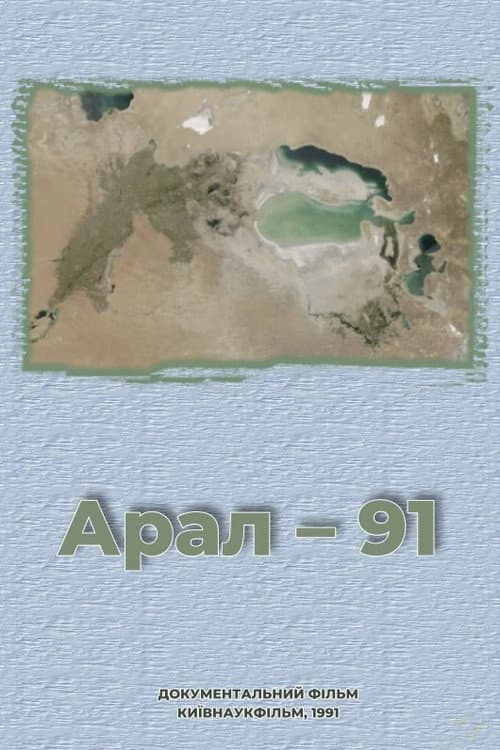
Kazakhstan. Meeting of the UNESCO international expert group in the summer of 1991. Topic: the Aral environmental disaster – the transformation of the Aral Sea into a salt desert, which is the main environmental problem in Central Asia.
A film about preventing apartment thefts.
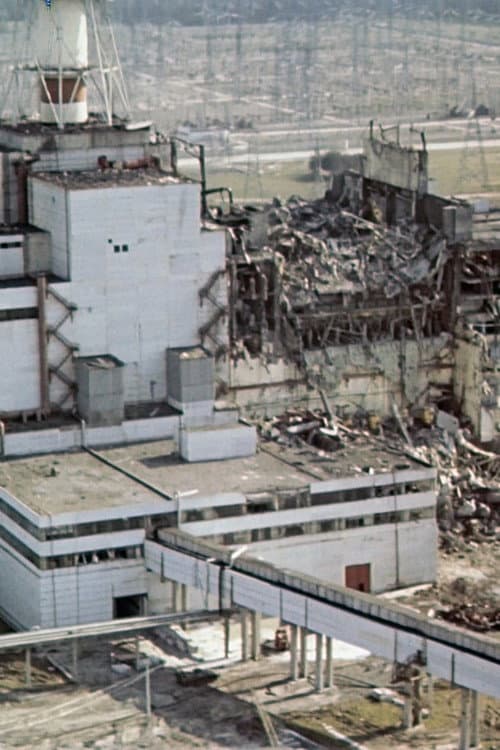
A short documentary about the Chornobyl disaster.