Menu
© 2026 The Couch Critic
Browse 39 movies from Société L. Gaumont et compagnie
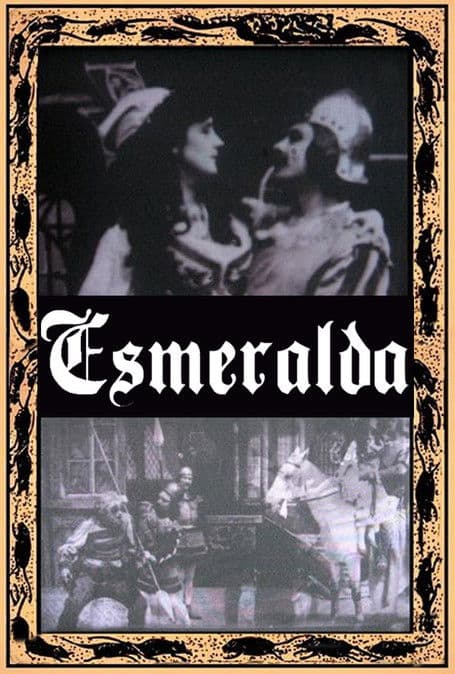
It was the first film version of the Hunchback of Notre Dame.
Dec 1905
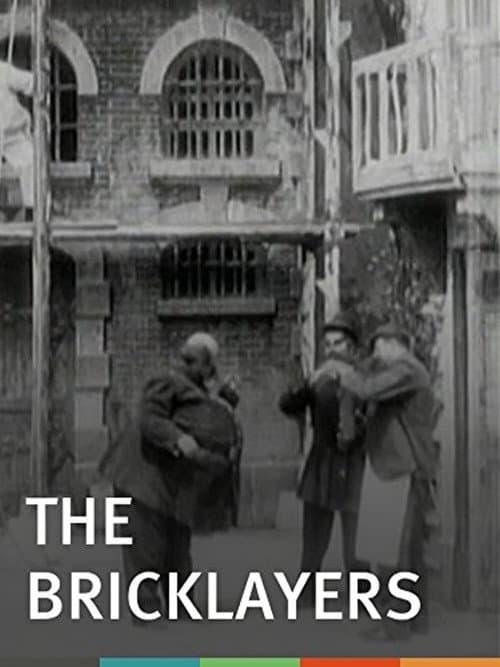
Silent film directed by Georges Demenÿ for Gaumont. An actual remake of the Lumiére brothers' "Démolition d'un mur" (1896).
Jan 1897
Starring 'Les Omers' as a bunch of bricklayers causing trouble for the local cops.
Aug 1905
Some men get into hijinks at a sidewalk cafe. There is no known credited director for this film, although the attribution usually goes for Alice Guy.
Jan 1899
A brief fantasy tale involving a strange fairy who can produce and deliver babies coming out of cabbages. Note: This is a LOST film; the existing film of the same name is the remake from 1900.
Mar 1896
A man dancing at a party finds one of his socks has fallen down. Retreating where no one can see him, he removes the offending item. the consequences are not long in coming in this very short -- two minutes -- comedy from Alice Guy.
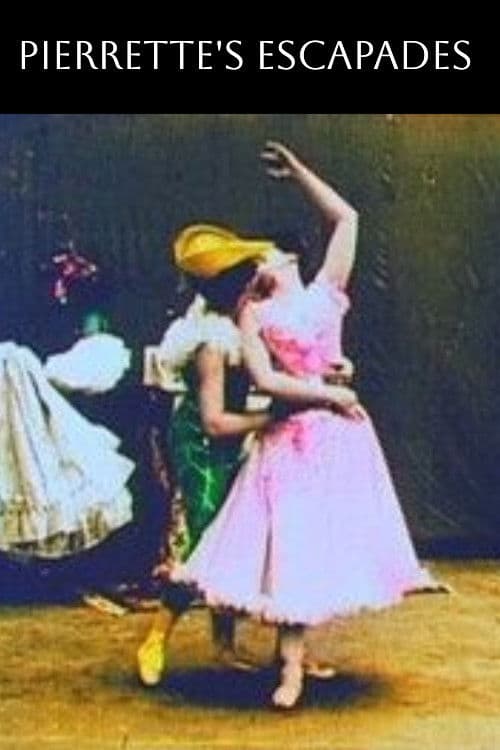
"Les Fredaines de Pierrette" is the collective name of four short films of 20 meters each ("Arrivée de Pierrette et de Pierrot", "Arrivée d'Arlequin", "Suite de la danse", and "Départ d'Arlequin et de Pierrette"), attributed to Alice Guy (although not confirmed in any primary source), in which Columbine resists Pierrette's courting in favor of Harlequin. From July 1901, the series were made available hand-colored.
Jan 1900
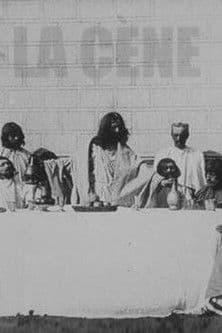
Scene of the last supper.
Nov 1898
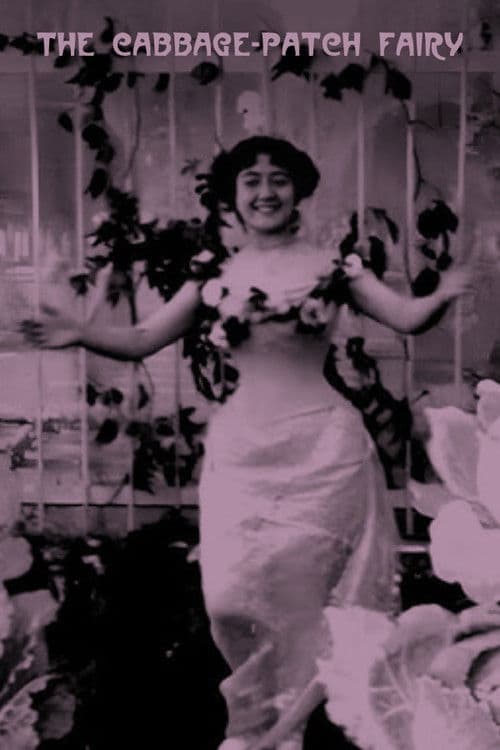
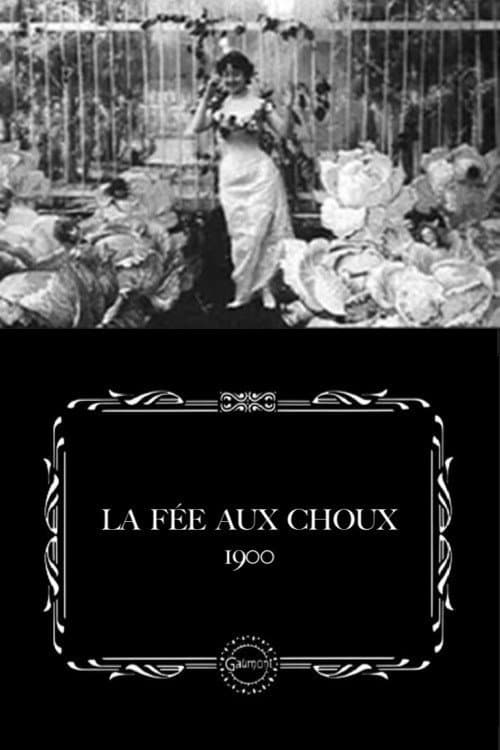
The fairy at a cabbage patch hovers over the babies. This is a remake of Guy's 1896 film on the same subject, this time shot in 35 mm.
In commercial sales catalogs from the Société L. Gaumont et Cie, this film (cataloged under "Vues animées") is credited to the system of Georges Demenÿ. Like many early Gaumont "views," it was filmed as a demonstration of Demenÿ's 60mm (later 58mm) Chronophotographe camera. His name is the only one appearing on legal and technical documentation for this production period.
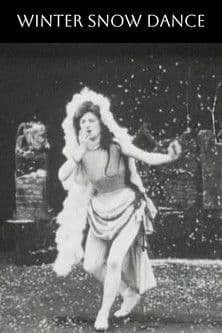
A dancer personifying Winter, dances in the snow. "L'Hiver: Danse de la neige" is the fourth and last film of the series DANSE DES SAISONS. "Le Printemps: Danse des roses", "L'Eté: Danse de la moisson" and "L'Automne: Danse des vendanges" are lost or unlocated.
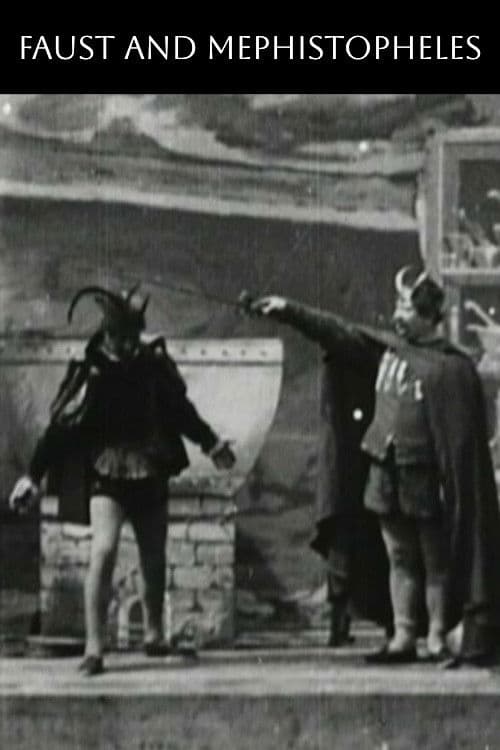
A re-telling of the classic tale of Faust in all of two minutes by French filmmaker Alice Guy.
Jun 1903
A magician transforms a tiny dinner table into a full meal for a homeless man.
Oct 1905
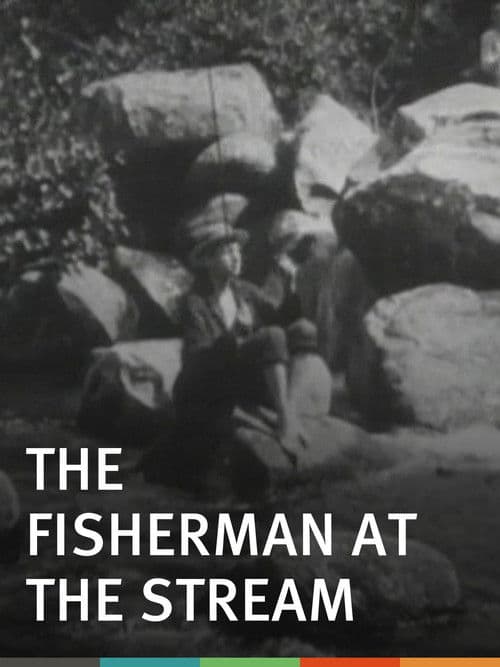
A boy is fishing in a stream when some others see an opportunity for mischief.
Alice Guy directed a now lost phonoscene (film that relied on a chronophone sound recording that the actors in the film lip-synced with) version of Faust in 22 scenes(or short films) totaling 1245 meter of film. What remains are mostly postcards containing images of some of the scenes. The earliest proof of this film dates from 1905, as it was shown in a Phono Chronomegaphone Theatre in Belgium(stating it had 5 acts and 8 tableaux). The captions of the postcards refer to lines taken from the opera libretto by Jules Barbier and Michel Carré for the 1859 Opera by Charles Gounod(which again was loosely based on Goethe's play) which the film was based on.
Jan 1905
A hypnotist tricks his patients. There is no credited director for this film, although three different persons get attributed, Gaston Breteau, Alice Guy or Georges Hatot.
Jan 1898
The main phases in the lives of a young couple, from when they meet and fall in love, until they have seven children, intimately linked to photographic art.
May 1905
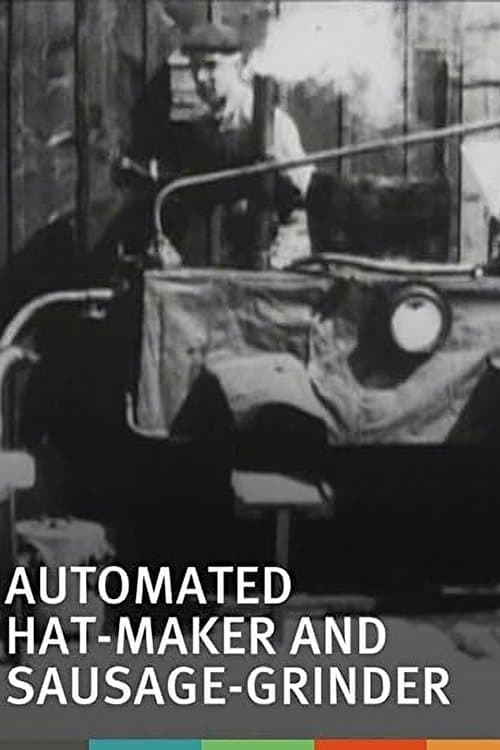
A machine churns out sausages on one side and spits out hats on the other. The director of this film is not credited in any contemporary catalogues or trade publications, or attributed to anyone by scholars or primary sources, however Alice Guy-Blaché is the most probable candidate.
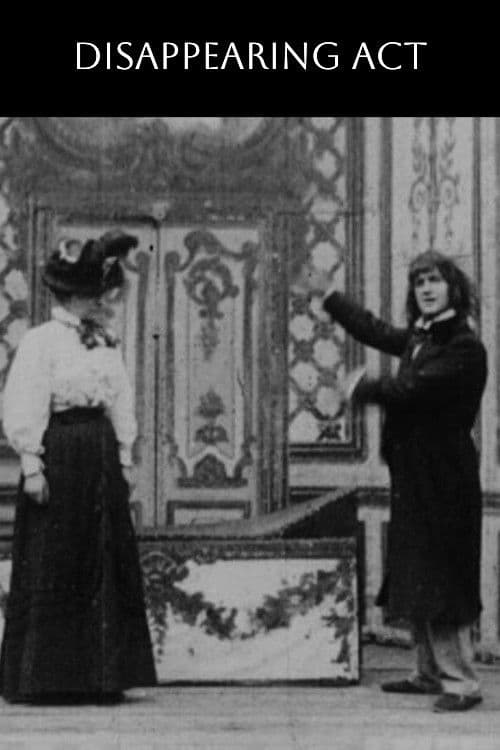
An illusionist makes a woman disappear in thin air. There is no credited director for this film, although three different persons get attributed, Gaston Breteau, Alice Guy or Georges Hatot.
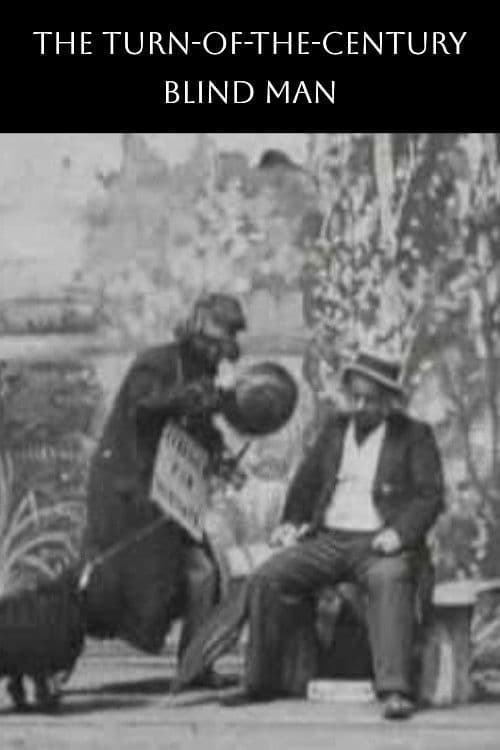
A blind man begging for change tries to outsmart a cop. There is no known director for this film, although it is included in the filmography of Alice Guy-Blaché.