Menu
© 2026 The Couch Critic
Browse 37 movies from National Geographic Television
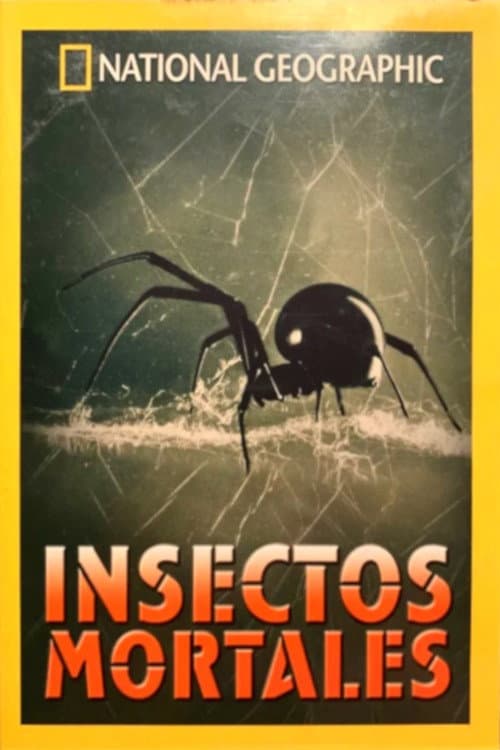
They hide in the darkest, most inaccessible corners, are armed with venomous quills and hooked legs, and possess cunning and effective hunting strategies, worthy of the most fearsome predators. Herpetologist Phil De Vries takes us on a journey to discover some of the most dangerous invertebrates on the planet, from the giant centipede of the Amazon to the deadly Japanese mandarin wasp. But beware: what might seem like a nightmare to us is actually something this eccentric scholar can't get enough of.
Jan 2003
The North American bullfrog is a voracious carnivore with a seemingly insatiable appetite. It devours virtually anything in its path. In times of need, it will even eat its own kind. These frogs were introduced to the western United States in the early 1900s. Today, with few natural enemies, they are devastating the local ecosystem. Thus began the hunt for the bullfrog.
Jan 2000
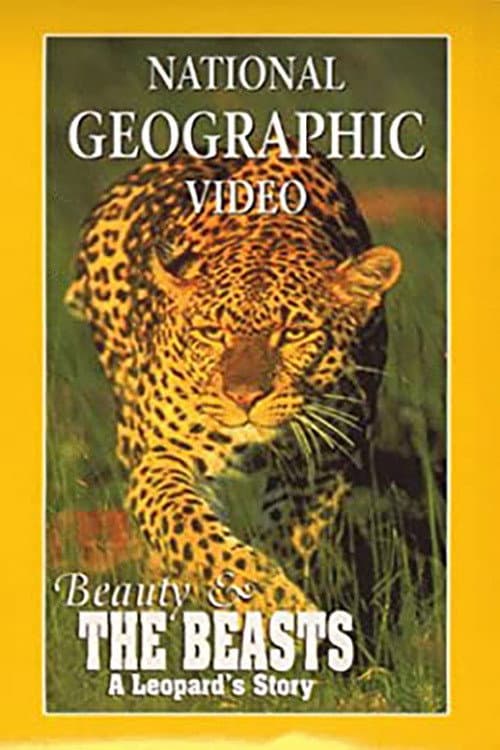
Predator versus prey in a deadly battle on the African plains. Leopard and warthog: Two unlikely creatures linked by fate on the African savanna. One is predator, the other, prey. This intimate film presents remarkable close-up footage of the leopard, perhaps the wildest of the great cats and its odd-looking neighbor, the warthog. Their parallel lives include age-old scenes of mating, birth, and raising young. But when these lives intersect, the outcome is always the same: The formidable leopard outranks the warthog on the food chain. The night is full of other killers on the African plains. Leopard and warthog are just players of an ongoing struggle to survive, played out at the Mala Mala Game Reserve in South Africa. One of nature's most magnificent natural settings sets the stage for the many dramas in BEAUTY AND THE BEASTS: A LEOPARD'S STORY.
May 1995
Featuring the parallel stories of a supersize building project and a jaw-dropping archaeological adventure, Rome Underground takes viewers on an immersive journey deep under the Eternal City — revealing how the construction of a 26-kilometer subway line through Rome has literally unearthed some of the most important discoveries of the modern age.
Dec 2025
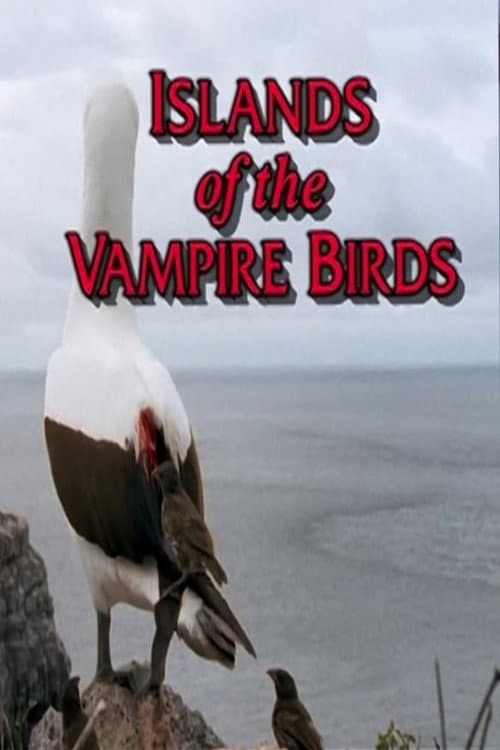
The story of Darwin's finches and their relationship with other creatures of the Galapagos; tracing their evolution, how the islands were formed and how it's main inhabitants got there.
Mar 1999
National Geographic Scientist Uncovers Treasure Trove of Human Fossils That Could Challenge Rules of Human Evolution Tiny Humans Living as Recently as 1,500 Years Ago Could Rewrite the Timeline for Human Evolution.
May 2007
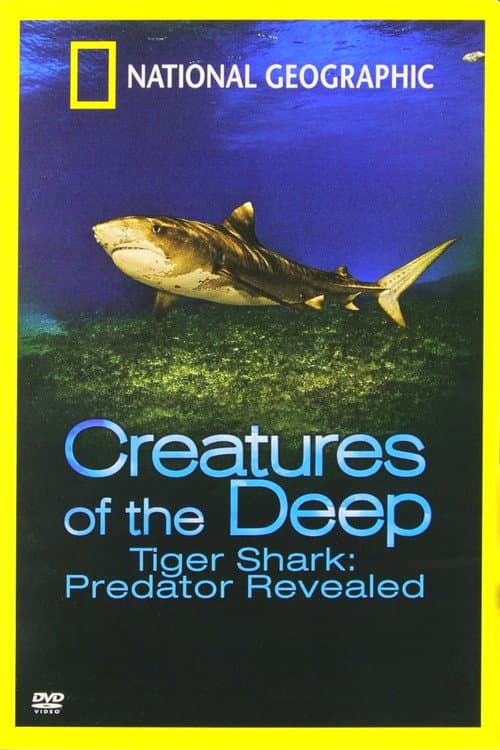
Infamous for its unmistakable stripes and indsicrimate appetite, the tiger shark is one of the most ferocious sharks in the sea. Now, get closer than ever for a most intimate glimpse of this fearsome yet fascinating predator! Includes spectacular shark's-eye view of the underwater action through the lens of National Geographic's revolutionary Crittercam, attached to a free-swimming tiger shark.
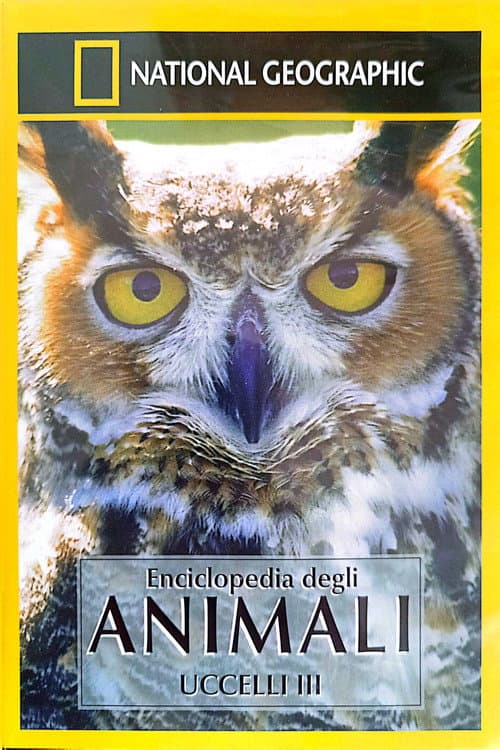
National Geographic Explorer takes an up close look at owls. It follows nature expert Fergus Beeley as he looks into why owls make such ideal nocturnal birds of prey. He also examines the fossil records to reveal that owls have been polishing their predatory skills for over 40 million years.
Jan 2001
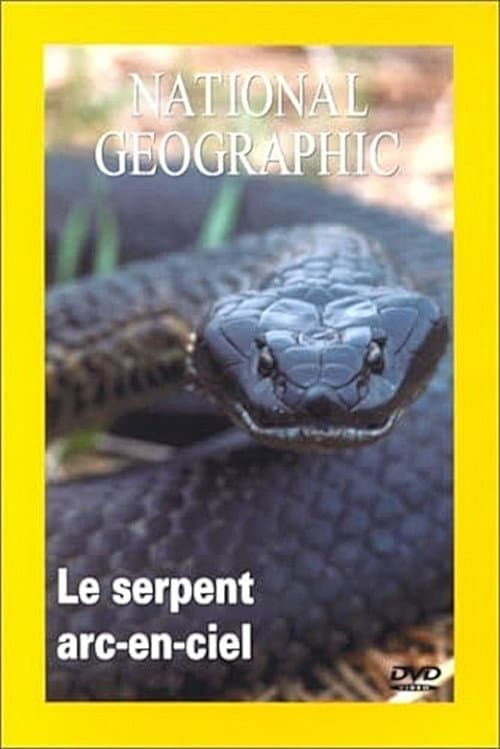
In search of new exotic animals, Professor Bruce Means takes us to Australia to discover its snakes. Australia has ancient species, whose existence is attested to in Aboriginal legends, but Professor Means will show us something completely new: specimens never photographed before and about which very little is known. National Geographic takes you on a journey of discovery of Australian snakes.
Aug 2002
Investigate the rise and fall of one of the world's most mysterious civilizations.
May 2004
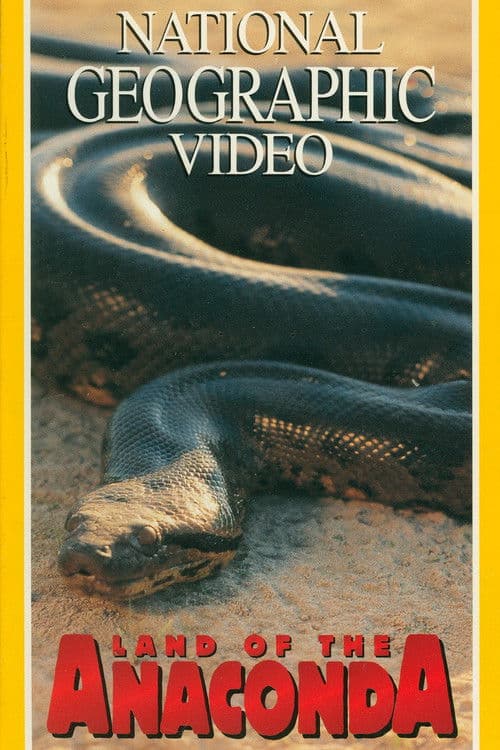
Join barefoot scientist Jesús Rivas in the murky marshes of Venezuela on his quest to understand these huge, fearsome reptiles. Up to 30 feet long, weighing many times more than the scientists studying them, anacondas are difficult subjects at best, but the National Geographic team captures brilliant footage of them swimming, resting, mating, and hunting prey.
Apr 1998
Explorers Meriwether Lewis and William Clark lead a U.S. expedition to the Pacific Ocean and back.
Apr 2002
A small but highly efficient killing machine - a hornet two inches long and with a wingspan up to three inches - lurks in the mountains of Japan. The voracious predator has a quarter-inch stinger that pumps out a dose of venom with an enzyme so strong it can dissolve human tissue. Just one of these hornets can kill 40 European honeybees a minute; a handful of the creatures can slaughter 30,000 European honeybees within hours, leaving a trail of severed insect heads and limbs. Someone who is stung by the hornet and doesn't receive proper treatment soon thereafter can die from the venom, which is powerful enough to disintegrate human flesh. About 40 people die each year after being stung by giant hornets, mainly as a result of an allergic reaction to the venom.
Oct 2004
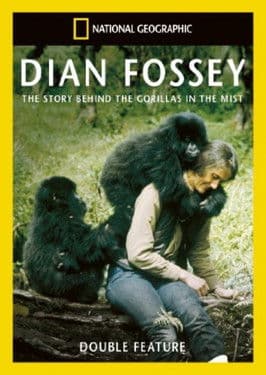
From 1968 to 1972, photographer and filmmaker Bob Campbell documented the activities of Dian Fossey as she developed a cross-species bond with Rwandan mountain gorillas. Campbell shot 70,000 feet of film, but only a fraction of his material was edited into the lecture presentation that preceded Fossey's Gorillas in the Mist. This program compiles highlights from the previously unreleased footage, offering an unforgettable glimpse into the gorilla community and Fossey's relationship with it. Her methods may not entirely jibe with those of modern conservationists, but there is no denying the profound impact of her work on current research and eco-activism.
May 2002
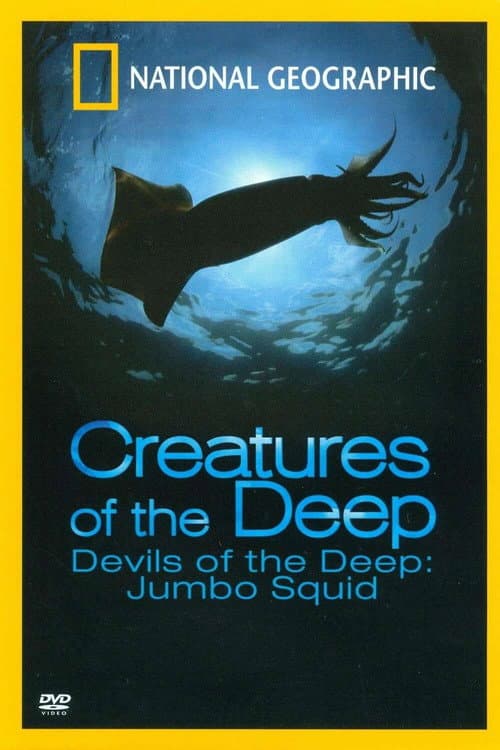
In the deep waters of Mexico's Gulf of California, large and ravenous predators are congregating and local fishermen fear them more than sharks.
Jul 2003
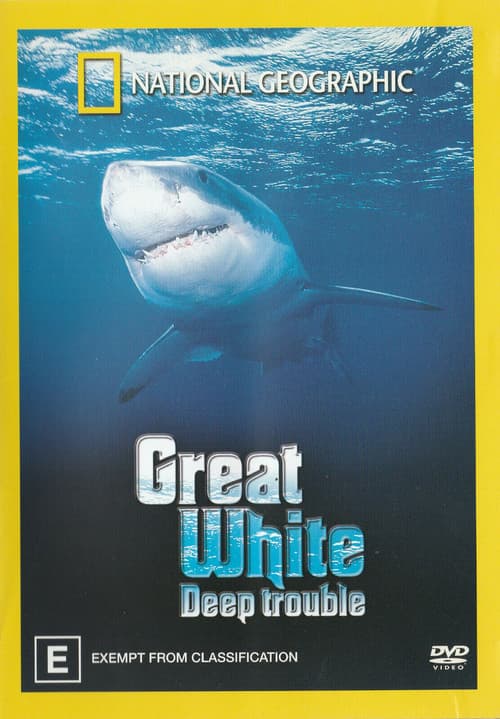
Mythic, monstrous...misunderstood. Now on the 25th anniversary of the hit film Jaws, National Geographic embarks on a voyage of breakthrough discoveries that will alter our view of the infamous creature once labeled "the perfect killing machine." Join the ultimate great white shark expedition, featuring Jaws creator Peter Benchley, famed underwater photographer David Doubilet and attack survivor turned shark advocate Rodney Fox. Witness great footage of never-before-seen shark behaviours. With cinematography that takes you literally into the gaping mouth of this fearsome killer, it's surprising new look at one of the largest, most fascinating predators ever to swim the seas-or haunt our imaginations.
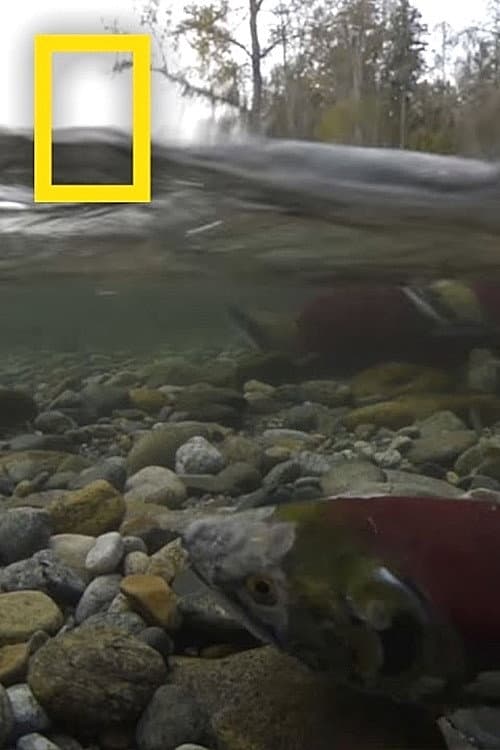
From the moment they emerge, in the rivers of Alaska, salmon begin a lifelong journey. Their instincts lead them to follow the rivers, to the sea, and back to the waters where they were born to lay new eggs and die within about five years. A long, arduous journey, fraught with dangers, obstacles, and enemies to face. National Geographic guides us on this little odyssey.
Sep 1998
Husband and wife team Phil and Lynne Richardson live at a water hole with lions, elephants, and baboons in the African bush of northern Zimbabwe's Zambezi Valley. Video technologies like miniature infrared cameras and lenses for nighttime vision help them capture natural behavior without interfering with the wildlife
Apr 2004
Many know that islands of the Caribbean sea are places of surprising beauty. But not it is common knowledge that deeply under water among coral reefs that surround islands, the enormous reign of the rarest stationed oneself, on anything not alike creatures
Apr 1994
The murky waters of the Yellowstone serve as the backdrop for the adventurous survival of the brown trout, Oncorhynchus clarki. Every year, these trout swim upstream to spawn, but their journey is hindered by a thousand dangers. Attacked from the air, on land, and in the water, these defenseless prey seek to return to their birthplace.
Jan 1998