Menu
© 2026 The Couch Critic
Browse 30 movies from Eesti Telefilm
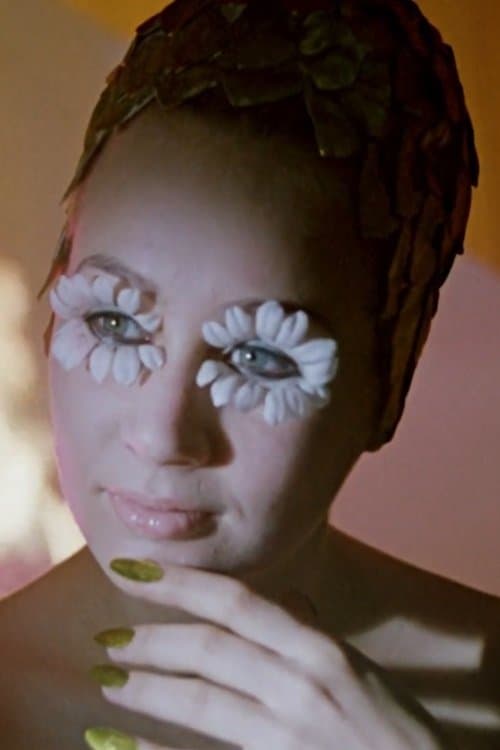
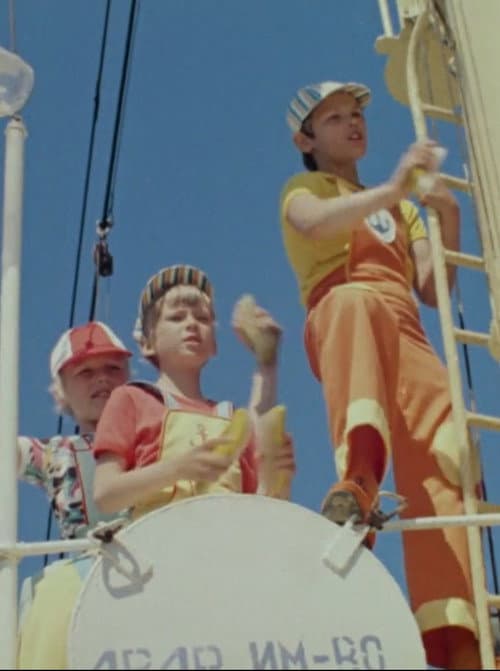
An entertaining musical film, where a bright and colorful story presents a humorous, sometimes satirical modern struggle between good and evil.
Jun 1971
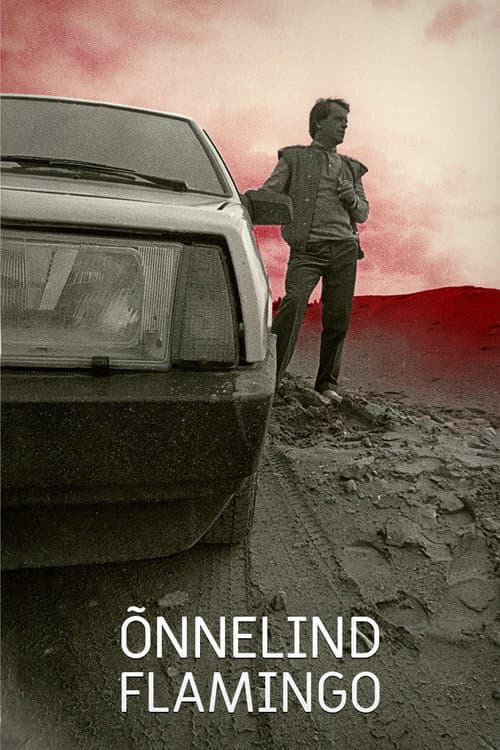
A teenage boy named Vahur, who is from a seemingly upstanding family, becomes an accomplice to the vicious assault on an elderly man. Through a look into the boy's childhood and family, this film raises the question of how to become and remain a decent human being in the schizophrenic Soviet society where everyone was equal, but some were more equal than others.
Dec 1986
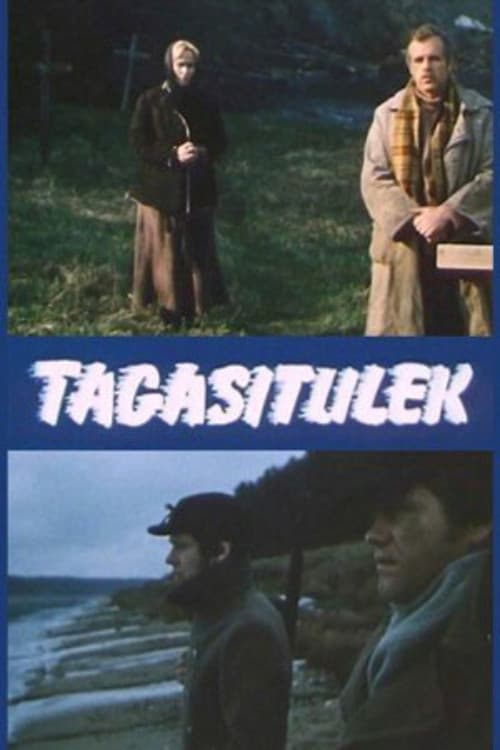
The First World War is over. A young soldier, having endured all its horrors, returns home to his mother, who has been anxiously awaiting his arrival. But the homecoming is far from joyful. The atmosphere of war has left fatal scars on the minds and souls of those who lived through it...
Feb 1976
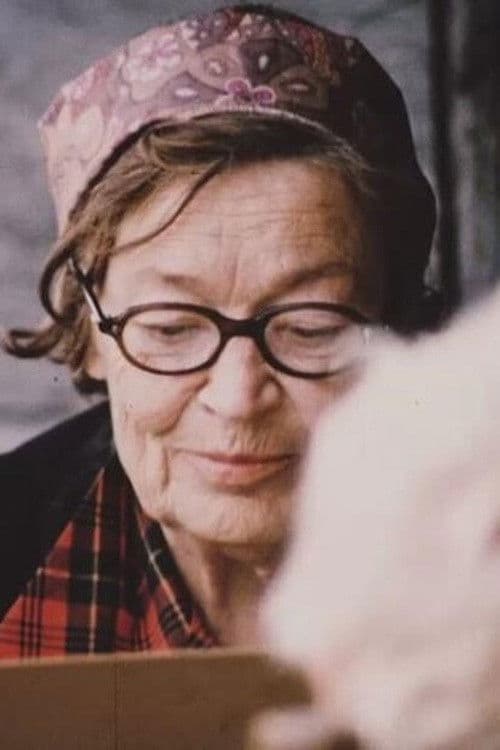
The story of two artists - Aino Bach and Kaarel Liimand, creative and life partners. The film began with material captured for "Maised ihad". Moments from the life of one of our most famous graphic artists Aino Bach were filmed by Mark Soosaar between 1975 and 1978.
Oct 1978
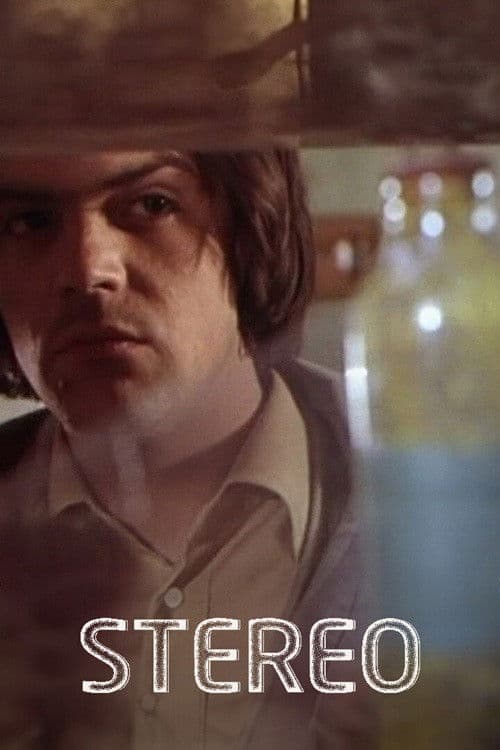
A young veterinarian arrives from the city for his first job at a sovkhoz. The cheerful hippie-like young man clashes with the locals who take him as a stranger. The film is a combination of somber naturalism, lyricism, a dash of naive sentimentality and a deep sense of sovkhoz life in the early 1970s. Based on Riho Mesilane's short story "The Veterinarian's First Week". As Mesilane fled to Vienna at the end of the filming, the film was banned and released 13 years after its completion in autumn 1991.
Jan 1978
Documentary about the jazz festival held in Tallinn, Estonia in the spring of 1967. Numerous musicians and music collectives from both Soviet Union and abroad took part in the festival. Arrival and reception of the festival guests. Concerts in Kalev Sports Hall, among the performers there are vocal instrumental group led by G. Zarh, G.Tšoheli, music group "Crescendo", dixieland jazz group from Leningrad and many others.
Dec 1967
Selection of musical numbers from the feature film "Jõmm", packaged separately into a musical short film.
Jan 1975
The shortage or excess of water is one of the farmer’s main concerns, and solving this problem is the task undertaken by Vello Ott.
Feb 1973
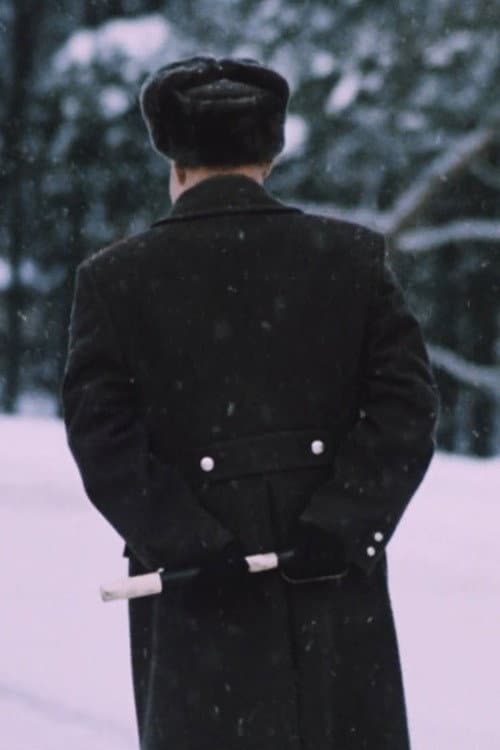
Ants Tosin, a police major with thirty years of experience, has served as the Aegviidu district inspector for the last 15 years. The film shows the everyday police work in a small town, giving a poetic portrait of Ants Tosin.
Jun 1985
How does the Tallinn old town look to a wanderer who has strayed off the main street and is discovering the courtyards on his own? Is it still the same city?
Dec 1988
Documentary presents the archievements of the Soviet Estonia in various fields of economy and science, education and culture. The lifestyle of the era is expressed through the portraits of the front-rank workers and a big family.
Nov 1972
Film portrait of actor Endel Pärn (1914-1990). Pärn has said that theatre is a very simple thing. "You just have to learn the words by heart, then face the audience and say them out loud. And you don’t need to look at the clock. You can see from the audience’s faces when it’s time to stop."
May 1984
Spring has turned into autumn, and the beauty and yield of the garden have changed.
Feb 1982
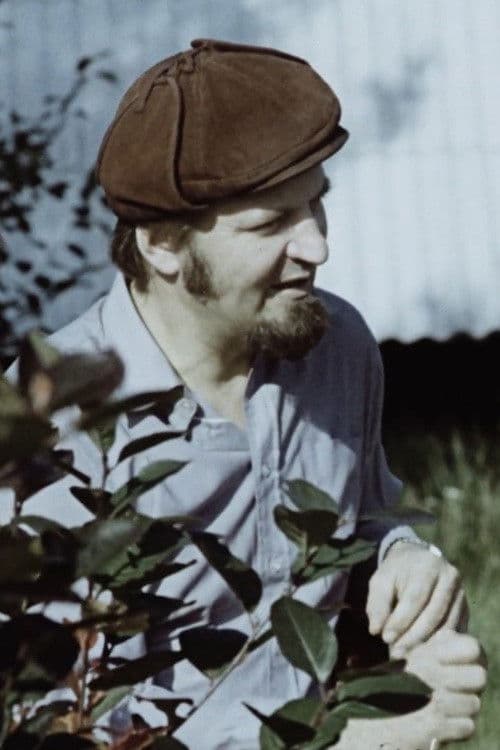
Gardener Arnold Treumuth's life in the summertime expresses the ups and downs of amateur gardeners during the 1970s in Estonia. The documentary is a continuation to Vello Aruoja's documentary "Gardener's Spring".
Nov 1980
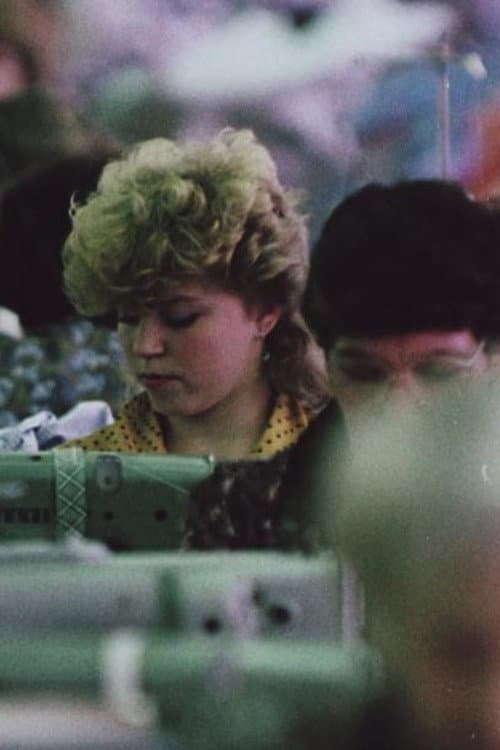
The film introduces the V.Klementi Sewing Factory and tells the story of its youngest employees, 15-16-year-old girls who are still looking for their place in life.
Oct 1984
A documentary about the new Soviet tradition in the Republic of Soviet Estonia in 1960s - the youth summer festival where the 18-year-old young people celebrated becoming an adult. The filmmakers went to the 7th national youth summer festival in Saaremaa island where 18-year-old young people gathered. The festival included going to exhibitions and hiking, helping with haymaking in collective farms, commemoration of the Soviet military heros and many other events. The documentary's forwards the main idea that young people will be the next valuable generation. Voiceover by Heino Mandri.
Aug 1964
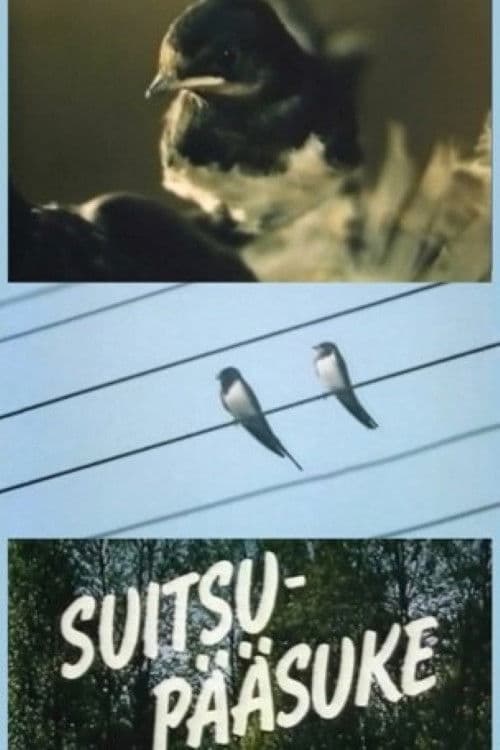
The author Rain Maran introduces us to the national symbol of the country, the village swallow, as well as to the urban swallow and the coastal swallow, or shorebird. The music for the film was written by Urmas Sizask.
Dec 1990
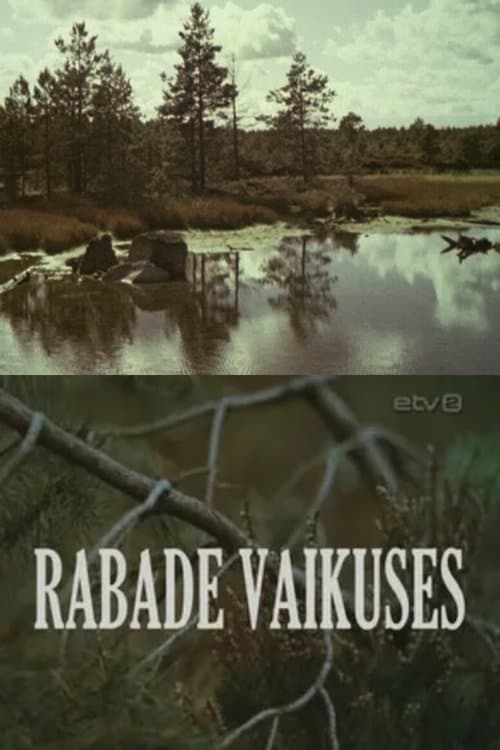
Estonian primitive and untouched bogs and folk songs. Composer Lepo Sumera, singer Anne Maasik.
Jul 1976
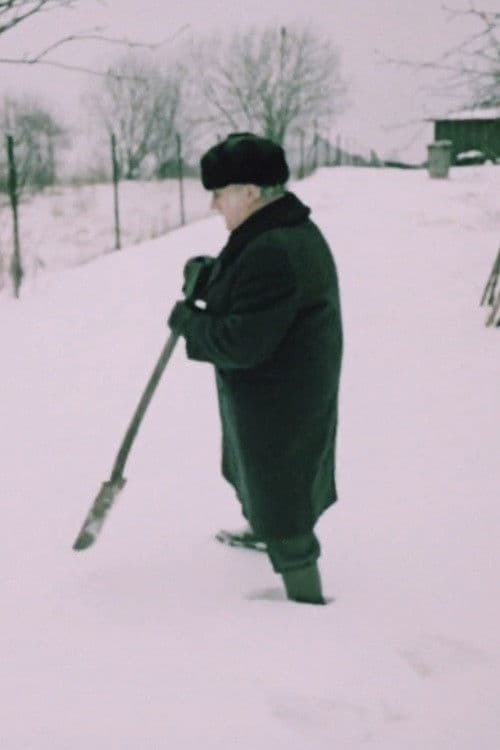
A gardener won't rest even when the snow covers the ground and there are frozen flowers on the window glass. Now it is time to take part in the meetings and lectures held by the gardening cooperative as well as purchase new tools for the upcoming season. And of course one has to keep checking the gardening patch. Winter is an important time for a gardener to prepare for spring. The film serves as a continuation to TV films "Gardener's Spring", "Gardener's Summer" and "Gardener's Autumn".
Sep 1983
A film about the fight against alcoholism. Alternative values, healthy attitudes and good habits are discussed by the panel of Jaak Allik, Anti Liiv, Ülo Tuulik and Vello Pohla.
Jul 1986