Menu
© 2026 The Couch Critic
Browse 5 movies from Europejskie Centrum Solidarności
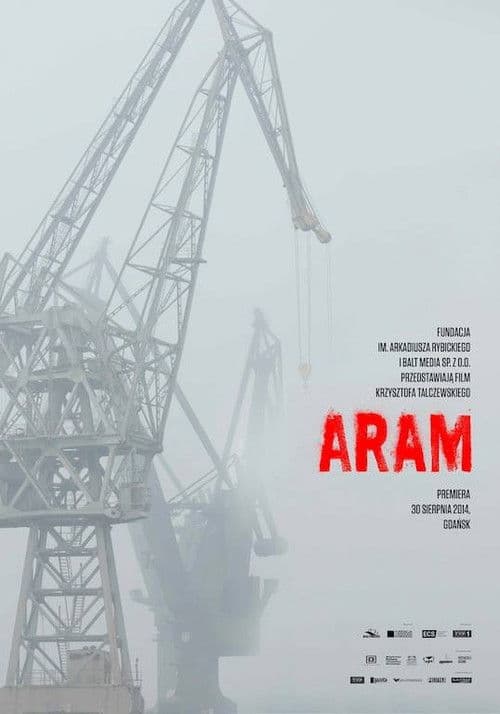
Aram is the pseudonym of Arkadiusz Rybicki, politician, social activist, MP. On April 10, 2010, he died in Smolensk, on his way to the 70th anniversary of the Katyn massacre. He was 57 at the time. 40 years earlier, in the Gdańsk Shipyard, he made the inscription "We will not forget Katyn". Already at the age of seventeen, he started opposition activities. From 1979 he was associated with the Young Poland Movement, he edited the "Bratniak" magazine. In August 1980, he collaborated with the striking workers of the Coast, wrote down 21 demands of the Inter-Enterprise Strike Committee. After that memorable August, he became involved in the activities of the Solidarity Trade Union. He was interned during martial law. In the second half of the 1980s, he started working in the secretariat of Lech Wałęsa, in the late 1990s he became deputy minister of culture, and then a member of the Sejm on behalf of the Civic Platform.
Aug 2014
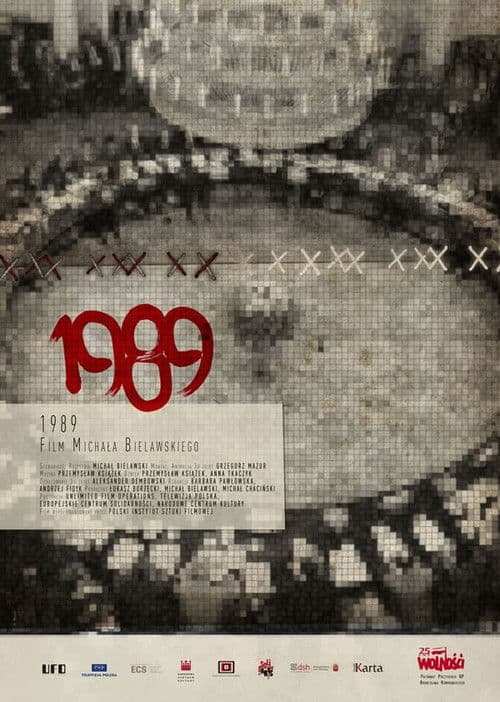
Such changes took place in Poland over a period of several months - from the end of 1988 to the end of January 1990? Michał Bielawski, through the prism of official and underground archives, shows the then state of mind of Poles, their fears, hopes and reflections. Film materials from the 1988-1990 period are in harmony with the photographs and diaries written by Poles at that time, as well as with the messages about the changes taking place. We observe the most important political, social and moral events of that period, confronted or reinforced by the comments of their active observers: ordinary people, politicians of the government camp and oppositionists.
May 2019
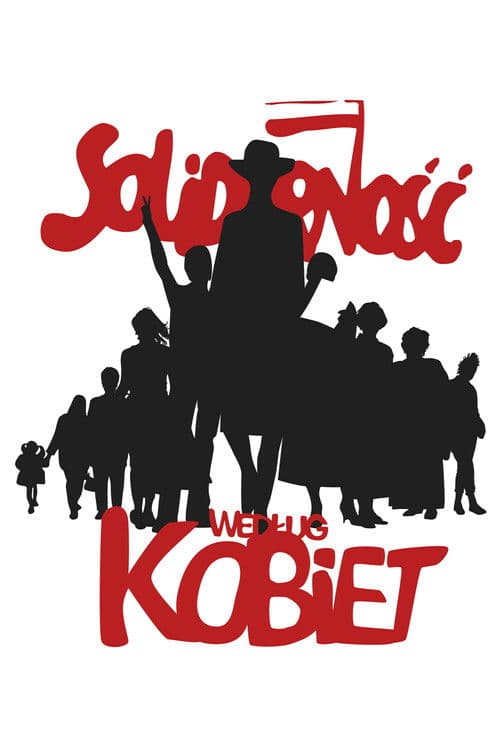
It was women who closed the gates and launched the Solidarity strike when, on a Saturday in August 1980, workers, satisfied with a raise, stopped their protest and wanted to leave the Gdansk shipyard. If it had not been for the initiative of several determined women, perhaps there would not have been any August 1980 in Polish history. Under martial law, with the men in prisons, the women took on their role. They were not interested neither in joining the union’s power structure, nor in particular posts. The most important thing was their work and its results. When communism in Poland came to an end on June 4, 1989, the vast majority of women in Solidarity disappeared from the political stage. They let themselves be forgotten when their colleagues were taking over the most important posts in power in a free Poland. This documentary by Marta Dzido and Piotr Śliwowski reminds us about these forgotten heroines, giving us a new perspective on the last 30 years of Polish history.
Dec 2014
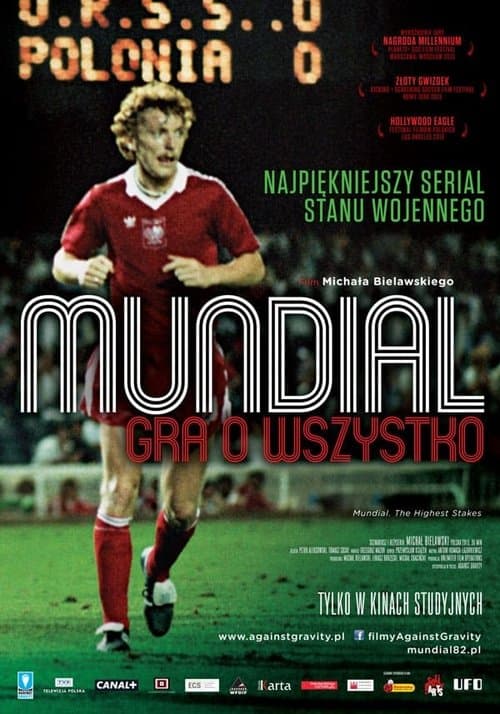
A documentary tale about sport and politics under martial law. All of Poland saw the great goals of Boniek and Smolarek during the Espana '82 championships. For a moment, it was forgotten that the background of the sporting performance was martial law, censorship, an army on the streets, prisons filled with oppositionists. The performance of the players was so successful that it was called "the most beautiful series of martial law". The game is watched by interned activists of "Solidarity", sports journalists and censors, cutting out all manifestations of the opposition from television broadcasts. We also get to know the performance in Spain from the perspective of the players, trying to meet not only their ambitions but also to bear the burden of fans' expectations and regime propaganda.
May 2014
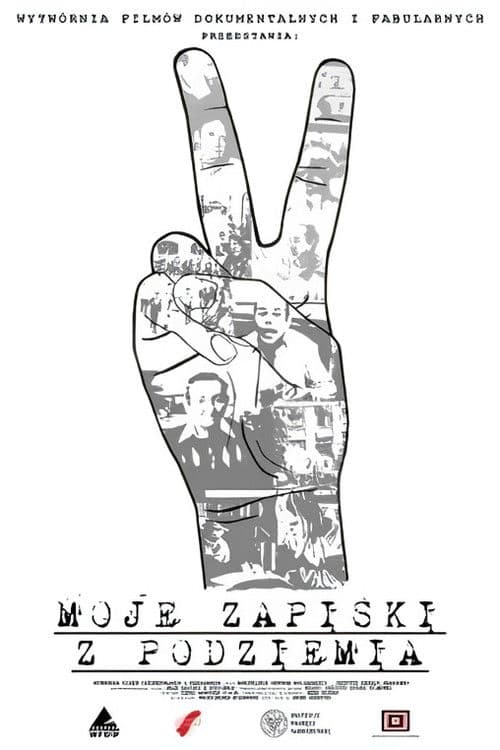
The document consists of recordings collected in the years 1982-1987 by an informal group that included Jacek Petrycki, Bohdan Kosiński and Marcel Łoziński. The film reveals the backstage of the activities of the anti-communist underground, shows the everyday life of hiding oppositionists and the Polish reality of the 1980s.
Dec 2011