Browse 23 movies from Church of Scientology
A dramatic reading of L. Ron Hubbard's essay "My Philosophy," accompanied by a photo montage.
Jan 1987
Presumably a training film for Volunteer Ministers on Scientology Assists such as the Touch assist. Not to be confused with the 1995 film with the same name, which is believed to be a remake of this one.
Jan 1989
A training film for Volunteer Ministers on Scientology Assists such as the Touch assist. The film's tagline is "Would you know what to do?" It is unclear what the difference is between this film and the one of the same name released in 1989.
Jan 1995
Based on L. Ron Hubbard's 1950 book of the same name, this film can be presumed to be about the Dianetics related concepts, such as that of the reactive mind.
Jan 1988
An introduction and overview to Scientology.
Mar 1996
Life is composed of seven-tenths work, one-tenth familial, one-tenth political and one-tenth relaxation. Here, the, is Scientology applied to that crucial seven-tenths of existence. Based on L. Ron Hubbard's book, The Problems of Work: Scientology Applied to the Workaday World, here is a visual presentation of the landmark discoveries contained in the book for immediate application. The Problems of Work contains the senior principles and laws which applie to every endeavor, every problem of work. For they are the discoveries which lay beare the core of these problems and explain the very fabric of life itself. Contained within this film is not only technology to bring stability to the workplace, but the magic processes to return joy itself to all of life. For this is Scientology.
Jan 2010
A highly dramatic retelling of how Hubbard developed Dianetics. The actor playing Hubbard never shows his face, filmed only with his back to the camera, and never speaks a word of dialogue.
May 1987
A marriage-counseling film shown in Scientology facilities. Created by Golden Era Productions.
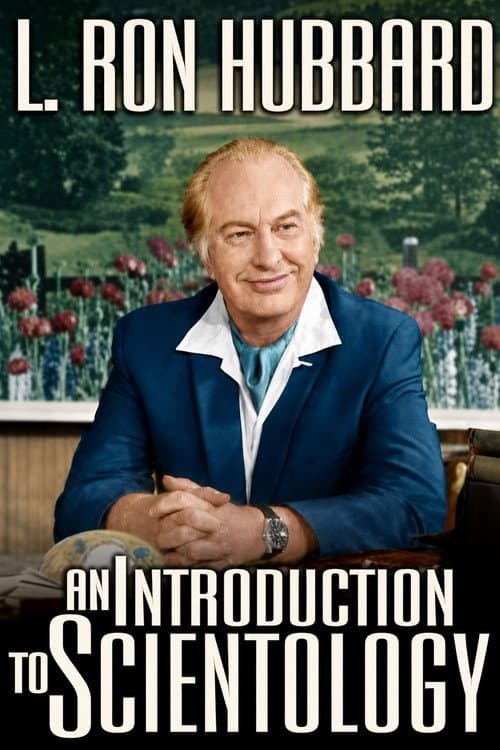
A 1966 interview with L. Ron Hubbard about his creation, Scientology. Filmed in Salisbury, Rhodesia (now Zimbabwe), An Introduction to Scientology is the only televised interview given by L. Ron Hubbard. In this interview, LRH explains the history of Scientology, its status as a religion and its benefits on human society.
Jan 1984
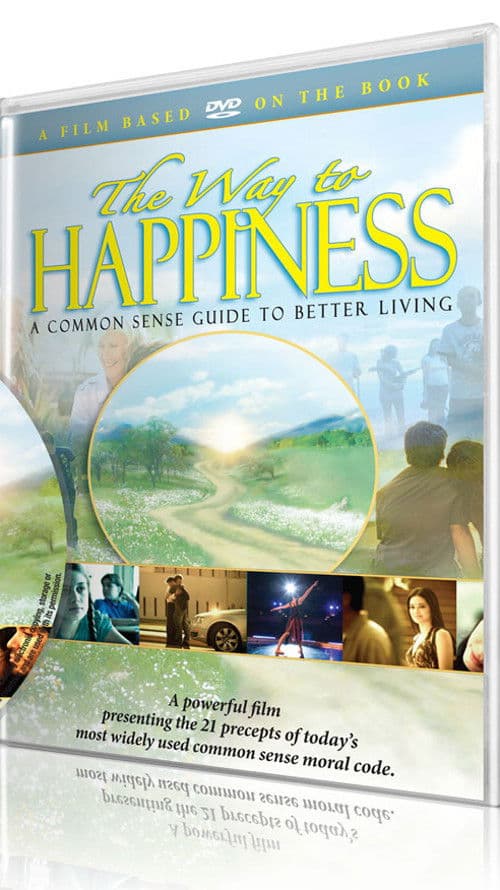
Using the unabridged and complete text, exactly as written by L. Ron Hubbard, The Way to Happiness book-on-film follows the printed book chapter by chapter, precept by precept. The interweaving stories of a cast of characters illustrate each concept contained in the book. It's a 2-hour feature film containing 23 segments covering each principle of The Way to Happiness, vividly enacted and illustrated. The film educates with effectiveness and ease and so brings these precepts home to anyone. The two-hour book-on-film, produced by the Church of Scientology at Golden Era Productions, its film studio in Southern California, is available on DVD in English and 15 other languages. The DVD has been placed in more than 86,000 school, public, national and academic libraries around the world. Educators, parents, community and religious leaders, law enforcement officers and many others use The Way to Happiness book-on-film in their programs.
Jan 2009
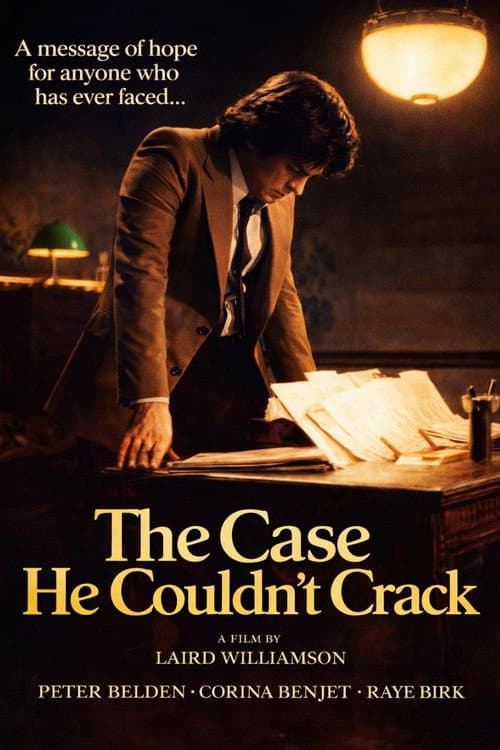
Procedural crime thriller written and directed by renowned author and Scientology founder L. Ron Hubbard.
Sep 1981
L. Ron Hubbard, the founder of Scientology, explains the beginning principles and concepts of the religion in the form of a life improvement presentation with "The Bridge". Filmed in September 1965, according to the opening.
Dec 1977
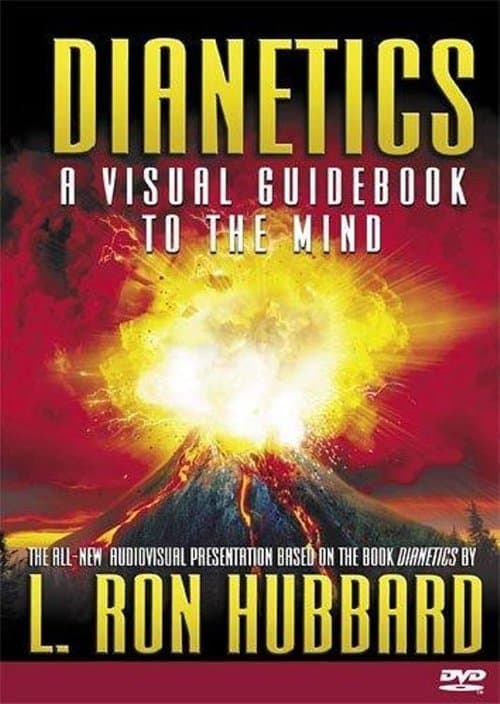
With this accessible introduction to the work of Scientology founder L. Ron Hubbard, viewers can gain insight into the methods employed by the church's followers to reduce stress, ease anxiety and increase happiness. Based on the writings of Hubbard's popular book Dianetics, this presentation details the step-by-step process the author created to help practitioners gain control over their thoughts and actions.
Jan 1992
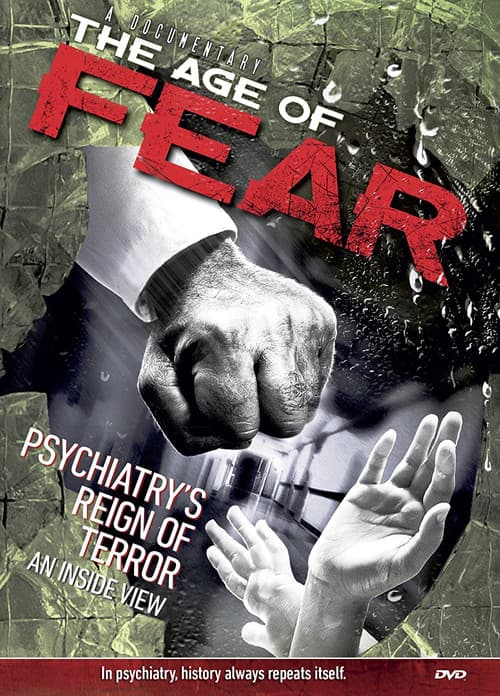
From instilling fear in asylum inmates with brutal treatments, to the modern application of restraint, senseless drugging and electroshock, psychiatrists have a long and hidden history of force, intimidation and outright terror. This is where Germany enters the picture, for it was here that psychiatry was born, here where psychiatry was nurtured and grew, and here where psychiatry would commit one of the world's most horrific atrocities.
Jan 2012
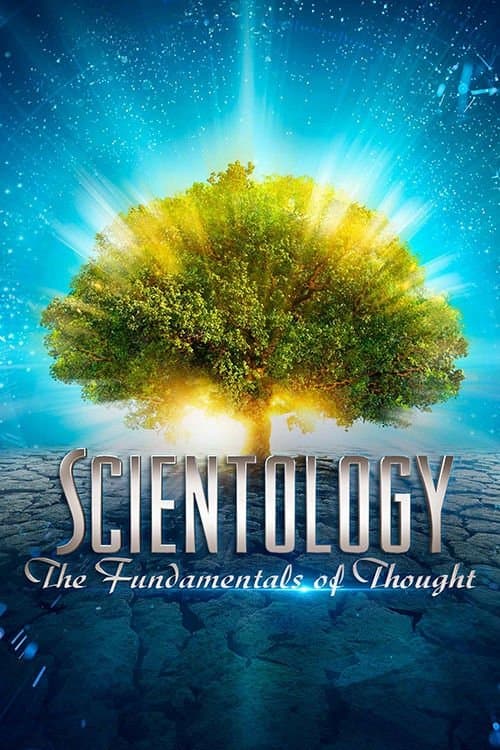
In this groundbreaking book-on-film, Scientology: The Fundamentals of Thought, the focus is on the tools of life – the basic processes and principles that define the primary architecture of how life works. Discover all life has to offer by achieving a complete understanding of the mind and spirit. Recognize what motivates your actions and the actions of others, with the ultimate goal of unblocking the barriers of the extraordinary potential you have locked inside yourself.
Nov 2012
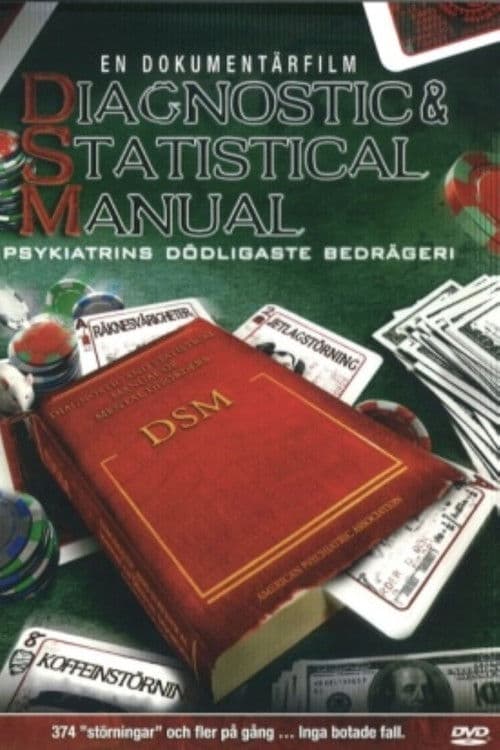
The documentary Psychiatry’s Deadliest Scam critiques the DSM, psychiatry’s diagnostic manual, for labeling normal behaviors as mental illnesses. It argues that the DSM lacks scientific basis and fuels a massive industry built on overdiagnosis and overmedication. Through interviews and analysis, it claims this practice jeopardizes civil liberties and ethical treatment.
Oct 2011
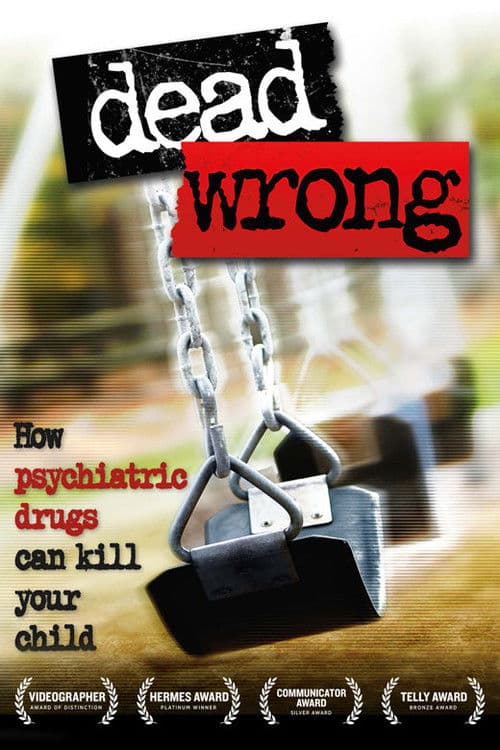
This is a real-life story about a Mother who lost her son to the dangers of psychotropic drugs that were prescribed to him by a general physician. In her quest to find the answers to what she could've done differently, she discovers the truth about psychiatric drugs. She then decides to do something about it.
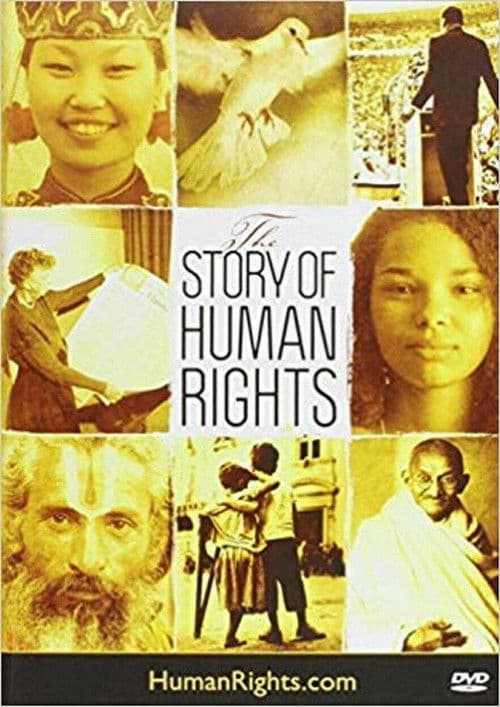
This striking short film defines—simply and concisely—one of the world’s most misunderstood subjects: human rights. The informative and dramatic presentation shows the history of human rights from its origins in ancient times to the present-day Universal Declaration of Human Rights. Here are all thirty of the human rights, the basic rights and freedoms to which all human beings are entitled, including the right to life and liberty, freedom of thought and expression, and equality before the law.
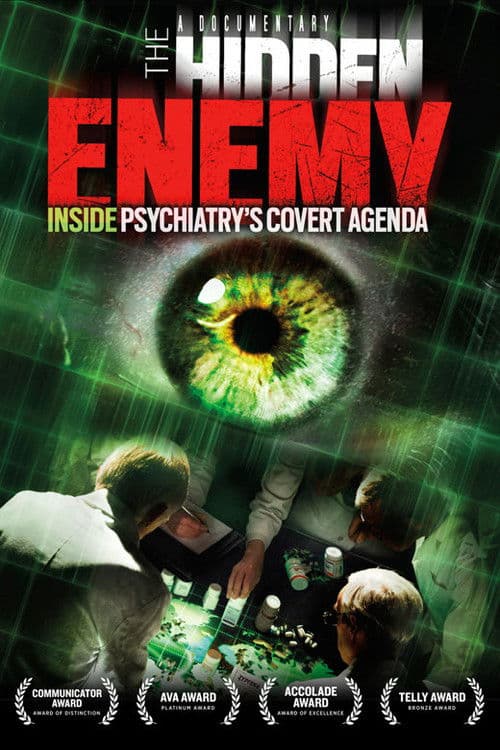
Today, with militaries of the world awash in psychiatry and psychiatric drugs, 23 soldiers and veterans are committing suicide everyday. Psychiatrists say we need more psychiatry. But should we trust them? Or is psychiatry the hidden enemy? Featuring interviews with over 80 soldiers and experts, this penetrating documentary shatters the facade to reveal the real culprit who are destroying our world's militaries from within. The most dangerous enemy is the one you never suspect...
Jan 2013