Browse 11 movies from The Kyiv Independent
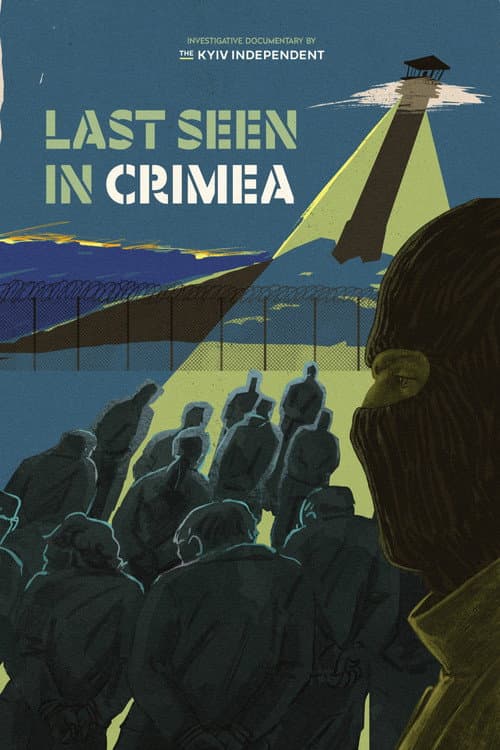
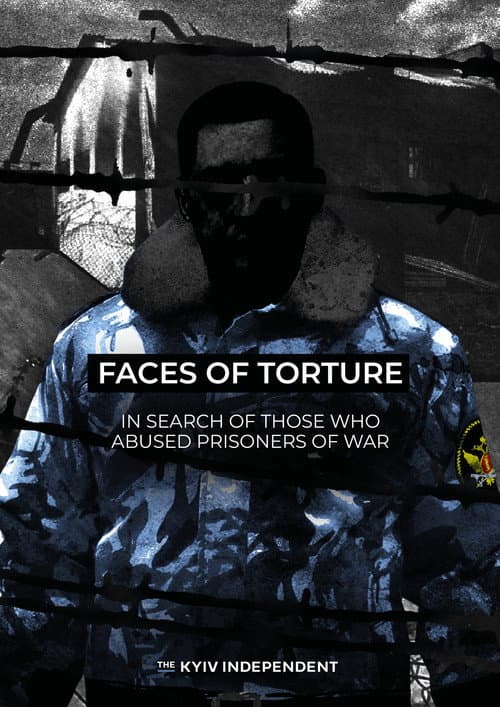
Crimea, Ukraine's southernmost peninsula, was once known for its idyllic nature, warm climate, resorts, and rich Crimean Tatar culture. Since its illegal annexation in 2014, Russia has turned it into a modern-day Gulag where thousands of Ukrainian civilians are held in secret prisons in which Russian special services refine their skills of oppression. Through firsthand accounts from survivors, leaked databases, and months of OSINT work, the film uncovers the network of FSB-run detention sites and names the officials responsible for running them.
Sep 2026
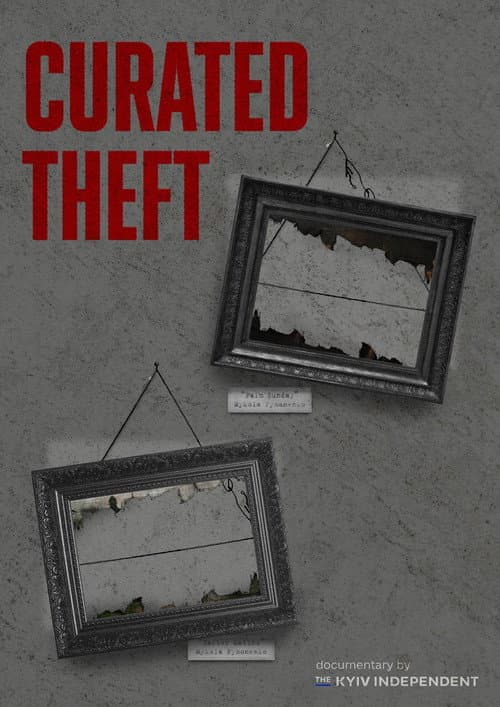
Russian forces looted two museums in Kherson in the fall of 2022 — the Art Museum and the Museum of Local History. As the Russian army retreated amid the Ukrainian counteroffensive, it seized over 33,000 pieces of art and historical artifacts, including Scythian, Gothic, and Sarmatian gold. This heist became the largest in Europe since World War II.
Jan 2025
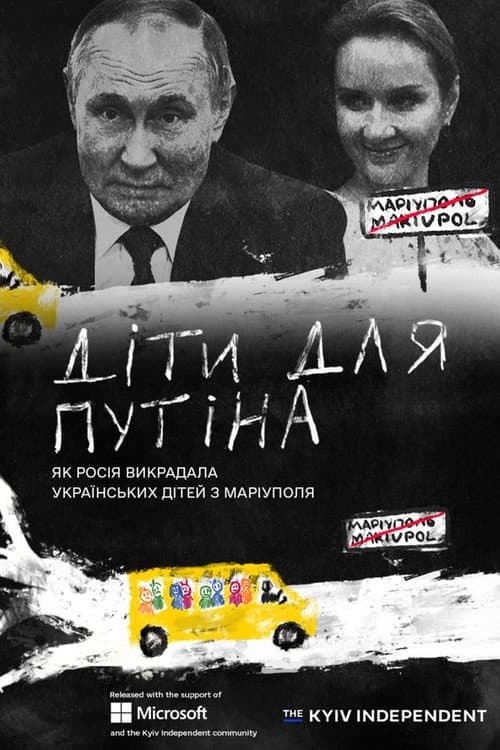
Journalists from The Kyiv Independent conducted an investigation and spoke with relatives and guardians whose children were on the verge of being sent to Russia. Bypassing the front line, their loved ones traveled through several European countries to Donetsk to pick up their children and prevent them from being transferred to Russian families. The journalists also identified a group of children who were deported to Russia last spring under the guise of a health retreat at the Polyany resort. They were promised to be returned in a month, but instead were placed in the care of Russian families. Ukrainian collaborators who remained working on the Russian side in 2014 were involved in the deportation of this group of children.
Jul 2023
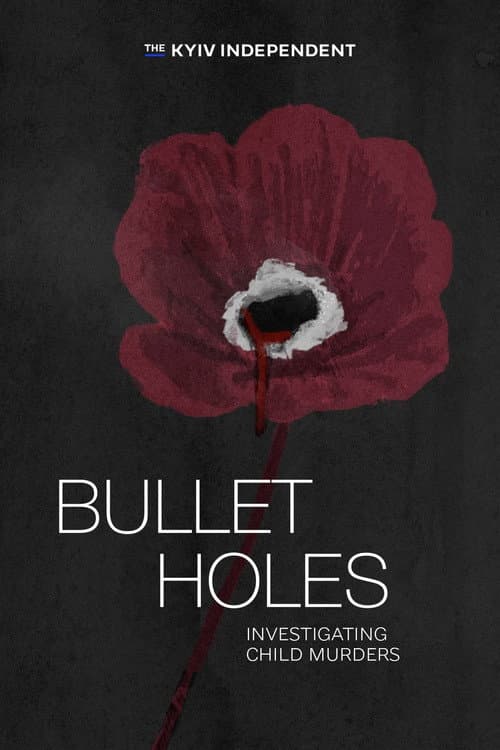
The Russian military has already killed more than 500 Ukrainian children during its full-scale invasion of Ukraine. Dozens of them were shot at close range with small arms. Among them were 10-year-old Kateryna Vinarska in Kharkiv region, 12-year-old Vladyslav Mahdyk in Kyiv region, and 15-year-old Mykhailo Ustianivsky in Kherson region. The Kyiv Independent's findings point to the systemic and deliberate nature of child murders by the Russian military in Ukraine. Our in-depth investigation allowed us not only to establish clear circumstances of the murders but also, in one instance, to identify those responsible for the killing of a child.
Sep 2023
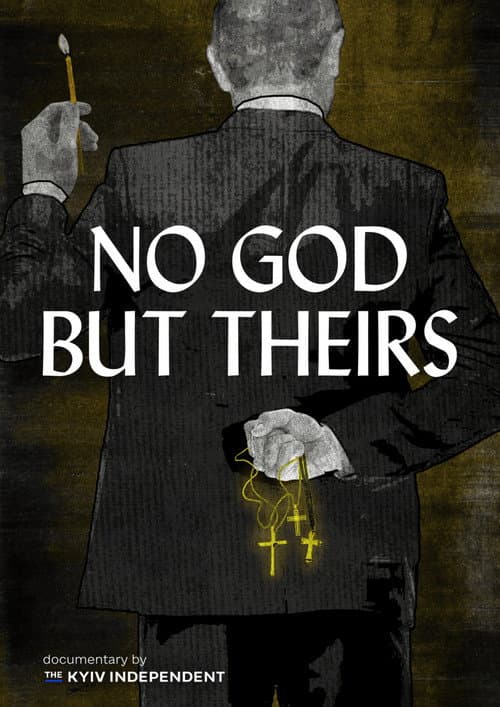
Melitopol, a city in Ukraine's southern Zaporizhzhia Oblast, has traditionally been a hub of religious and cultural diversity. Numerous Christian churches operated there, not only coexisting but also effectively collaborating with one another. Among them, Protestant churches were some of the most active and influential. Immediately following the start of Russia's occupation of Melitopol and the wider region in 2022, local Christians faced repression. Clergy were subjected to searches and interrogations by Russian forces. Eventually, several churches were banned and stripped of all property, including their buildings. Priests were either officially deported or forced to flee under threat, with Russian propaganda often accusing them of stockpiling weapons and ammunition. Believers were forced to go underground.
May 2025
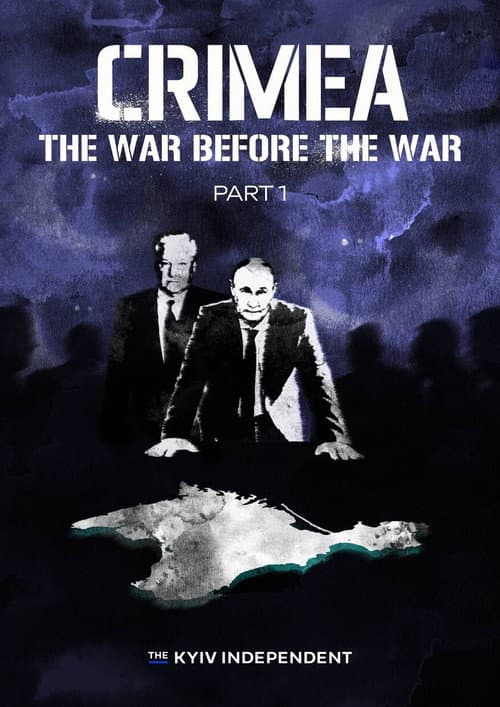
Russia seized Crimea in February–March 2014, shortly after the EuroMaidan Revolution, at a time when Ukrainian President Viktor Yanukovych had fled the country and the new authorities were just beginning to govern. Many believe that Russian President Vladimir Putin took advantage of the moment and annexed the peninsula. But when did Russia actually first attempt to seize Crimea? And why, long before the annexation — while Russian leaders publicly declared friendship with Ukraine and recognized its territorial integrity — were Russian flags already flying in Crimean cities, Russian warships present, festivals celebrating the Russian language held, and Russia's Empress Catherine glorified across the peninsula? All the while, leading Russian politicians were calling on Crimeans to embrace separatism on television.
Jan 2026
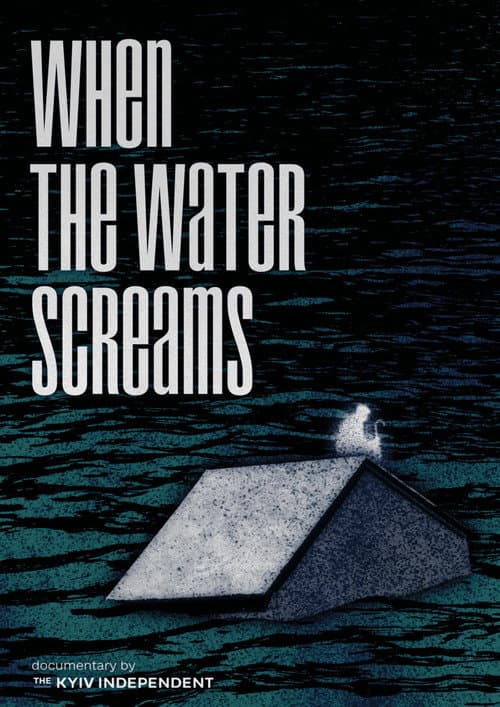
In June 2023, there was an explosion at the Kakhovka Hydroelectric Power Plant. Several pieces of evidence showed that the Russian military, who were in control of the hydroelectric power plant at the time, had blown it up from the inside. The occupied east bank of Kherson Oblast suffered more than the west bank due to its geography, being lower down the river. Dozens of settlements and summer cottages, where thousands of people lived, were submerged in water. Representatives of the Russian occupying forces did not recognize the scale of the disaster and said that there was no need to evacuate civilians.
Feb 2025
Since the beginning of the full-scale invasion, Russia has used the Olenivka prison, located in Russian-occupied Donetsk Oblast, as a camp for prisoners of war and civilian hostages from Mariupol. Thousands of Ukrainians, including servicemen from the Azov Brigade, have been held captive in its cells. Those who returned from captivity spoke about the inhumane conditions of detention, hunger, and torture in this prison. For six months, the Kyiv Independent team has been working on recreating a picture of the events that took place in Olenivka. Journalists recorded dozens of interviews with the servicemen and civilians who witnessed gross violations of international law.
Dec 2023
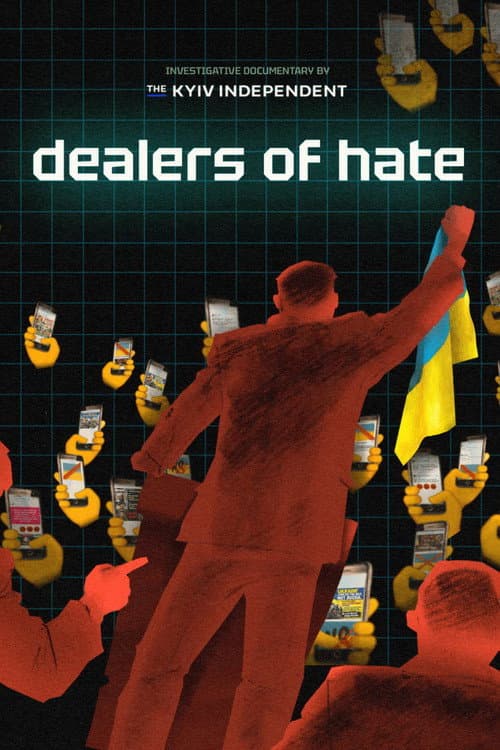
Across Central Europe, reports are mounting of Ukrainian refugees — the vast majority women and children — facing harassment and attacks. What’s really behind the headlines about Ukrainians, who were welcomed with open arms in 2022, now facing hatred and hostility? And what role do local politicians play in fueling the violence? The Kyiv Independent’s new documentary investigates anti-Ukrainian aggression in Germany, the Czech Republic and Poland, the countries that have taken in the largest numbers of Ukrainian refugees since Feb. 24, 2022. Journalist Danylo Mokryk and his team uncover the stories of Ukrainian women who have faced harassment and analyze tens of thousands of posts on X, revealing how hate speech on social media and in political rhetoric escalates into real-world violence.
Oct 2026
Torture in Russian captivity is systematic. In a new documentary, The Kyiv Independent’s War Crimes Investigations Unit uncovers the torture of Ukrainian civilians held by Russian forces and traces the roots of these practices through Russian history. The documentary features civilians from different regions and backgrounds who were detained in occupied Ukrainian territories and in Russia itself. Despite being held at different times and in different locations, their testimonies describe strikingly similar patterns of abuse. By combining firsthand accounts with historical research, the investigation shows how torture has persisted across generations and continues to shape Russia’s war against Ukraine.
Feb 2026
The new documentary investigates the aggression against Ukrainians in the three EU countries that took in the largest numbers of Ukrainian refugees after 24 February 2022: Germany, Czechia and Poland. The film's protagonists are Ukrainian women who have experienced various forms of anti-Ukrainian intolerance in these countries: everyday hostility, physical assault, and a sense of being left unprotected by the police. Their stories are just a few among many. Statistics show that hundreds, if not thousands of Ukrainians in these countries fall victim to anti-Ukrainian sentiment.