Menu
© 2026 The Couch Critic
Browse 105 movies from DOCA Documentalistas argentinos
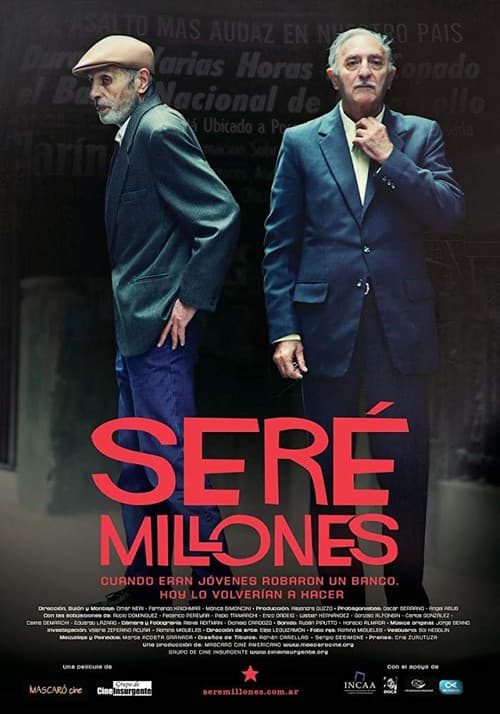
In January 1972, during General Lanusse's dictatorship in Argentina, a group of revolutionary activists occupied the National Development Bank, just meters from the Government House, expropriating 450 million pesos (approximately 10 million dollars today) for their cause. This was made possible by Oscar Serrano and Ángel Abus—activists and bank employees—who spent two years preparing what would become the biggest blow to the dictatorship's finances. Forty years later, Oscar and Ángel, along with a group of actors, recreate those events that changed their lives. In this dialogue between generations, the young people transform their perspective on activism and commitment during those years. Narrated through several cinematic layers, Seré Millones (I Will Be Millions) offers an innovative story that blends humor, rigorous historical research, and the epic spirit of the era.
Sep 2014
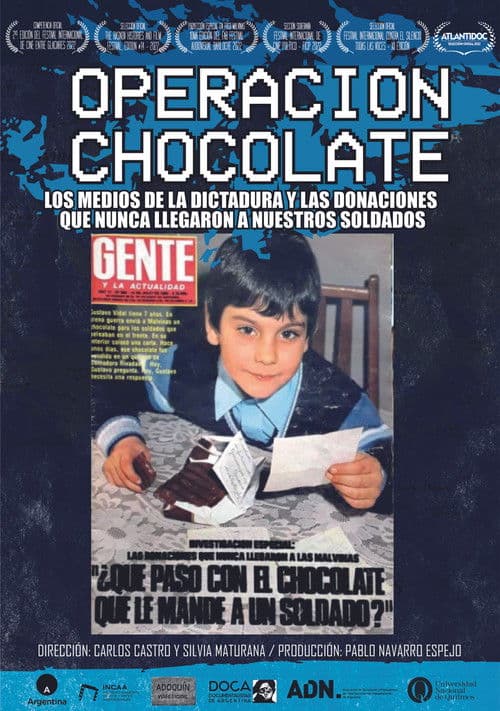
In July 1982, a month after the capitulation of Argentine troops in the Falklands war with Great Britain, GENTE magazine published on the cover a photo of a boy who had sent a letter and a chocolate to an anonymous soldier. His letter and chocolate would never reach the recipient, the chocolate being later sold at a kiosk in the Argentinian town of Comodoro Rivadavia. 38 years later, Gustavo Vidal, the chocolate boy, embarks on a journey to reconstruct the story that moved, in its time, Argentines deceived by the press before, during and after the armed conflict with the United Kingdom.
Oct 2022
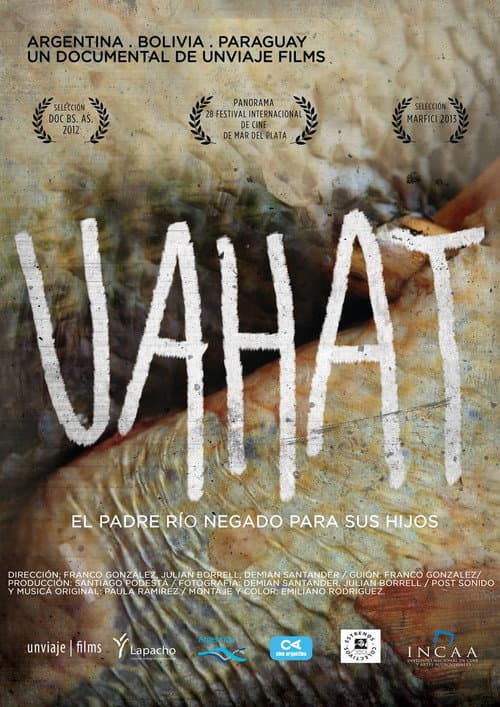
The roadblock at the entrance to Santa Victoria Este was the beginning of a journey that accompanied the claim of the Wichi and Weenhayek communities through three countries: Argentina, Bolivia and Paraguay. The lack of fish in the Pilcomayo River, the main axis of the protests, was the trigger for a complex political, economic and social framework, which is still awaiting answers.
Oct 2014
Aug 2019
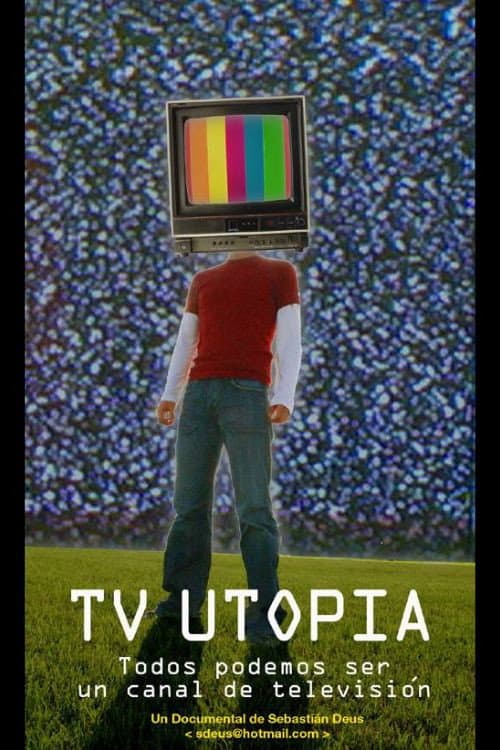
TV Utopia was a television channel made by residents of the Buenos Aires neighborhood of Caballito. During almost all of the '90s, TV Utopia broadcast content generated by the residents themselves 24 hours a day from apartments, commercial premises, streets, squares or wherever possible. The director participated in that quixotic adventure - which even survived several raids - and now recovers his memory.
May 2013
In Argentina, three million people are unaware of their origins; the film's director is one of them, and her personal search has now lasted two decades. During the pandemic, a group of children abducted from their families and mothers, whose babies were taken from them, victims of human trafficking, joined together to demand in federal court that their violated rights be restored and that they finally uncover the truth.
Jun 2023
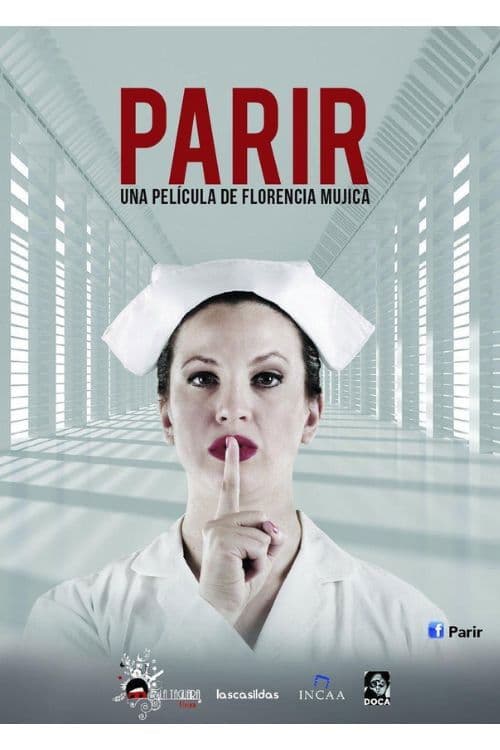
Every day, hundreds of women give birth in hospitals and clinics. One in three babies is born by cesarean section. Vanesa, Mariana, and Nayla are pregnant. Each has a different story, but all three share the same goal: to give birth naturally and enjoy that momentous moment.
May 2017
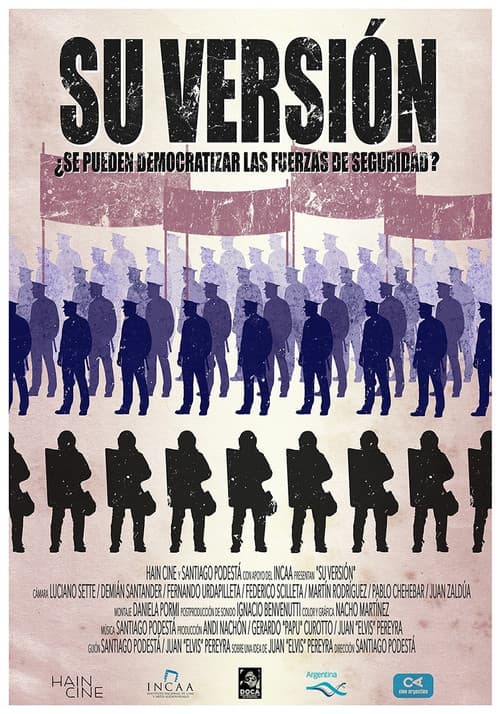
In Argentina, the role of the security forces is under discussion and scrutiny. However, a group of people has been fighting to initiate a debate that democracy has never allowed regarding unionization and workers' rights.
Oct 2020
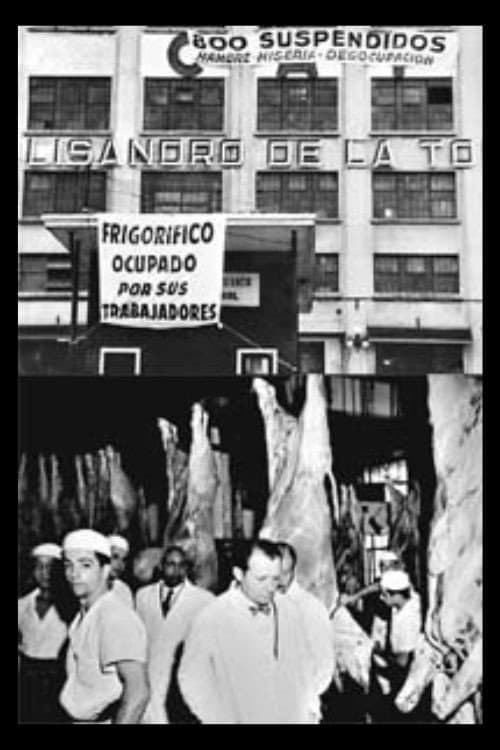
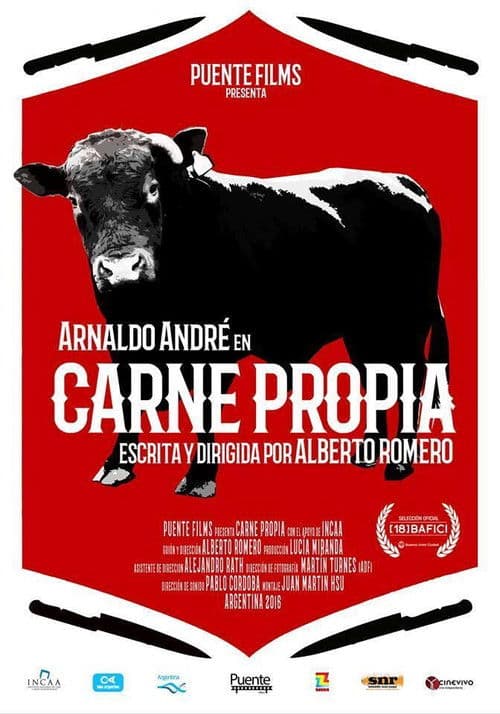
In January 1959, around 9,000 workers at the Lisandro De la Torre state-owned meatpacking plant began a strike against its privatization. While President Arturo Frondizi traveled to the United States, an unprecedented popular uprising erupted in the Mataderos neighborhood. The documentary chronicles the testimony of the protagonists of the now legendary takeover of the meatpacking plant to analyze the close ties that meat, politics, and violence have had throughout Argentine history.
May 2007
Dec 2016
May 2021
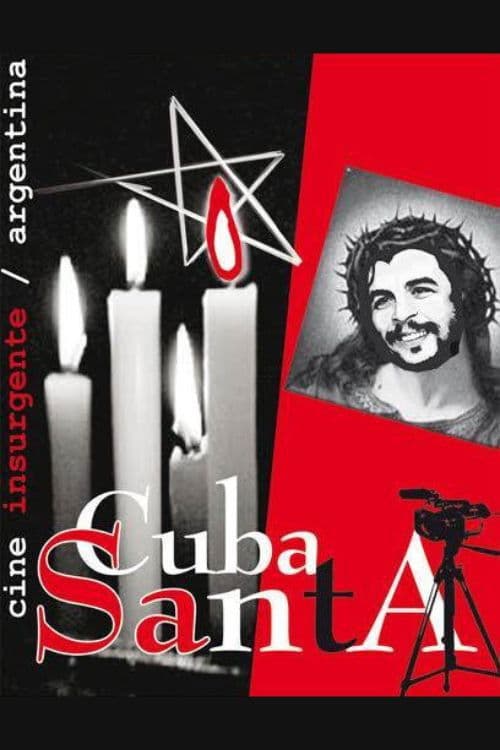
Through conversations with men and women practicing the Yoruba religion -better known as "Santeria" in Cuba-, the documentary narrates through a simple and direct record the phenomenon of faith and how it entered their lives.
Mar 2017
0
Few people in Argentine and Latin American cinema have been as close as Fernando Birri to stand as a patriarch, pioneer, and spokesman for a committed cinema that tears itself apart in its solidarity with its own surroundings. This ode to the tireless Birri presents him to us in full: teaching, establishing standards, and creating with the tools of his time, turning culture into a form of political affirmation as he grows more and more vital and rooted.
Nov 2015
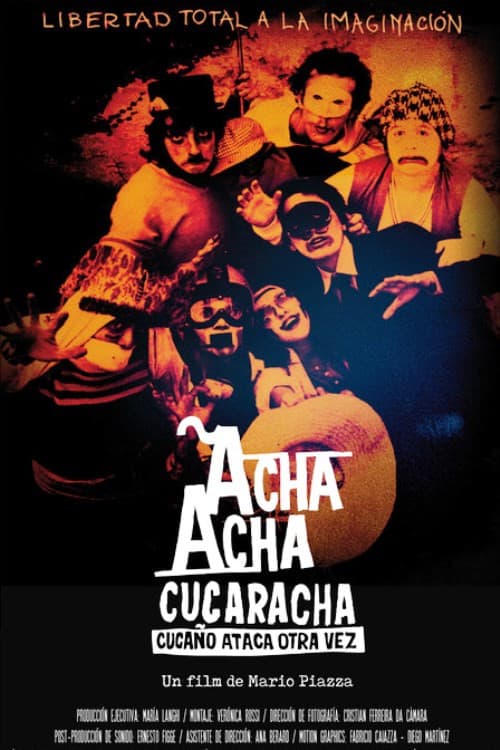
During the dark years of the last dictatorship in Argentina, at the end of 1979, in the city of Rosario,an experimental art group called Cucaño, made of very young adults, emerged. They felt the need to express their discontent against the dangerous and deadly environment while at the same time they were searching for their own identity in their adolescence. They created a notable collective work,fleeting but substantial, which was the most thorough response that a young person could give or give to themselves in those times of extreme repression against self expressions.
Apr 2017
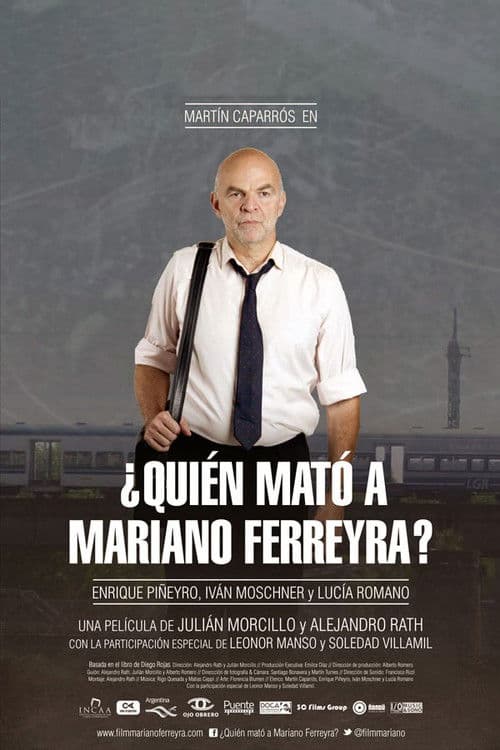
The journalist Andrés Oviedo must write about the murder of a young political activist Mariano Ferreyra for the magazine where he works. Oviedo performs a series of interviews and dialogues with familiars and friends of Ferreyra. The search for the truth and the motifs of the crime lead him to confront his publishers, who removed him from the case. In front of the arising complications, Andrés doubts to proceed with the investigation, but the support of his daughter, of the same generation as Mariano, helps him to continue. (FILMAFFINITY)
Apr 2013
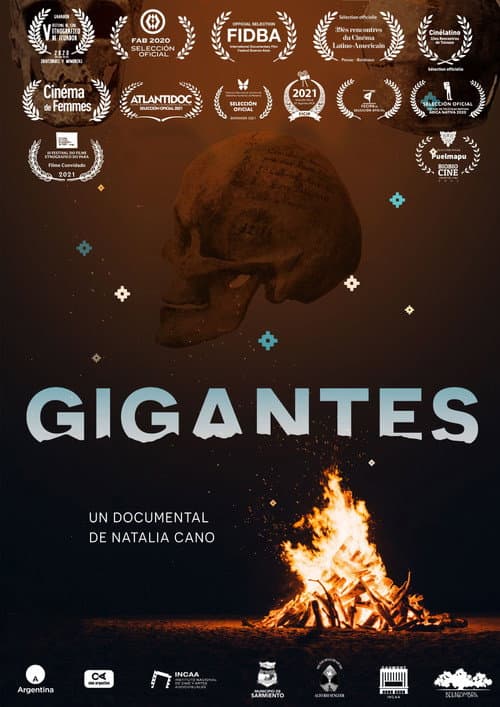
Gigantes recounts the journey of Count Henry de La Vaulx to Patagonia. During his expedition, he unearthed the son of Chief Liempichun and brought him back to France. Today, the Liempichun community is demanding the return of their ancestor's remains.
Aug 2022
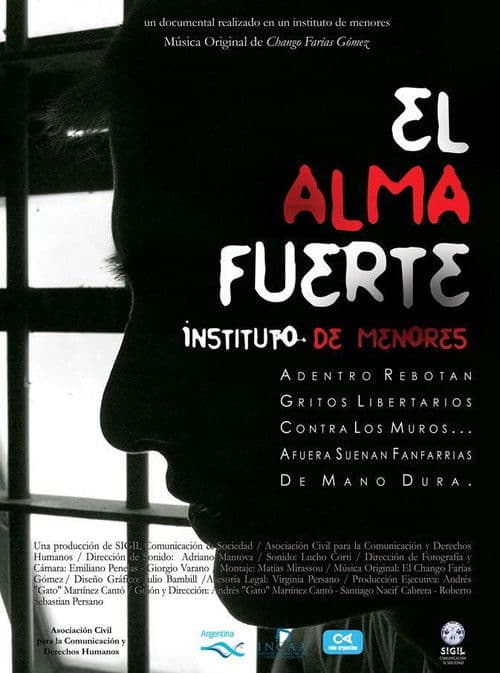
The youngsters housed in the "Almafuerte" Maximum Security Juvenile Institute have their first approach to audiovisual recording. A film and documentary video workshop serves as an excuse for them to make a short film inside the prison. The camera is a rabid toy that generates fascination in them and rescues a sheltered, innocent smile that seemed forgotten under the shadows. While inside libertarian cries bounce against the walls, outside sounds fanfares of an iron fist.
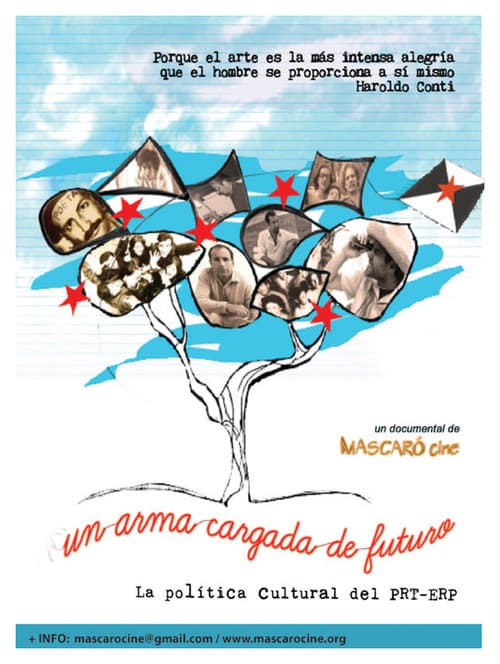
This documentary addresses the debates on culture and the diverse experiences that emerged in the 1960s and 1970s, gathered around the PRT-ERP (Revolutionary Workers' Party - People's Revolutionary Army) in the heat of the revolutionary struggle of the time. Important figures such as Raymundo Gleyzer, Haroldo Conti, Vicente Zito Lema, María Escudero, Daniel Hopen, Roberto Santoro, and Nicolás Casullo, among others, were protagonists of new experiences expressing themselves both in art and in other areas of intellectuality.
Jul 2010
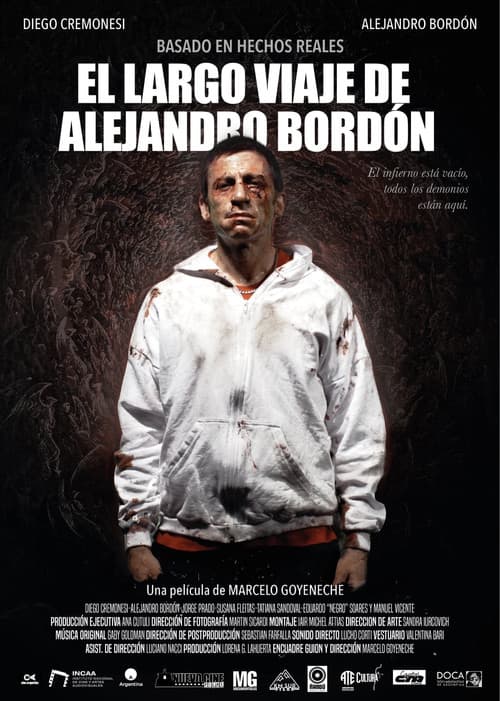
On October 5, 2010, Alejandro Bordón was arrested by a police officer on his way to work. After a brutal beating, he was taken to Police Station No. 6 in Lanús, where he was informed that he was accused of the murder of bus driver Juan Alberto Núñez.