Menu
© 2026 The Couch Critic
Browse 23 movies from Drew Associates
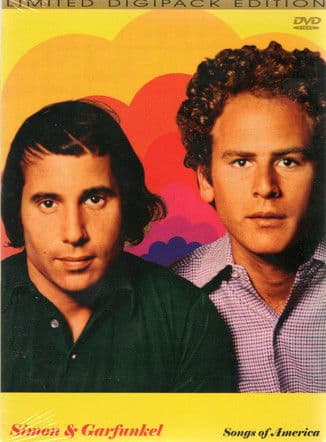
“Songs of America” shows the two on stage, in the studio and on a concert tour across a turbulent country. Their ambitious Bridge Over Troubled Water album had yet to be released and the glorious title song was heard here by the general public for the very first time. The program showed news clips of labor leader/activist Cesar Chavez and the United Farm Workers, the Poor People’s Campaign’s march on Washington, the assassinations of Martin Luther King, JFK and Robert Kennedy and other events that were emblematic of the era. “Songs of America” was originally sponsored by the Bell Telephone Company, but the execs there got cold feet when they saw what they’d paid for—legend has it that they looked at the footage of JFK, RFK and MLK during the (powerful!) “Bridge Over Troubled Water” segment (approx 12 minutes in) and asked for more Republicans! (Not assassinated Republicans, just more Republicans...you know, for balance!) The special was eventually picked up by CBS.
Nov 1969
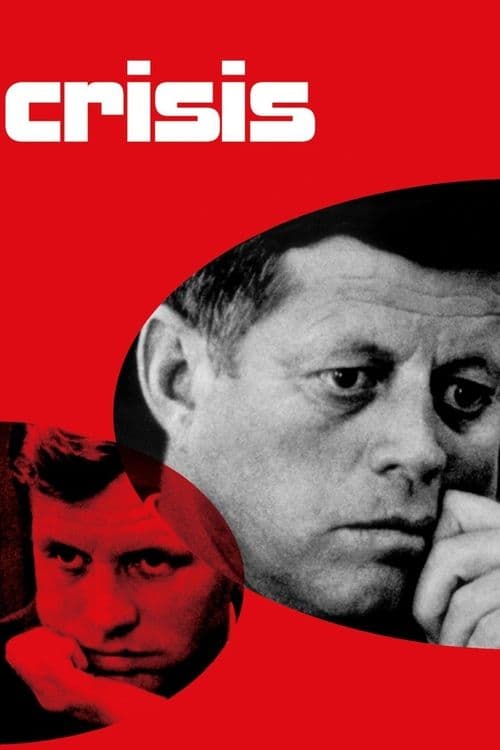
During a two-day period before and after the University of Alabama integration crisis, the film uses five camera crews to follow President John F. Kennedy, attorney general Robert F. Kennedy, Alabama governor George Wallace, deputy attorney general Nicholas Katzenbach and the students Vivian Malone and James Hood. As Wallace has promised to personally block the two black students from enrolling in the university, the JFK administration discusses the best way to react to it, without rousing the crowd or making Wallace a martyr for the segregationist cause. Preserved by the Academy Film Archive in partnership with The Film Foundation in 1999.
Oct 1963
Primary is a documentary film about the primary elections between John F. Kennedy and Hubert Humphrey in 1960. Primary is the first documentary to use light equipment in order to follow their subjects in a more intimate filmmaking style. This unconventional way of filming created a new look for documentary films where the camera’s lens was right in the middle of what ever drama was occurring. Preserved by the Academy Film Archive in partnership with The Film Foundation in 1998.
Nov 1960
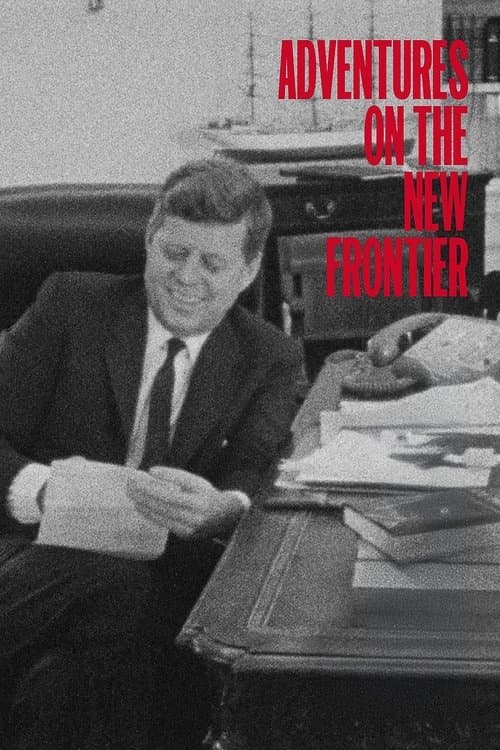
A look at the daily business of U.S. President John F. Kennedy, with a focus on some of the political issues he faces six weeks into his term. Preserved by the Academy Film Archive in 2007.
Mar 1961
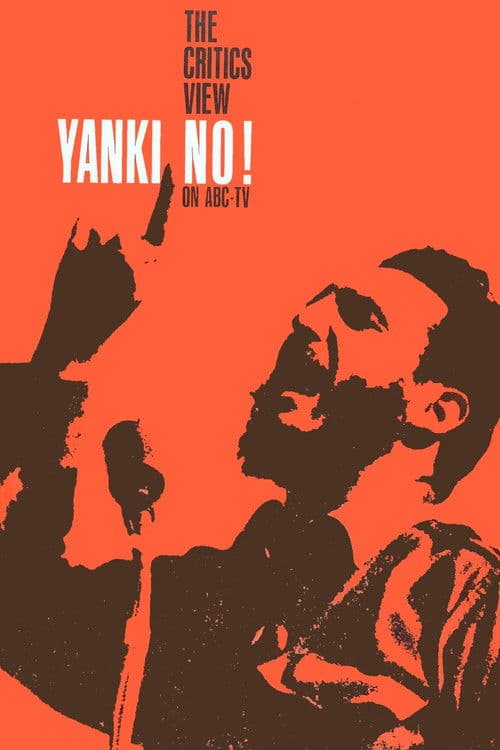
A 1960 cinéma vérité documentary on anti-American sentiment in Latin America, combining observational footage from Caracas and political events, directed by Robert Drew and shot by Maysles, Leacock, and Pennebaker. (Note: Originally broadcast as a standalone documentary on ABC, "Yanki, No!" is widely cited and archived as a discrete direct-cinema film with its own title, production identity, and critical reception, rather than as an anonymous TV news magazine episode.)
Jul 1960
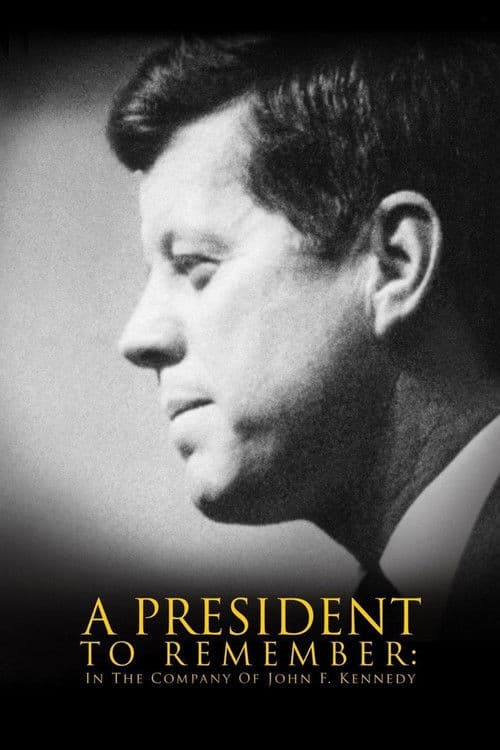
Bringing to life an American President who was widely respected by his countrymen and celebrated around the world. Composed from four break through films by Robert Drew, each an unprecedented record in candid photography of a phase of John F. Kennedy’s political life. Kennedy is seen in close up from young Senator campaigning for the Presidency, to an ebullient new President moving into the White House, to a burdened President trying to solve grave problems in the Oval Office. The shock of his death is seen through the faces of his compatriots. Now these four films are edited together with other footage of the time. This film is an intimate history of how one American President struggled to bring wisdom and honor to the office of the Presidency.
Apr 2008
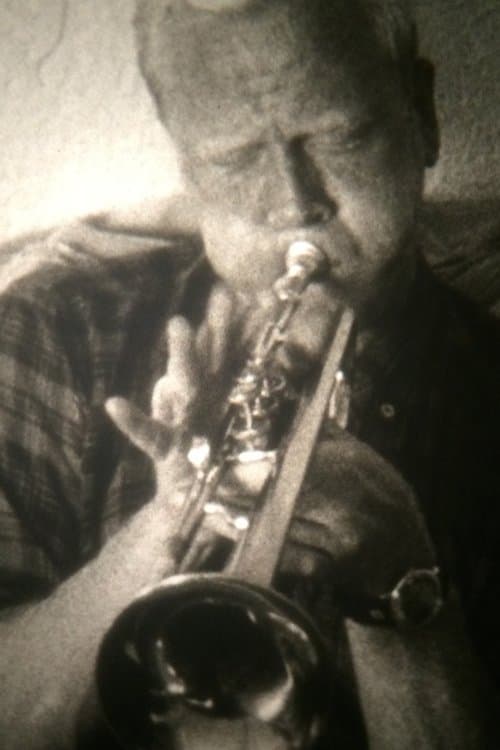
During the fertile early years of Drew Associates following the breakthrough of Primary, came this seldom-seen portrait of David Allen, a jazz trumpeter struggling in the Santa Monica drug rehabilitation center Synanon House. Pennebaker’s love of music drew him to David and the film prefigures later portraits such as Dont Look Back. He teamed with Life photographer William Ray and producer Gregory Shuker.
Jan 1961
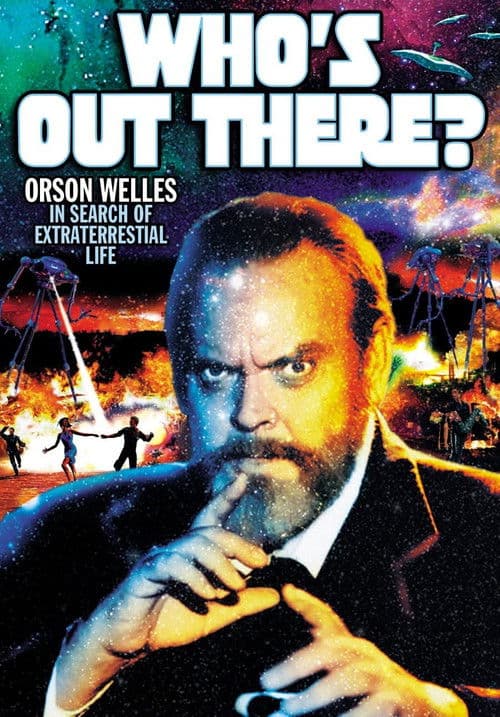
Orson Welles — with contributions from scientists George Wald, Carl Sagan, and others — examines the possibility and implications of extraterrestrial life. In examining our perceptions of alien 'martians' from his "War of the Worlds" broadcast, to then-modern explorations of Mars, this film from NASA provides a unique glimpse at life on earth, and elsewhere in the universe.
Jan 1975
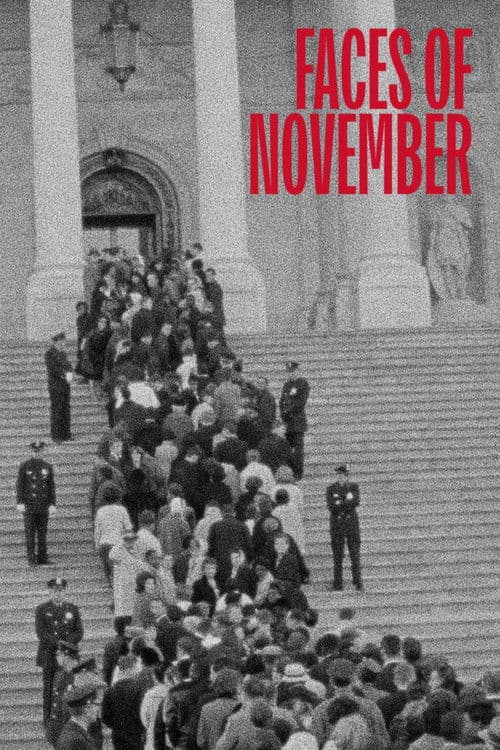
Robert Drew shows the sights and sounds from the funeral of President John F. Kennedy in November, 1963. Preserved by the Academy Film Archive in 2002.
Aug 1964
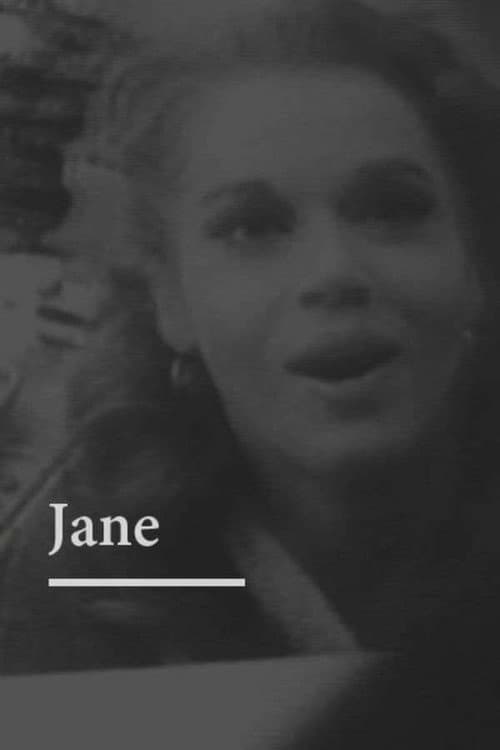
Documentary focusing on 25 year-old actress Jane Fonda as she and her director Andreas Voutsinas prepare a stage play called The Fun Couple for Broadway.
Jan 1962
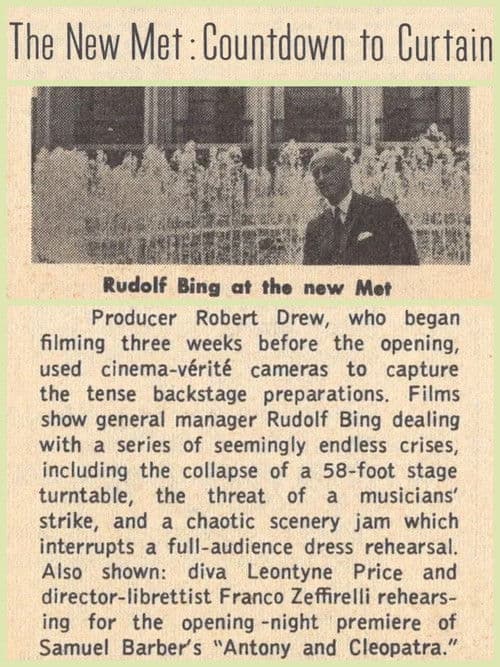
Backstage with Franco Zeffirelli and Rudolph Bing as multiple mechanical difficulties snag rehearsals. Marc Chagall stops by only to see that his giant murals were not hung the way he intended in the lobby. Leontyne Price is engaging as she prepares for her commanding starring role in Barber’s “Antony and Cleopatra.”
Nov 1966
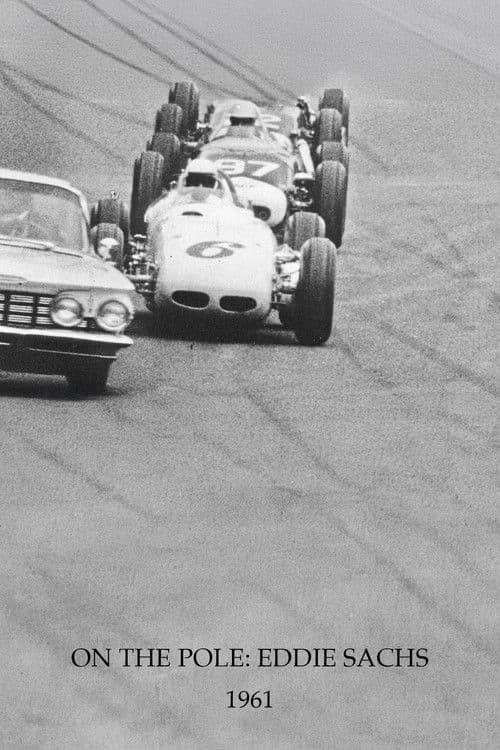
A direct-cinema portrait of Indianapolis 500 driver Eddie Sachs, filmed before, during, and after the 1960 race as he competes from pole position. Using pioneering mobile camera and sound techniques, the film captures the psychological intensity of racing and the personal cost of high-speed competition.
Aug 1961
Documentary portrait of the legendary jazz bandleader. Preserved by the Academy Film Archive in partnership with The Film Foundation in 2000.
Dec 1974
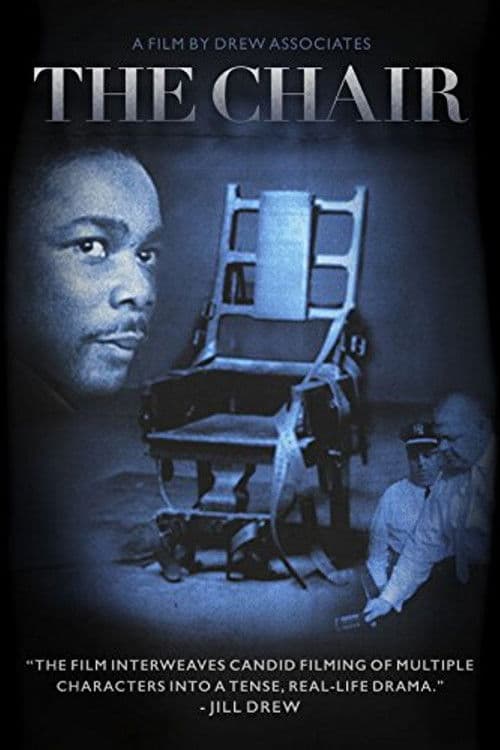
Follows a crusading lawyer as he embarks on a campaign to save an African-American man, Paul Crump, from the electric chair. Preserved by the Academy Film Archive in partnership with The Film Foundation in 2007.
Aug 1963
The first candid film made on a foreign chief of state, three weeks in the life of Jawaharlal Nehru.
NASA documentary from 1969 about the Mariner 6 and 7 missions to Mars. Reception of the first detailed images of the Martian surface is shown, along with scientists' reactions and early scientific results.
Jan 1969
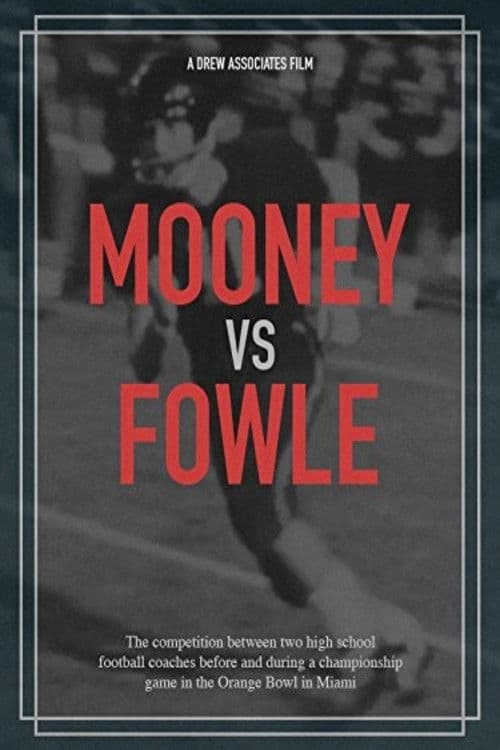
The doc brings us back to a 1961 football game played in front of 40,000 people at the Orange Bowl. A high school football game, pitting Miami High against their rivals from Edison High. The title refers to the coaches of each, and the film follows them separately, with their real families and their clan of players, in the days leading up to the big event. And then at last it astonishingly chronicles the game from all kinds of angles you wouldn’t expect from even the newly mobile tools of the Drew crew. Today’s television coverage doesn’t come nearly as close to capturing the spirit of the sport and its fans the way Lipscomb does here. (Nothing But the Doc)
Apr 1962
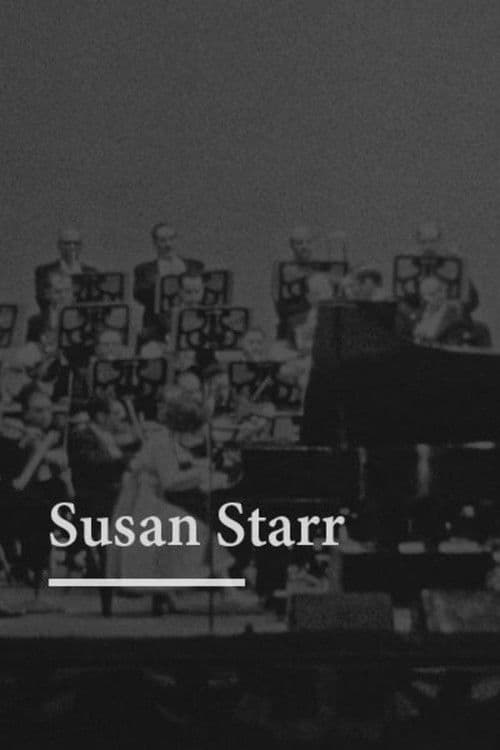
Susan Starr is a talented young concert pianist preparing for the biggest competition of her life. She also happens to have a terrible cold that keeps her in bed and an omnipresent mother. Battling against 34 of the most talented pianists in the world at the Metropolitan Opera House in New York, Susan hopes to win not only prize money in the Dimitri Mitropoulos International Piano Competition, but also the recognition that could launch the musical career for which she has been working since she was three years old. Following Susan through the hectic days leading up to the event and through the competition itself, the film captures the intense reality of an aspiring young artist facing the challenge of her life.
A harrowing portrait of the struggle for school desegregation in New Orleans against the violent protests of white parents.
Feb 1961
In 1960, Robert Drew founded his production company Drew Associates; joining him were a number of well-known or soon-to-be well-known documentary filmmakers including Richard Leacock, Albert Maysles and D.A. Pennebaker. Between 1960-63, Drew Associates produced 17 documentary films for television. Aga Khan was part of a 12-film subset of these known as The Living Camera, which were funded by Time and broadcast in syndication around the country. It shows the young Prince Karim at a time when he recently took over as spiritual leader of his Ismaili Muslim community. The film follows him to Switzerland, France and Africa as he steps out of the shadows to lead as the hereditary Imam.
Sep 1961