Menu
© 2026 The Couch Critic
Browse 9 movies from Ministerie van Nederlandse Kultuur
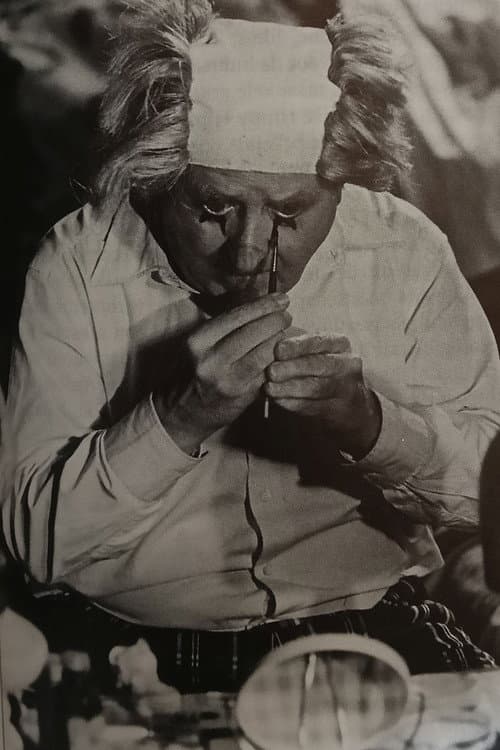
Filippi is a circus clown who lives a double existence: on stage he is successful and beloved, but privately he is consumed by jealousy and emotional fragility. He is in love with Arlette, a trapeze artist, but she prefers his rival Mario. When Filippi attempts to eliminate Mario, the situation spirals into tragedy, leading to Arlette’s death. Unable to cope with guilt, Filippi becomes trapped in a downward spiral of remorse, illusion, and emotional collapse. The story is largely told through flashbacks within the circus environment, blurring reality and memory.
Jan 1968
Rob Van Eyck’s De Terugtocht (1981) is a bleak, unforgiving slice of Flemish cult cinema. The gritty revenge thriller follows a man returning to his hostile native village after serving seven years for a rape and murder he did not commit. Instead of a fresh start, he faces brutal social isolation and relentless torment from the locals. Driven to the edge, his quest to find the real killers spins out of control, trapping him in a tragic, inescapable cycle of violence.
Jan 1981
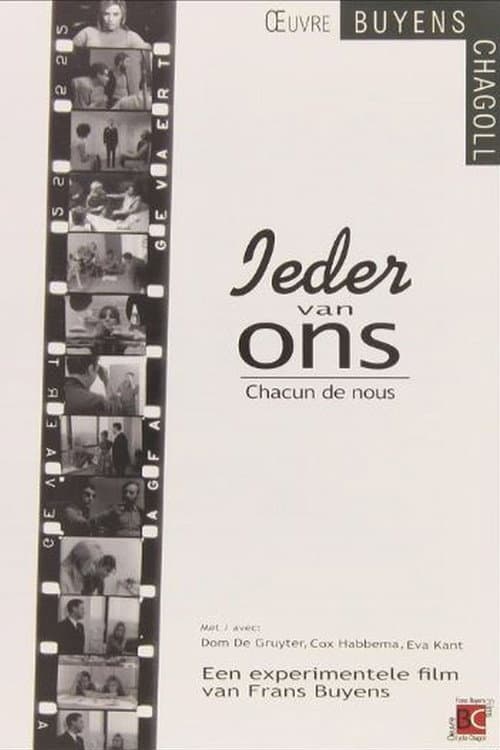
The deeply socially engaged documentary filmmaker Frans Buyens had long dreamed of making the transition to fiction filmmaking. The experimental Ieder van Ons was a first attempt in that direction. In essence, it was an inquiry film shot in a cinéma vérité style about appearance and reality in social commitment. With Ieder van Ons, Buyens wanted to jolt the viewer’s conscience and make them aware of the duty to face the truth and to act accordingly. To achieve this, he combined a fictional plot with documentary scenes. On the one hand, the film contains acted sequences about the awakening conscience of a ruthless political figure; on the other hand, Buyens himself appears before the camera to introduce several actors, their characters, and the situations in which they are about to become involved.
Jan 1971
Tells the story about the friendship between a promising architect and his friend, the son of a wealthy building contractor. Some beautiful girls are the cause of their “inseparability” being severely disturbed.
Jan 1972
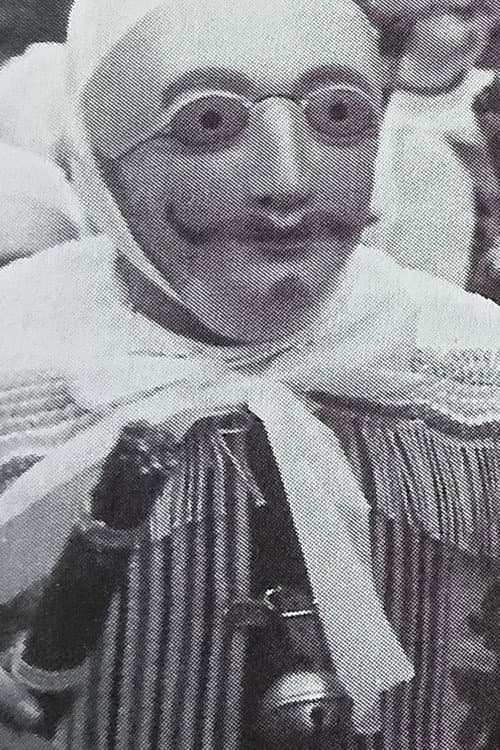
Henri Storck: “The General Commissariat for Tourism had organized a ‘Year of Folklore’ and, on that occasion, asked me to make a series of films devoted exclusively to this form of popular culture.” 1.Carnaval van Oostende - 2.Vastenavond te Aalst - 3.Carnaval van Malmédy - 4.Straattoneel in Malmédy - 5.De Gilles van Binche - 6.Meiboomplanting en Passiespel door de marionetten van Toone in Brussel - 7.Heilige Bloedprocessie in Brugge - 8.De 'witte Moussis' van Stavelot en de kermis van Bergen - 9.Passiespel in Lessen en Ligny. Halfoogst-feesten in Outre-Meuse (Luik) - 10.De Chinels van Fisse-la-Ville. De 'Grootjes' van La Louvière. Het ontploiffen van Kruipotten in Luik.
0
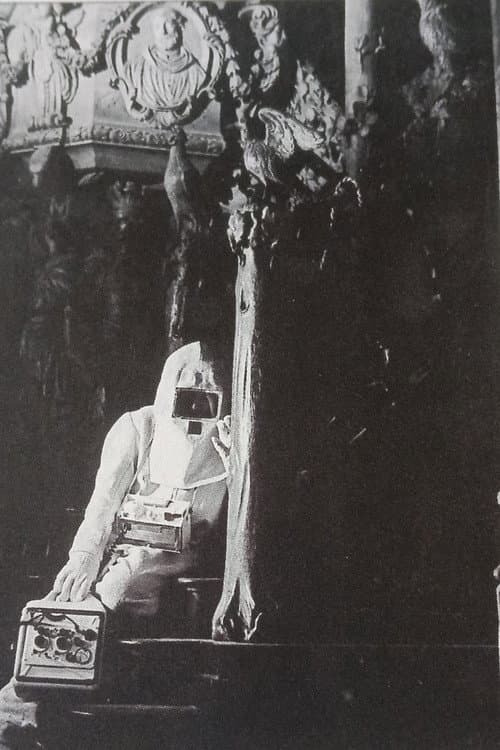
A three independent parts sci-fi drama. In the first, entitled The Bomb, a story of a garage mechanic is told who finds an atomic bomb by accident. The second part, entitled The Last Judgment, deals with the consequences of a military convoy carrying biological weapons going mad. In the third part, entitled Experts Of Evil, there is an accident at a chemical plant when a,pressurized container with dioxin explodes resulting in leakage.
Jan 1977
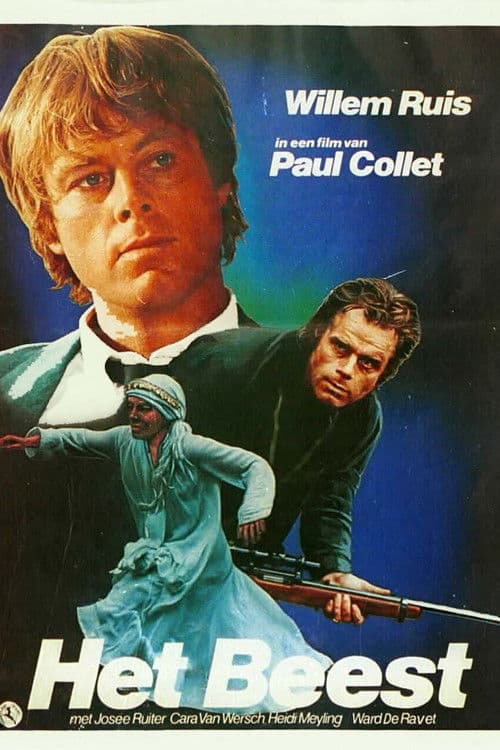
When he finds out that his company has expropriated his own mother, a successful young manager gets deeply upset. Money and power now have a different meaning. He needs to struggle against his own self and stake everything in order to reorganize true values in his life. His career is at stake. When his mother dies in the pension she's been put, his point of limit is reached. He feels responsible and takes revenge through terrorist actions. The beast explodes.
Apr 1982
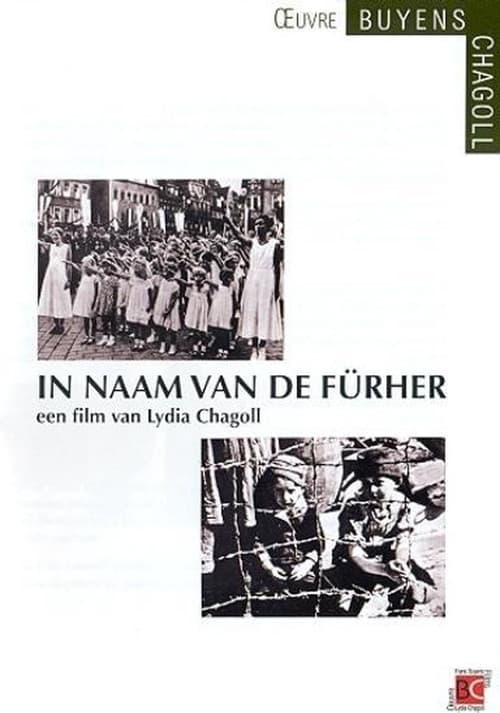
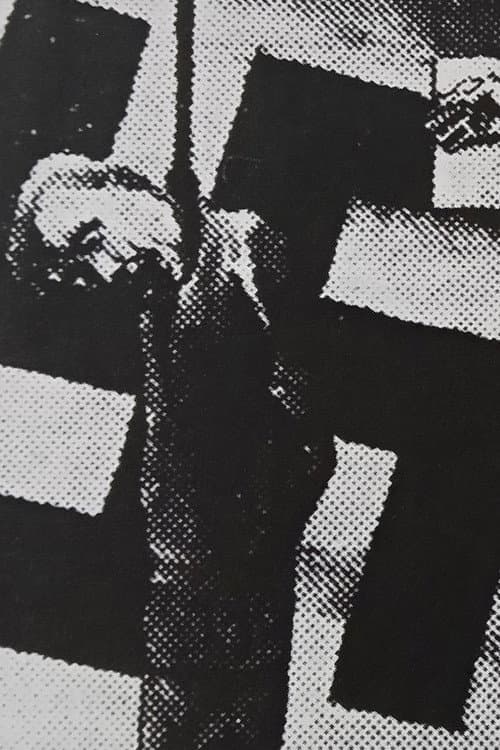
This film deals with the fate of children during the Second World War. The Nazis divided children into two categories: “the good ones,” the Aryan children, and “the bad ones,” the others. In the name of ultranationalism, Nazism, the theory of the Übermensch, and racism, Aryan children were mentally indoctrinated, while the others were imprisoned in camps and physically destroyed. These “others” were mainly children from non-Aryan and supposedly impure races: Jews, Poles, Russians, Yugoslavs, and Roma. For this film, Lydia Chagoll conducted research in World War II documentation centers, museums, and concentration camp archives in several countries, collecting texts, documents, and photographs. The film consists of a montage of photos and footage filmed by the Nazis themselves, accompanied by voice-over commentary based entirely on quotations from Nazi publications, laws, decrees, directives, newspapers, schoolbooks, reports, and political texts.
May 1978
A compilation film, divided into four separate segments, that explores the life and work of the Flemish expressionist painter Frits Van den Berghe (1883–1939). What makes this inspired art film special is that director Buyens does not use a voice-over or commentary text, a deliberate choice intended to give the viewer the opportunity to discover and interpret the painter’s world on their own. Another striking feature is its stripped-down soundtrack, featuring music by Arsène Souffriau.