Menu
© 2026 The Couch Critic
Browse 46 movies from Kairos-Film
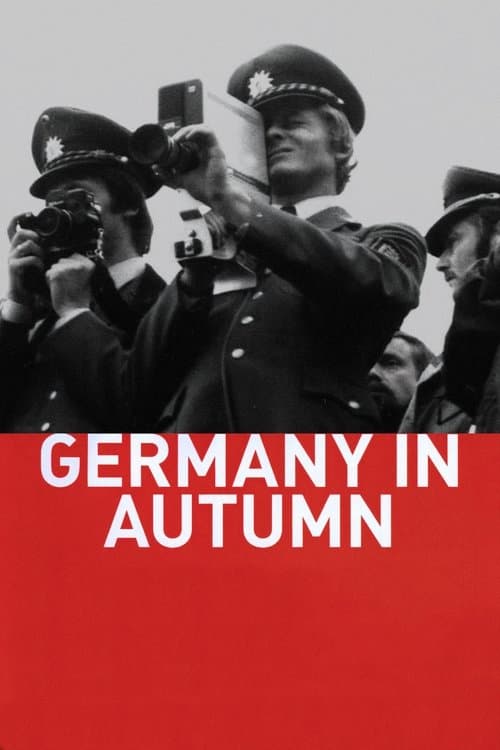
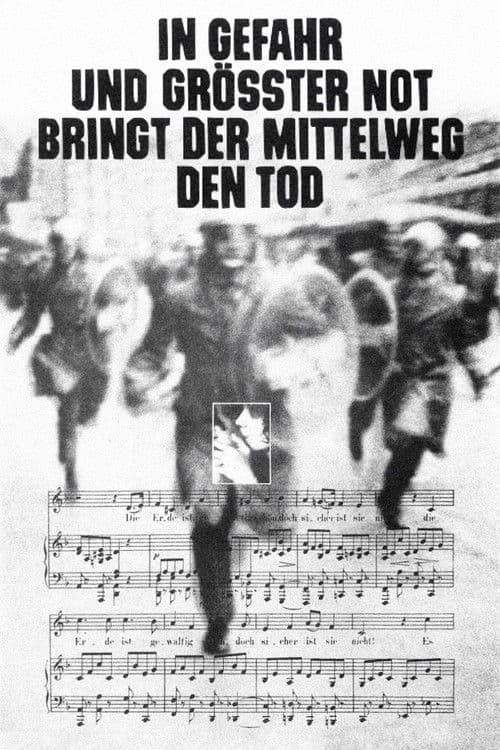
Nine fictitious documentaries and films reflect the mood of late 1970s Germany, particularly the two-month period in 1977 when a businessman was kidnapped by the RAF (Red Army Faction). The kidnap had been made to orchestrate the release of the original leaders of the RAF, aka the Baader-Meinhof.
Mar 1978
Outer space in 2034 is run by greedy corporations in a rundown bureaucracy. Two astronauts, who are not very smart, make their way with shady dealings, smuggling and spaceship wrecking.
Jun 1971
Early Alexander Kluge short film that follows the career of a German policeman from World War I into the 1960s.
Feb 1965
Oct 2010
A young circus director ends up going into television after her father, a trapeze performer, dies in a circus accident.
Aug 1968
The third episodic film, after Deutschland im Herbst and Der Kandidat, in which notable German filmmakers reflect on the state of their country. A collage of documentary and dramatised sequences dealing with such topics as overkill, peace demonstrations, NATO arms policy, and life after the next war.
Sep 1982
Combining fictional and documentary modes, the film takes a critical stance toward Frankfurt's public sphere and urban redevelopment. Despite the serious formal and political concerns of the film, Kluge's heightened sense of the absurd safeguards a reserve of utopian optimism.
Dec 1974
Feb 2026
A poignant film essay about 'superfluous people' facing up to a moment of crisis in their lives.
Oct 1985
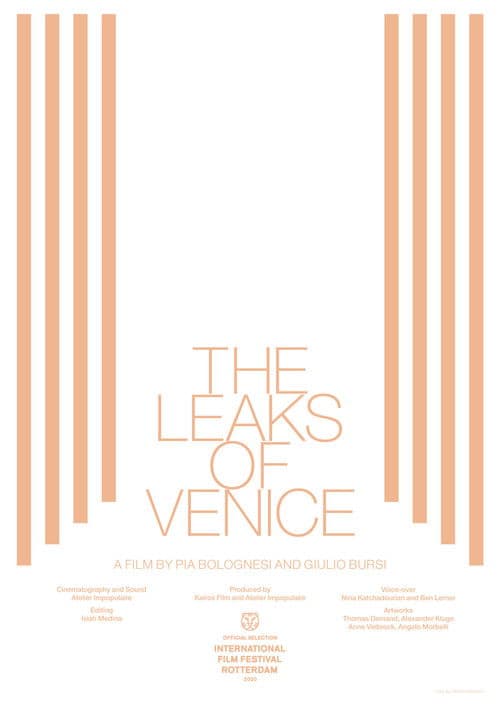
An old building in Venice hosts an exhibition. A visitor walks through empty rooms discovering a fictionalized architectural space that functions like an abandoned theatre set. Inspired by Alexander Kluge’s oeuvre, this exploration attempts to de-construct the subjective experience and liberate the cinematic energy from the horror vacui of the display.
Jan 2020
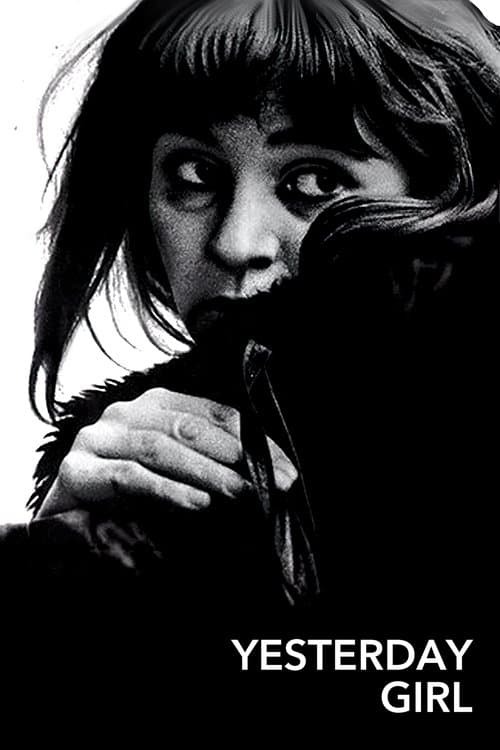
A young German woman searches for happiness, liberation, and independence in the illusive wake of a transformative national recovery.
Sep 1967
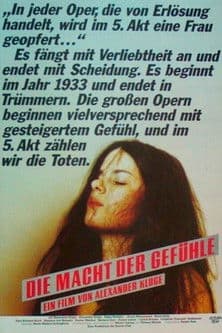
Emotions and feelings should not be confused with sentimentality. Emotion is ancient and more powerful than any artistic expression. The film observes young couples facing difficulties while trying to move their love experiences towards clear decision making. A film full of ideas, details and associations, fictional scenes, documentary footage, archival materials and opera music.
Sep 1983
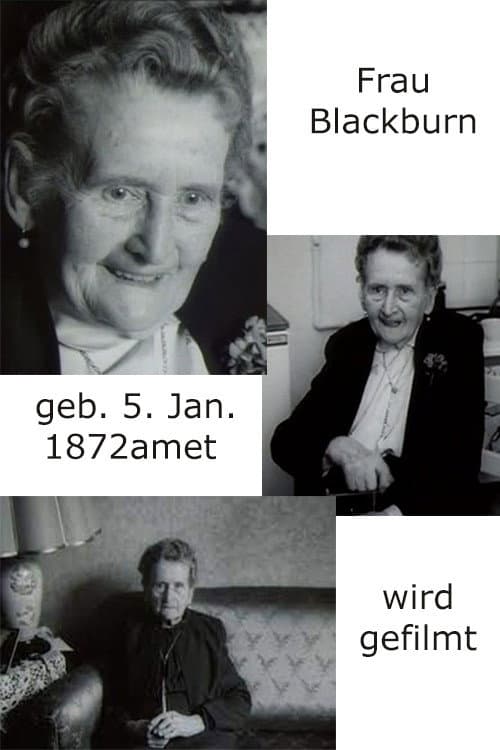
Mrs. Blackburn, born in 1872, i.e. before the history of cinema began, is Alexander Kluge's grandmother. Portrait of this lady.
Jun 1967
A talk with Alexander Kluge and Jean-Luc Godard.
Jan 2001
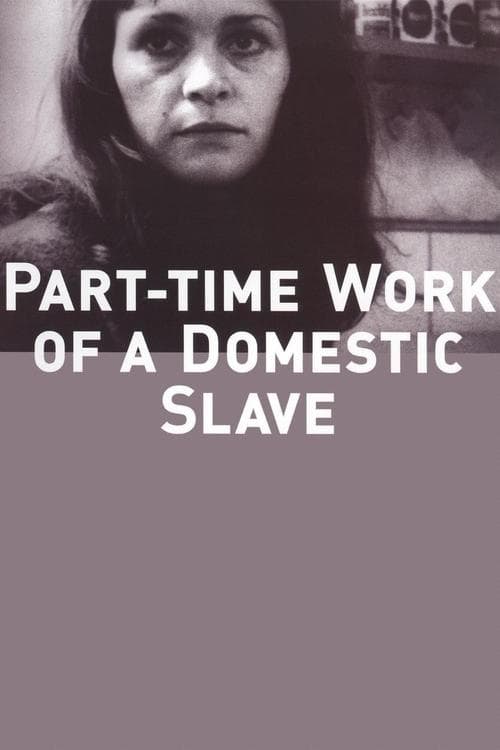
Roswitha runs an illegal abortion clinic in Frankfurt to support her student husband and children. When she is forced to close her practice she delves into political and social activism.
Dec 1973
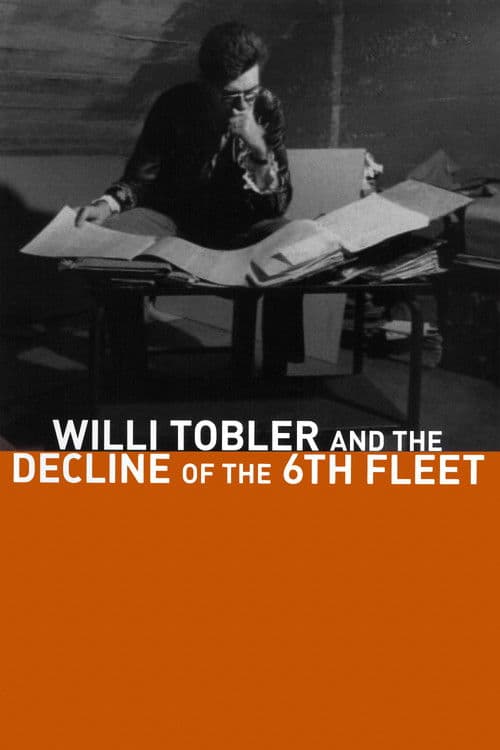
Willi endeavors to survive in a world where annihilistic galactic battles rage, by taking a job at the centre of power. But it's the wrong side that he takes in this civil war...
Jan 1972
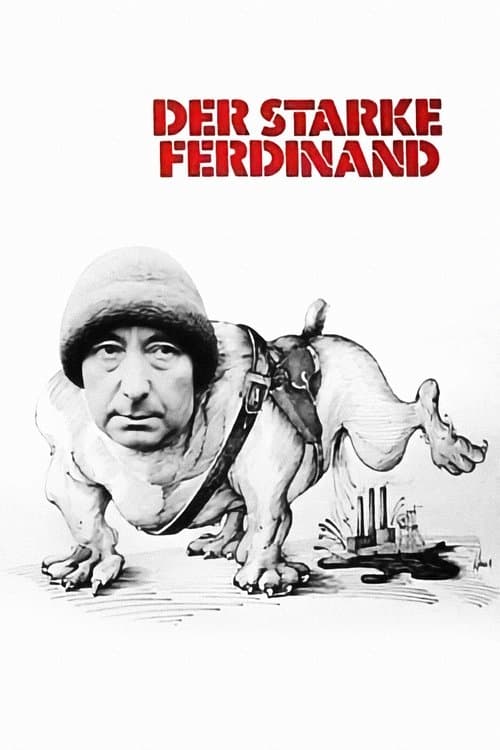
The clownish security chief of a West German business is obsessed with protecting his factory from fancied and real breaches, especially from groups such as The Red Army Faction. Ferdinand's paranoia and methods can't be contained by his company. The sympathetically-drawn Ferdinand's ludicrous actions recall those of the cynical, disastrous axis between fascism and big business in 1930's Europe: satire of the rise of private security.
Apr 1976
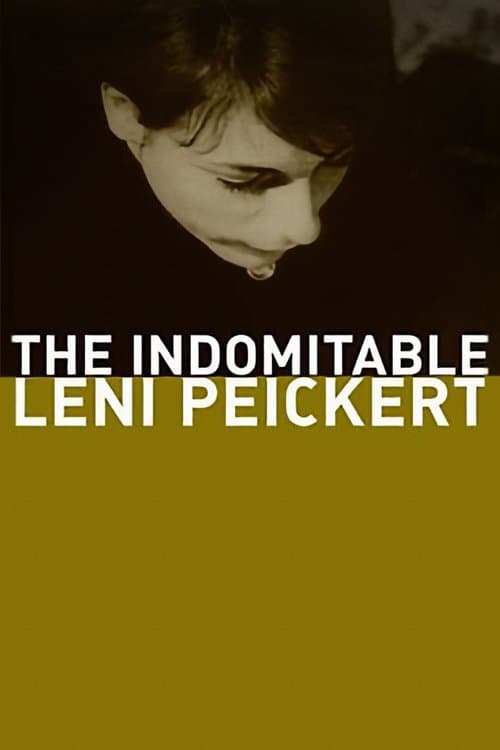
The Indomitable Leni Peickert is a loose, half-hour sequel to Alexander Kluge's second feature film, Artists in the Big Top: Perplexed. This shorter work, seemingly assembled from leftover footage from the longer film, continues the story of the circus owner Leni Peickert after she first abandoned her idea of a radical circus in favor of a job in television. It opens where the previous film left off, at a TV station where Leni and her friends have gathered as employees, attempting to infiltrate the corporate establishment with their own revolutionary ideas.
Mar 1970
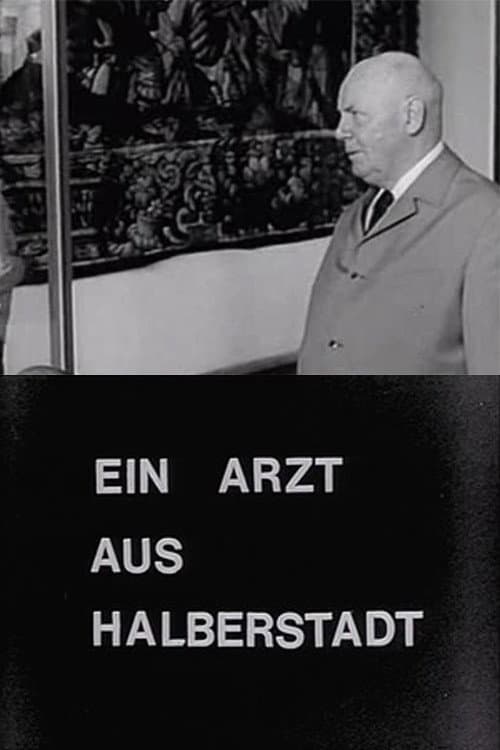
Alexander Kluge follows his father, a doctor, in his daily activity.
Jan 1970
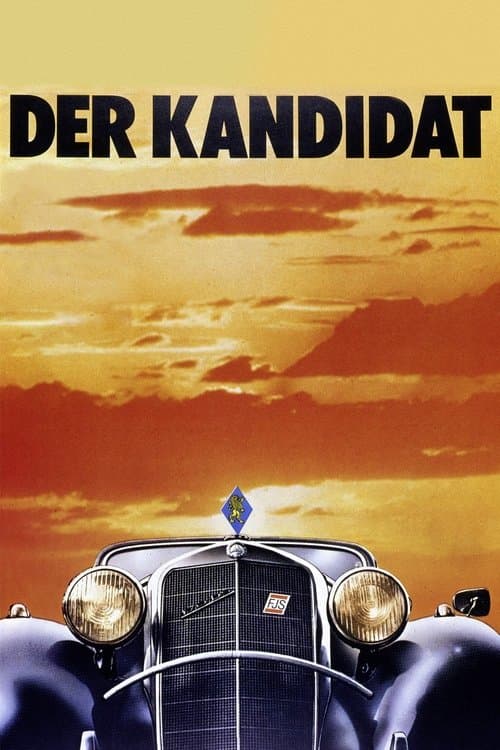
Made with an eye to the autumn of 1980 when the German parliamentary elections took place, The Candidate examines Germany’s history past and present and Franz Josef Strauß, the man who, as the CDU/CSU candidate, aspires to be elected to the most important political office in the land.
Apr 1980