Menu
© 2026 The Couch Critic
Browse 12 movies from Sistema Radio Venceremos
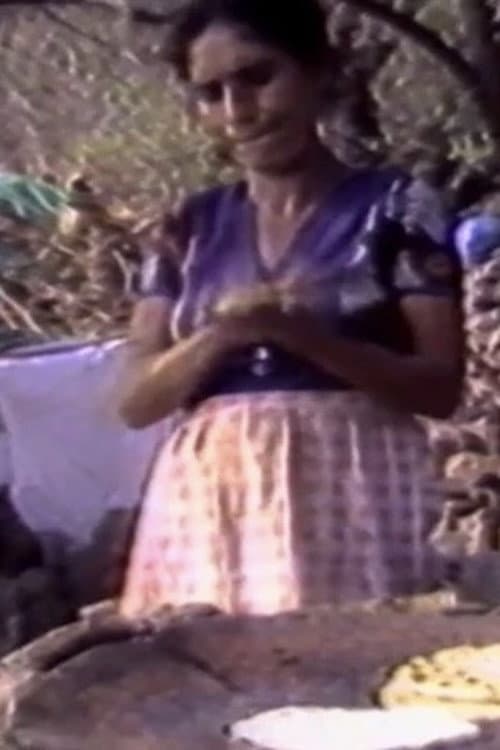
It shows the participation of Salvadoran women in the revolutionary struggle, through different functions they perform, from armed combatants to leaders.
Jan 1983
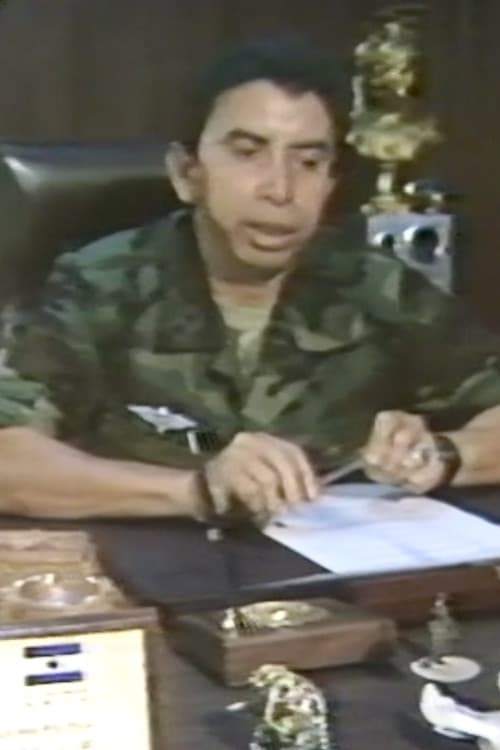
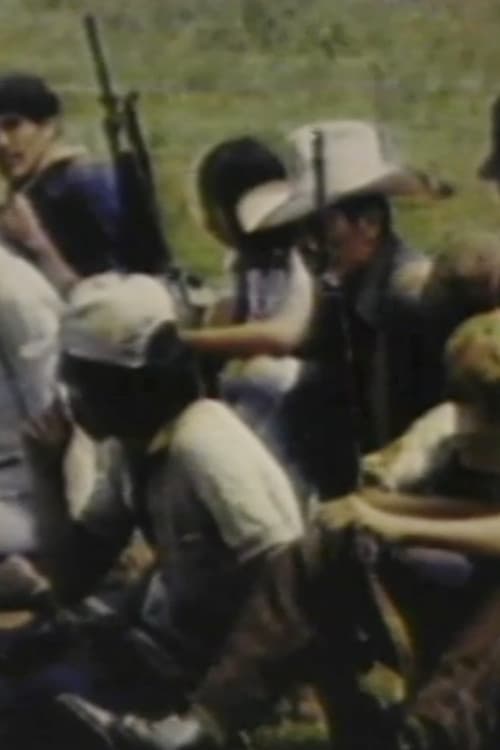
It narrates the development of this guerrilla group, a member of the historic FMLN. At the beginning, Lieutenant Colonel Domingo Monterrosa Barrios speaks about the enemy force he faced. On March 23, 1983, the political and military contingents of the Rafael Arce Zablah Brigade (BRAZ) arrived in the Agua Blanca plains, north of Morazán. From different points in the eastern part of the country, the five battalions arrived, commanded by their respective political and military leaders. The main purpose of this gathering was to demonstrate to the world the existence of that guerrilla army and the military achievements it had achieved up to that point.
Jun 1984
This documentary juxtaposes scenes of El Salvador's opposition factions, including U.S. government advisors and government troops, and guerrillas and their sympathizers.
This documentary examines the formation of labor unions in El Salvador and the systematic violations of workers’ rights that characterized the country during the 1980s. Through testimonies and on-the-ground footage, it exposes the climate of employer authoritarianism and repression faced by workers, situating these conflicts within a broader history of social unrest that dates back to the 1930s and re-emerged with intensity in the 1980s. The film also depicts how the guerrilla movement carried out campaigns of political and labor awareness among peasants and workers, encouraging collective organization and the defense of labor rights. Ultimately, the documentary reveals the “two faces” of El Salvador: on one side, state power embodied by the army and the police; on the other, the opposition represented by guerrilla forces and grassroots popular organizations.
Jan 1989
Cinematic documentary made in 1982, which reveals the life and organization of some camps in the eastern zone of El Salvador. It shows images of combat, guerrilla training, and special forces, forms of political propaganda in cities like Ciudad Barrios, as well as meetings of leaders of the General Command and an interview with General Castillo, Deputy Minister of Defense at the time.
Jul 1982
Produced by the Radio Venceremos System, chronicles the first decade of the guerrilla broadcaster that became a crucial communication tool for the FMLN during El Salvador’s civil war. Through archival footage, radio transmissions, testimonies, and scenes of daily life in liberated zones, the film traces the station’s military, political, and cultural role, from reporting on combat operations and peasant struggles to fostering literacy, music, and international solidarity. The documentary portrays Radio Venceremos not only as a strategic instrument of war, but as a symbol of resistance, collective organization, and revolutionary memory.
Jan 1991
Documents the destruction caused by American bombings. Compares the cities of Torola and Morazán, and Berlín and Usulután.
Jul 1986
The title refers to the legacy of Archbishop Oscar Romero who was assassinated in his cathedral in March 1980.
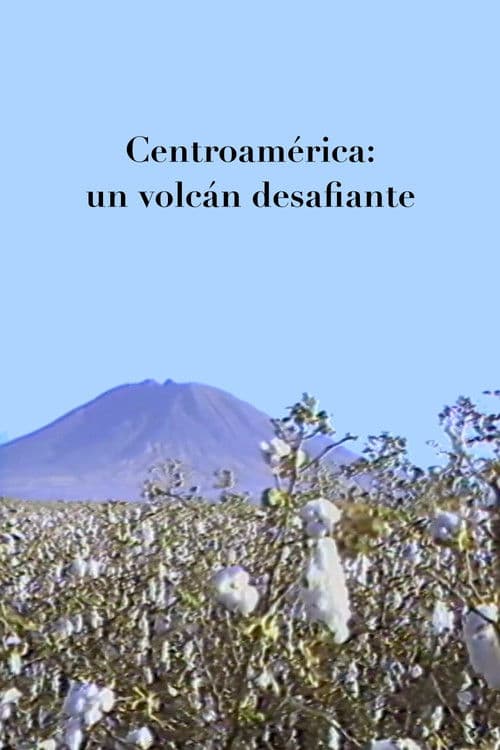
This documentary narrates the causes and revolutionary process in Central America, primarily in Nicaragua and El Salvador. Produced in 1985, it comes from the Radio Venceremos communication system, the media outlet of the Salvadoran insurgency during the civil war (1980-1992).
A production by Radio Venceremos in 1992. The documentary's central objective is to showcase Radio Venceremos' new role after the end of the armed conflict, portraying it as a radio station that would continue serving the needs of the Salvadoran people. The documentary includes some of Radio Venceremos' broadcasts during the Salvadoran peace process.
Jan 1992
A fresh, free-wheeling look at the mothers, daughters, teachers, and political prisoners in El Salvador and their struggle to come to terms with suffering and political persecution. A rare opportunity to witness the participation of Salvadoran women in the popular movement. Made in El Salvador, this film was part of a video series curated by El Salvador Media Project, a New York-based media organization.
Jan 1985
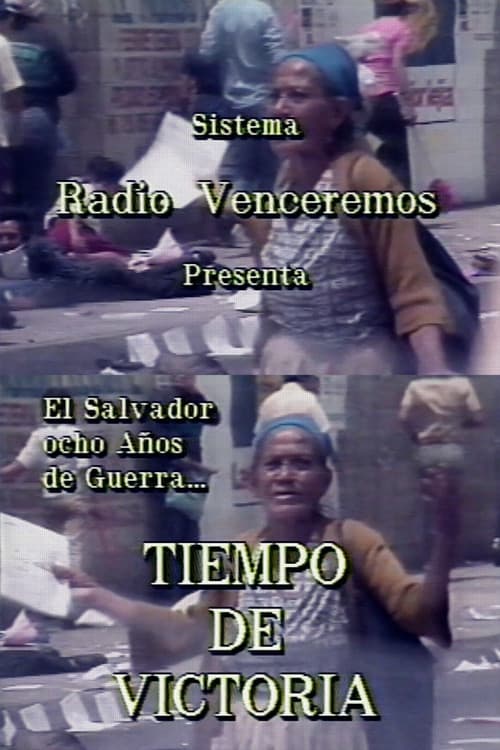
It documents the civil war in El Salvador, in its first 8 years, as well as the political movements, and the human rights violations that occurred.
Jan 1988