Menu
© 2026 The Couch Critic
Browse 15 movies from Kaidu Club
The film contains the despair of an artist’s desire for creation on ruthless censorship, rebel, and anxiety in the mid-70s when it was politically and socially depressed.
Jan 1977
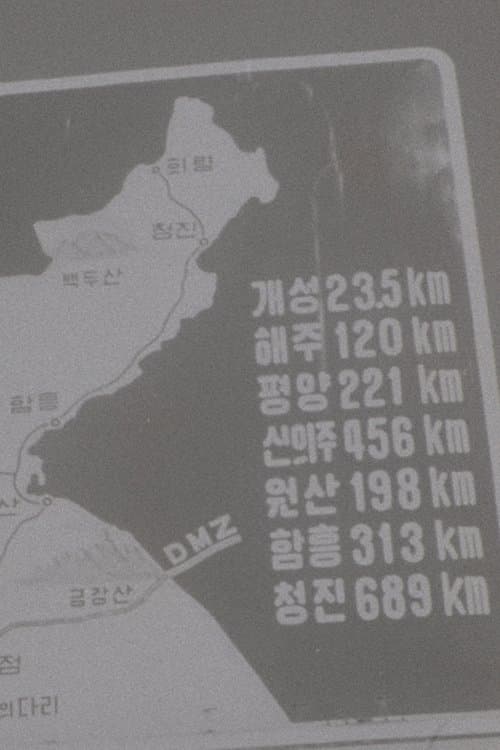
One of the major works by South Korean feminist film collective Kaidu Club, this short is a dynamic, idiosyncratic, and mosaic-like portrait of Korean life, culture, and people who dream of a unified North and South.
Dec 1975
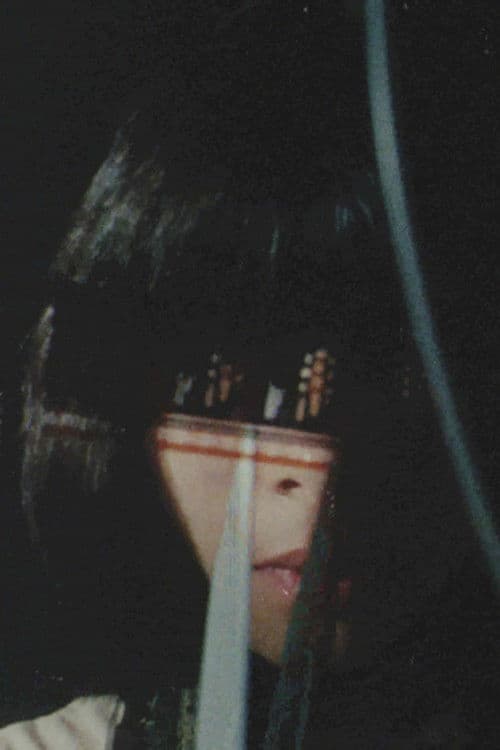
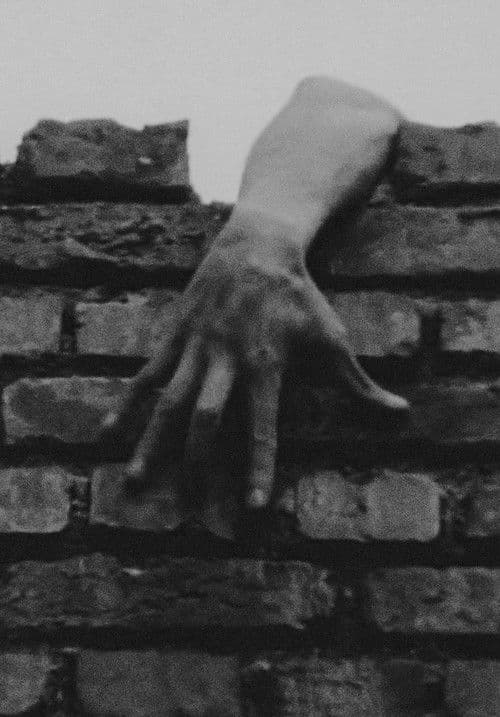
One of Han Ok-hee’s renowned pieces called The Hole uses the flicker, oblique angles, the cross-cutting of reality and fantasy to express inner entrapment and the desire for liberation. Han Ok-hee’s The Hole, The Rope and Untitled not only experimented with cinematic forms of expression, but also played an important role in the protest against forms of expression in experimental films and the artistic protest against the social suppression and censorship in 1970s Korea. (Art Cinema OFFoff)
Jul 1973
An experimental short film by Han Soon-ae
Jul 1974
It shows Korea’s traditional colors and culture through the use of superimposing. It is an experimental film, which not only tries to show Korean traditional culture through the use of color, but also tries to show the modern history of Korea.
Jan 1976
An experimental short film by Lee Jeong-hee
An experimental short film made by Kaidu Club
shows visual and metaphorical representation using rope as a motif through various rope images and meanings.
Film '74-A and Film '74-B are abstract experiments in which she cut and pasted films taken while running in Myeongdong, scraps of American movies, scribbles on sound magnetic film, and dots on lead film, and titled them according to the style of title construction (no title or strange symbols) that was popular among Western artists at the time.
May 1975
Kim Jomson's 75-13 subverts visual stereotypes by cutting through ready-made films with the tip of a knife along with fast-paced music to create a so-called "art of listening and music of seeing".
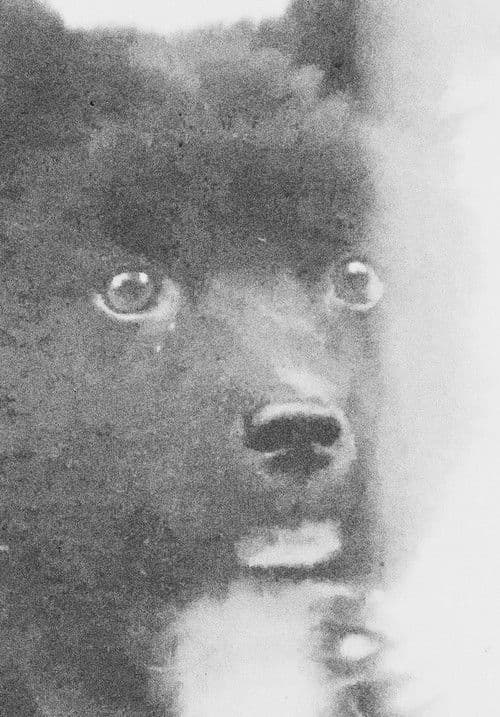
It depicts a dog being dragged by the hand and the reflection of humans in the dog's eyes, and uses animation techniques to capture the image of a line that starts from the umbilical cord and goes through all the panoramas of life to the hanging rope.
Han Ok-hee's Three Mirrors fantastically expresses the world of a woman's desires, and the surrealist screen composition, the image of a symbolized candle, the nude female body, and the everyday will to break the suffocating wall of reality are poignantly reflected in the flow of the image.