Menu
© 2026 The Couch Critic
Browse 3 movies from Canal Algérie
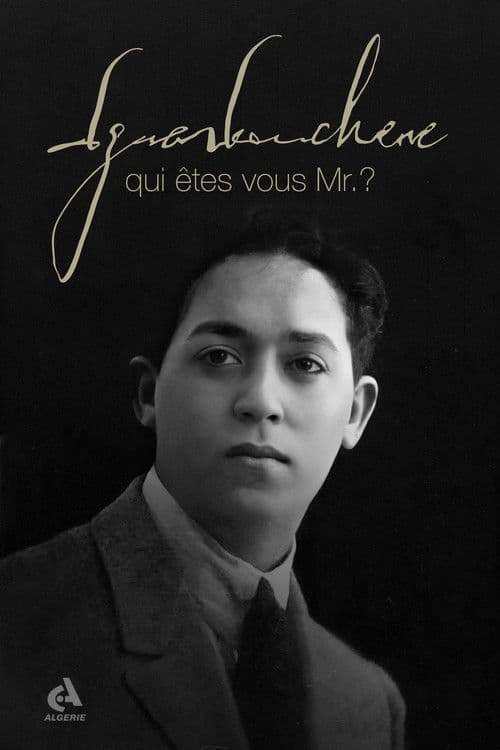
Mohamed Iguerbouchène was born on February 7, 1907 in Aït-Ouchen in Algeria. He left for England in 1923 where he studied music and harmony. Subsequently, he went to Vienna, Austria, to learn piano techniques where he won 1st prize in harmony and piano. Mohamed Iguerbouchen became a composer, he composed four symphonies and several film scores including the famous “Pépé le Moko” (1937) with Jean Gabin. Mohamed Iguerbouchène bowed out on August 21, 1966 following a long illness.
Jan 2014
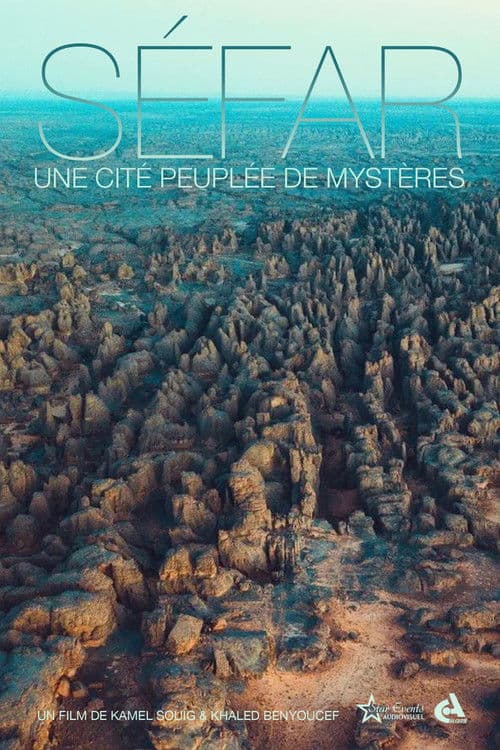
Séfar (in Arabic: سيفار) is an ancient city in the heart of the Tassili n'Ajjer mountain range in Algeria, more than 2,400 km south of Algiers and very close to the Libyan border. Séfar is the largest troglodyte city in the world, with several thousand fossilized houses. Very few travelers go there given its geographical remoteness and especially because of the difficulties of access to the site. The site is full of several paintings, some of which date back more than 12,000 years, mostly depicting animals and scenes of hunting or daily life which testify that this hostile place has not always been an inhabited desert. Local superstition suggests that the site is inhabited by djins, no doubt in connection with the strange paintings found on the site.
Nov 2021
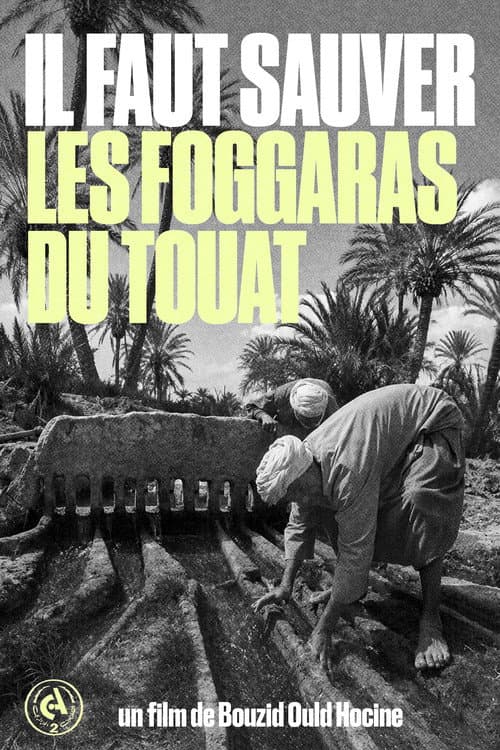
The Touat region is located in the western part of the Algerian Sahara. A historic hub of communication between the Maghreb and the Sudan, Touat was long a strategic focal point for trade routes and economic prosperity. The *foggara* systems of the Touat, Gourara, and Tidikelt oases consist of an ancestral network of slightly inclined underground channels that capture groundwater and transport it by gravity to the surface to irrigate the oases. The specific elements of the *foggara*—along with the traditional knowledge and skills of the water measurers, or *kayalin al-ma’*—have been included on UNESCO’s Representative List of the Intangible Cultural Heritage of Humanity in need of urgent safeguarding since 2018. This ancient "oral corpus" continues to command the admiration of engineers and scientists to this day, yet it is threatened by a lack of new practitioners, as their numbers steadily decline.
Jan 2018