Menu
© 2026 The Couch Critic
Browse 6 movies from Van de Staak Film Productions
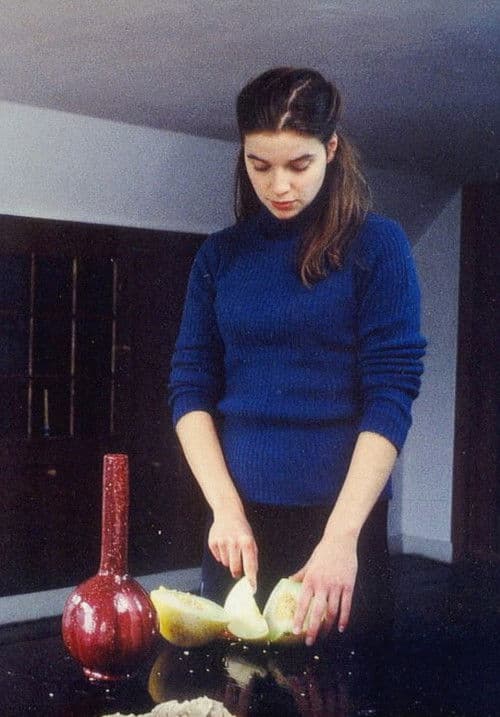
An actress and an actor overhear parts of the play "Three Travelers Watch Sunrise" by Wallace Stevens (1879-1955). The dialogues of the three [Chinese] travelers and the girl [Anna] are spoken as a monologue by the actress. The actor just listens but occasionally he gives her instructions.
Jan 1998
Sep 1998
Sep 2002
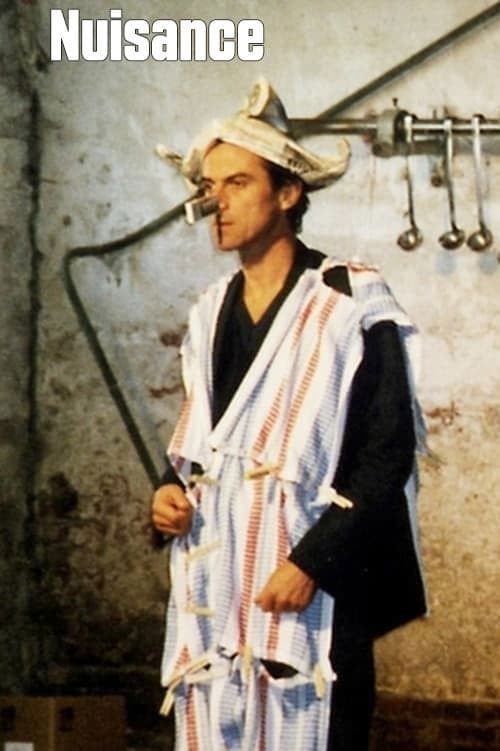
The protagonist in the film is an actor (René van het Hof) who is acting his life. He is a nuisance, but only for those who have had enough of his play acting or who are ashamed to be around this clown. His wife breaks up with him because she just can't tolerate the man any more and he seems to accept that in an apparently matter-of-fact way. He leaves the city for a cottage in the countryside.
Jan 2001
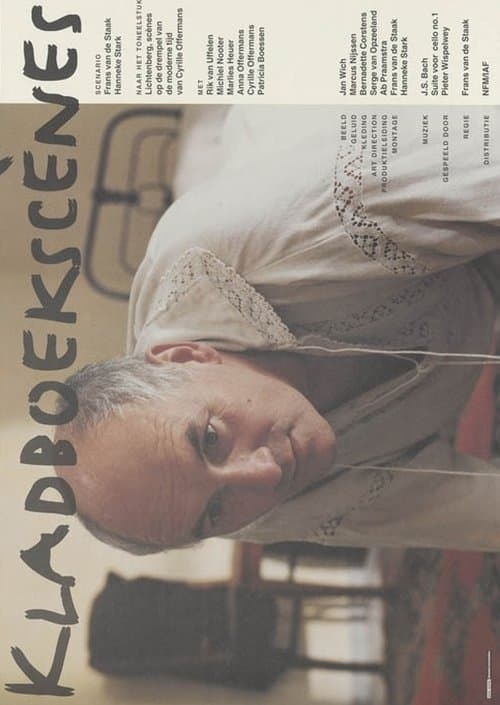
The film is adapted from a play by Cyrille Offermans Lichtenberg, scenes at the dawn of a new era". Although the protagonist shares some features with the experimental physicist and writer George Christoph Lichtenberg (1742-1799), who wrote the famous Sudelbücher and numerous letters, the film does not pretend any historical accuracy with respect to the real Lichtenberg, but focuses on Offermans' hybrid [partial fictitious] personage. The result is not an interplay between fact and fiction, but a sort of view of Lichtenberg, mouthing some 19th- and 20th- century authors he couldn't have known, strictly speaking, but whose alleged fantastic formulations seem to follow from his own writings in a natural way.
Jan 1994
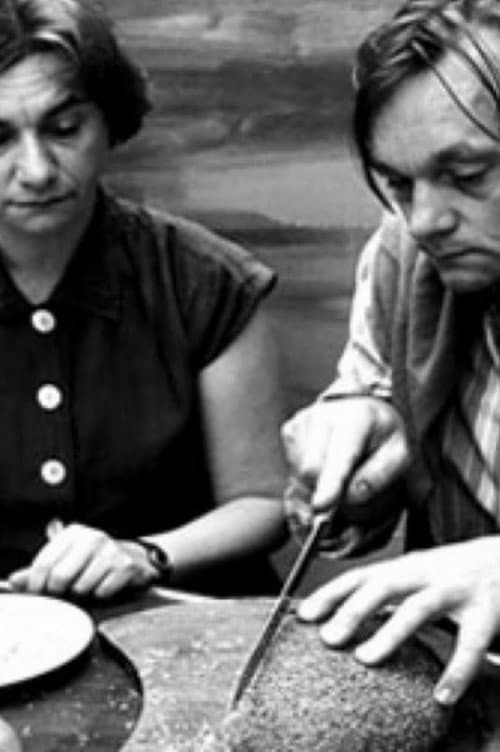
Every scene of the film comprises a dialogue between a man and a woman. The dialogues are fragmentary, in other words, the dialogue in one scene does not tie in with that of the next. In addition there is no development in the relationship between the actor and the actress towards a happy or unhappy ending. The dialogues are not only of substantial interest; it is above all material for the actors. The film balances on the boundary between portraying an intimate relationship between a woman and a man and the intimacy in the acting between the actor and actress. When an actor or actress hardly has any words in a scene, he or she portrays loneliness; when he/she has a monologue, then the attention is focused on speaking the text, on (the reflection about) being an actor. (Wim Schlebaum
Sep 1996