Menu
© 2026 The Couch Critic
Browse 13 movies from Cines
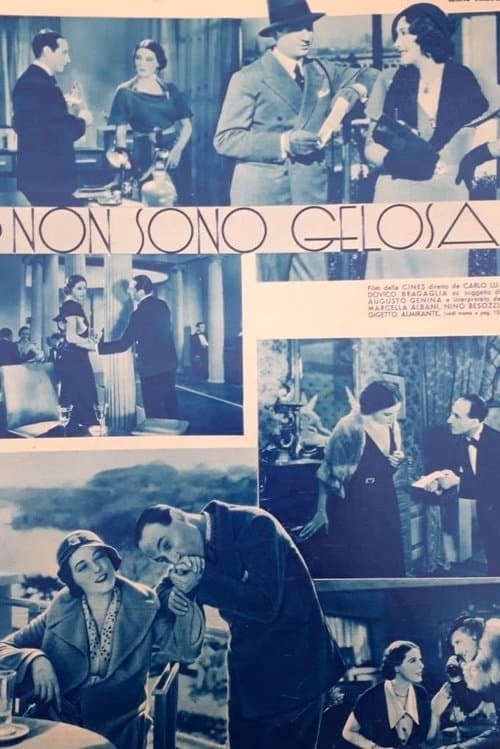
A woman becomes convinced that her husband is an infamous wife-killer intent on adding her to his list of victims.
Jan 1934
Apr 1934
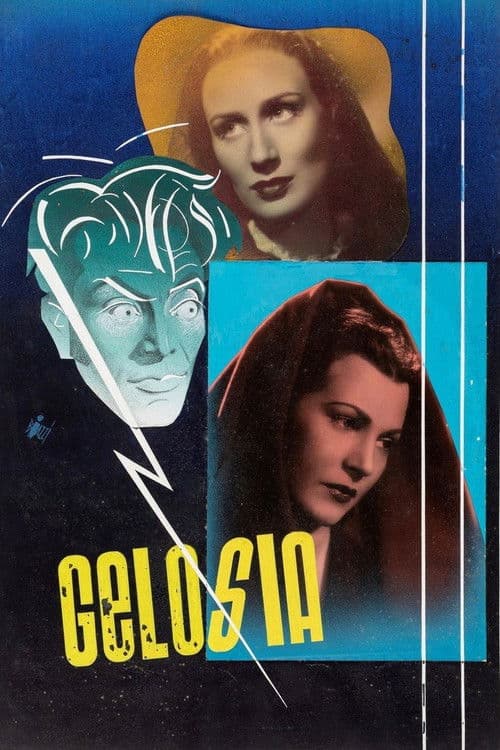
A film based on the book Il marchese di Roccaverdina by Luigi Capuana about a marquis who is in love with his servant Agrippina but is unable to marry her because of her status. The marquis commands his trusted subject to marry her in his stead as long as he vows not to have sex with her.
Dec 1942
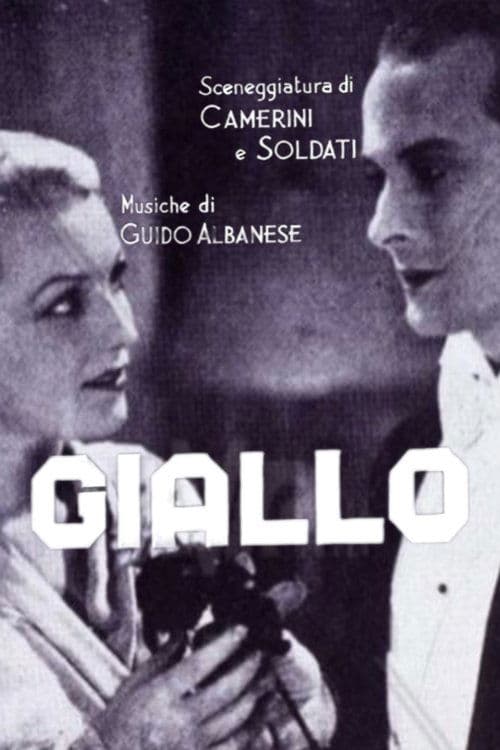
During a reception in a villa, wealthy banker Calandri is killed in the park with a gunshot. The gamekeeper Barra is immediately arrested, but he declares himself innocent. During the trial it turns out that the defendant had threatened the victim, guilty of courting his sister-in-law. But the deposition of a journalist present at the party soon leads to discover the existence of a dense network of equivocal relations between the victim, the guests and the servants. This judicial setting drama is allegedly the second Italian sound film after "The Song of Love", made using the RCA Photophone recording technique, and is also considered to be the first Italian detective film, a precursor to the later genre of Giallo films.
Jan 1931
Jan 1911
Jan 1930
Jan 1933
Sep 1942
Mar 1933
Giuditta e Oloferne is a 1929 Italian silent historical film directed by Baldassarre Negroni and starring Bartolomeo Pagano, Jia Ruskaja and Franz Sala. It was the final film of Pagano, who had been famous during the silent era for his portrayals of Maciste. The film is based on the story of Judith Beheading Holofernes.
Jan 1929
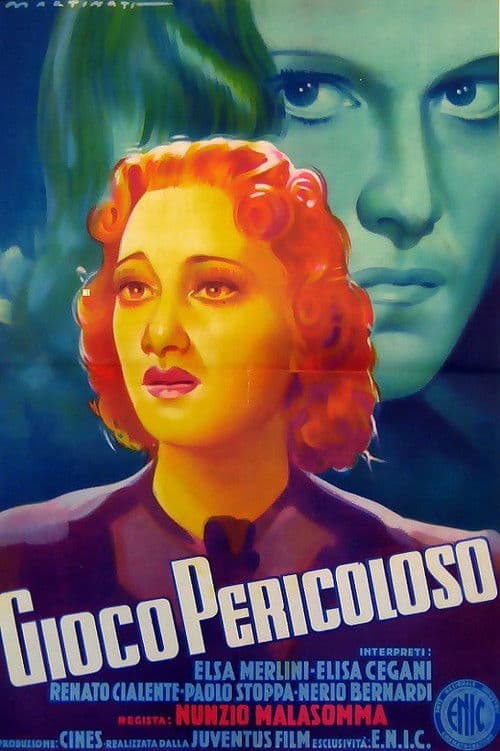
During a party a drunken guest falls from the terrace, killing himself. The police inspector in charge of the investigation suspects all the participants in turn, and mysterious stories come to light.
Jun 1943
Rapallo is a 1913 silent travelogue produced by Cines and released internationally under the title Gulf of Togulio (a misspelling of “Tigullio”). The film is preserved in a 35mm stencil-coloured print (87.3 m, 4'20" at 18 fps) with Dutch intertitles, held by Eye Filmmuseum in Amsterdam. As documented by Renato Venturelli and Giancarlo Giraud in the 44th Pordenone Silent Film Festival catalogue, the film opens with a map locating Rapallo on the Ligurian coast, followed by a sequence of views of the town and surrounding landmarks. These include the monument to Christopher Columbus—funded by emigrants from Rapallo—the bridge over the Boate near Villa Queirolo, the so-called “Hannibal’s Bridge,” San Michele di Pagana, and the Castello. The use of green and blue stencil tones contributes to a calm visual atmosphere, while wind and rough seas introduce a more dynamic element. The film’s content aligns with descriptions published in Moving Picture World in May 1913.
Jan 1913