Menu
© 2026 The Couch Critic
Browse 40 movies from Ranjit Movietone
Betaab's best-known script tells of Radha (Gohar), a carefree rural belle who is supposed to marry childhood friend Gopal, but instead falls in love with a stranger who turns out to be the missing Prince Vijaysingh. When Ihe king despatches soldiers to recover the prince, Vijaysingh discards the pregnant Radha. She is attacked by the villagers for her immorality and eventually appears before the prince, her former lover, in court where she refuses to denounce him. Her child dies, she becomes a prostitute and eventually dies in the arms of the prince.
Mar 1930
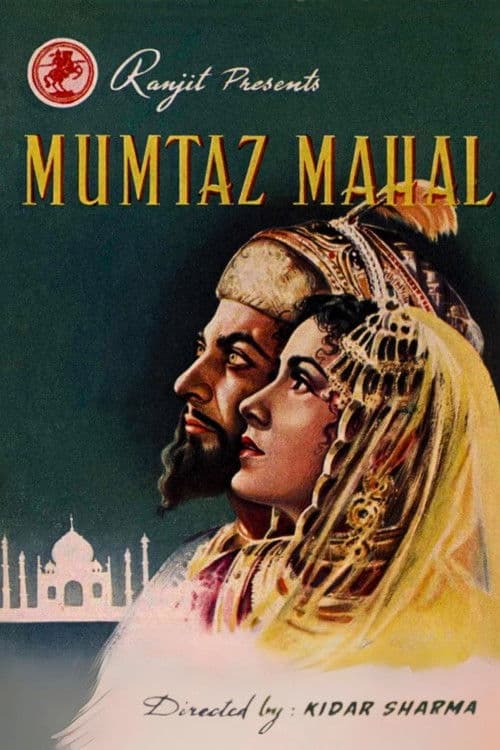
Mumtaz Mahal tells the story of Shah Jahan and his wife Mumtaz Mahal, tracing their deep love, her death during childbirth, and his grief that leads him to build the Taj Mahal in her memory.
Oct 1944
A jaded socialite, Vinakumari, and her lover, Dr. Rasik, discover purpose at a Gandhian ashram. Vinakumari dedicates herself to the poor as the ashram battles challenges from urban temptation to famine and greedy landlords. Dr. Rasik eventually joins the cause, bringing much-needed medical aid to the struggling community.
Oct 1935
This mythological film is based on the Mahabharata. It depicts the tale of how Savitri (Gohar) saves her husband Satyavan (Bhagwandas) from the clutches of Yama, the god of death.
Jan 1932
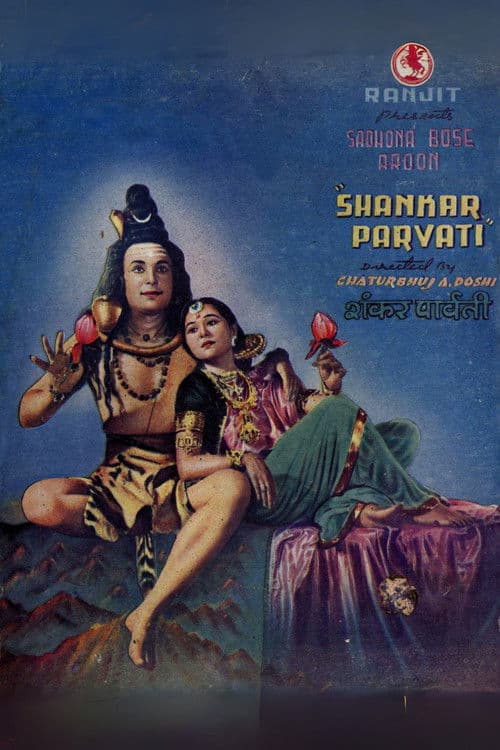
A dance-based mythological featuring Shankar (Arun), the triad in the Hindu pantheon (sometimes equated with Dionysus), who dances the Tandava, the dance of destruction, when his wife Sati kills herself after she is humiliated by her father. He then retires into meditation from which he has to be awoken to rid the world of the demon Tarakasura. The seductive powers of Sati, reborn as Parvati (Bose), liven up Shankar but she has to pay for this by doing extensive penance, after which she can be accepted again by her husband as a real wife, partly through the divine intervention of Vishnu.
Apr 1943
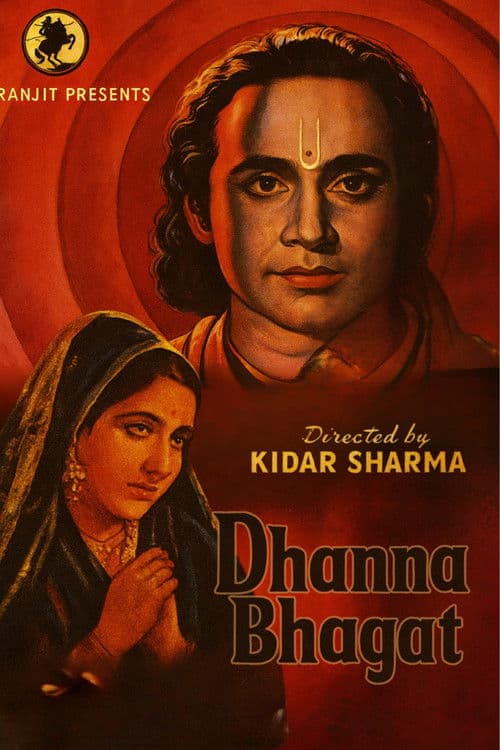
A spiritual journey of a young shepherd boy named Dhanna. Despite facing skepticism and challenges from his family and the local Zamindar, Dhanna's unwavering devotion to God leads him to perform miracles and ultimately triumph over adversity, showcasing the power of pure faith.
Dec 1945
A tearful melodrama about a progressive writer, Pushpa (Gohar), and her weak husband, Kulin (Billimoria). She has to fight her domineering mother-in-law and the tyrannies of a conservative household. When falsely accused of theft and infidelity by her wayward sister-in-law Gulab, Pushpa is forced out of the house. In her final state of penury, she recalls the examples of the great female Saint-Poets of Indian history, like Meerabai. Secondary characters are used to caricature Bombay's merchant class e.g. Mahatma Ramanand Adambar, a fortune-teller who suspects his wife of infidelity, and a gold collector called Prof. Pyarelal.
Dec 1935
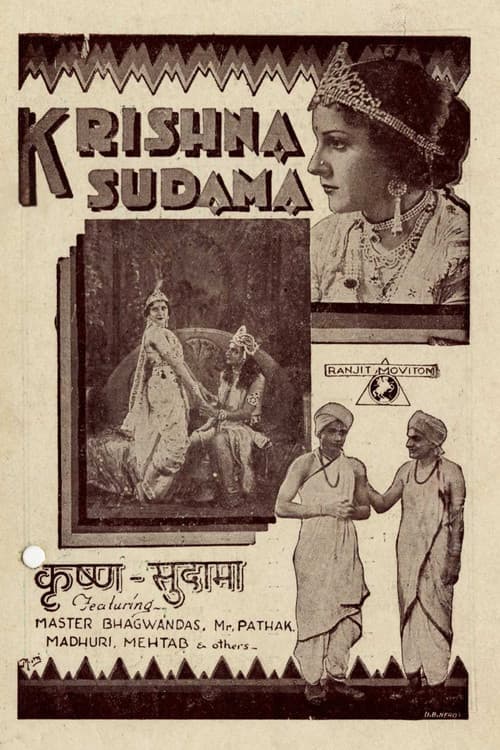
A mythological tale tells the cherished tale of Lord Krishna, the divine king of Dwarka, and his impoverished childhood friend, Sudama. Despite their vastly different lives, their pure bond of friendship endures. The story portrays Sudama's reluctant visit to Dwarka and Krishna's miraculous, selfless blessing upon his devoted friend.
Aug 1933
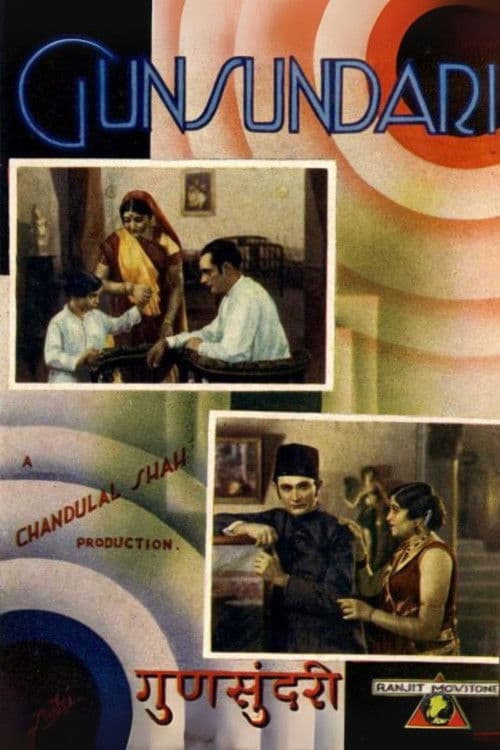
Gunsundari, the dutiful wife, acts as savior for her troubled joint family. Her father-in-law Shyamaldas battles alcoholism and accusations, while her husband Chandrakant falls prey to villains and a prostitute, losing his property. Gunsundari also aids her sister-in-law Sushila through marital woes, facing personal trouble due to a secret. Destitute, she eventually reunites with a similarly down-on-his-luck Chandrakant on the streets. A coincidence ultimately reveals Shyamaldas left his property to his estranged son, leading to a happy ending.
May 1934
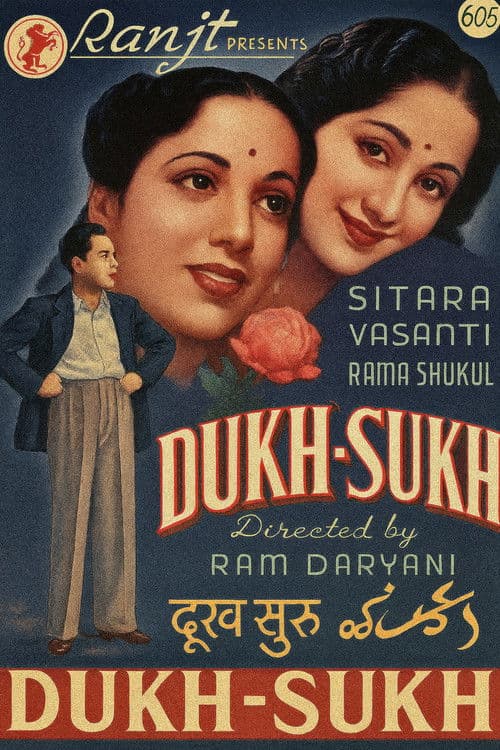
An early Indian drama, exploring themes of happiness and sorrow in everyday life, as its title ("Dukh Sukh" translates to "Pain Happiness" or "Sorrow Joy") suggests.
Oct 1942
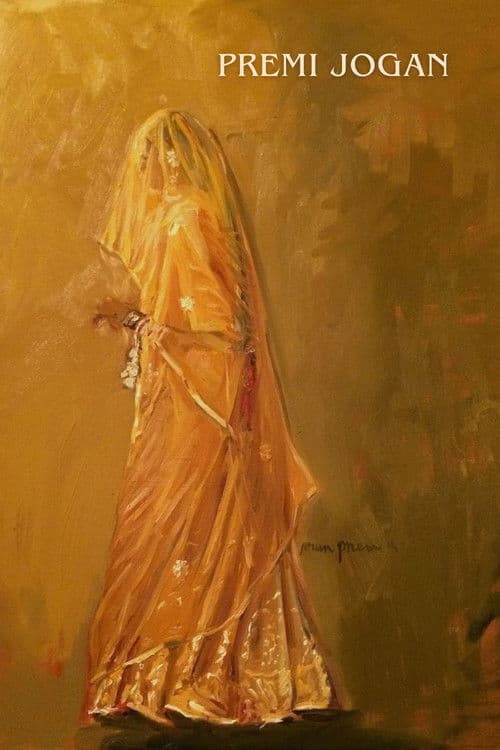
An earthquake separates wealthy siblings Premnath and Mala, leaving Premnath with amnesia and in love with beggar girl Mira. As Mala seeks to reunite with her brother, the film questions whether true love can bridge societal divides.
Feb 1941
A prince, fresh from his foreign education, returns to find his kingdom plagued by intrigues and rigid traditions. Disillusioned, he decides to venture among the poor in search of genuine love and freedom. During his adventures, he meets a simple village maiden, and they fall in love, leading to a series of thrilling and comedic encounters. The film blends this underlying serious theme with a light-hearted, slapstick comedic approach.
Aug 1940
An adventorous drama centered on a bold, rebellious, and unconventional female protagonist
Amar (Bilimoria) and Ila's (Shantakumari) love is disrupteted by the dashing Samar (Ishwarlal). The rivals get embroiled in the Kashmir war and Samar dies in Amar's arms. Amar returns to find that Ila has become an ascetic but they eventually get married.
Feb 1931
Anil, a rich banker, loves Leela but is arranged to marry the poor orphan Suman. A complex love triangle/quadrangle unfolds with misunderstandings and separations, ultimately ending with both Leela and Suman realizing their shared love for Anil.
Apr 1941
A devoted traditional wife heals her ailing husband, only for him to abandon her for a dancing girl. Can a modern, educated woman's revolutionary ideas mend the broken marriage and restore love?
Jul 1941
Set in 1910, its modern hero, Kanwal (Motilal), invents a ray that records pain and pleasure photographically. His experiments render him blind. Country lass Meera (Shamim) tends to him and they fall in love. Later Meera meets a sage (Shah) who has an expensive magic potion that cures blindness. Unable to afford it, Meera kills the sage, grabs the medicine and goes to Kanwal’s house while all nature protests her actions. There the evil Diwan (Bhagwandas) and his accomplices steal the medicine, cure Kanwal and take the credit. Kanwal, who can now see but does not recognise Meera, accuses her of murder but eventually realises the truth.
Aug 1942
The evil Chand (Motilal) and his rich father Mangaldas (Date) persecute the nice Sunder (Ishwarlal): he kidnaps Sunder's sister Kokila (Khursheed) and frames him for theft. Sunder is jailed. The abducted Kokila succumbs to the villain's charms and her love reforms him. When released, Sunder, unaware of the fact that his enemy has reformed, seeks revenge on the very day that Chand and Kokila are to marry.
Mar 1940
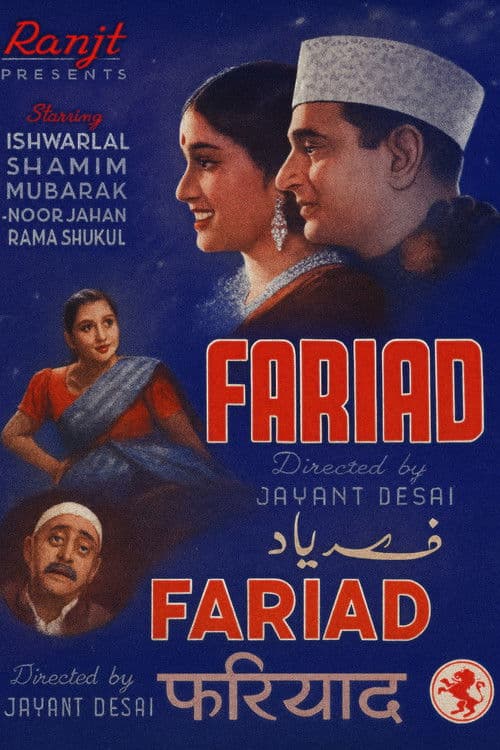
An early Indian drama centered on a grievance or plea for justice
The tyrannical Jabbar attacks a village and kidnaps the son of the devout Sayyed, named Iqbal. Raised by his captor, Iqbal becomes a tyrannical commander in Jabbar's army, forcing people to accept Jabbar as their god. During a campaign, he meets a group of "true" religious believers led by Sadiq, his daughter Sadika, and Princess Hamida. Hamida falls in love with Iqbal, much to the dismay of her suitor, Shaddad. As the plot unfolds, Iqbal learns of his true ancestry and is faced with a profound choice.
Feb 1934