Browse 34 movies from Instituto Português de Cinema (IPC)
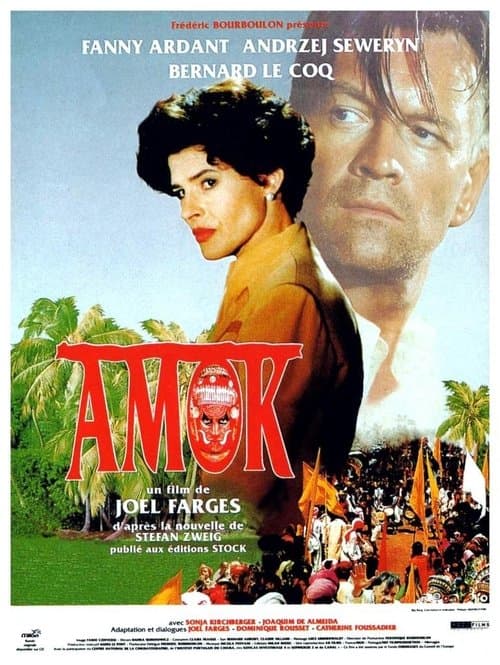
Whenever people are released from their society's constraints, there is the possibility that they will behave badly, at least according to the rules of the society they have left behind. This seems to have been particularly the case for Europeans living in colonial establishments in Africa and Asia. In this drama, based on a story by Stefan Zweig, Dr. Steiner (Andrzej Seweryn) was caught with his fingers in the till at a German hospital. Rather than prosecute him, they gave him the option of emigrating elsewhere. He chose to serve at a clinic in a remote part of Portuguese Goa. He has been on his best behavior for years, but when the beautiful wife (Fanny Ardant) of a diplomat comes to him asking for an abortion, he is tempted to ask for sexual favors in return, and his life swiftly goes out of control.
Oct 1993
End of the 20th century. A group of scientists executes a project aiming to prevent a nuclear war with the planet Khalom. From their experimental project, involving manipulating events in the past, two mysterious human creatures travel between the present and the 19th century, and back - getting in love with four different persons.
Mar 1988
A rock star-turned-bum, his vocal chords severed at the height of his career for the love of a woman, drunkenly roams the city, torn apart by sponsored race riots. When accused of murder, he may have the chance to get revenge on the magnate who maimed him.
May 1989
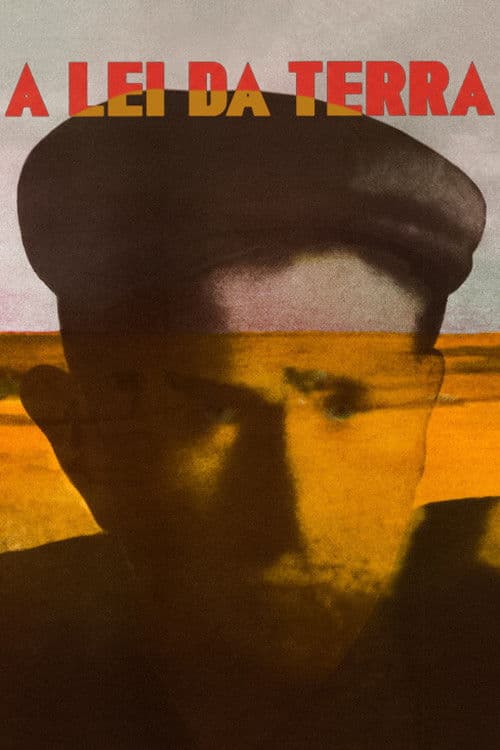
The agriculture reforming process, after the 1974 revolution, is seen through an analysis of the social structures and class struggles of the Portuguese society.
Mar 1978
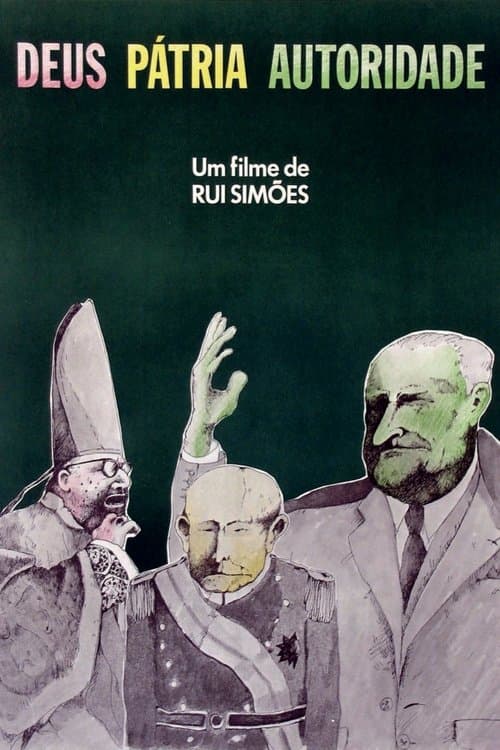
The history of Portugal since the Republican revolution of 1910 to the revolutionary period following the military coup of April 24, 1974, recounted with a marxist perspective, using historic sound and film documents. The title refers to a trilogy of values proclaimed by Salazar, prime minister of Portugal in 1936.
Feb 1976
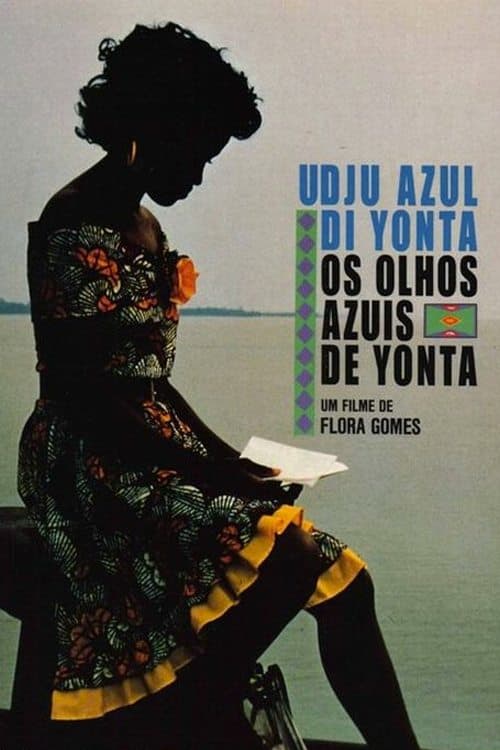
A beautiful, intelligent and flirtatious young girl, Yonta, is secretly in love with a friend of her parents, Vicente, a hero of the war of independence. Vicente is unaware of her passion as she is of the love of a young man who sends her anonymous love letters.
Feb 1992
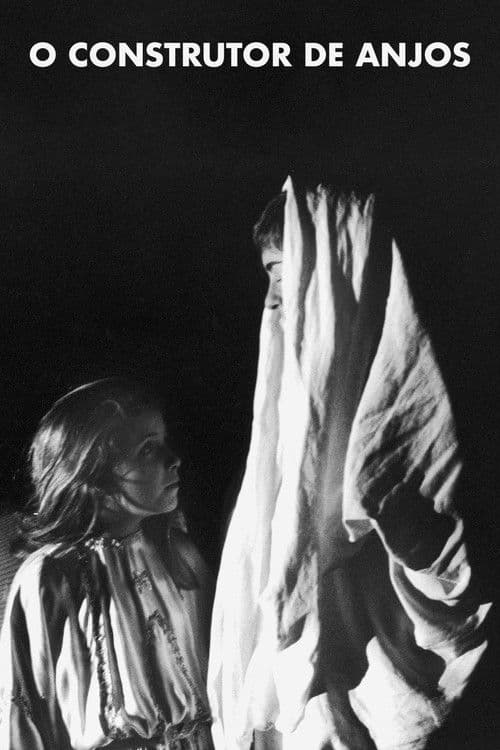
Gothic film in a monastery, where sensual monks murder the children they receive, with images of fantastic, painted from the author own painting and also from the Hammer films and the Saxon plastic tradition of romanticism.
Jan 1978
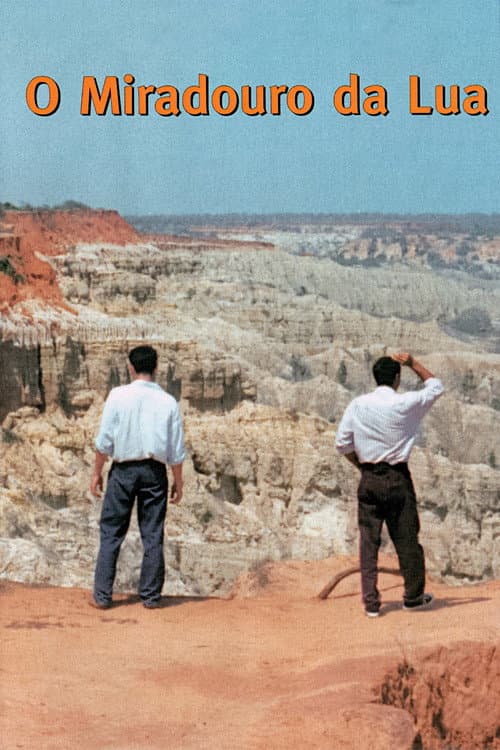
A young theater student receives an invitation from his unknown father to go to Angola with him. On the trip, he meets an Angolan student who returns to his country. When he goes to his father's address, he has a big surprise and his life will change ...
Jan 1993
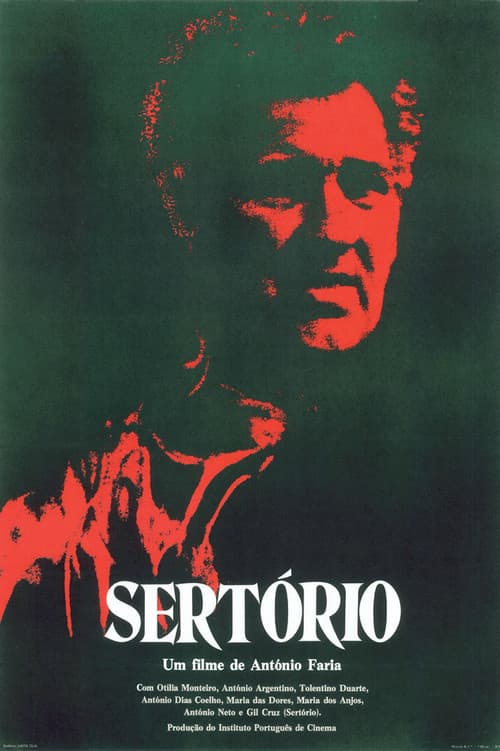
The last days of Sertório, the famous leader of Lusitania during the Roman Empire.
Apr 1977
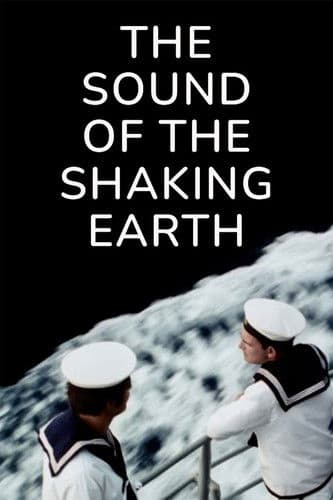
Freely based on Gide ('Paludes') and Hawthorne ('Wakefield'), this is a film about a writer who never wrote anything and who blows at nightfall the breath of frost. The poem by Carlos Queiroz to which the above sentences belong is not cited in 'O som da Terra a Tremer', but the atmosphere is that, between written letters never received. Fiction within fiction, stories within stories, like those Chinese boxes in which there is always one inside another. Or the two margins of the same river, always being lateral.
Oct 1990
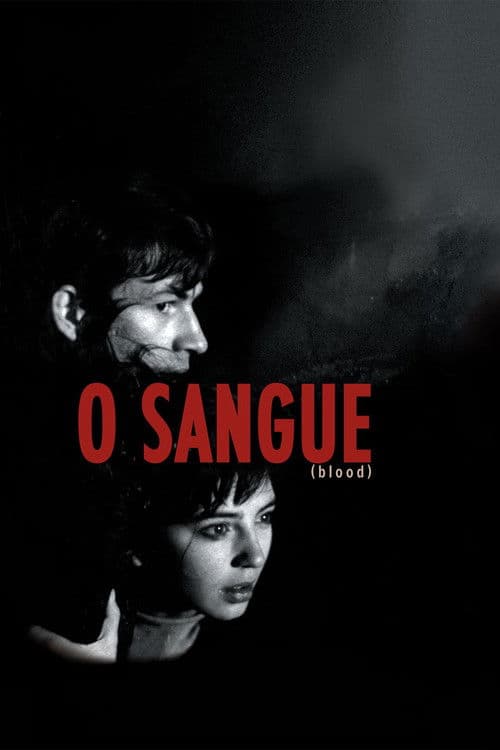
Nino, tough but sickly, and his older brother Vicente live in the country with their father. After their father disappears ― we’re never sure why ― murder is suggested. Vicente brings his girlfriend to the house, and a different kind of family is established as the three youngsters grow fiercely protective of each other. But their uncle grows suspicious about the fate of the missing father and forcibly kidnaps Nino, taking him away to the city and leaving Vicente to locate him there.
Dec 1989
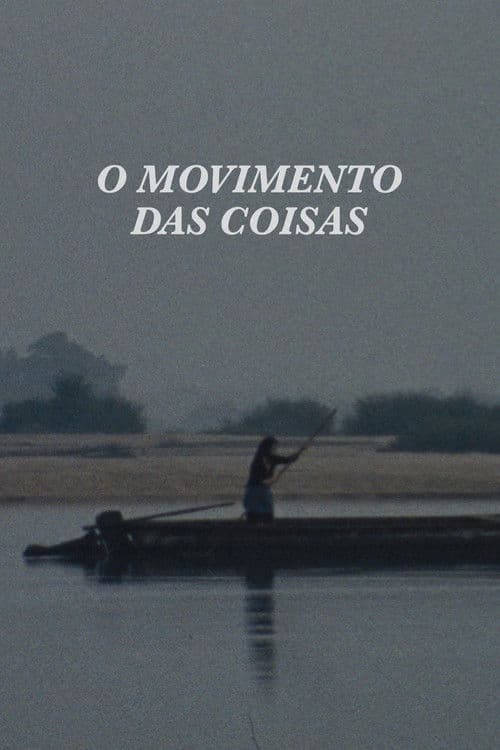
A picture of daily life punctuated by silence. In a village in the north, the daily routine of three families. Glimpses of Isabel, her eyes turned towards the future; for the others, living is the only meaning of life. The camera freezes moments of life through the movement of things in time, values and silence.
Nov 1985
In the summer of 1870, Raquel, who owns a farm, and lives secluded in her mansion with an old butler and a handful of servants, feels proud when an odd acquaintance comes by. Adriana and her daughter-in-law, Ermesinda, a very young girl, just happen to be visiting - the second time in 15 years for Adriana, and the first time for the teenager Ermesinda. The meeting seems to be pleasant, and yet, for reasons untold, there is coldness and reserve between Adriana and Raquel. Their ambiguous relationship will be revealed, when by accident old wounds are reopened.
May 1993
A young couple, unable to make love after being repelled on several occasions (like in a dubious inn), buys a bed and carries it for miles, until they reach a beach - where, exhausted, they end up falling asleep.
Jan 1975
Portrait of the last days of the life of Portuguese writer Camilo Castelo Branco.
Oct 1992
Laura Rossellini, a widow from Rome, vacations on the Algarve coast one hot summer. One day while sunbathing, she finds a wounded man named Robert drifting in the surf on a rubber raft. She takes him home, and, after he is revived, learns his story. As they talk, their mutual attraction grows, until a group of armed men suddenly arrive looking for Robert.
Oct 1986
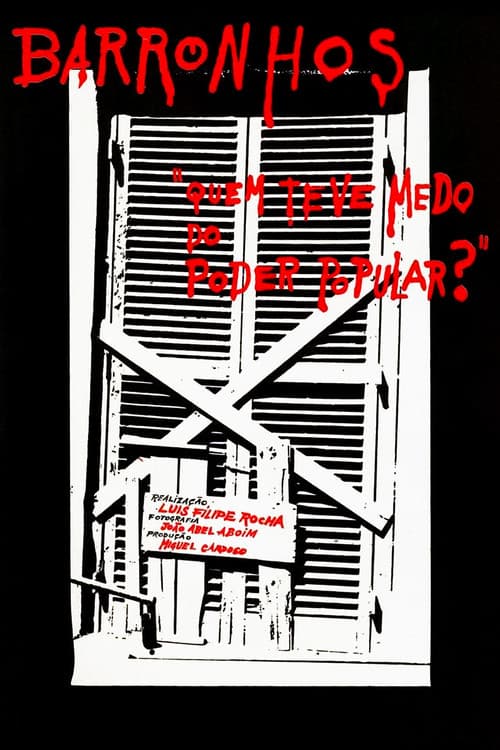
In the hot summer of 1975, in the middle of the revolution, in the heat of political and social conflicts, a crime is committed in a slum neighborhood on the outskirts of Lisbon. Analyzing this crime, as its causes, its protagonists, its local and national context, the film proposes a hot reflection on the Revolutionary Process in Progress (Processo Revolucionário em Progresso ) that throughout the year and throughout the country, and on how political contradictions, Social and economic rights that divided Portugal as a result of the military coup of 25 April 1974.
Jun 1976
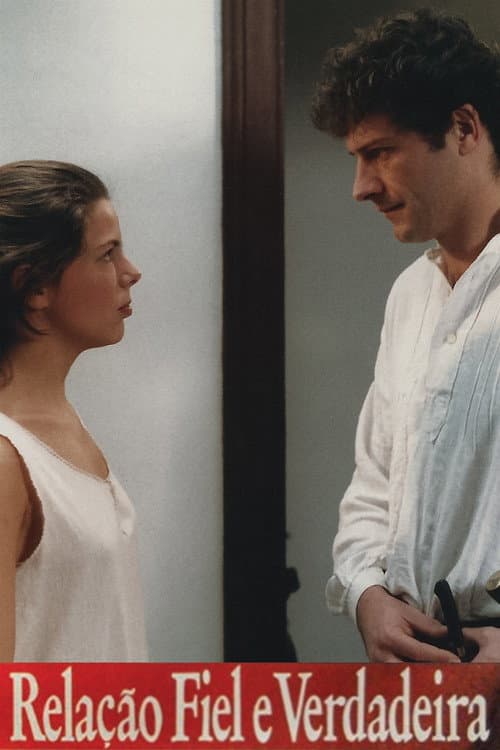
The young girl, Antónia Margarida Castelo Branco, is handed over by her mother to Brás Telles de Meneses because of the obscure interests between rural aristocratic families in the North. Brás is a ruined man, a bohemian with a reputation for violence and erratic behaviour. Antonia’s fortune is the first sacrifice made by the young wife. Fascinated by the man who humiliates and ill-treats her, she follows him in a pilgrimage to increasingly barren lands, to increasingly less hospitable houses.
Jun 1989
Dec 1975
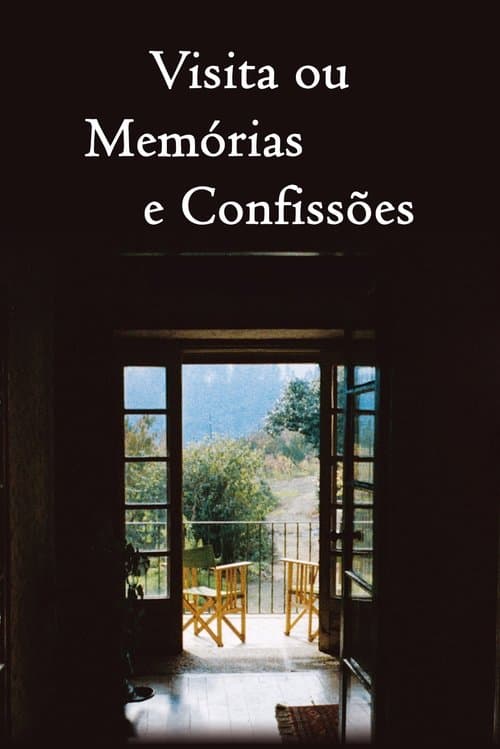
A long-hidden, personal doc about leaving a beloved house by the late, revered Portuguese director Manoel de Oliveira.
May 2015