Browse 102 movies from Studio Filmów Rysunkowych
A picture of a metaphorical relationship between a huge cauldron and its guardian - the stoker called Guzla, who puts fuel into the giant furnace. The coexistence of two forms: technical and organic leads to the interpenetration of worlds.
Jan 1979
A short animation inspired by the Stanisław Lem short story about Trurl from "The Cyberiad".
Jan 1975
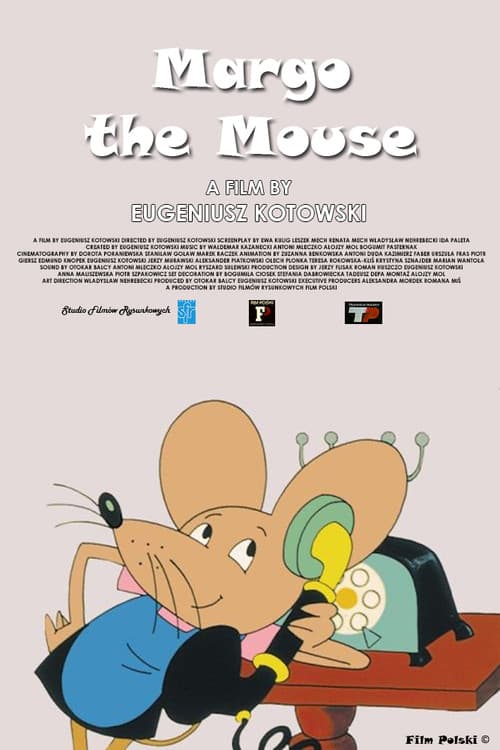
Compilation of several episodes of the original animated TV series 'Przygody Myszki', Margo is a little mouse that lives quietly in a tree. It is her house, where she cooks, she sleeps, she plays the piano. In the tree where she lives. Little Margo has neighbors: Eliana, a squirrel that lives in the upper floor of the tree or Dennis, a dormouse that lives in the back floor. Life in the tree runs smoothly, but there are people who are not willing to make life easy for Margo. The little mouse will have problems of the day to day with cats, beggars or owls. However, in each experience, Margo will learn various values about life, about friendship, about love, respect and independence. With her friends, Margo will live many adventures.
Mar 1986
A film featuring Bolek and Lolek about traffic regulations.
Jan 1976
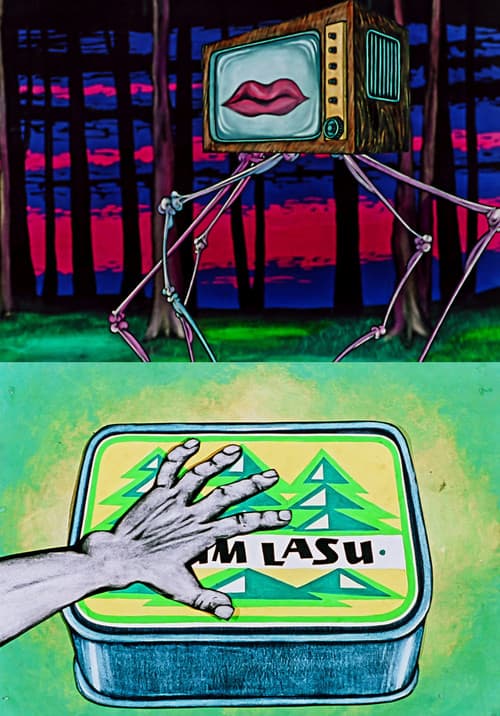
A man experiences a scary night in the old forest. The trees resemble monsters that have been frozen in time, the clock faces melt as in a surreal painting and the revolving door grinds them into pieces as in an expressionist film.
Jun 1973
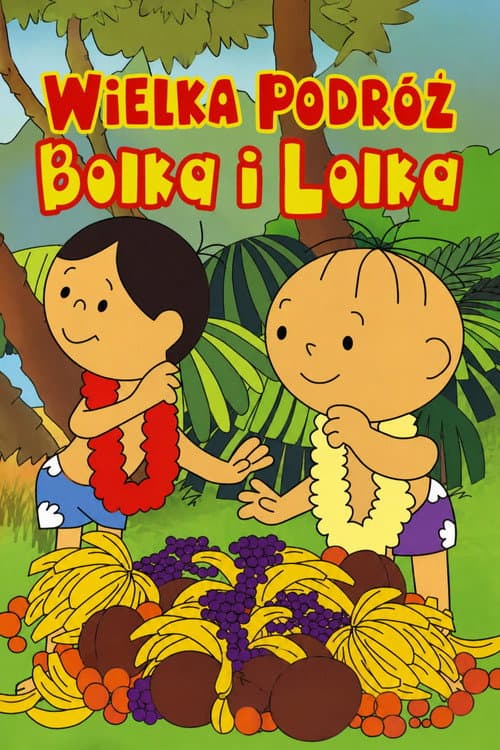
Animated film about two young boys, Bolek and Lolek, who seek to fulfill the last will of Phileas Fogg who decided that his inheritor would be the one who made an identical round the world journey as he had done, using the means of transport generally in use in the nineteenth century. As they journey round the world, a bad character named Jeremiah tries to foil their attempts.
Sep 1977
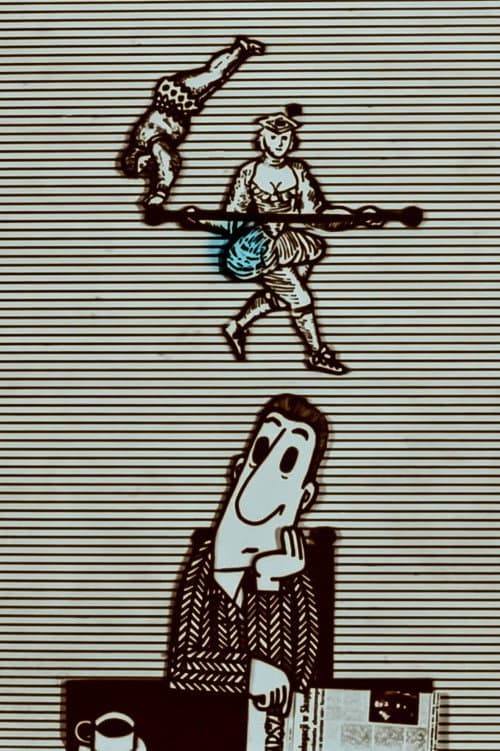
A lonely, middle-aged man enjoys the “Życie Warszawy” newspaper with a cup of coffee. His thoughts fly out of the room, move over the tenement house like a balloon. The world is full of grey, middle-aged men like him.
Jan 1966
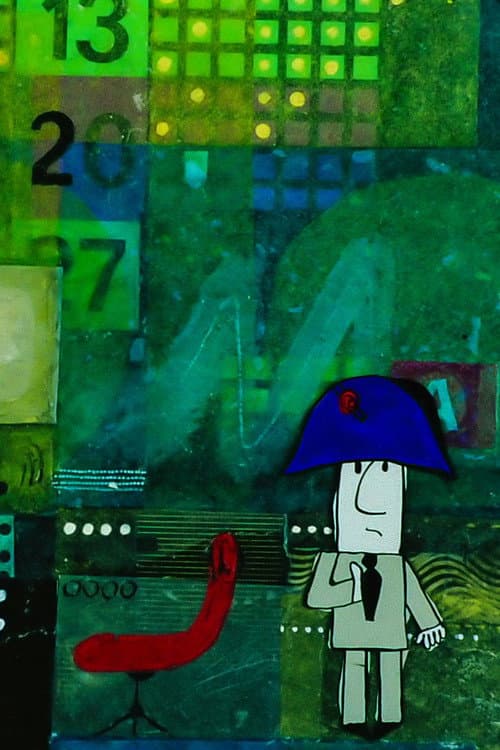
A mini history of human development. Civilization - military - architecture - fashion. The set design and look of the characters change together with the epoch. From the point of view of the individual, progress is not a clearly positive notion.
Jan 1969
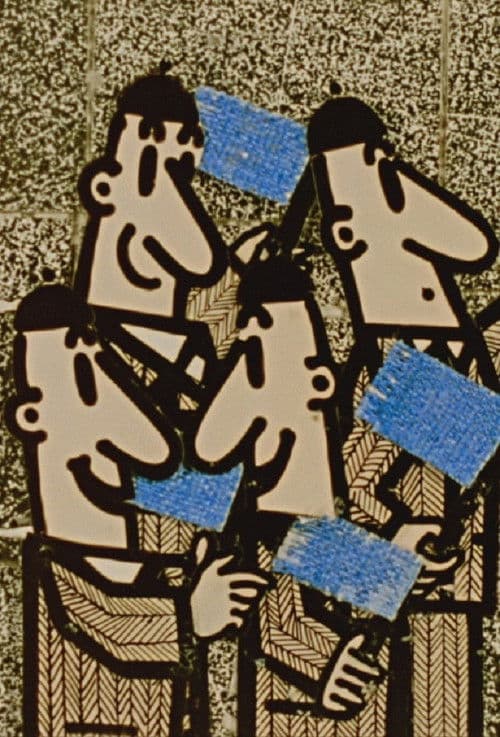
A sly critique of the communist regime in Poland, one of the carefree participants disrupts a patriotic march by retrieving a collection of unnecessary "bourgeois" items from inside his head. It introduces the disunity in their ranks as everyone starts playing with objects brought by him.
Jan 1965
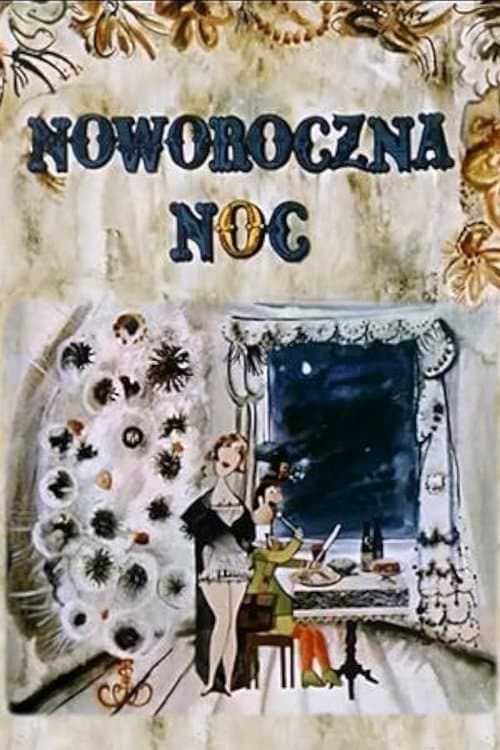
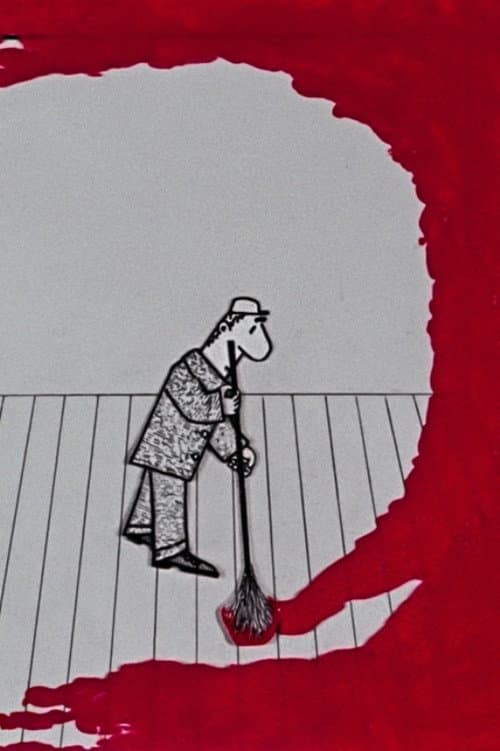
The mystery of the New Year's night told from three different points of view. A caretaker, a chimney sweep, and a postman visiting female tenants on several floors experienced it in a different way.
Jan 1964
The titular magic lantern is simple projection apparatus, invented several hundred years ago. In the animation, it appears as an object symbolizing the power of eyes and behind the scenes crimes.
Jan 1967
Nov 2021
Two billiard balls prepare themselves for hitting each other. The third one, the black ball, trembles with anticipation. Carom is a French version of billiards, three balls are used in the game.
Jan 1982
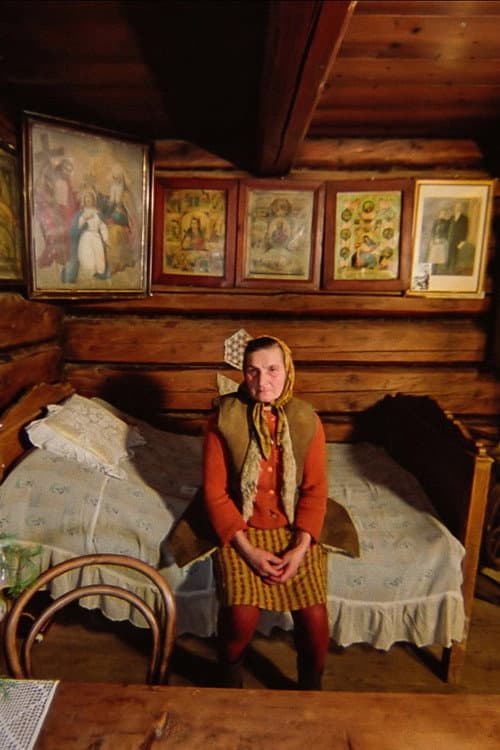
A fire crackles in the fireplace of a warm house, an old woman prepares a Christmas Eve dinner. Sitting on the bed, she freezes. The same goes for time. The woman looks at a black and white photo of a young man.
Jan 1978
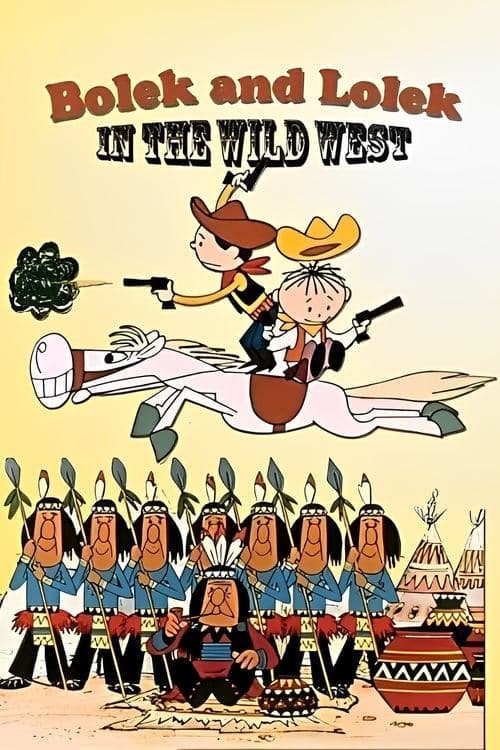
The dangerous thug Pif-Paf escapes from prison. Bolek and Lolek bravely chase after him through the prairie, canyons and rocky mountains.
Dec 1986
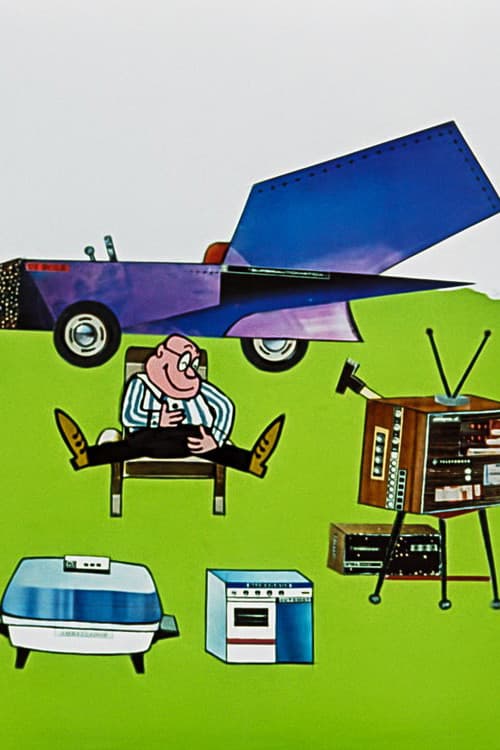
A man escapes from a city to the bosom of nature. The problem is that he takes a lot of things with him. He would like to be free as a bird, but the things take control over the man and do not let him go.
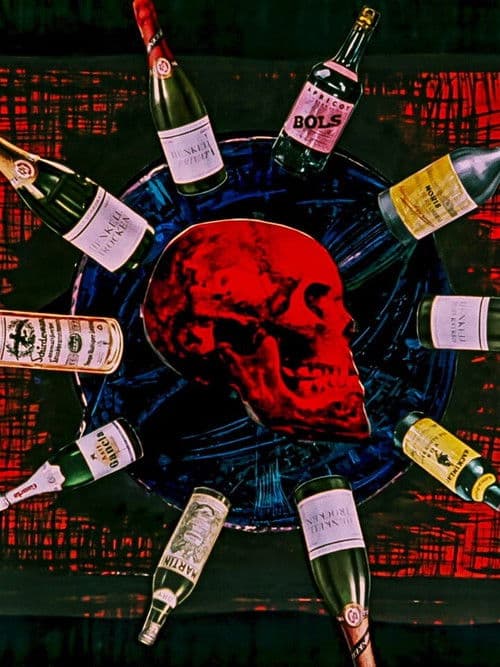
An anti-alcohol poster full of bitterness. Artistic compositions made of bottles and alcohol labels tell the story of drinking alcohol – it starts from drinking alcohol as a young person and ends with the death on the operating table.
Jan 1962
A way for summer by Bolek and Lolek.
Jan 1986
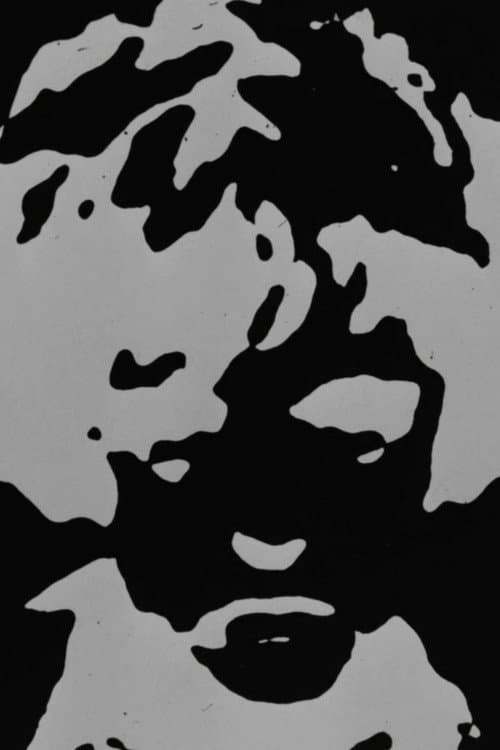
Graphic afterimages of photos documenting the Holocaust: the architecture of Auschwitz-Birkenau, bodies thrown on wires, skeletons of those who died of hunger, close-ups of the faces of people who got off the train. Plastic forming turns them into abstract stains. The film begins with an inscription carved in the wall. It says ‘Later definitely there will be no camps, there will be no states, people will not kill themselves’. It explains the intent of the title. Modern people live in too much of a rush to remember this.
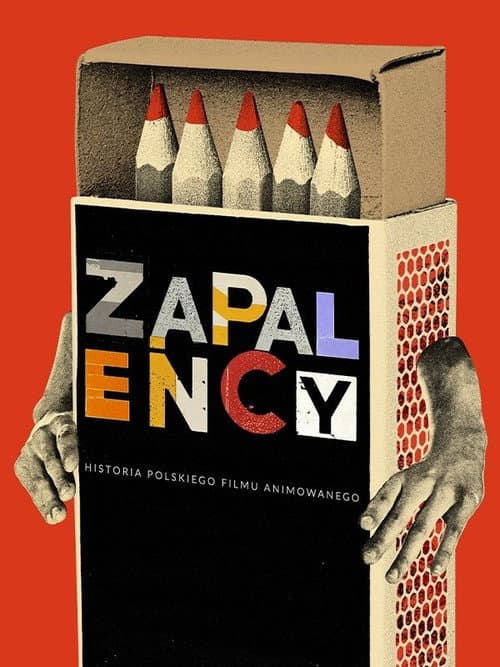
A century of Polish animation unfolds pre-war avant-garde experiments to today’s independent scene. It foregrounds a generation of committed artists who, working amid shifting social and cultural conditions, forged a singular visual language — blending cut-outs, puppets, and experimental techniques with surrealism, philosophy, and dark humour. Drawing on pioneers such as Jan Lenica and Walerian Borowczyk, the film explores how animation became a space for artistic exploration, subtle commentary, and formal innovation. A chronicle of artistic triumphs and an intimate portrait of a medium that constantly redefined the boundaries of imagination.
May 2025