Menu
© 2026 The Couch Critic
Browse 34 movies from Radiodiffusion Télévision Algérienne (RTA)
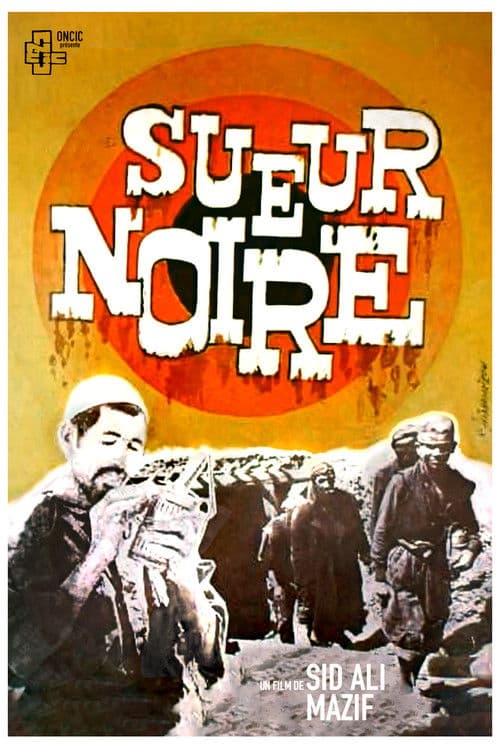
During French colonization, a young Algerian boy is expelled from the French high school where he is able to study thanks to his father's position in the village. For his father, whose dream is to see his son climb the social ladder, this is a disaster, and the young man decides to go to work in the mines. A general strike that is severely repressed makes him aware of the class struggle, and he joins the resistance against discrimination and colonial oppression.
Jan 1971
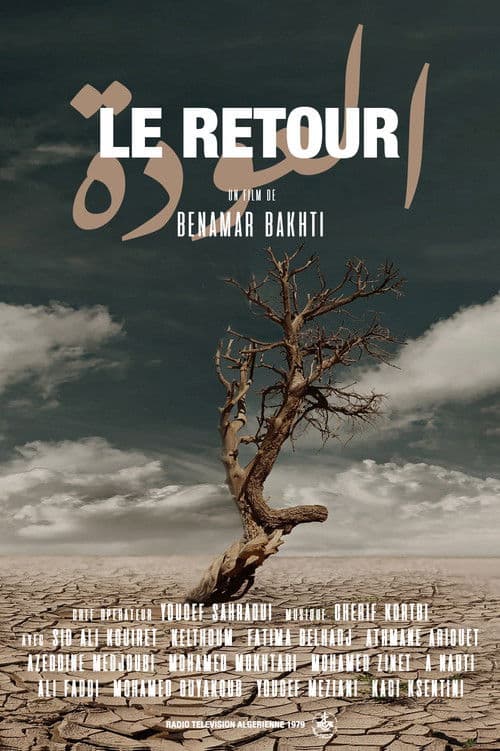
In the early 1970s, Lakhdar, an Algerian peasant, is forced to leave his desert land and his family for France, but immigration weighs on him and he dreams of returning. This day arrives, he walks in Paris, events decide otherwise.
Jan 1979
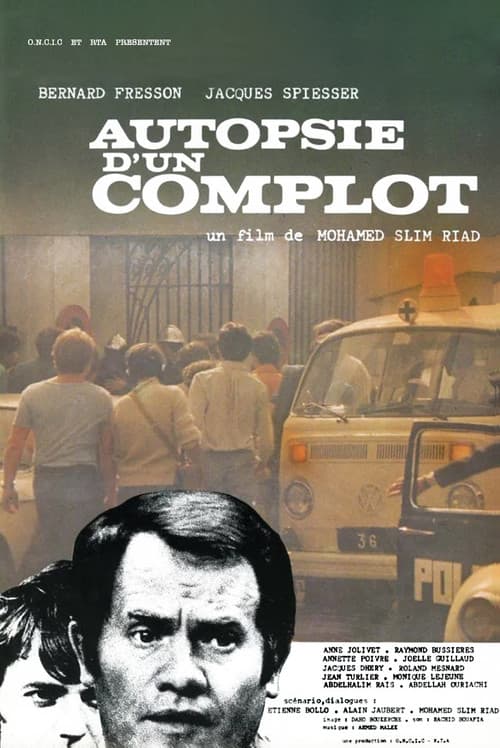
Terrorists blow up the consulate of an Arab country, before a journalist uncovers a larger conspiracy. The film is based on "Scorpion, autopsie d'un complot" by Etienne Bolo and Alain Jaubert (Balland, 1978), which tells the story of a plot targeting Algeria after the nationalization of hydrocarbons during Valéry Giscard d'Estaing's seven-year term.
Jul 1978
The Iranian revolution leads to the Shah’s downfall and installation of the Islamic Republic. Avoiding the more sensational elements of the news this film questions Iranian society as a whole to try to understand what this wave of change means for the Muslim world.
Jan 1980
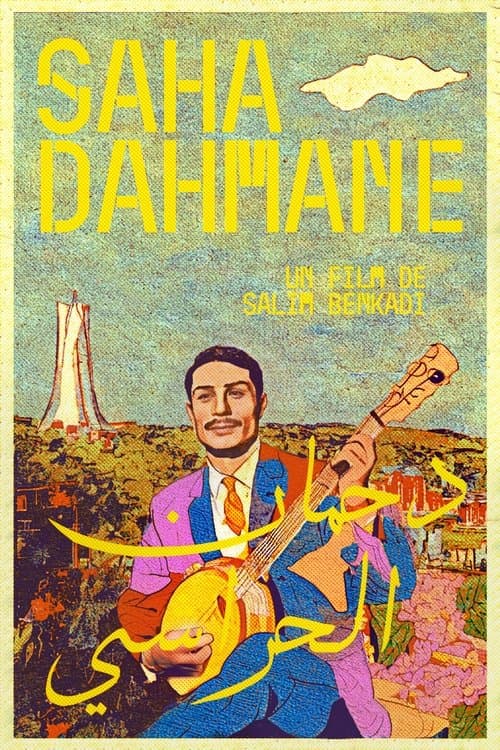
Film about Dahmane El Harrachi, musician, singer and composer of the famous song "Ya Rayah", a cult song covered by Rachid Taha, which will enjoy international success. Virtuoso of the banjo, the work of Dahmane El Harrachi did not initially respond to the canons of the purists of Algiers Chaâbi song. However, he will end up establishing himself alongside great masters of the genre, El Hadj M'hamed El Anka, Boudjemaâ El Ankis, El Hachemi Guerouabi, Amar Ezzahi... He plays his own role in this film shot with his musician friends, just before his tragic death in 1980 in a car accident on the Corniche of Algiers.
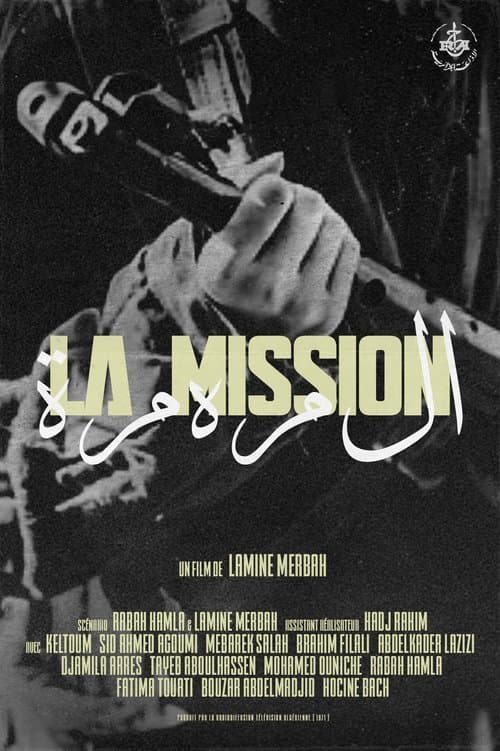
Directed by Mohamed Lamine Merbah.
Oct 1972
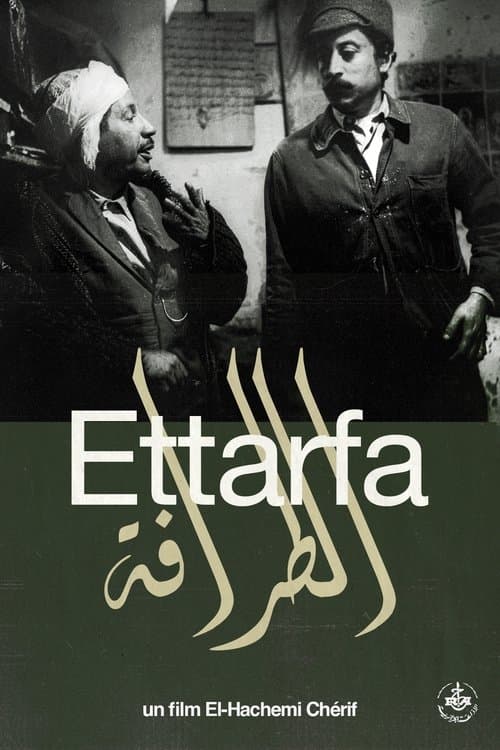
“Ettarfa” is a film by El-Hachemi Chérif produced by RTA, released in 1971.
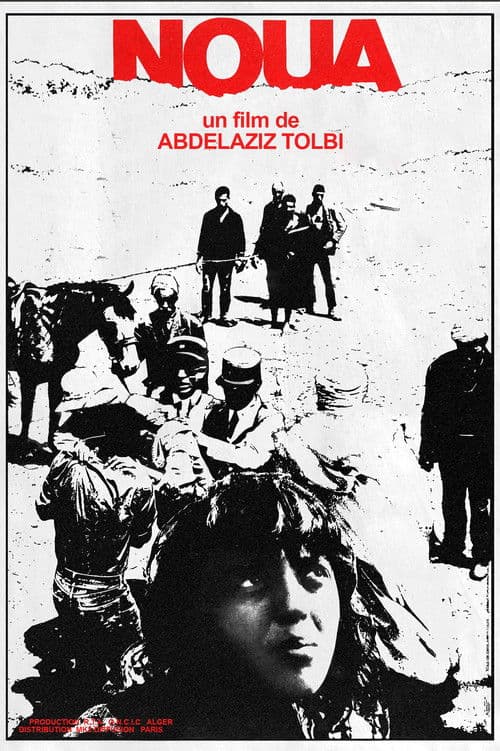
In Algeria in 1954, in a village in the Aurès region, poverty reigns over peasants enslaved by colonial administrators and Algerian landowners. Noua, in love with the son of a peasant dispossessed of his land, must be sold to a wealthy landowner.
Jan 1972
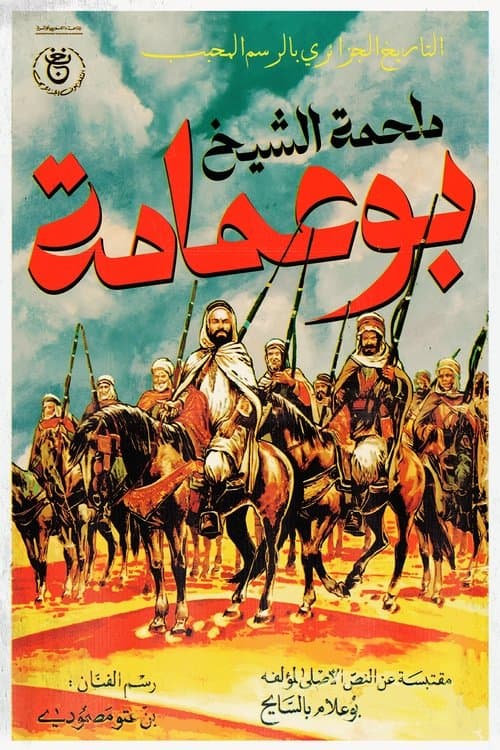
The story of the film revolves around the epic of Sheikh Bouamama, a leader of the national resistance in Algeria during the French colonial era. The events are taking place in southwestern Algeria. The film also tells about different stages of the resistance, especially about one of the uprisings of the Algerian people, namely "the battle of the sons of Sidi Sheikh Bouamama", in which French General Leuti was appointed to try to suppress and end this resistance.
Jan 1985
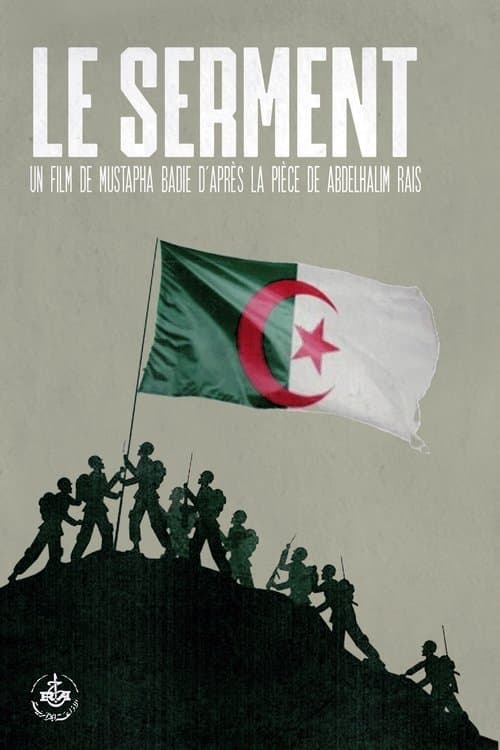
The Oath, a TV film produced by Algerian television in 1963 following the end of the war of independence, tells the story of young Algerians who joined the resistance after the bloody repressions of May 1945 in Constantinois by the French colonial army .
Jan 1963
Rabie is a kid from Sétif in 1980, trying to collect money to buy a wheelchair for his paralyzid sister Sassia, so she can get out of the house.
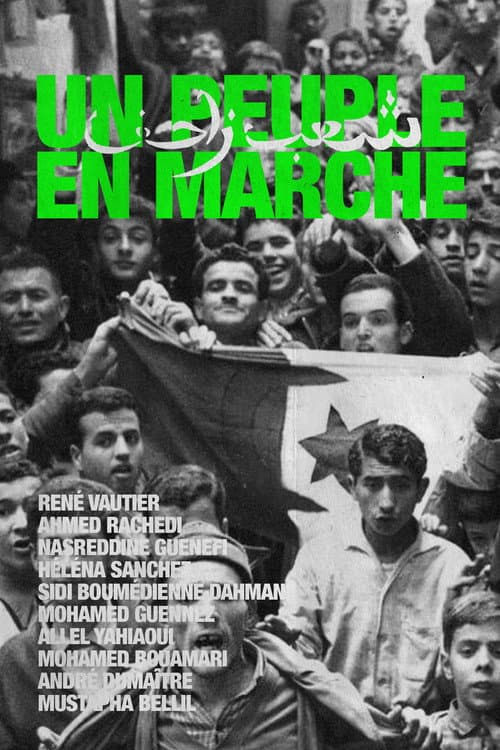
Collectively directed by the members of the Centre audiovisuel d'Alger at Ben Aknoun, the film traces, in two parts, Algeria's recent history, from colonial repression to the birth of the National Liberation Army, and the country's postwar reconstruction, framed in sympathy with the socialist project of Ahmed Ben Bella's government. Released in 1964, the film was banned and sealed after Houari Boumediene's June 1965 coup, precisely because of its favorable treatment of Ben Bella.
May 1967
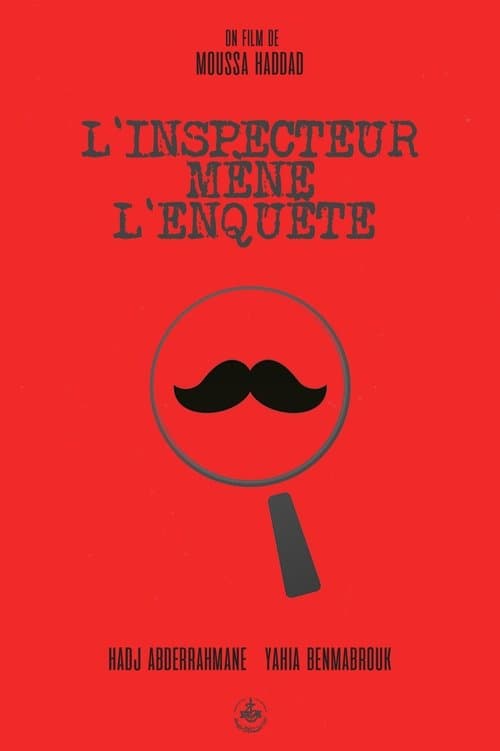
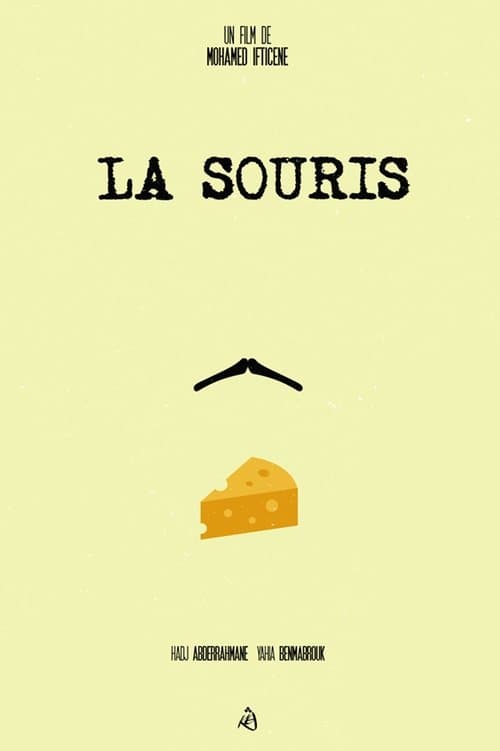
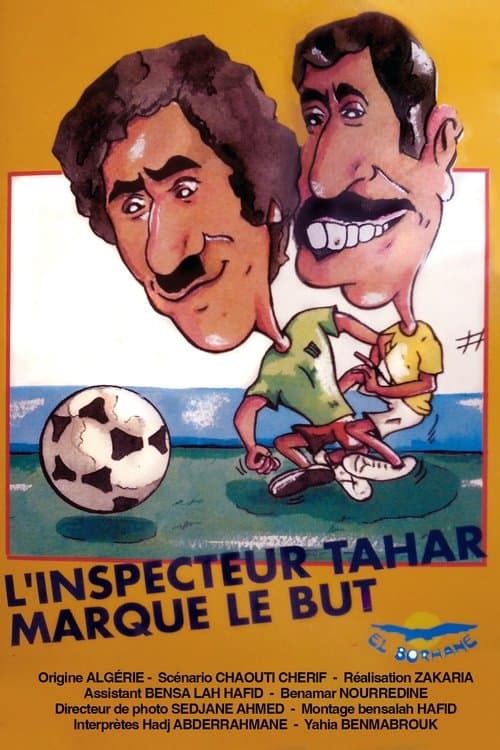
In Algiers, the shock duo made up of Inspector Tahar and his sidekick L'Apprenti lead the investigation in the footsteps of a formidable bandit named "La Souris".
Jan 1968
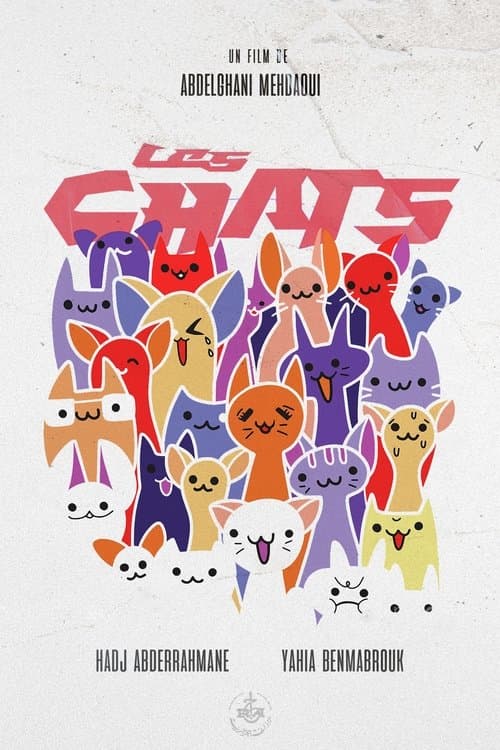
A group of angry women head to the police station, all complaining about the kidnapping of their cats. A full-scale investigation begins, led by Inspector Tahar and his sidekick, the Apprentice...
May 1979
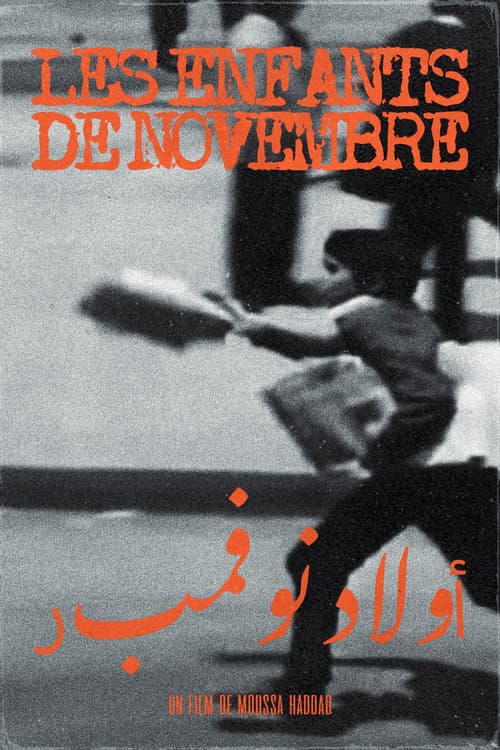
In the streets of the Casbah of Algiers, an FLN fighter pursued by the colonial police hands over confidential documents to Mourad, an Algerian child shouting newspapers who must at all costs pass them on to the resistance. But the police are on their trail and will do anything to get them back.
Jan 1975
An Algerian peasant (fellah), crushed by the soldiers of the French colonial army, decides to resist. His young wife finds herself, despite herself, also enlisted in the Algerian resistance to flee the atrocities of harsh colonial persecution.
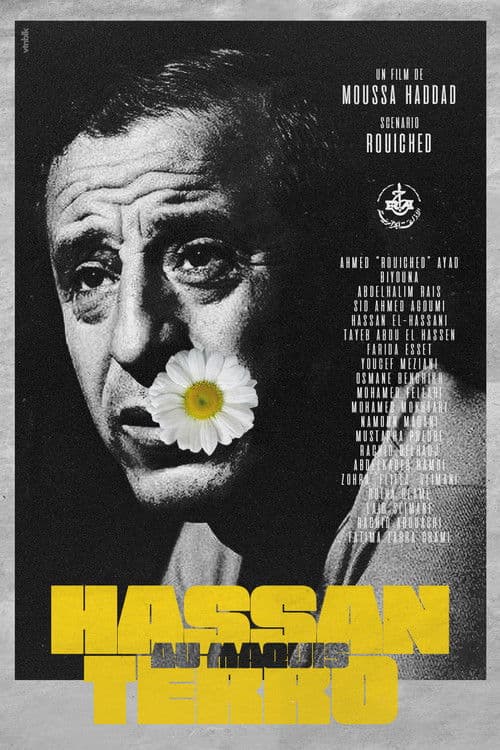
While trying by all means to stay out of the bloody turmoil caused by the Battle of Algiers, Hassan, an honest and naive family man, is wrongfully accused of terrorism by the French colonial army in "Hassan Terro." After escaping in "The Escape of Hassan Terro," Hassan is forced to join the resistance in "Hassan Terro in the Maquis."
Jan 1978
Sep 1985
A simple case of a car accident in the city of Oran turns into a real criminal investigation led by Inspector Tahar and his sidekick the apprentice.