Menu
© 2026 The Couch Critic
Browse 442 movies from INA
18 years after his last film, (The Troubles We've Seen), Marcel Ophuls emerges from retirement as one of our last masters, the most corrosive, the funniest as well. And the most forceful. The director of The Sorrow and the Pity shares with us stories of his exceptionally rich life in this light-hearted yet bitter escapade though the century and the movies. Son of the great Max Ophuls, he is generous in his admiration. We also meet Jeanne Moreau, Bertolt Brecht, Ernst Lubitsch, Otto Preminger, Woody Allen, Stanley Kubrick and of course François Truffaut. There are no great filmmakers without a memory, so here is the memory shop of Marcel Ophuls.
May 2013
A man's bathroom routine triggers a miraculous vision in a nearby church.
Mar 1986
After an extensive immersion work on abandoned childhood, Ciro Durán presents, from his point of view, the life of street children, who have broken all family ties and have regrouped to survive in the concrete jungle.
Jul 1977
Aug 1983
Alone in a dark room, a mysterious woman dreams while surrounded by phantoms.
Jan 1988
May 2012
The largest country in the Arab world and a producer of hydrocarbons, Algeria has everything it needs to weigh on the international scene. But Africa's second military power seems undermined by its internal problems. While the Bouteflika regime has fallen and the popular “hirak” movement has shown that the people are ready to enter a more democratic era, the country appears as a colossus with feet of clay, which has failed enhance their independence. How did this isolation come about? From the “dark decade” of terrorism to the fall of Bouteflika, via 9/11 or the Arab revolutions, this documentary sheds light on Algerian foreign policy in recent decades, while deciphering the strategy of Western powers towards it.
Sep 2021
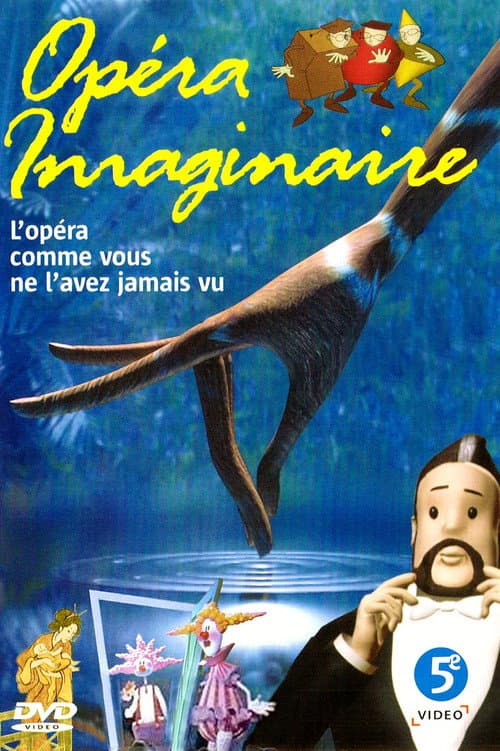
Like Fantasia (1940) or Allegro Non Troppo (1977), L'Opéra Imaginaire (1993) is an assembly of animated short films based on classic music greats. Directed by some of the best European animators and artists, L'Opéra Imaginaire takes us through dance, theater, music and painting masterpieces. It uses several animation techniques, like stop-motion clay animation or CG characters.
Mar 1993
In the community gardens of New York
0
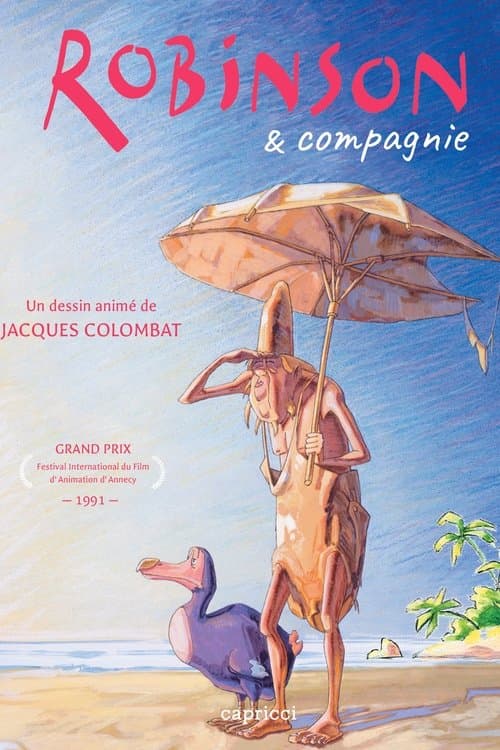
As of his early childhood Robinson Crusoe has wanted to become a sailor. And when he does become one bad luck has it that the vessel he sails on gets shipwrecked. Being the only survivor of the catastrophe, he manages to take refuge on a desert island where he will spend several years, learning how to survive...
May 1991
In 1976-77, José Ma Berzosa contacted General Pinochet during a trip to Chilean Antarctica. On his return to Santiago, Pinochet agreed to be interviewed. In front of the camera, the General and three members of the junta speak about their memories and political thoughts, artistic tastes and their family lives. From the interviews, conducted in an apparently cordial atmosphere, emerges an ironic portrait without concessions of their taste for order, efficiency and a certain "ordinary fascism." By way of contrast, the families of victims and missing people endure a different reality.
Jan 2004
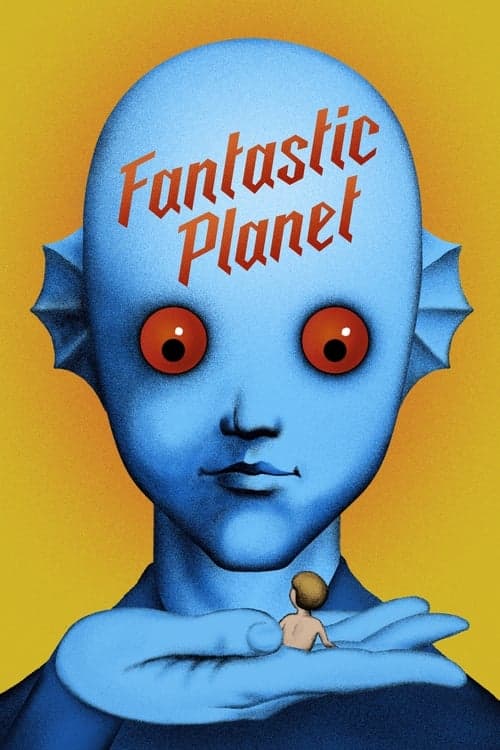
On the planet Ygam, the Draags, extremely technologically and spiritually advanced blue humanoids, consider the tiny Oms, human beings descendants of Terra's inhabitants, as ignorant animals. Those who live in slavery are treated as simple pets and used to entertain Draag children; those who live hidden in the hostile wilderness of the planet are periodically hunted and ruthlessly slaughtered as if they were vermin.
Dec 1973
An 8-minute satire on politics featuring the first French presidential election campaign broadcasts from 1965 and The Shadoks.
Jan 1992
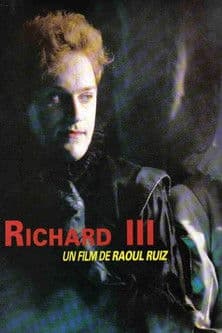
Richard of Gloucester uses murder and manipulation to claim England's throne.
Jan 1986
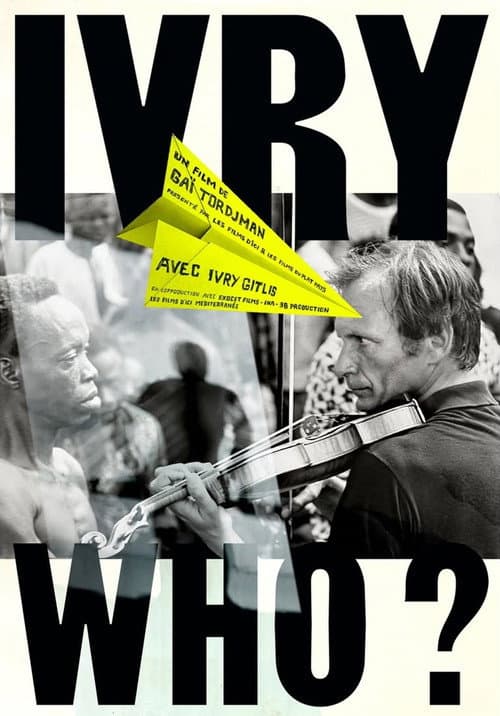
Paris, 2016. At two in the morning, a young filmmaker in crisis meets his 93-year-old neighbor — the legendary, mercurial violinist Ivry Gitlis. Their unexpected bond ignites a five-year odyssey into the soul of a forgotten genius, to help understand why Ivry was virtually erased from the official records.
May 2026
A series of compounding dramatic situations, drawn from Georges Polti's '36 Dramatic Situations' and acted out in shadowplay and voiceover.
Jan 1982
After her brother was killed by a notorious all-female pirate gang, Morag dedicates her life to bringing the murderers to justice. Soon, she has become an important member of the pirate gang and has begun acquiring the loyalty of key members. Eventually, she makes her move and challenges the leader, a demi-god, known as "The Daughter of the Sun."
Nov 1976
Chantal Akerman meets with elderly Jewish women in Paris, all of them survivors of the Shoah, and listens to their family stories. Between interviews, Akerman's mother Natalia speaks of her own family. Made for a French miniseries on grandmothers.
Aug 1980
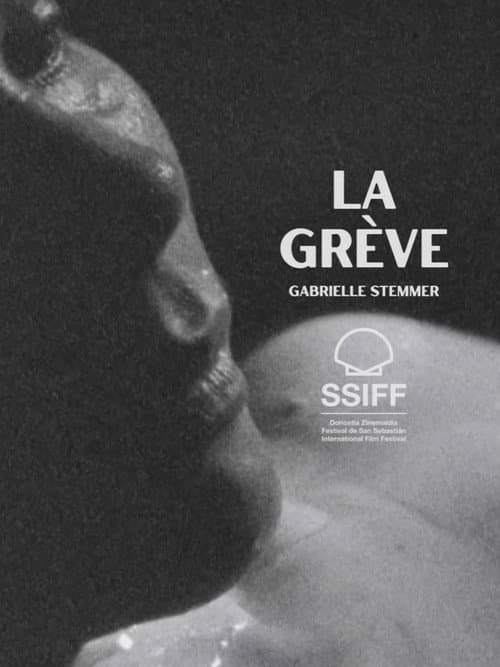
Through the editing of archive footage and a reading of Ovidie's La Chair est triste hélas, Gabrielle Stemmer's collage film shatters the heterosexual model, a story that is both intimate and political.
Sep 2025
In a gargantuan city lurking in the sky, powerful immortals who have become jaded with eternal life. Most of their time is spent monotonously constructing bizarre and unusual objects while waiting for the ultimate gift to arrive.
Sep 1983