Menu
© 2026 The Couch Critic
Browse 26 movies from Przedsiębiorstwo Państwowe Film Polski
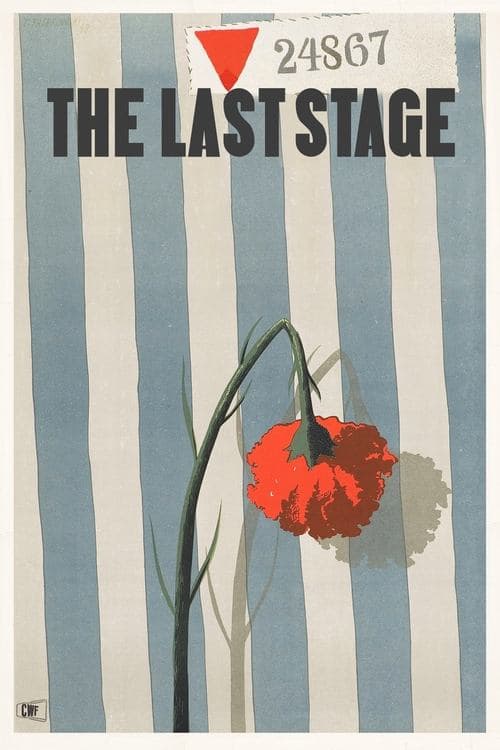
Poland, during World War II. Martha Weiss, a Jewish woman, arrives at the Auschwitz extermination camp with her family. She is assigned the role of interpreter, but her loved ones are much less fortunate.
Mar 1948
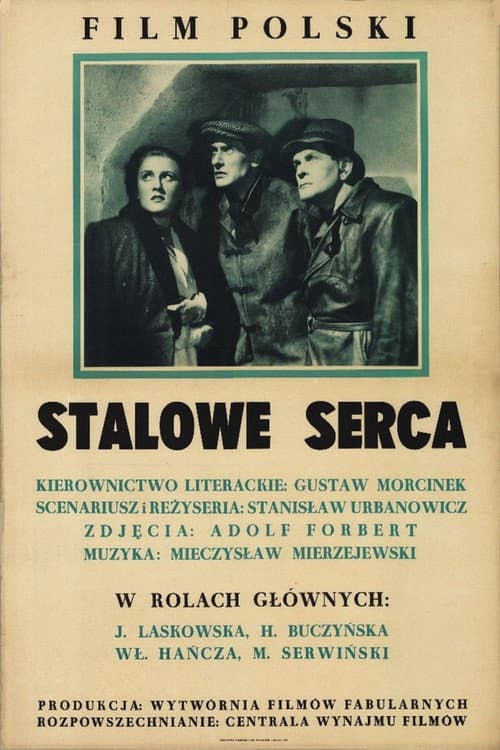
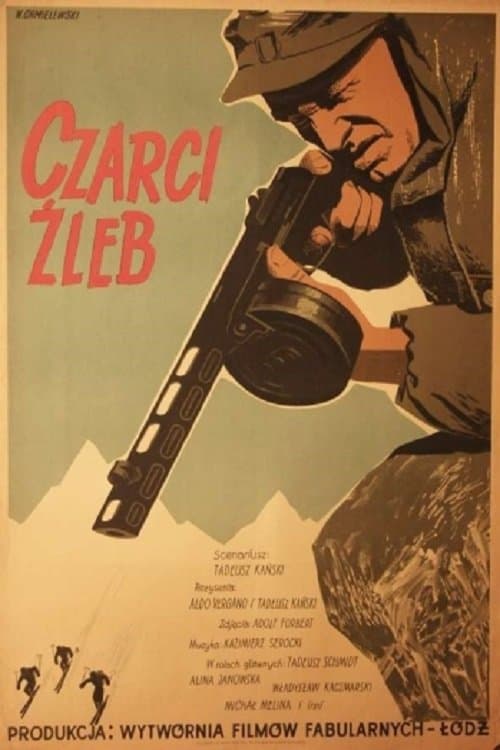
In occupied Silesia, resistance is organizing. In close contact with the miners and led by an engineer, a group of partisans prepare the sabotage of the steel combine. The going will be tough as the place is closely guarded by the Nazis. But despite a denunciation from a traitor and several violent deaths, they get going and the operation is a success. But the Red Army is approaching and now the coal production must not be sabotaged anymore. On the contrary, the partisans must prevent the Germans from destroying the steel mill and the coal mine...
May 1948
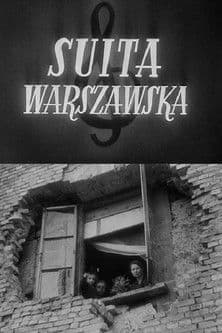
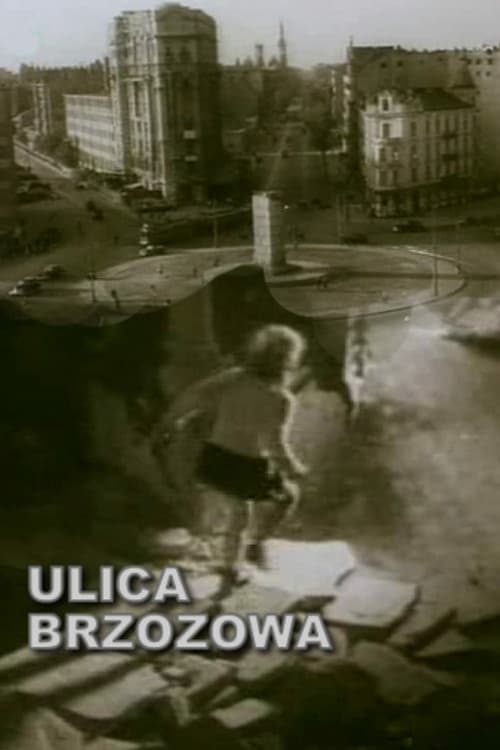
A film suite divided into three parts showing successively the defeat of Warsaw, the gradual awakening of the capital and the first post-war Warsaw spring. The film has no commentary, only music, whose mood and rhythm are closely related to the character of the presented images.
Oct 1946
A young teacher educates the peasants and electrifies the village, which the local miller does not like.
Dec 1947
A social drama that depicts a conflict between a young factory collective and a sympathetic but backward old specialist.
Sep 1950
A documentary about the problems of post-war reconstruction and the beginnings of socialism in Bulgaria, Czechoslovakia and Poland.
Jan 1949
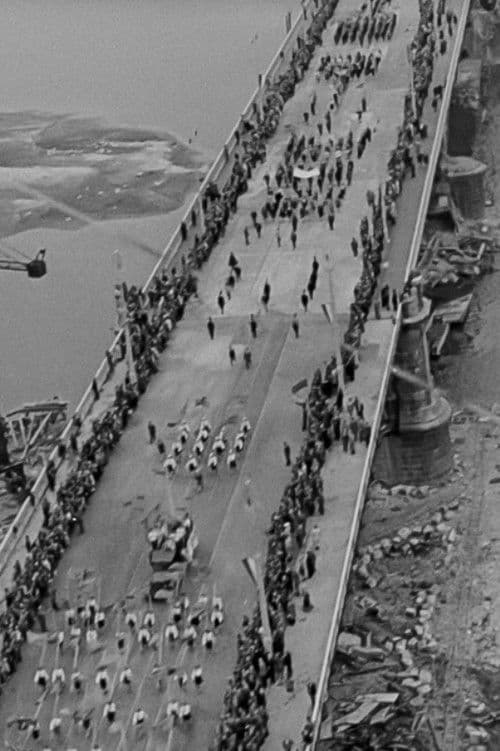
The Germans destroyed all bridges in Warsaw during the war. The reconstruction of the Poniatowski Bridge began in July 1945. Workers from all over Poland were involved in this process. The inauguration ceremony took place on the Day of the Rebirth of Poland (the 22nd of July 1946).
Follows the lives of people shortly after World War 2 as they try to adjust to their new lives. Completed in 1946, it was banned from release by the communist government of Poland until 1957 in edited form.
Dec 1957
The son of a poor shoemaker dreams of the titular accordion. He is ready to give up his shoes, jacket, and savings in order to get the instrument displayed in an antique shop.
Jan 1947
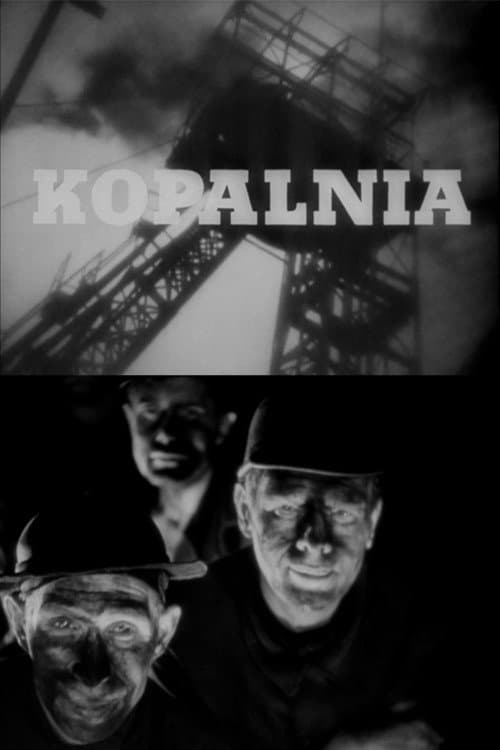
A film dedicated to miners, showing the hardship and risk of working in a mine. Devoid of verbal commentary, it draws its impact from the form: suggestive cinematography close to the pre-war avant-garde, dynamic editing closely linked to music. Brzozowska was accused of formalism at the 1949 Congress of Filmmakers in Wisła, where socialist realism was proclaimed.
Sep 1947
Battered Warsaw is getting back to life after the WW2 destruction. The ruins of the Old Town become homes once again.
Documentary about the Peace Congress held in Vienna in 1952. The film shows the opening speech of the President of the World Peace Council, Professor F. Joliot-Curie followed by speeches by a number of outstanding peace activists, representatives of nations from 85 countries. In addition to the main session, the film also includes footage of the meetings of the various commissions and sub-commissions, then footage of the streets of Vienna, where the peace delegates were besieged by the youth of Vienna and their requests for autographs, and then footage of the closing session of the Congress and the procession through which the Viennese greeted the peace delegates. The film was made with the cooperation of the Polish State Film, DEFY and Czechoslovak State Film.
Jul 1953
Preparations for a rural folk festival. The shop manager, GS Patyk, quietly resells the goods to a private shopkeeper.
Mar 1947
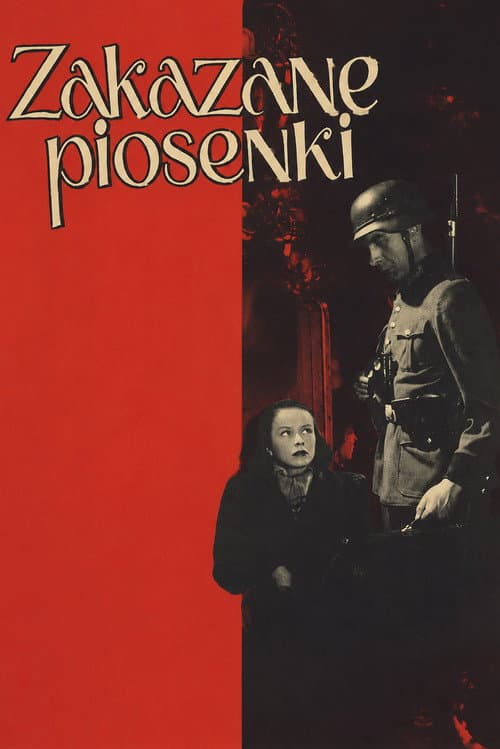
A mother is looking for her missing child, with whom she lost contact while in a concentration camp. The film was completed in 1948, but it was banned from distribution by the government, until finally releasing in 1991.
Apr 1991
A propaganda documentary that illustrates the essence of punctuality at work and translates it into simple real-life examples.
Jan 1948
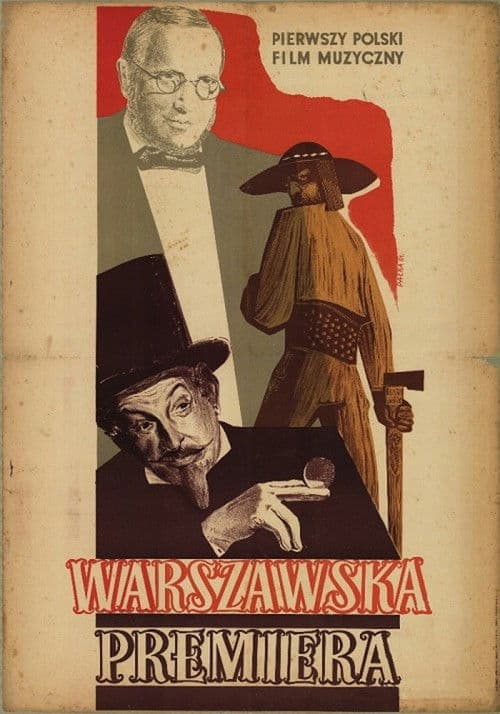
Set during the German occupation of Warsaw during WWII, this musical tells the story of several inhabitants of the same tenement house.
Polish composer Stanisław Moniuszko fights for the right to stage his opera "Halka".
Mar 1951
Shot in the beautiful scenery of the Tatra Mountains, this sensational drama revolves around a thwarted smuggling of art pieces across the Polish-Czechoslovak border to the West. Highlander Jasiek used to be a smuggler, now he is a soldier of the Border Protection Forces, serving in his homeland, in the Tatra Mountains. Under the influence of the educational work of his superiors, as well as his love for Halka, he becomes a righteous citizen. He contributes to preventing the smuggling of valuable works of art abroad organized by a Polish aristocrat and carried out by a gang.
Jan 1950
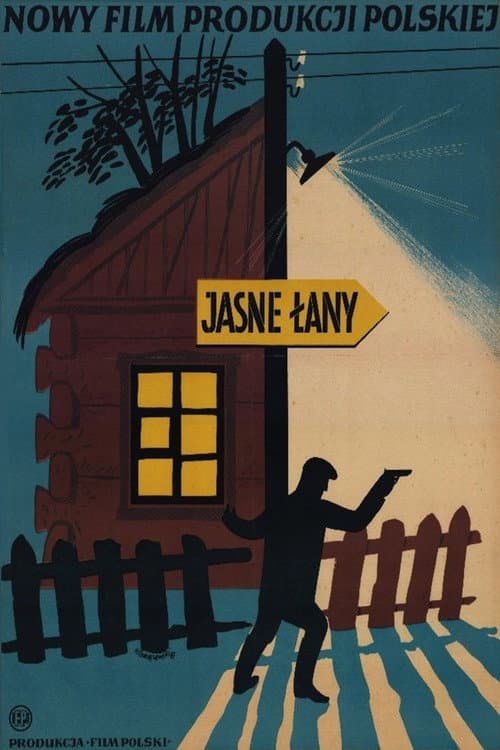
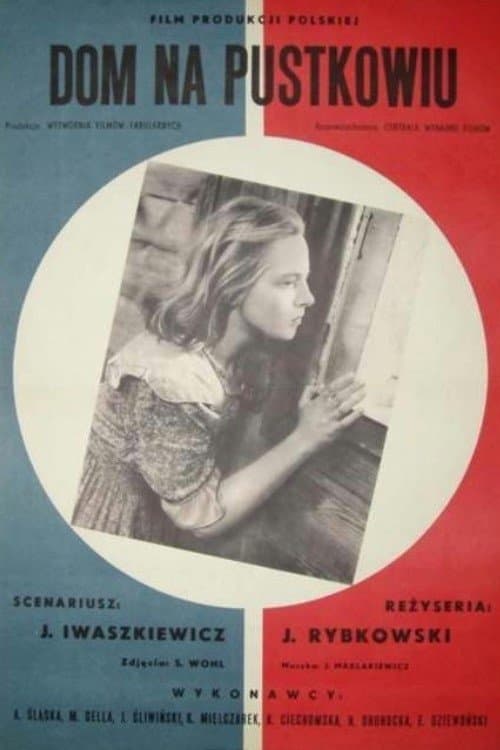
Basia and her aunt live in peace far away from war efforts. One day that peace is shattered when a concentration camp prisoner, a communist activist seeks refuge in their house.
Mar 1950
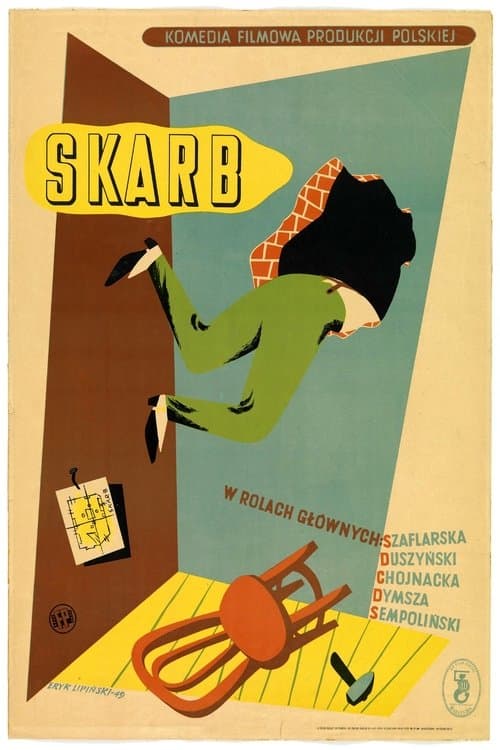
Witek and Krysia, a married couple, move to Warsaw and have nowhere to stay. They rent a room in a house with many other lodgers. Witek dreams of their own house and draws a sketch of their future home, marking the place where his wife will sleep with the word "treasure". The other lodgers find the draft and a frantic search for the treasure begins.
Feb 1949