Menu
© 2026 The Couch Critic
Browse 32 movies from Visual Communications
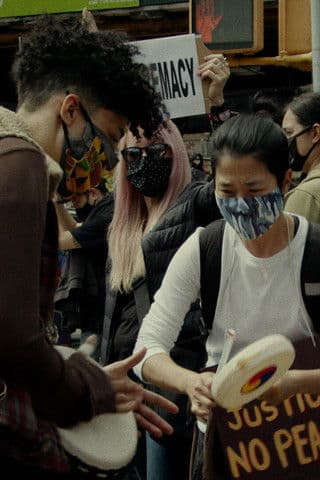
In the face of AAPI violence, an intergenerational coalition of Black, Indigenous, Latinx, Asian, People of Color organizers come together to organize a march across historic Washington Heights and Harlem, as a continuation of the historic and radical Black and Asian solidarity tradition.
Mar 2022
GRASSROOTS RISING, directed by Robert C. Winn, explores the re-emergence of Asian Pacific American labor activism in Los Angeles among people from all walks of life, from a Pilipino American domestic worker, a Chinese American laundry worker-turned-union activist, a Korean American restaurant waitress fighting wage theft, a group of Thai women forced to labor in an underground sweatshop, to Korean American and Mexican American grocery store workers fighting for safer working conditions. The film offers a moving tribute to the working class roots of the Asian American experience, focusing on the resurgence of grassroots political activism among the City of Angels’ Asian, Latino, and other working class families.
Jan 2005
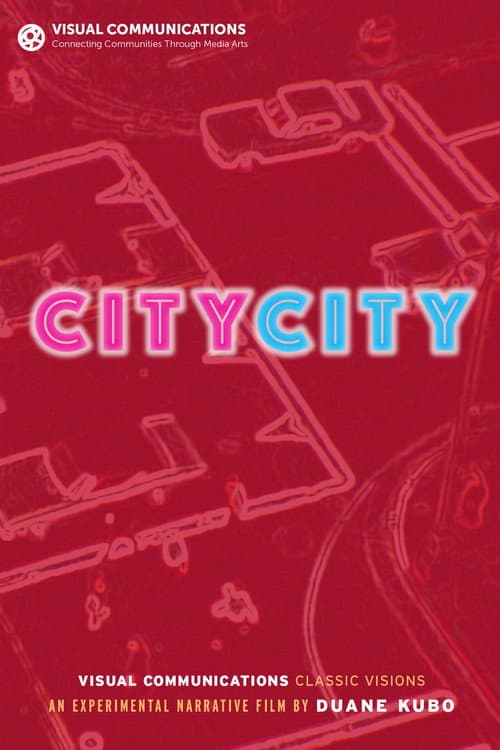
An experimental narrative by Duane Kubo—co-founder of Visual Communications—City City offers a vibrant, abstract view of contemporary Los Angeles, where optical print effects and an eclectic soundtrack intertwine to reflect the city’s energy and complexity. Made in collaboration with motion graphics artist Donna Deitch (who would later direct the landmark Desert Hearts), the film is a sensory exploration of urban life and the diverse communities that shape it.
Jun 1974
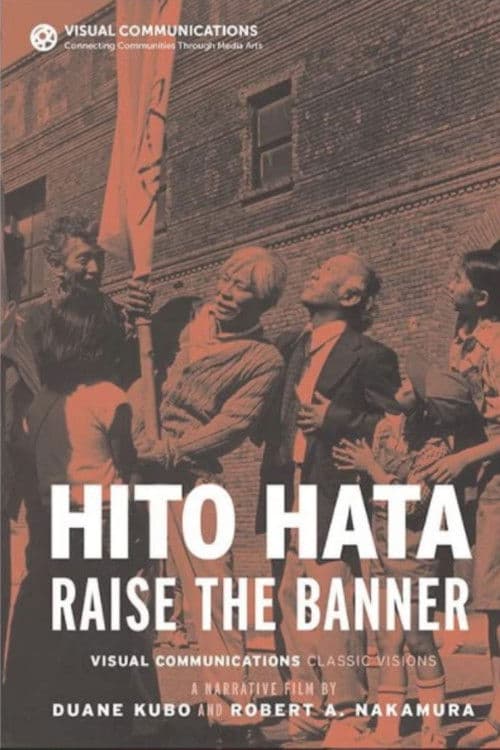
The film looks back at the life of a man named Oda and other Japanese Americans through the decades as they face great challenges and joys living in the United States.
Dec 1980
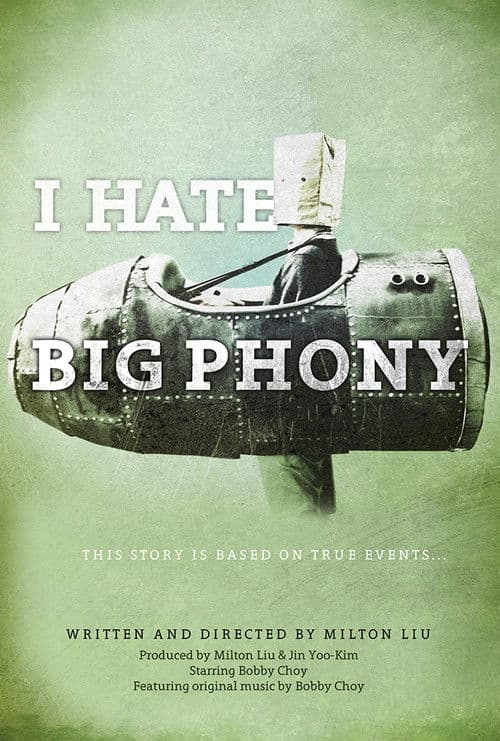
For all intents and purposes, 2015 was seemingly a banner year for singer/songwriter Bobby Choy (aka Big Phony). His melodic and quiet songs had garnered him a following as he performs at SXSW while also starring in his first feature film. However, returning back to the States from living abroad in S. Korea - has he made the right decisions in life, professionally and personally? Is he his own worst enemy?
Apr 2016
After Dom begins having suspicions about his wife, he goes to the seemingly wrong person for advice, leading him down a rabbit hole of drug fueled paranoia that threatens his mind, his heart, and his groin.
Aug 2022
This important tribute to the issei (first generation Japanese Americans) integrates the stories of three people who describe a collective history through their personal memories.
Jan 1976
Inspired by the 1978 documentary “Omai Fa’atasi: Samoa Mo Samoa,” a teenage girl growing up in a strict Samoan household lives the same day everyday cooking, cleaning, and taking care of her siblings until she joins a community organization that helps her realize her full potential.
May 2024
Modern kite maker Tom Joe seeks to preserve the craft of kite making as well as the traditional Asian folklore behind it. Alan Takemoto illustrates Tom Joe’s tales of the Polynesian fish kite made from leaves and branches to fool fish; the Chinese general whose trapped army fashioned a fighting kite; and Shirone, the “kite crazy town” in Japan where 20-foot fighting kites duel in magnificent matches. Children will be inspired to try making these kites.
Jan 1975
Short film produced by Visual Communications, the United States first Asian American film production company. Preserved by the Academy Film Archive in 2012.
Jan 1971
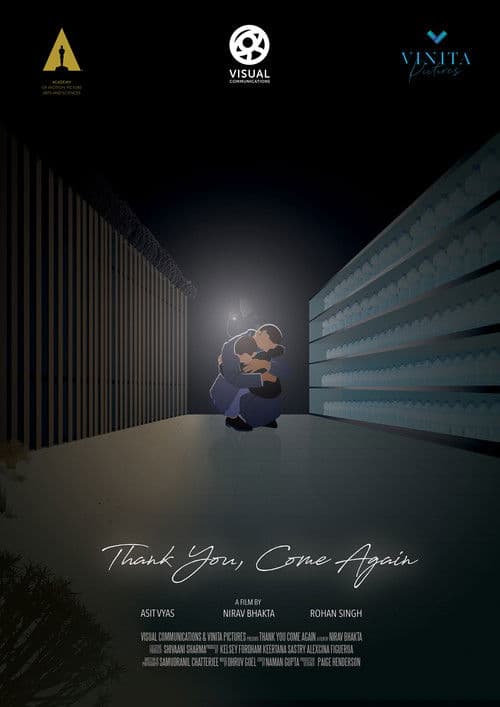
After the trigger of a hate crime, an undocumented Indian American convenience store clerk comes crashing into his subconscious as he grieves the passing of his father during an attempted border crossing.
Oct 2020
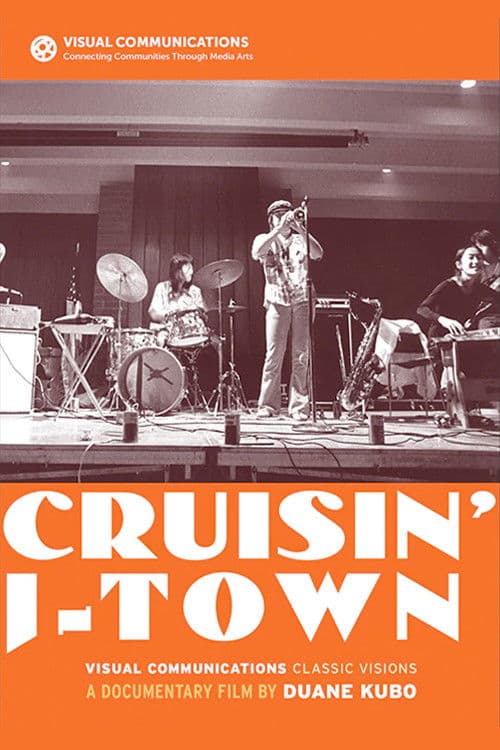
Produced in collaboration with The International Channel, HIROSHIMA...TWENTY YEARS LATER brings audiences up to date with the three principal members of the jazz fusion band Hiroshima in the years since they were profiled in Duane Kubo's classic 1975 documentary CRUISIN' J-TOWN. Saxophonist Dan Kuramoto, koto player June Okida Kuramoto, and percussionist Johnny Mori recount their individual and group careers during the previous two decades and also discuss their impact on newer generations of musical artists and community activists.
Feb 1996
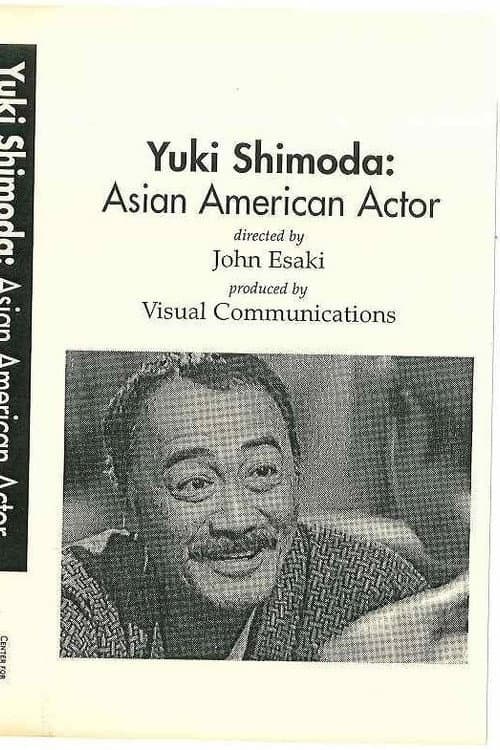
The thirty-year acting career of the late Yuki Shimoda reflects the achievements and career disappointments that faced Asian American actors. Shimoda persevered on to land challenging, dramatic roles, such as in the television movie, Farewell to Manzanar. Shimoda’s journey from Sacramento’s “J-Town,” to his imprisonment in an American concentration camp, and his experiences on Broadway and Hollywood are insightfully explored through interviews and selected clips from his film and television work.
Feb 1985
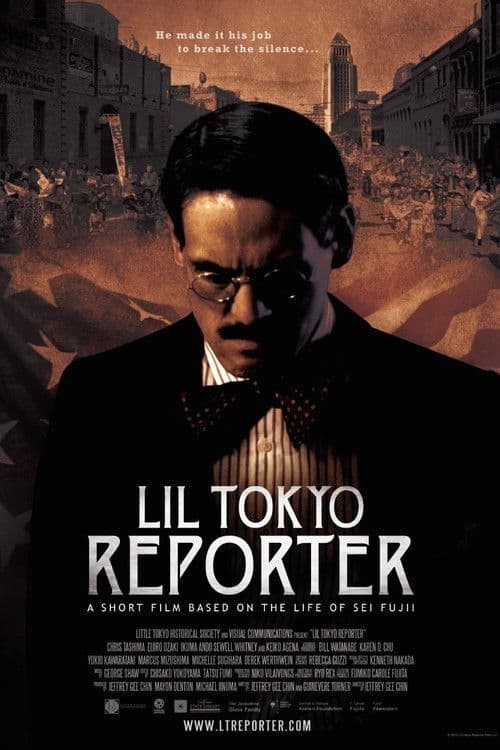
1935 Los Angeles, community leader Sei Fujii uncovers the corrupt activities of his community's underground mafia. He must choose between saving the face of his deteriorating community and confronting the issues head on through his newspaper. Based on a true story.
Sep 2012
NA PUA O LAKA foregrounds the perpetuation of the Hawaiian culture in Southern California. Sissy Kaʻio is a kumu hula, or teacher of Hula, who both explains and demonstrates how to teach the Hula. The focus is on her male students, which harks back to the origins of the dance and breaks the stereotype of the hulas as mere exotic entertainment.
Jan 1987
Celebrates the music and influences of contemporary Asian American culture on Dan Kuramoto, June Okida Kuramoto, and Johnny Mori — three musicians who make up the core of the jazz fusion band Hiroshima. Preserved by the Academy Film Archive in partnership with Visual Communications in 2011.
A follow-up to the groundbreaking Visual Communications documentary OMAI FA'ATASI: SAMOA MO SAMOA, this fictionalized account of Vaitafe Futu, a gifted Samoan youth who travels from Pago Pago to pursue an education in Los Angeles offers a wholistic portrait of a newer Asian Pacific American community.
Jan 1981
This black-and-white documentary weaves scenes of Japanese American poet and professor Lawson Inada’s life with his writing. Titled after one of his poems, I TOLD YOU SO follows Inada to Fresno, California for a childhood reunion. Shots of his multicultural childhood neighborhood show downtown graffiti, bars, and the Nisei Barber Shop. Inada runs into his aunt, one of the subjects of his poems where she asks, “All this identity thing. What is it you’re looking for?” Inada’s answer is in his poem, “Nightsongs in Asian America” that addresses the active residence to World War II incarceration and his relationship with his son.
Jan 1974
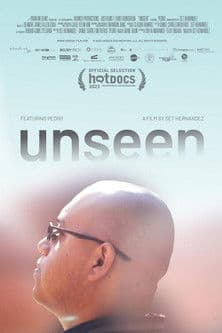
An aspiring social worker, Pedro must confront political restrictions as a blind, undocumented immigrant to get his college degree and support his family. But when attaining his dreams leads to new and unexpected challenges, what will Pedro do?
Apr 2023
A lyrical, expressive film history of Asian Pacific Americans on the Sacramento River delta.