Menu
© 2026 The Couch Critic
Browse 66 movies from Wakamatsu Production
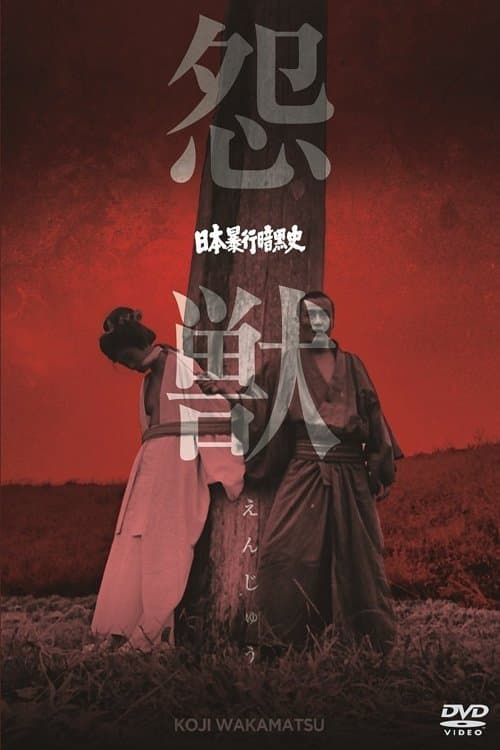
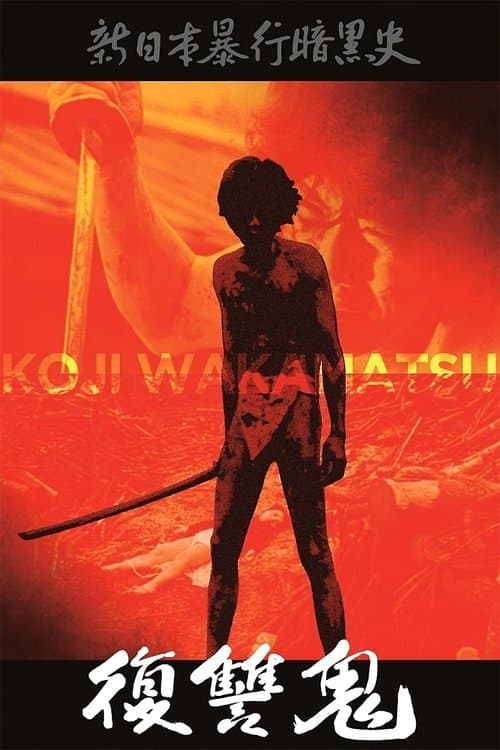
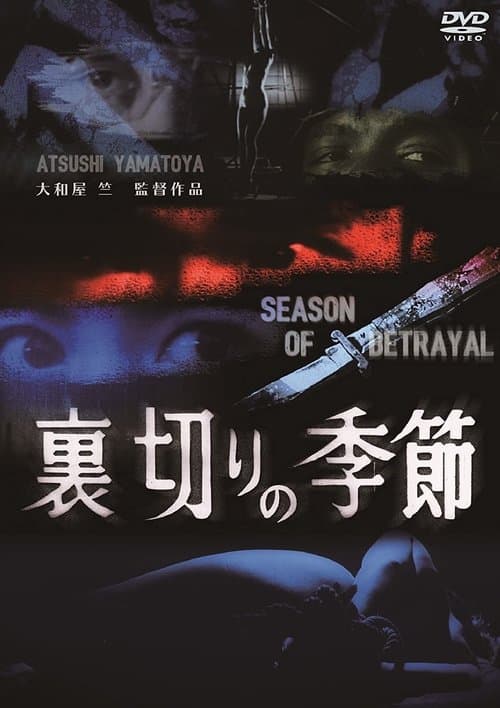
In the Edo era, two man arrive in a village and engage in criminal activity. While one of them becomes successful and rich, the other gets betrayed and ends up in prison, burning for revenge. The truth changes with the viewpoint in this Wakamatsu film, which has inspired comparisons to Rashomon.
Dec 1970
Dec 1983
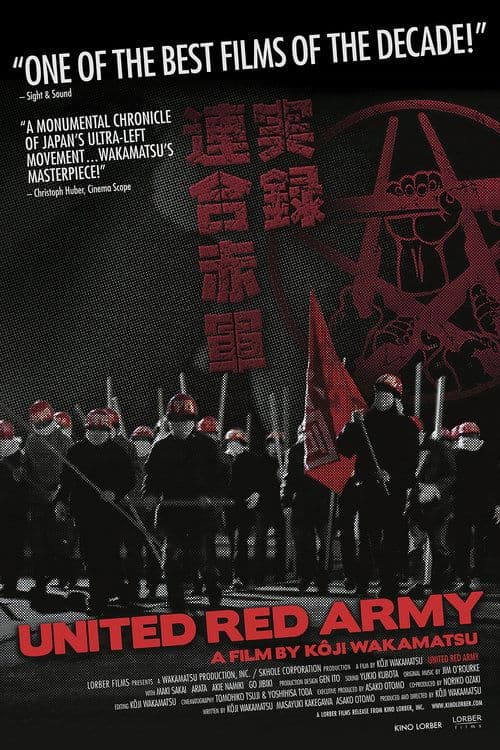
Two of the most radical student groups form the United Red Army (URA) and head into the mountains to conduct a training camp. Ideology devolves into despotism, and the URA's leaders begin to arbitrarily persecute their followers, a harrowing ordeal that culminates in violence and murder.
Aug 2007
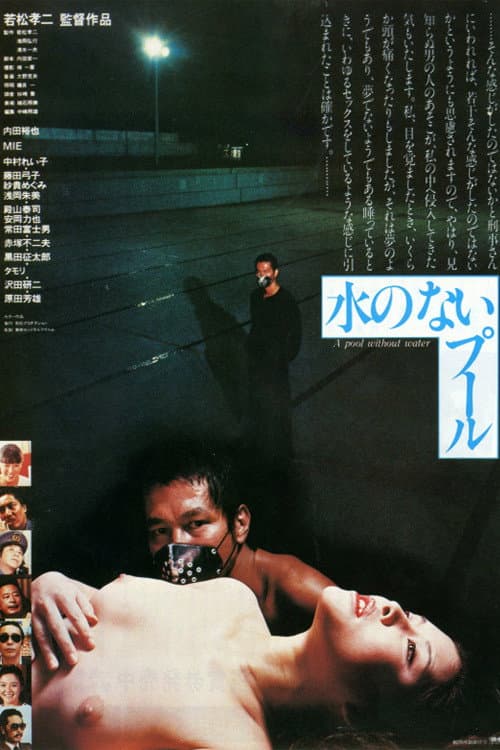
After saving a girl from rape, a bored rail worker finds out about a chemical that makes people sleep and gets carried away into a new, violent world of ideas.
Feb 1982
A brother and sister live as outcasts from their hamlet due to a belief that mental illness runs in their family. A group of villagers plot to steal their property by beating and hanging the brother and gang-raping the sister. Believing the brother to be dead, scheming to kill the sister, and making both deaths look like accidents... unbeknownst to them, the brother survives and proceeds on a mission to slaughter those responsible in the hamlet.
Jan 1969
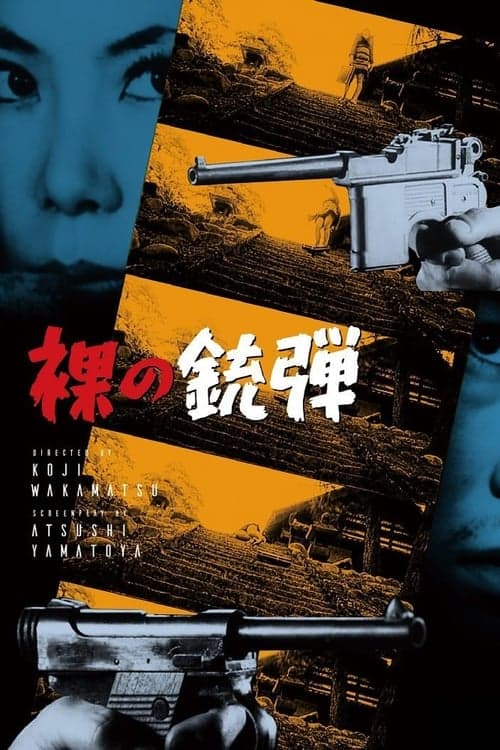
A girl becomes a pawn in the game between two rival gangs gangster.
Oct 1969
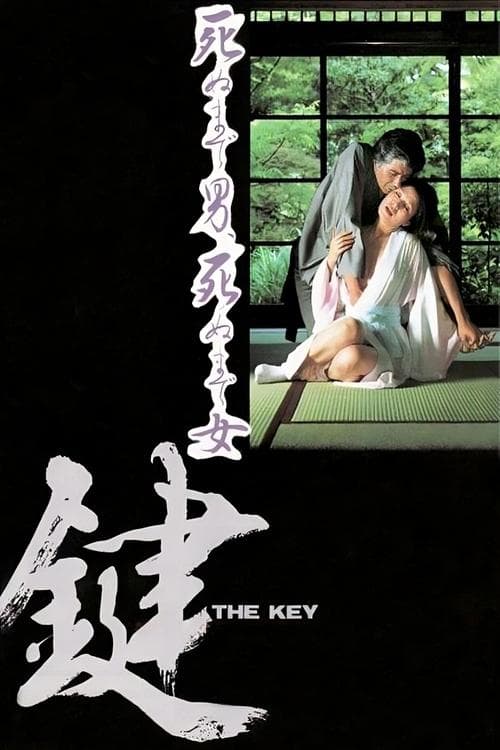
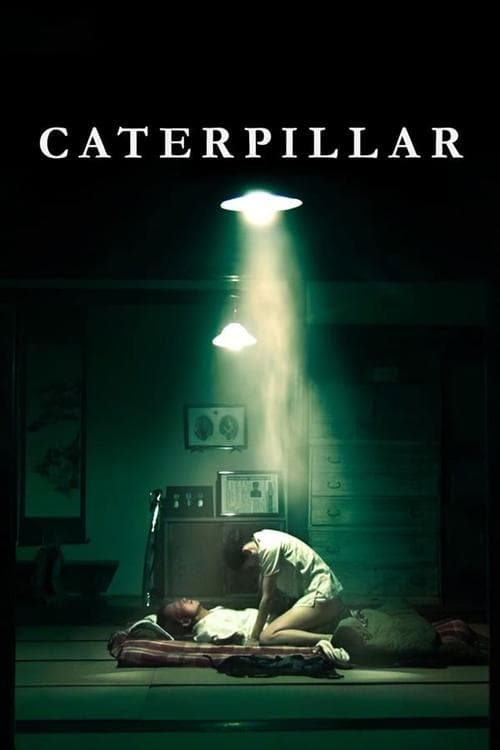
The story of a village woman given the grueling task of looking after (and fulfilling the sexual needs of) her quadruple amputee husband, a Japanese soldier in the Second Sino-Japanese War who has been decreed a "War God" by the Emperor.
Aug 2010
Mar 1967
In 1923 a Japanese comes to Munich and immediately falls in love with a street artist with a red hat, without knowing her past is. She turns to the Japanese, for the first time she thinks she has found her really great love- exotic stranger attracts her. They say a lot, but they do not understand each other - but they can show their love. Nevertheless, the relationship is doomed to failure from the beginning. Disappointment, death and loss.
Oct 1982
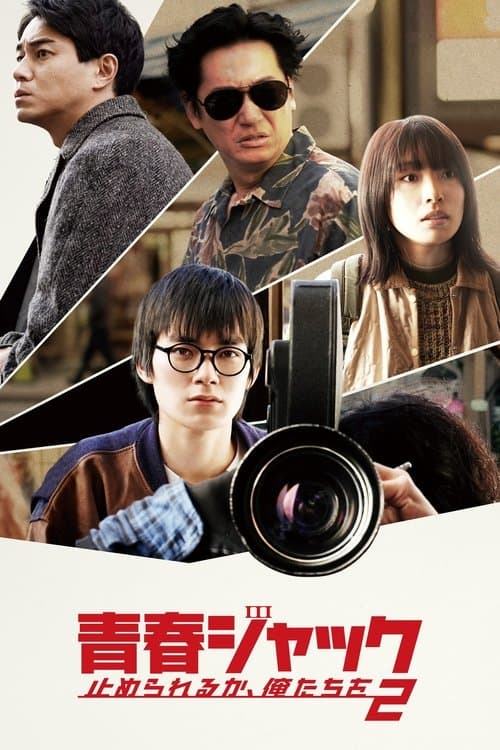
Nagoya, 1983: Legendary filmmaker Koji WAKAMATSU decides to open a cinema – not least to show his own films. The Cinema Skhole quickly turns into a hot spot for local cinephiles. Junichi INOUE tells an empathetic and almost true story about motion picture enthusiasts in this loose sequel to Kazuya SHIRAISHI’s DARE TO STOP US.
Mar 2024
In a housing complex, a college prep student is spying on his neighbor, a former peace activist, who now leads an ordinary life as a housewife, having a secret affair with an ex-lover.
Jun 1965
A woman believing to be a legendary immortal nun attracts people looking for answers to their life struggles.
Jun 1977
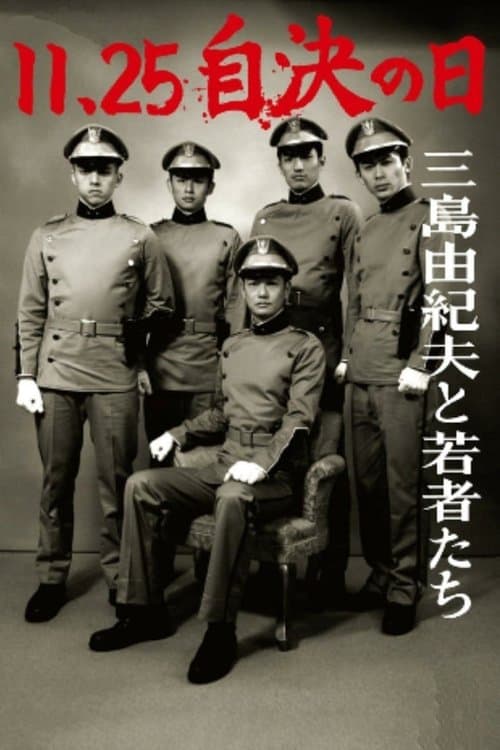
On November 25th 1970, a man committed ritual suicide inside the Tokyo headquarters of the Japanese Ministry of Defence, leaving behind a legacy of masterpieces and a controversy that echoes to this day. The man was Yukio Mishima, one of Japan's greatest and most celebrated novelists. With four members of his own private army - the Tatenokai - Mishima had taken the commandant hostage and called upon the assembled military outside the Ministry to overthrow their society and restore the powers of the Emperor. When the soldiers mocked and jeered Mishima, he cut short his speech and withdrew to the commandant's office where he committed seppuku - the samurai warrior's death - tearing open his belly with a ceremonial knife before being beheaded by one of his colleagues. What was Mishima truly trying to express through his actions? And what did he witness during his final moments?
May 2012
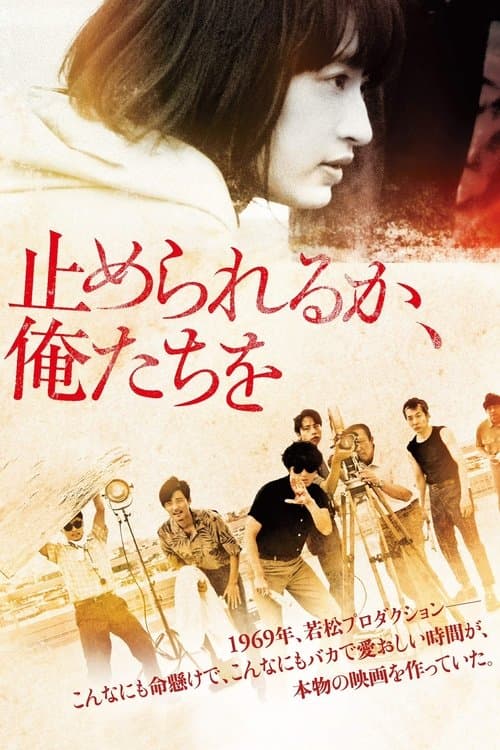
In Spring 1969, 21-year-old Megumi Yoshizumi goes to Wakamatsu Production. The company makes films popular with young people. Pink film director Koji Wakamatsu gathers there with young talented people who are all fascinated with movie making. When they are not making movies, they spend their time smoking, drinking alcohol, scouting for actresses and looking for material for their next film. When filming begins, everybody immerses themselves into the production and will do everything on the filming set from running, shouting to acting.
Oct 2018
A militant revolutionary group is torn apart by betrayal as its members descend into paranoia and sexual decadence.
Mar 1972
A detective investigating a serial rapist discovers that he and the perpetrator come from the same lineage of depraved individuals, a genealogy of violent and sexually perverse deviants that stretches through the Meiji, Taisho and Showa eras and can even be traced back to the Edo era.
Aug 1967
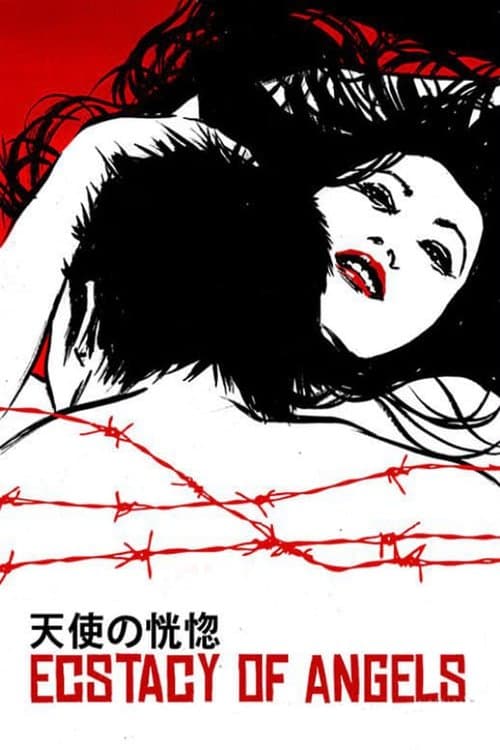
Inspired by the true story of a Geisha murdered in a city famous for its baths, Adachi forged here his favorite style, a kind of conceptual documentary recounting the incident in monotone. The same event that at the beginning of Violated Angels escaped every principle of causality, is portrayed here as a singular anti-spectacle.
Aug 1968
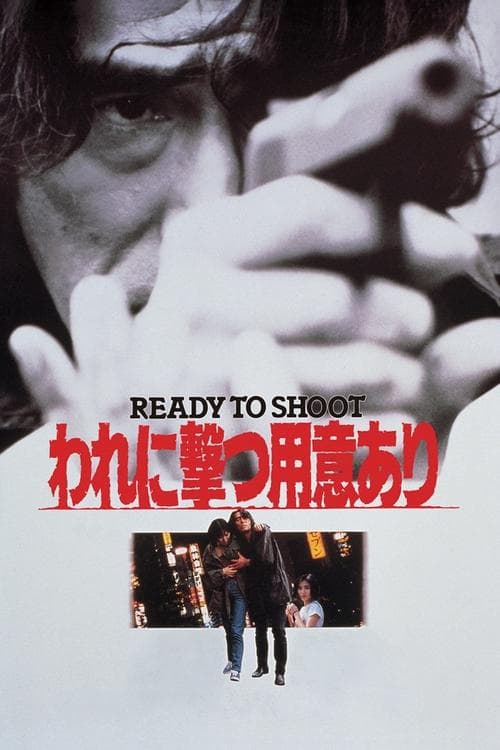
A middle-aged man discovers an injured refugee woman trembling in the corner of his bar in Kabukicho. He quickly becomes aware that her life is in his hands when he learns she is hiding from the yakuza.
Nov 1990
A press photographer returns to Japan from the war in Vietnam after losing his friend and fellow photographer on the battlefield.
Dec 1966
A man keeps his girlfriend tied up in his small apartment and tortures her. She is undressed, subjected to various types of bondage, whipped, and tortured with a razor blade.
Jul 1966