Menu
© 2026 The Couch Critic
Browse 79 movies from Projektions-AG Union
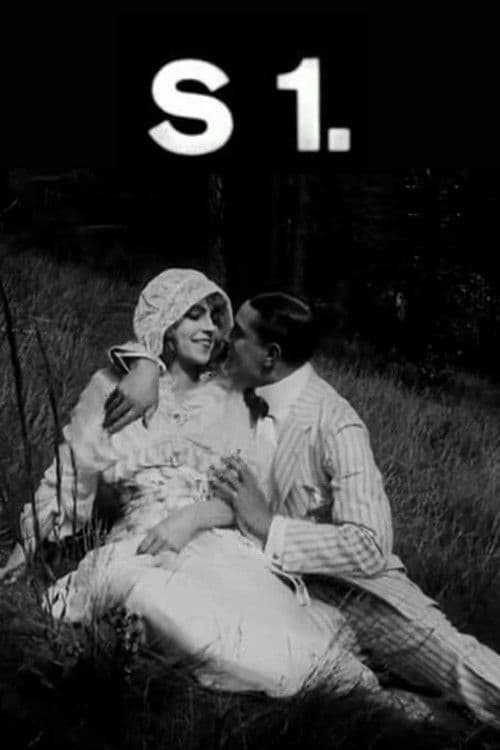
Sally Katz begins a new job as a supervisor in the workshop of a garment maker where the boss's nasty daughter makes him advances. But the girl's father forbids him to flirt back.
Nov 1917
In this film, the people of a Tyrolean town climb up into the nearby mountains, searching for a place where they can hold a picnic and a spring festival: ideally, a place where they can eventually erect dwellings and cultivate crops. Led by the local nobleman (Arthur Ehrens), they find an appropriate spot, and the festivities begin. Some children briefly perform a charming folk dance. Suddenly the Rübezahl arrives and threatens to kill all the townsfolk if they don't leave immediately.
Jan 1916
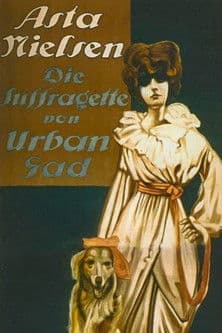
Nelly's mother is a suffragette and persuades her daughter to join the good cause. Placing a bomb under Lord William's chair love develops between the two.
Sep 1913
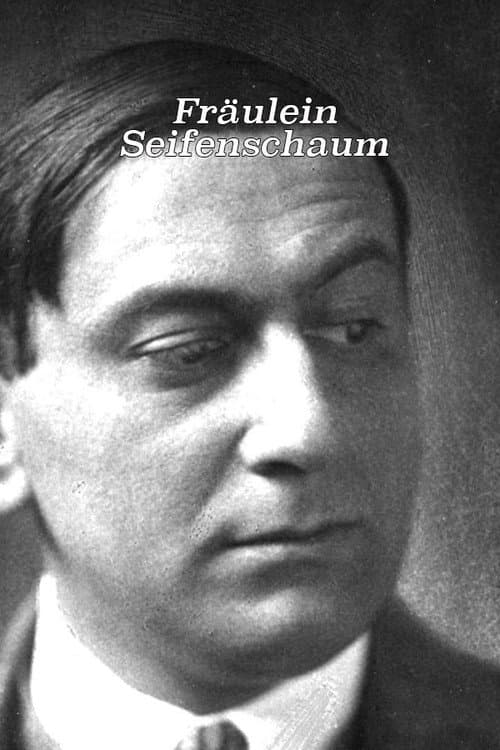
With the outbreak of World War I, all the men, including the barbers , are drafted. As a result, the women have to take over their work, and so mother and daughter share the work in a barber's shop: the daughter soaps the customers, while the mother then more or less skilfully shaves the men. A customer named Ernst also wants to be shaved. He makes eyes at the daughter and is resolutely thrown out of the shop by his mother. Ernst flees with his great love in the car and is followed by his mother on foot and finally on a tricycle.
Jun 1915
Richard de la Croix's brother, Andreas, has been driven insane by a notorious vamp and socialite named Sappho. A friend takes Richard to the Odeon to meet her, but when Sappho actually meets him, he is unaware that she is the woman who drove Andreas to be institutionalised. Sappho genuinely falls in love with Richard, and decides to leave her vampy ways and her older lover behind her so that she can have him.
Sep 1921
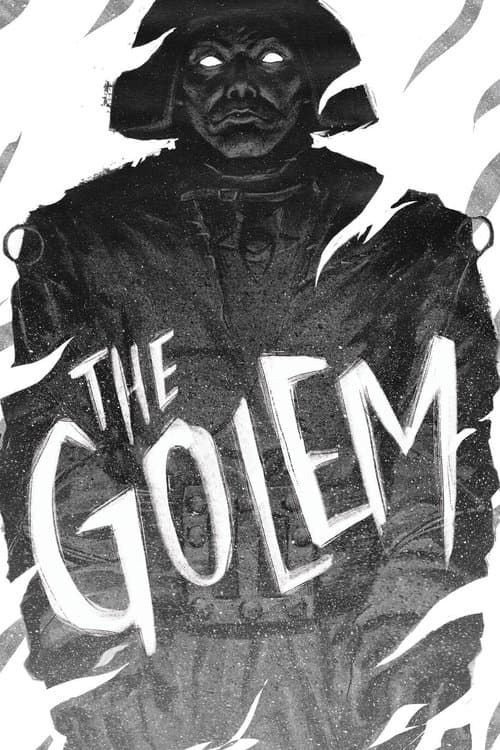
In 16th-century Prague, a rabbi creates the Golem - a giant creature made of clay. Using sorcery, he brings the creature to life in order to protect the Jews of Prague from persecution.
Oct 1920
The burlesque is about a man who calls himself Käsekönig Holländer and rises to become cheese emperor in the course of the film. A lost film.
Mar 1919
A neglected wife disguises herself in order to lure her wastrel husband into a compromising position.
A modern adaptation of Dumas' Camille.
Dec 1920
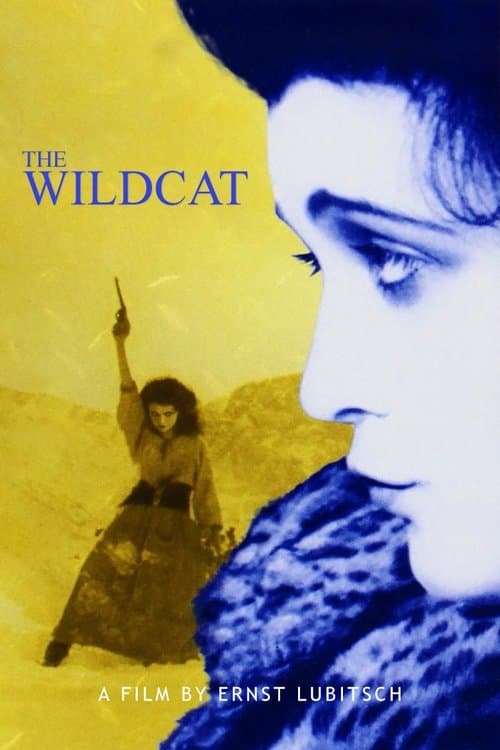
A charismatic lieutenant newly assigned to a remote fort is captured by a group of mountain bandits, thus setting in motion a madcap farce that is Lubitsch at his most unrestrained. A wonderfully anarchic and playfully subversive satire of military life from one of the great comedy filmmakers.
Apr 1921
A pampered American oyster tycoon decides to buy a husband for his daughter, but things don’t go quite as planned. Along the way there are mishaps, misunderstandings and a foxtrot sequence that must be seen to be believed.
Jun 1919
Gypsy girl Zidra falls in love with the lieutenant she is supposed to spy on.
Nov 1912
Jonna cheats on her husband with a chauffeur and is discovered by her husband. After the divorce, she falls into a life of theft and poverty until her daughter helps her reconcile with her ex.
Apr 1911
The Woman at the Crossroads (German: Kreuzigt sie!) is a 1919 German silent film directed by Georg Jacoby and starring Pola Negri, Harry Liedtke and Albert Patry.[1] It is now believed to be a lost film.
The circus dancer Lulu is a thoroughly liberal being. Although she loves her former savior, the clown Alfredo, she begins a relationship with the noble Henri von Reithofen. Henri kills himself ruined by the horrendous expenses for Lulu. She however is fishing for the next rich patron, the much older Baron Waldheim. His son knows Lulu and warns his father that she will also hurt him. Waldheim succumbs to Lulus's insinuations and punishes his son.
A skinny couch potato buys a tonic that gives him unexpected strength. Thanks to his new strength, he breaks open the floor of his room, falls to the ground and lands in Africa. He later gets rid of his unloved mother-in-law and ends up with his wife in a fireplace that was destroyed by his fall. Lost.
Nov 1915
The general's daughter spies on her fiancé to achieve information.
Nov 1913
The story of the ill-fated second wife of the English king Henry VIII, whose marriage to the Henry led to momentous political and religious turmoil in England.
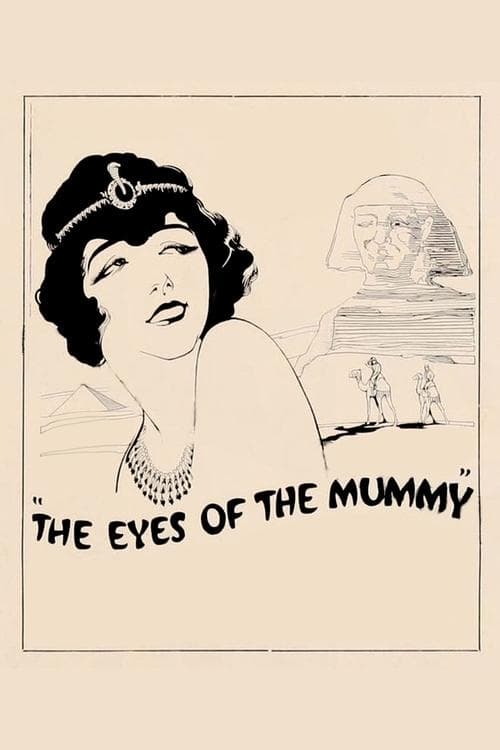
Egyptians Radu and Ma milk British tourists out of their money by offering phony tours of a mummy's tomb-- Radu has the girl lend her eyes to the "mummy" from inside an empty sarcophagus. When adventurer Wendland comes to visit the tomb, Ma is rescued and falls in love with him, leaving Radu in the dust. Needless to say, her former employer / captor follows them abroad in order to exact his revenge.
Oct 1918
A woman betrays the regiment location in which the officer she is interested in is assigned because he despises her, only to regret it when he is caught and try to free him.
Dec 1911