Menu
© 2026 The Couch Critic
Browse 45 movies from Ministério da Cultura/Governo Federal
An insecure teenager's vacation plans are ruined by an unexpected visitor: his neighbor and school crush who will spend two weeks sleeping at his house. The days that promised peace, tranquility and epic series marathons end up bringing a whirlwind of feelings and unresolved issues.
Jun 2026
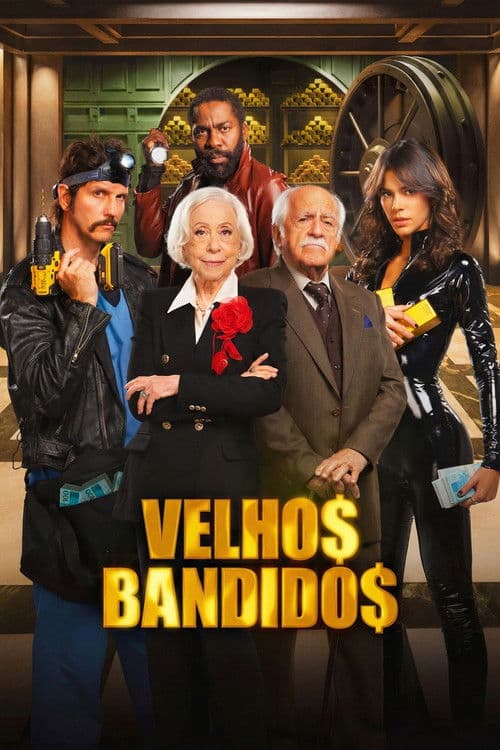
An elderly retired couple teams up with young partners to plan a daring bank robbery, while trying to outwit a detective determined to stop them.
Mar 2026
A sheltered teenager discovers she's actually a princess from another country — and she could be in grave danger. Based on Paula Pimenta's novel.
Aug 2024
Apr 2025
Discover the story of the father of the gang: Mauricio de Sousa, Brazil’s most important comic artist, and how he created his most famous characters. Responsible for bringing to life iconic figures that have marked generations, the film stars Mauro Sousa, the artist’s son. The production follows Mauricio’s journey from childhood, through his discovery and passion for comics, to the creation of a career once considered impossible and his adventures to make a living and achieve professional success.
Oct 2025
Jan 1975
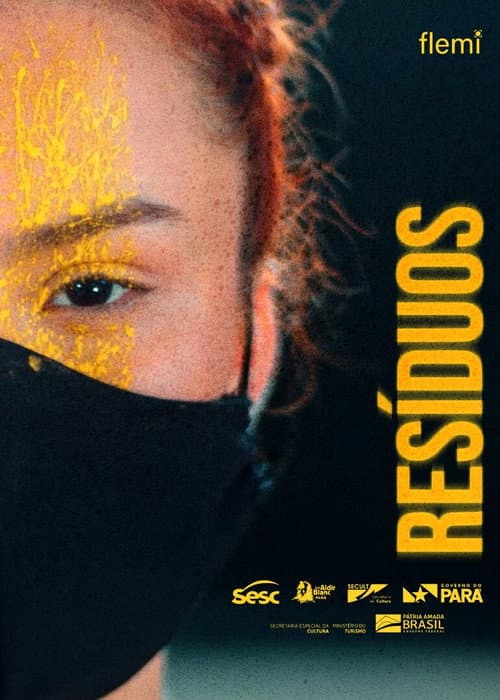
Between what we plan and what we actually experience, what is left? Resíduos translates the constant equation between our expectations and reality through movement, telling stories of how humanity copes with the memories of the past, the actions of the present, and the uncertainties of the future.
May 2021
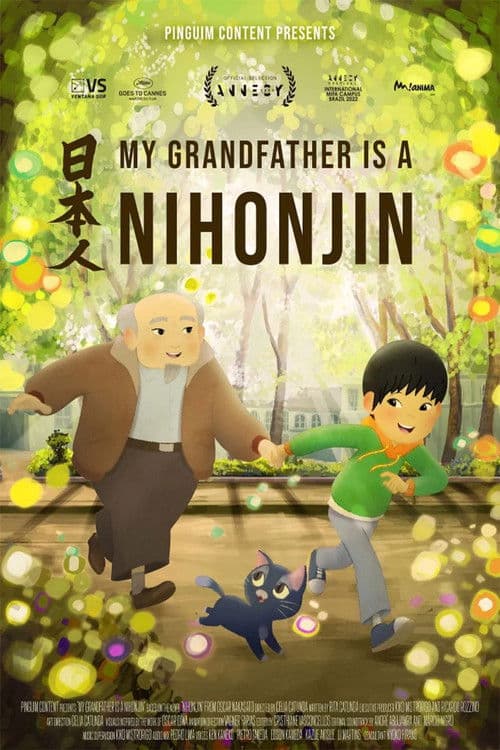
Noboru is a 10-year-old boy in search of his cultural identity. He turns to his grandfather Hideo, to find out more about his family. Despite always avoiding his past, his grandfather agrees to tell his story. As Noboru delves into his family history, he discovers he has an uncle he’s never heard about.
Sep 2025
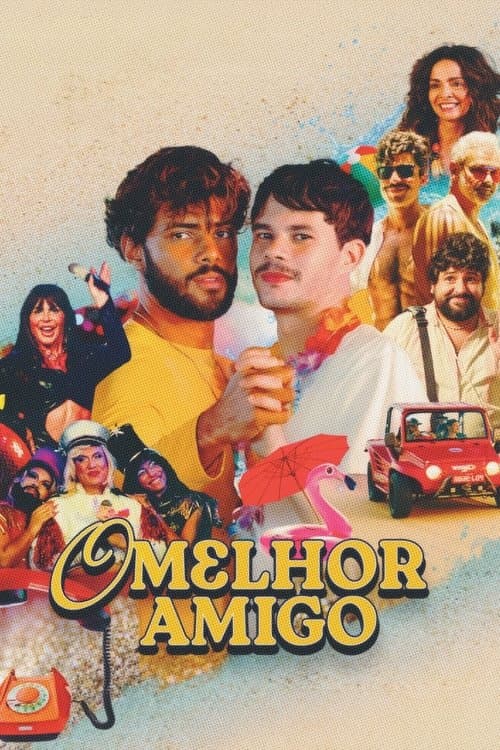
Two great friends meet again after five years. Among so many things that have changed, the resumption of the bond awakens an old feeling for which they remain unprepared.
Mar 2025
The plot follows a couple isolated on a sort of farm. Without internet or television, they prepare a game of seduction, where the main weapon is gastronomy. Cooking for each other, the characters reveal their secrets.
The film documents the old Rio de Janeiro and its great focus of diseases. Stresses the decisive importance of Oswaldo Cruz who creates Experimental Medicine in Brazil, believing that without sanitation, no undertaking could succeed. Rodrigues Alves then started the urbanization of Rio, against great interests.
Jan 1973
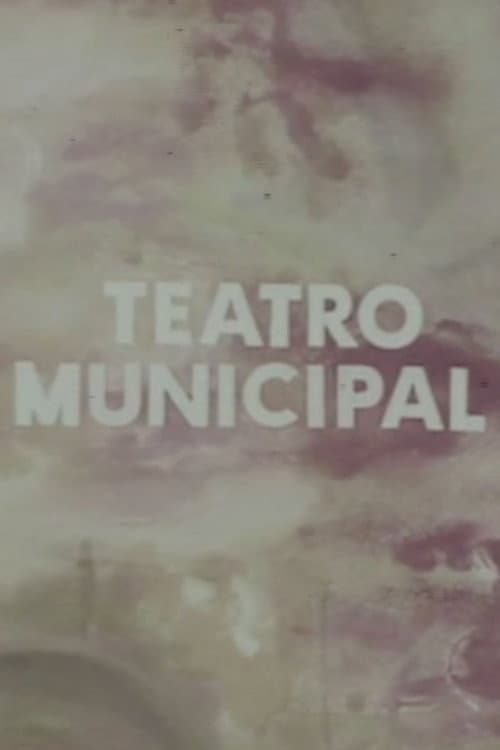
Ruy Santos documents Rio de Janeiro’s Municipal Theater, one of the city’s most significant architectural landmarks.
Jan 1972
Feb 2026
The first Brazilians who engaged in aviation, from Bartolomeu Lourenço de Gusmão with his hot air balloon to Alberto Santos Dumont, giving Brazil a prominent place in aviation. The creation of the Military Air Mail (CAM) and the Brazilian aviation industry. Commemoration of the centenary of the birth of Santos Dumont. The house where Santos Dumont was born; Bartolomeu Gusmão (Santos - SP); small hot air balloon Júlio César Ribeiro de Souza; 1881: his Victory balloon flies in Paris; Augusto Ribeiro; Santos Dumont: the balloon in the Torre Eifel, the 14 bis, the 'Demoiselle': real scenes of the time. Edu Chaves flies the Rio-Buenos Aires route in the 1920s. Current era: manufacture of the Bandeirante (assembly line). President Médici flies in the first Bandeirante; Xavante and Ipanema, Universal, rego elo and other models manufactured by Embraer in São José dos Campos.
Jan 1977
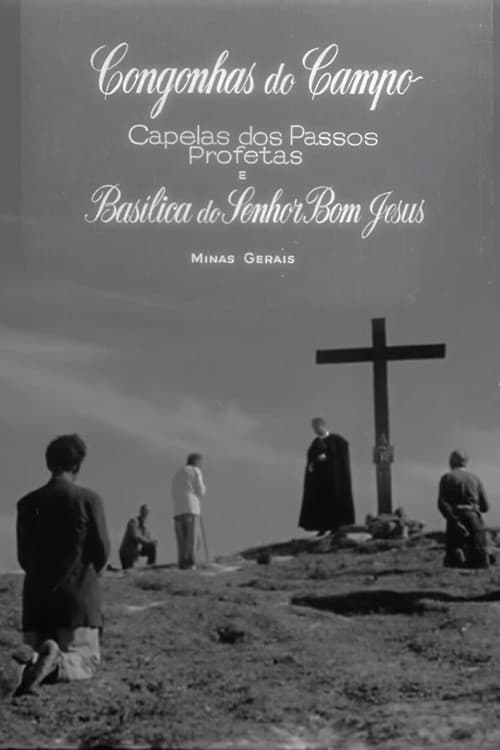
Aspects of the city of Congonhas do Campo. The preponderance of baroque architecture, the Basilica of Senhor Bom Jesus de Matozinho, the six chapels on the terrace leading to Morro do Maranhão. Each chapel contains statues representing moments of the Passion of Christ. While in the first chapel there is Santa Ceia figuration, in the second there is the Passo Horto scene. The kiss of betrayal and the imprisonment of Christ before the scene of the third chapel. In the fourth, two scenes are gathered: the coronation and the flagellation. On the fifth, the Christ bears the cross and the crucifixion is featured in the sixth chapel. The twelve apostles of Aleijadinho and the Latin inscriptions of each one. The interior of the Basilica and its main altar, with the figure of the Lord Dead.
Jan 1957
Jan 1976
0