Menu
© 2026 The Couch Critic
Browse 8 movies from Fugitive Cinema, Antwerpen
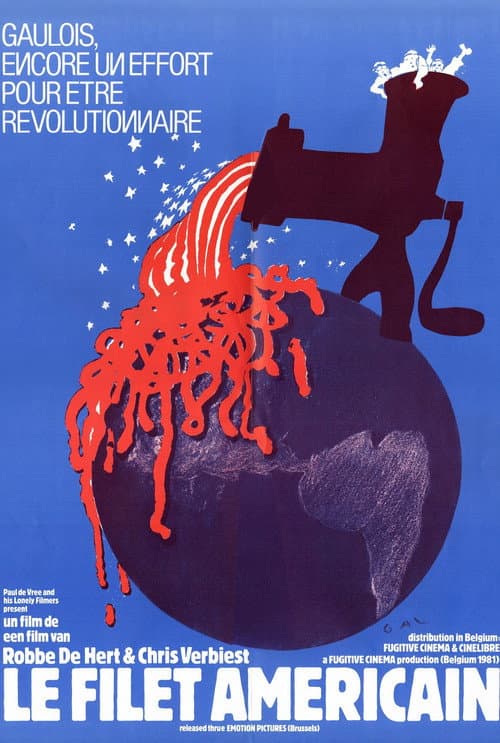
The documentary's legacy lies in its unapologetic fusion of agitprop and satire, a signature style of De Hert’s Fugitive Cinema collective. By juxtaposing Mandel’s economic theories with absurd military parades, the film exposes the contradictions of a society preparing for war while its social fabric decays. De Hert employs rapid montage, pop music, and street-level interviews to strip away the facade of state authority.Decades later, Le Filet Américain remains a vital historical document. It captures a specific era of Belgian polarization, marked by economic crises and the rise of the gendarmerie. The metaphor of the meat grinder endures as a powerful critique of how institutional systems compromise individual dignity for corporate profit.
Feb 1981
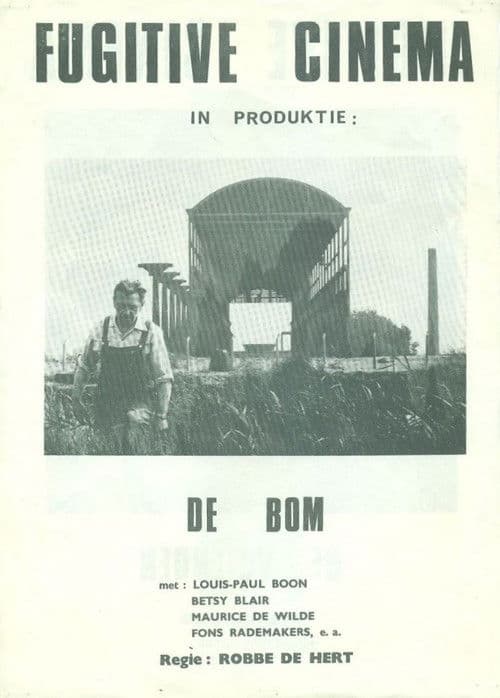
One day a garage owner finds an atomic bomb that has been lost by an airplane. He hides the bomb and shakes the country when he announces that he will not return the bomb until the production of such weapons of destruction is stopped.
Jan 1969
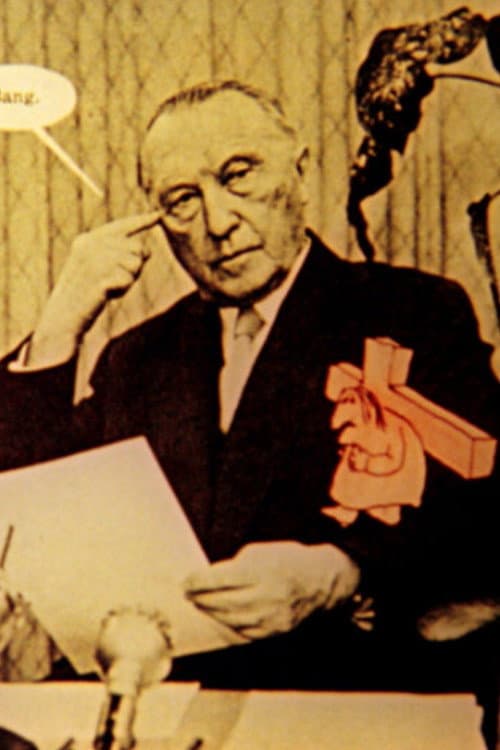
Short animation film about the crusade of a Hebrew figure who is looking for somewhere to lay down his cross.
Jan 1967
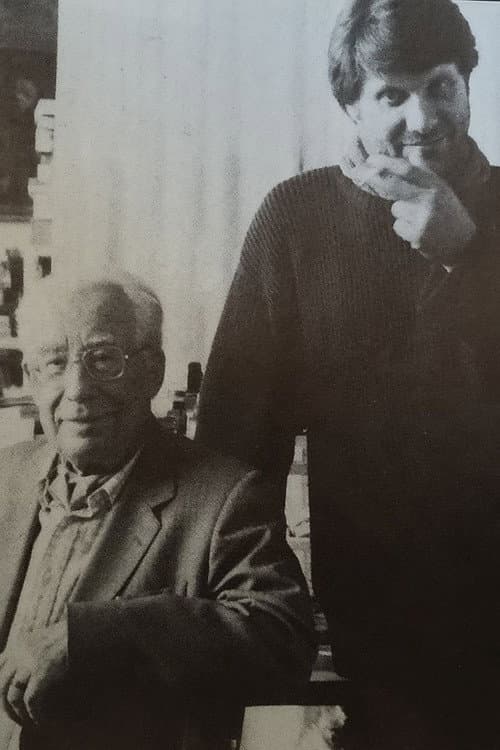
Robbe de Hert’s Henri Storck, ooggetuige (1986) is a brilliant cinematic homage to the founding father of Belgian documentary cinema. Filmed around Storck’s 80th birthday, the film eschews standard biographical formulas. Instead, De Hert crafts an intelligent, vibrant collage that synthesizes rare archival footage with intimate anecdotes told by Storck himself.The documentary excels at tracing Storck’s evolution from an Ostend avant-garde poet to a fierce social activist. De Hert’s signature rebellious tone shines through in bold creative choices, such as overlaying John Lennon's "Working Class Hero" onto the silent, gritty footage of Misère au Borinage (1933). This creates a powerful bridge between 1930s labor struggles and modern social critique
Jan 1986
Documentary exploring why Belgian television doesn't invest more money in Belgian cinema as is the case in e.g. the netherlands.
Jan 1984
Overview of the history of cinema in Flanders.
Dec 2018
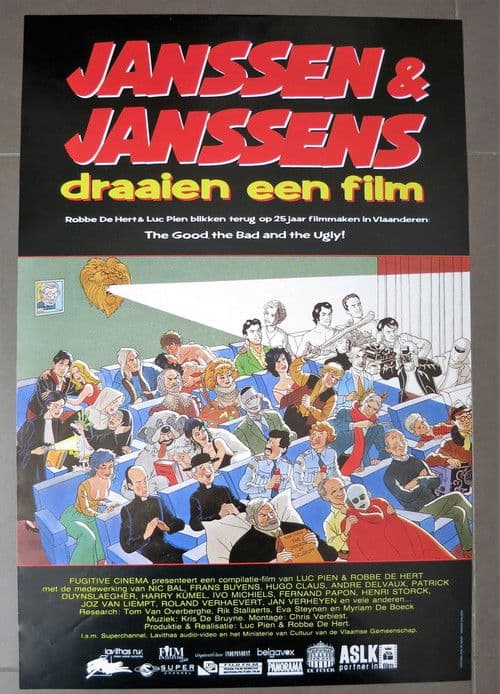
A documentary celebrating 25 years of flemish subsidised cinema.
Nov 1990
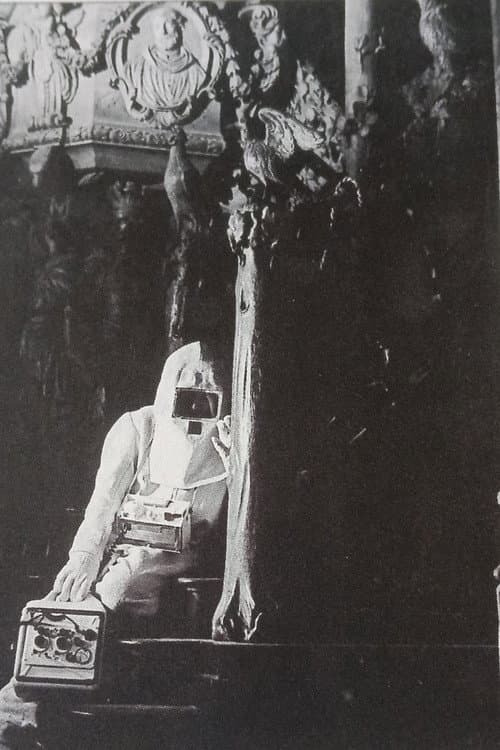
A three independent parts sci-fi drama. In the first, entitled The Bomb, a story of a garage mechanic is told who finds an atomic bomb by accident. The second part, entitled The Last Judgment, deals with the consequences of a military convoy carrying biological weapons going mad. In the third part, entitled Experts Of Evil, there is an accident at a chemical plant when a,pressurized container with dioxin explodes resulting in leakage.
Jan 1977