Menu
© 2026 The Couch Critic
Browse 122 movies from Štúdio hraných filmov Bratislava
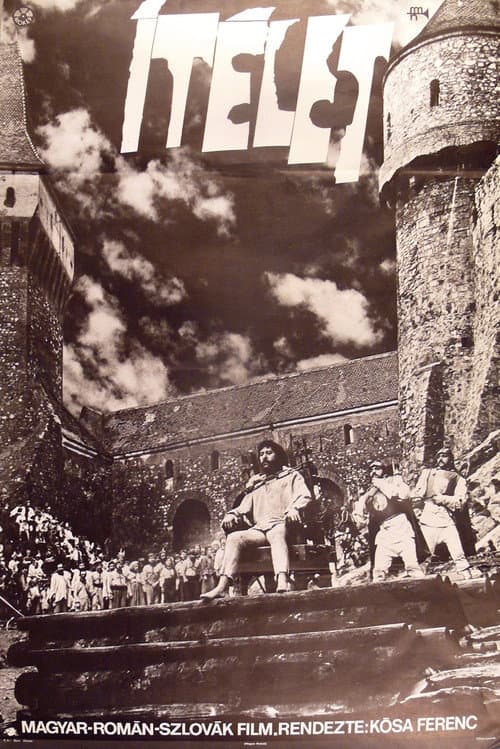
The film is a historic parable about the topicality of revolution. 1514. The peasants' uprising is over, Dózsa has been arrested. Werbőczy tries to get the imprisoned peasant leader deny the revolution and offers him the lives of his people in exchange.
Apr 1970
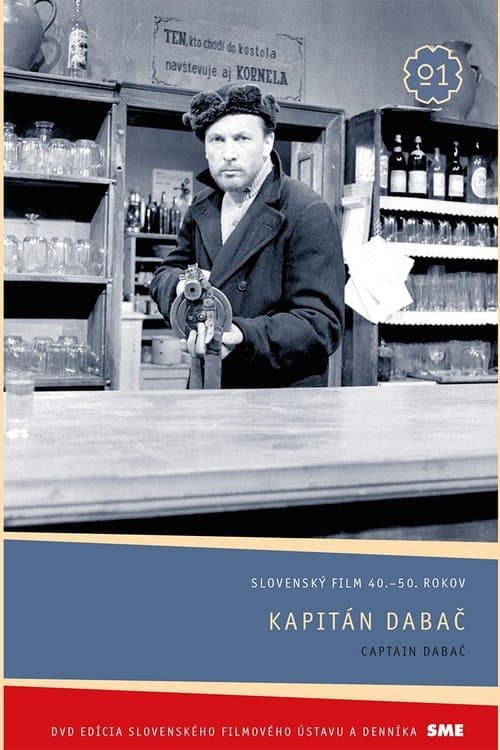
The drama of a young Slovak army officer who gradually realises the horrors of fascism during the fighting in Ukraine. On his return to Slovakia, he joins the SNP. However, he cannot overcome his loner attitude or his doubts about the meaning of partisan activity.
Nov 1959
Mar 1962
Oct 1956
Feb 1961
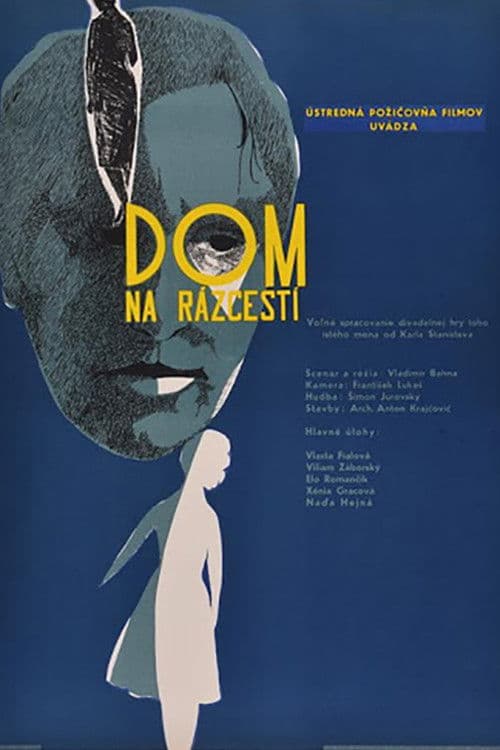
Because abortions required complicated approvals, an enterprising doctor secretly set up a sort of private practice where she offered this "service" illegally. However, the sympathetic doctor who was supposed to become a valuable helper in this business flatly refuses.
Dec 1959
In Slovakia, they also created a pair of investigators who have appeared in several films. Volanie démonov is the third of them. The police officers, one Maigret-like, thoughtful, the other humorously hasty, this time solve a fire in a furniture factory and the deaths of two employees - one burned himself, the other fell into a dry well. The investigation of the complicated case takes a long time, but in the end it turns out that revenge can be extraordinarily strong and persistent.
Mar 1968
On Christmas Eve, 1944, in Nazi-occupied Slovakia, the Kubiš family grapples with survival amidst brutal reprisals. Marián collaborates as a fascist guard leader, while his sister Angela has an affair with their Nazi lodger, Major Brecker. The situation escalates when their younger son, Juraj, a former partisan fighter, returns home wounded. As Germans search homes for escapees, Juraj hides in the attic, while an unsettling Christmas dinner unfolds below with Major Brecker present.
Aug 1962
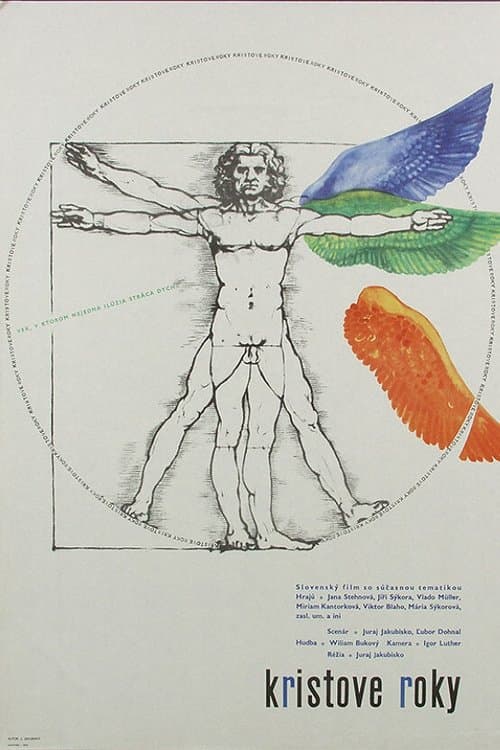
Juraj, a Slovak artist living in Prague, takes stock in his life, realizing that his days pass without purpose. He lives a carefree life. But now he has to choose between two women, between the city and the country, and between creative work and craftsmanship. He has a passion for art but he also has to make a living. Through his relationships with close people, he grows aware of his position and this knowledge helps him to live a more fulfilling and better life.
Oct 1967
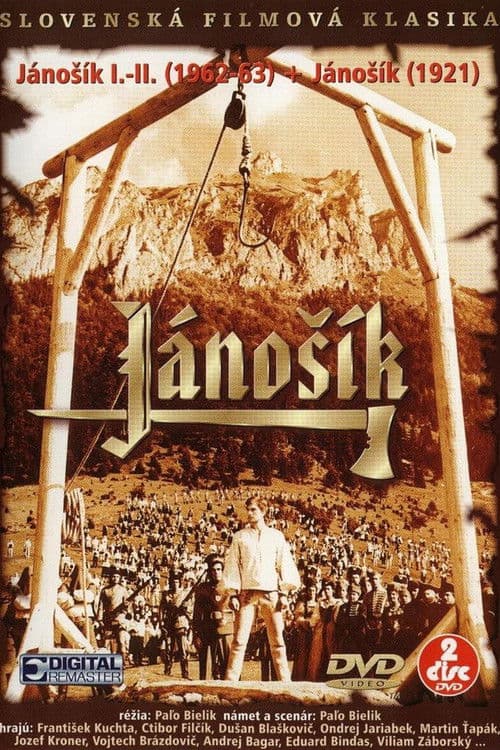
This film is one of the most popular pictures of Slovak cinema and relates the story about the legendary folk hero and brigand Juro Jánošík [1688-1713] and the social situation in Slovakia of the late 17th and early 18th centuries. The first part talks about Jánošík's childhood, studies and return to his native village. In the second part Jánošík leaves for the hills, where he organizes his band of brigands and starts an anti-feudal resistance. The film concludes with Jánošík's execution.
Aug 1963
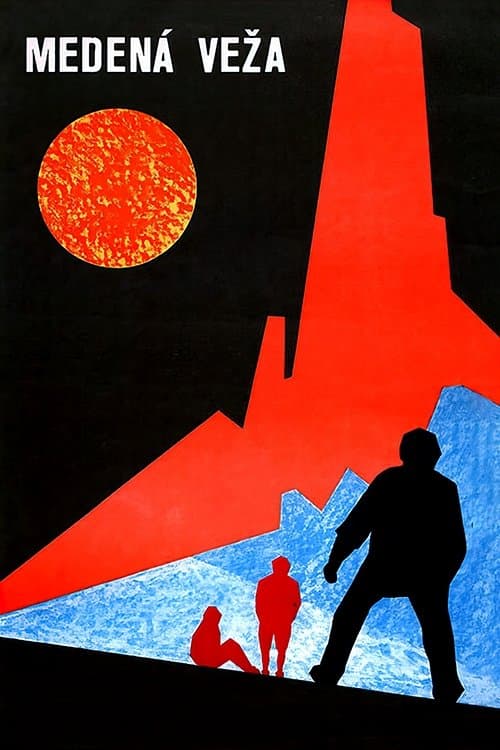
A dramatic story of three friends happily spending time on their own in a mountain cottage in the High Tatras. On the arrival of the wife of one of them their perfect friendship is put to a test.
Aug 1970
Jan 1972
Two friends, who go hunting meet a woman who questions their practice.
Dec 1969
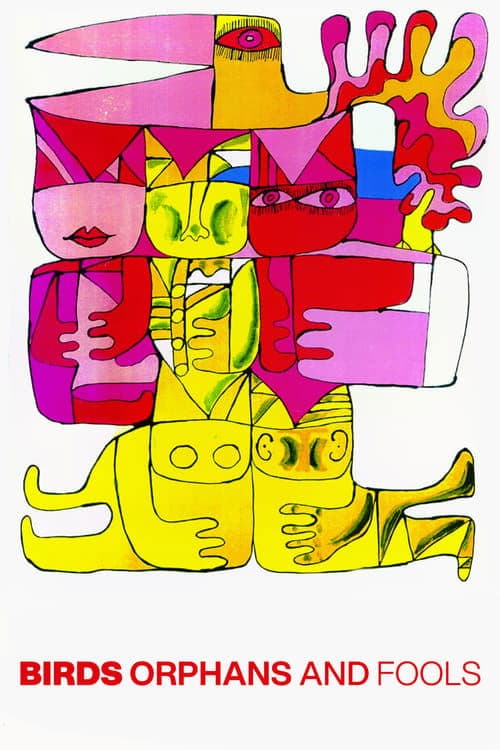
In the aftermath of war, two men and a woman begin acting more like children than adults, leading to tragedy.
Sep 1969
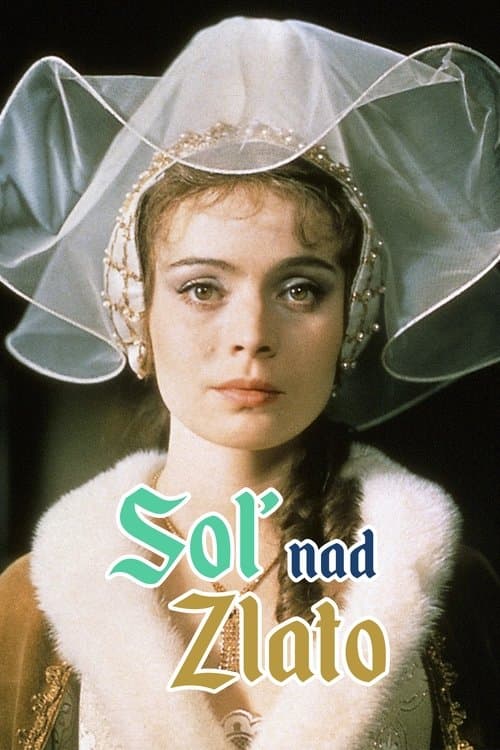
A fairy-tale about the power of love. The old king Pravoslav feels it is time to entrust the rule over his kingdom to one of his three daughters - the one that loves him the most. The youngest, Maruška, fails her father's expectations about proving how deep her love him is. He misunderstands her and she is made to leave the castle. She faces many dangers on the way to her loved one, the Salt Prince.
Feb 1983
A group of French students are drawn into the psychological and sexual games of a mysterious man called Duchemin. Once they sample his "fear powder" the students experience a series of hallucinations.
Aug 1971
A group of drivers paid according to their performance are struggling with hard work in a large quarry, somewhere where foxes say good night. A new worker, Marek Orban, joins the team of foreman Peter Hotka, known as Maco. Deep down, he is a deeply moral person, although he was given a suspended sentence for bodily harm. He beat up his wife's lover, to whom he must also pay compensation. Marek hides this from the other members of the group because he is ashamed. Maco, out of friendship with Marko, attributes non-existent trucks to the group, which, of course, backfires. However, the team eventually shows its strength and works off the undeserved reward.
Feb 1972
A man may or may not have betrayed a resistance fighter during World War II. He has supposedly been shot down by the Nazis and wanders into town. Mourning the death of an unseen comrade, he is taken in by the family of the dead rebel. He engages in a superfluous affair and witnesses the lesbian relationship between the man's sister and a female servant. When passions subside, the family has doubts about the reliability of the man's story.
Concentration camp commander Kraft finds out that prisoner Kominek is a former professional boxer. Overnight, the prisoner is made Kraft's exercise partner and unwillingly rises to a privileged position at the camp. His anger over the death of his friend and co-prisoner leads to open revolt. The film brings a new view of human degradation during fascism by a tragic story of one man whose only chance for survival is to accept the rules of an unequal game.
Feb 1963