Menu
© 2026 The Couch Critic
Browse 10 movies from Kunst en Kino
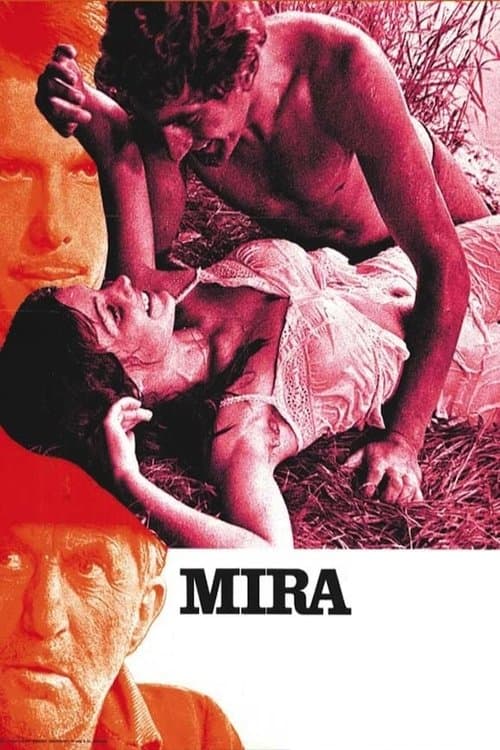
The story of a small and conservative West-Flemish village opposing the construction of a bridge over the Scheldt.
Mar 1971
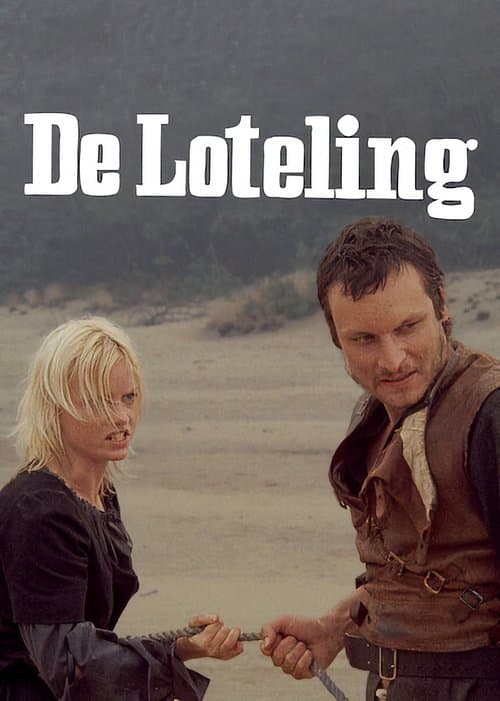
In 1833, when the fledgling Belgian kingdom still fears a Dutch invasion, recruits were selected annually from an age cohort by a draw of lots in each locality. In this grim, then contemporary drama by the 'father of Flemish literature', Hendrik Conscience, Jan Braems, a poor and naive farmers-boy, accepts the not uncommon offer by a rich family to sell his lucky ticket (out) to their son for a hefty sum compared to the miserable labor wages at the time. Army life is even harsher then a farmhand's, especially for a Dutch-speaking an-alphabet who simply can't understand his francophone superiors, and Jan's nature is not complacent enough for military discipline even by todays standards, so he soon gets into all kinds of trouble, including gambling his capital away and a venereal disease. When his girlfriend back home goes looking for him, her life is doomed as well.
Feb 1974
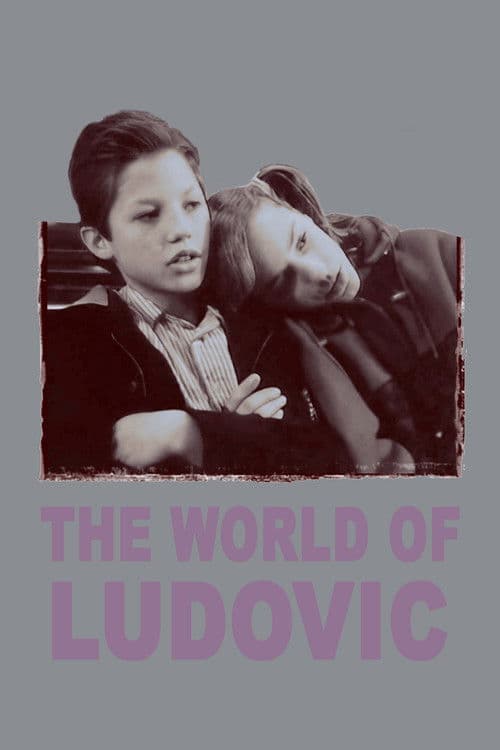
Ludovic, a 12-year-old boy from a well-off home who is neglected by his parents, who are part of the art scene, falls head over heels in love with Sofie, the daughter of a piano teacher, when he has to pass a test of courage in the schoolyard during recess. The cheeky girl with the two pigtails likes the boy who is interested in her. They soon get closer and meet in secret places in the city. It is the first love for both of them. Shortly after Sofie's father catches the two lovers in bed together in Sofie's room, Ludovic is sentaway from Brussels to spend time with his grandparents. But Sofie can't stand it without Ludovic and runs away from home to be with him. The lovers hide in abandoned buildings on the Belgian coast. While parents and police search for the couple, both youngsters find that it is pretty hard to beon their own, especially since an ominous photographer is lurking around the children.
Feb 1993
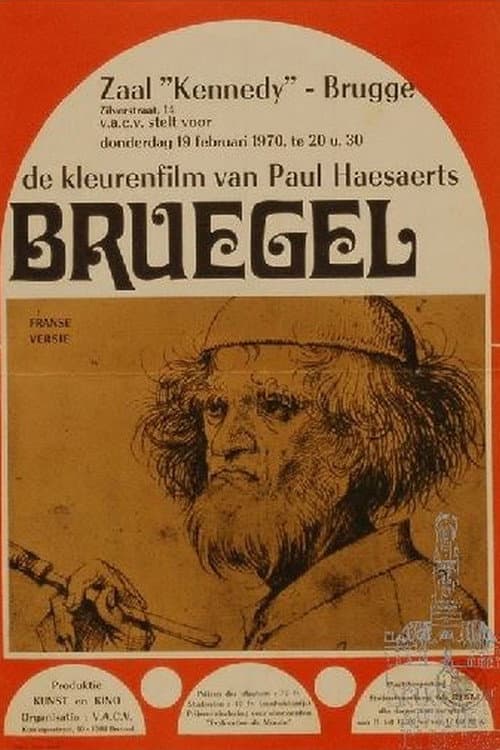
In this documentary, we become acquainted with the Virgilian Bruegel of the vast landscapes and the sarcastic Bruegel of popular moral tales. We see the Bruegel of the peasants and the Bruegel of the humanists, Bruegel the earthy and Bruegel the thinker, the Bruegel of everyday life and the Bruegel who ventures into the boldest flights of imagination and fantasy. The Flemish version is narrated by Ludo Bekkers en Julien Schoenaerts and the French version by Daniel Gelin and Philippe Noiret
Jan 1969
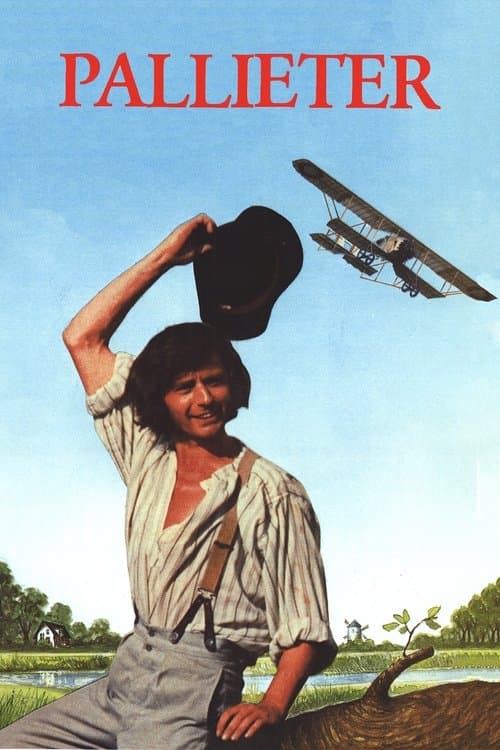
In this film version of the Dutch-language classic ('heimat'-)novel by Flemish author Felix Timmermans, the title character is a city-boy from Lier who after recovering from a life-threatening disease changes his life completely and his name to the self-invented Pallieter. He moves in with Charlote, a naive, caring relative in the country, where he starts frolicking, no longer caring for image, career or possessions, but concentrates on enjoying life -such as a draftee relative's Brueghelian wedding- and finds love with Marieke. A dark story-line however is when projected work on the river in the name of economical progress threatens the rural landscape they have fallen in love with...
Dec 1975
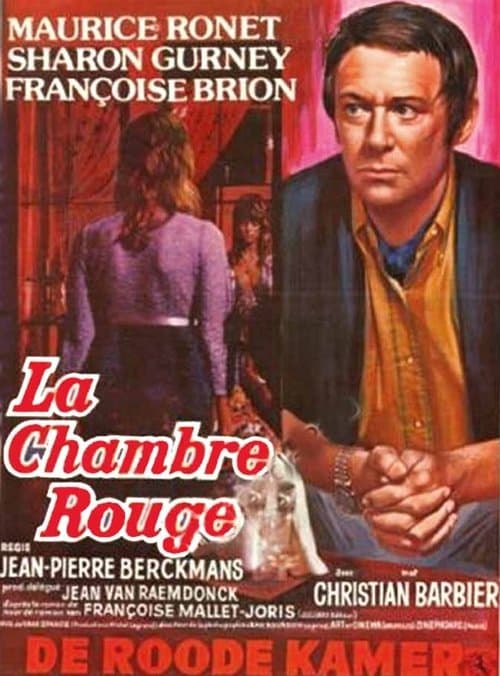
Hélène Noris, a young Belgian woman from a bourgeois family, is haunted by a past affair with Tamara — now married to her father. Torn between desire and resentment toward Tamara’s conformist life, Hélène feels alienated in the provincial world she inhabits. To boost his social image, her stepfather René invites Parisian director Jean Gerfaud to stage an avant-garde version of Tartuffe. Tamara flirts with him, but Hélène seduces him first. A passionate, destructive affair begins, entangling love, jealousy, and ambition. When the play’s scandalous premiere sparks outrage, Jean marries Hélène, provoking Tamara’s fury. Yet Hélène, restless and defiant, betrays him with a soldier. In rage and humiliation, Jean confronts her in the “red room,” the space that once embodied their love and now their ruin.
Oct 1973
Wildschut starts with a violent casino robbery in Knokke. Criminals Jim and the badly wounded Charlie flee with the loot, but their car breaks down in the foggy Flemish countryside. They seek shelter and break into 'Wildschut', a remote, run-down farmhouse.The gangsters immediately take the resident Deleye family hostage. After Charlie dies from his injuries, the psychopathic Jim is left alone with the captives. A tense psychological mind game unfolds, filled with threat and humiliation as Jim plays the family members against each other.While a local police chief starts a clumsy search, tension builds to a boiling point. The father tries to fight back, leading to a bloody, explosive finale where the survivors must do anything to escape Jim's madness.If you want, I can also translate the film review into English, or provide the English cast list and international titles.AI-reacties kunnen fouten bevatten. Meer informatie
Mar 1985
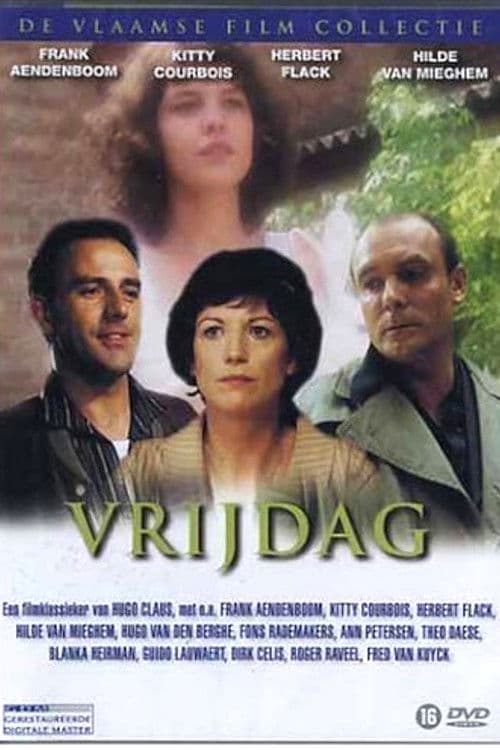
Hugo Claus rewrote and directed Friday as the cinematic version of his original 1969 play of the same name. Just as in the play, the story begins with the theme of incest, as the father Georges (Frank Aendenboom) returns from serving his jail sentence for that crime. Unlike the earlier play, however, the film does not emphasize that aspect of the story. When Georges gets home he finds out that his wife Jeanne (Kitty Courbois) has had an illegitimate child by a younger man, Erik (Herbert Flack), and now both of them must somehow try to return to a normal life, given their only too obvious lapses in moral judgment. As the husband and wife try hard to accommodate each other's failings and start to get to know each other again, Erik comes back into the picture. Now the three of them must resolve the deep-seated conflicts that brought them to this emotionally-wrought juncture of love and betrayal.
Mar 1981
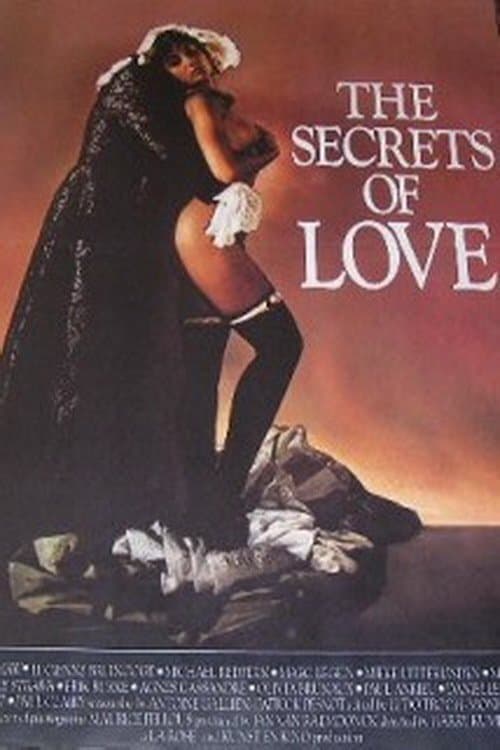
Three erotic stories from classic writers Marguerite de Navarre, Nicolas Restif de la Bretonne and Guy de Maupassant.
Oct 1986
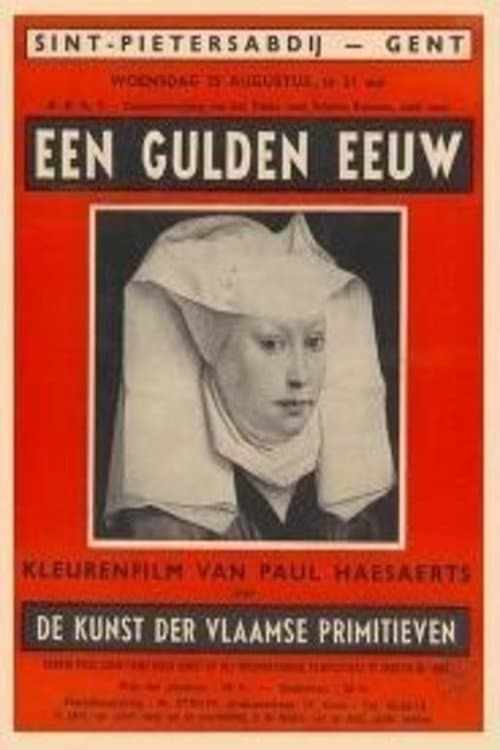
Following the success of Rubens and his series of short art films, Paul Hasaerts embarked on a project exploring the Flemish Primitives. With this film, he set out to offer a sweeping overview of fifteenth-century Flemish painting, showcasing masterpieces by Van Eyck, Van der Weyden, Bouts, Van der Goes, Memling, Quinten Metsys, and Brueghel, capturing both their artistic brilliance and historical significance.
Jan 1954