Menu
© 2026 The Couch Critic
Browse 16 movies from The TV Lab at WNET/13
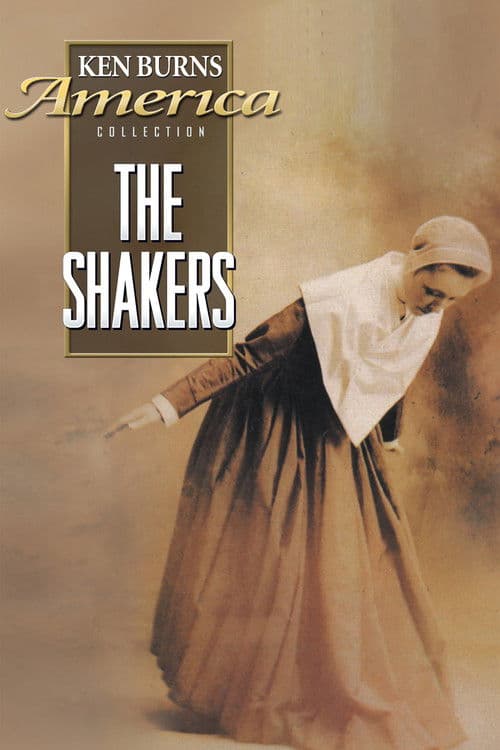
They called themselves the United Society of Believers in Christ's Second Appearing, but because of their ecstatic dancing, the world called them Shakers. Ken Burns creates a moving portrait of this particularly American movement, and in the process, offers us a new and unusually moving way to understand the Shakers.
Nov 1984
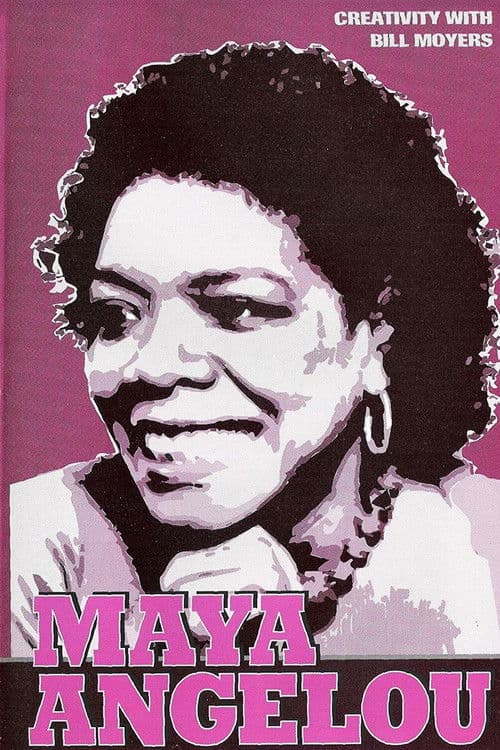
In this documentary profile, Bill Moyers travels with Maya Angelou to Stamps, Arkansas, the segregated Southern town where she grew up. Revisiting the landscapes and memories of her youth, Angelou reflects on race, memory, and the experiences that shaped her voice as one of America’s most celebrated writers. (Note: Originally produced as an episode of the PBS series "Creativity with Bill Moyers" (1982), this program has circulated independently under the title Portrait of Maya Angelou through library and educational distribution, justifying its treatment as a standalone documentary listing.)
Jan 1982
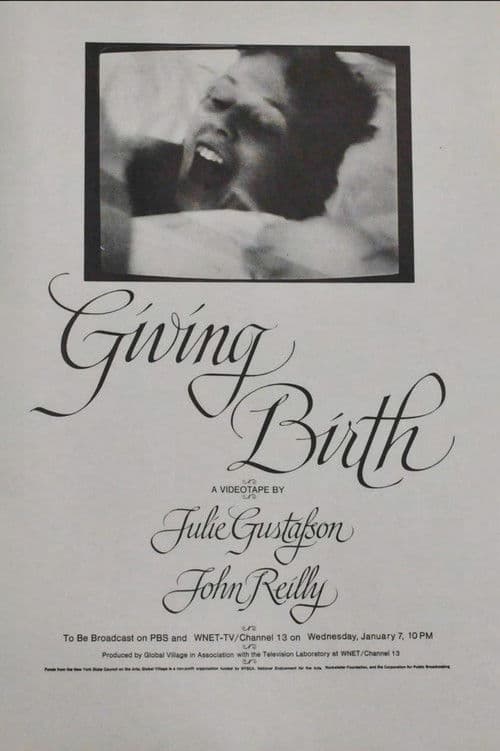
This documentary examines childbirth practices in the United States through four couples experiencing pregnancy and delivery. Each case presents a different approach to birth, ranging from high-technology hospital procedures to alternative methods such as Leboyer and midwife-assisted childbirth.
Jan 1976
Martin Scorsese revisits the Little Italy streets where he grew up, reflecting on how the neighborhood’s people, culture, and daily life shaped his outlook and influenced the stories he would later tell on film.
Oct 2001
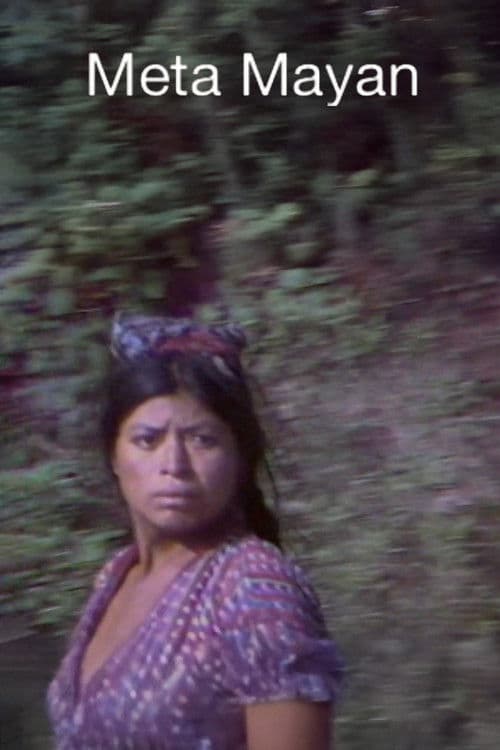
Filmed in the Guatemalan Highlands during a 1980 journey, Edín Vélez’s experimental video essay offers a lyrical portrait of Mayan life. Avoiding conventional narration or ethnographic analysis, the film observes gestures, landscapes, and daily rituals through slow motion and expressive camera techniques, while American news broadcasts evoke the political conflict surrounding the community, creating a meditation on cultural resilience in a changing world.
Jan 1981
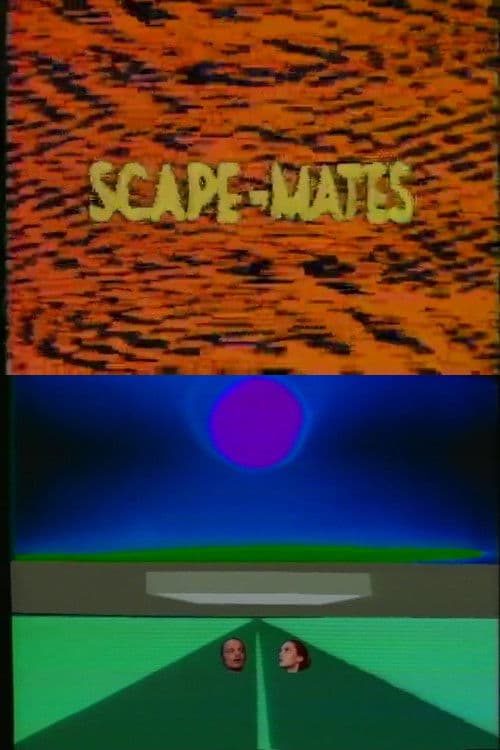
In one of his first experiments in video, Emshwiller creates an electronic landscape of both abstract and figurative elements, where colorized dancers are chroma-keyed into a mutable, computer-animated environment. Working with the "Scan-i-mate," an early analog video synthesizer, Emshwiller choreographs an architectural, illusory video space, in which frames proliferate within frames, disembodied heads and hands move within a collage of animated forms, and the dancers and their environment are subjected to constant transformations through image processing. With its witty interplay of the "real" and the "unreal" in an electronically rendered videospace, and the skillful manipulation and articulation of a sculptural illusion of three-dimensionality, Scape-mates introduced a new vocabulary of video image-making.
Jul 1972
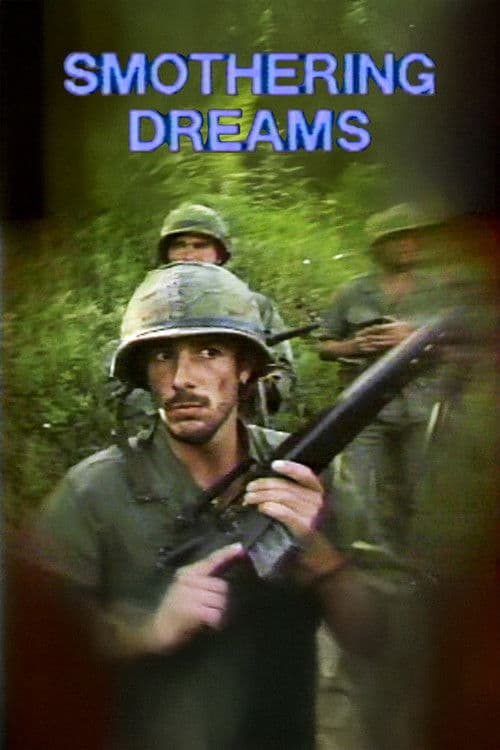
An autobiographical video essay by Vietnam veteran Daniel Reeves exploring the psychological roots of war through memories of combat, childhood media imagery, and reflections on violence in American culture.
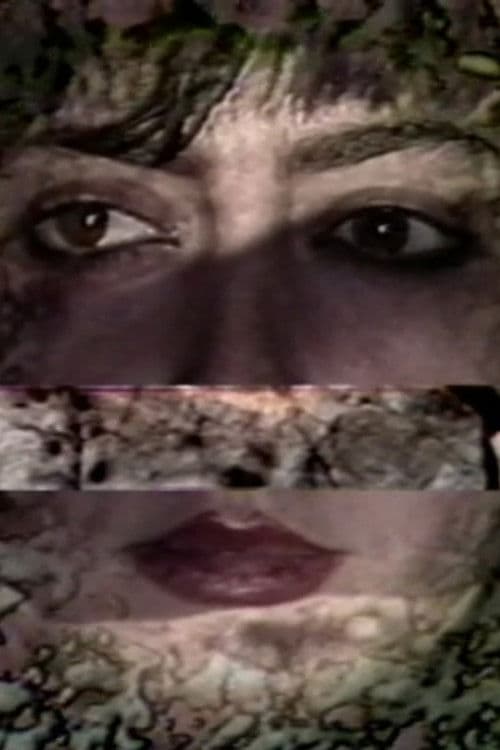
Emshwiller writes that the visually complex and densely textured Skin Matrix is a "video tapestry... a layering of different manifestations of energy: electronic (light, video, computer), inorganic (dunes, rocks, mud), organic (wood, plants), human (skin, hair), individual (faces, eyes), imagination (sculpture, robot)." His intricate electronic transformations of tactile surfaces, landscapes and human faces signify a metaphysical process that simultaneously masks and reveals; he achieves an uncanny spatial illusion of depth through layering and movement. Creating sophisticated image patterns and structures with the simple Bally Arcade computer (used for playing video games), Emshwiller weaves together the lush textures and kinetic energy of the organic and the technological.
May 1984
Through eloquent portrayals of four different life experiences — birth, aging, marriage and the death of a parent — Home addresses how the dissolution of the nuclear family and the increasing control of daily life by institutions have affected the individual. The subjects of this verité documentary include a ninety-four year-old woman in a nursing home and a young man caring for his terminally ill mother at home.
Jan 1979
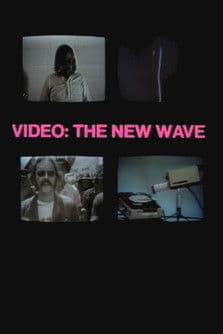
The New Wave is the seminal compendium of independent video work in the early 1970s. Written and narrated by Brian O'Doherty, this overview of the emerging video field includes examples of guerrilla television and "street" documentaries, early explorations with image-processing and synthesis, and performance video. This historical anthology includes excerpts of tapes by the following video pioneers: Stephen Beck and Warner Jepson, Peter Campus, Douglas Davis, Ed Emshwiller, Bill Etra, Frank Gillette, Don Hallock, Joan Jonas, Richard Serra, Paul Kos, Nam June Paik, Otto Piene, Willard Rosenquist, Dan Sandin, James Seawright, Steina Vasulka, TVTV, Stan Vanderbeek and William Wegman.
Dec 1975
An early work by Bill & Louise Etra, with Peter Crown. Made with biotelemetry equipment and video synthesizer at the TV Lab, WNET, NYC.
Jan 1973
A documentary film released in 2000 about two American families with young deaf children and their conflict over whether or not to give their children cochlear implants, surgically implanted devices that may improve their ability to hear but may threaten their deaf identity.
Oct 2000
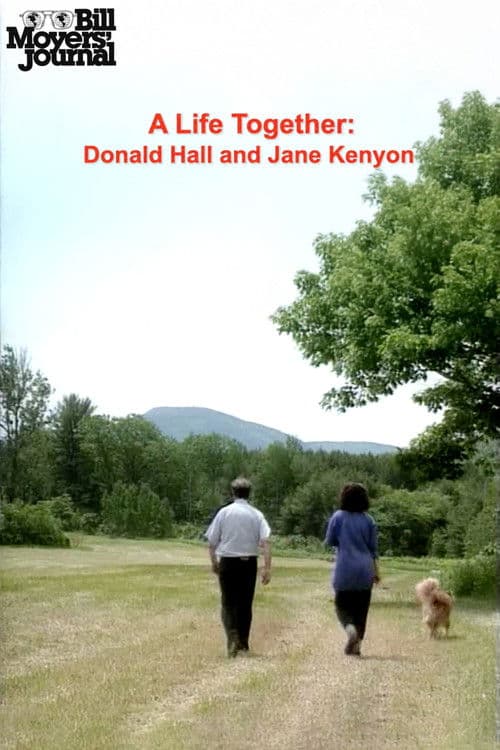
Performance and conversation with husband-and-wife poets Donald Hall and Jane Kenyon at a New Jersey festival, in their Wilmot, NH hometown and their Eagle Pond farmhouse.
Dec 1993
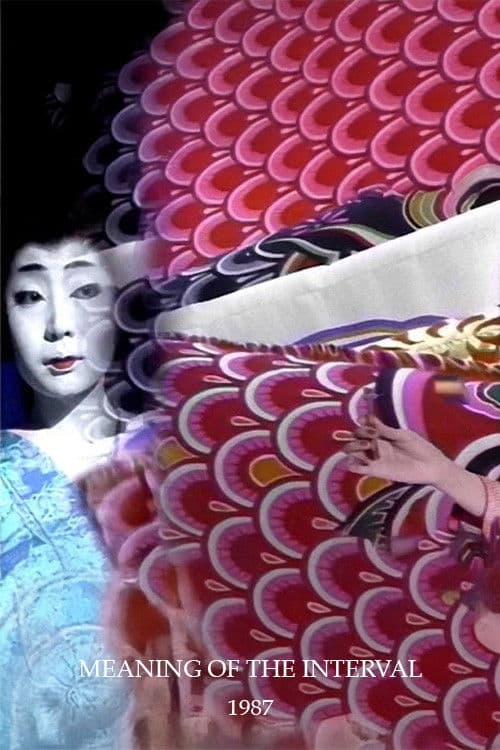
Filmed over a year in Japan, Edín Vélez’s experimental video essay examines the tension between tradition and modernity in Japanese culture. Through a nonlinear collage of layered images—ranging from bullet trains and corporate life to Kabuki, Sumo, and Shinto ritual—the film explores the concept of ma, the “interval” or charged space between things that shapes rhythm, balance, and meaning.
Jan 1987
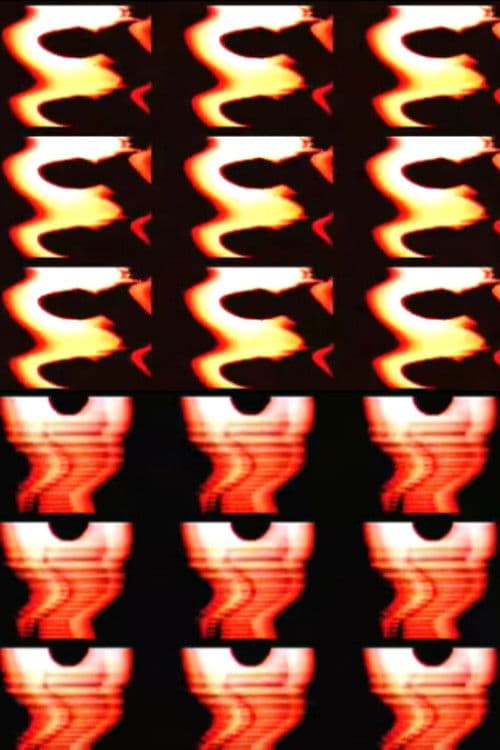
Set to Holst's Mars, the Bringer of War, Bill Etra's original performance on 9 B&W monitors was shot in real-time on 16mm color film by Woody Vasulka. The 16mm film added some unexpected and welcome color effects that lend themselves to the composition and the choice was made to leave them in.
Jan 1972
With a title referring to Japanese folklore, wherein things done on the first day of a new year are significant, the film - an ardent dream entirely shot in Japan - stands as a spiritual allegory equating light and dark with life and death.