Menu
© 2026 The Couch Critic
Browse 43 movies from Belgische Radio en Televisie
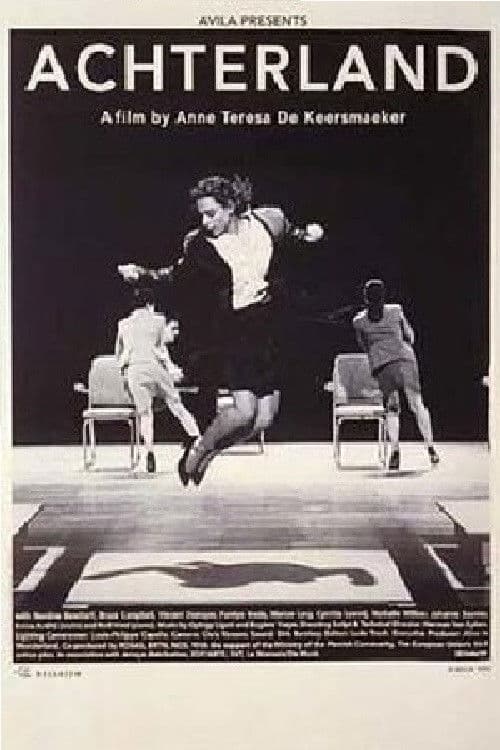
Film version of the dance performance of the same name.
Jan 1994
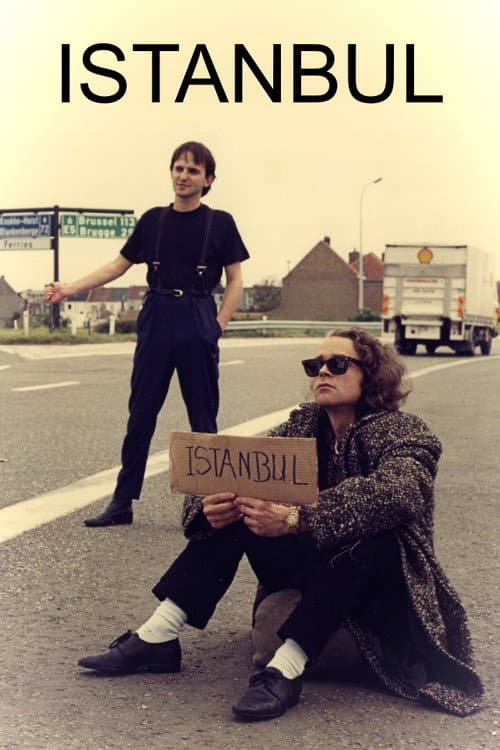
Martin, a drifter, is on his way to Istanbul when he meets Willy, a student working in Belgium. Fascinated by Martin, Willy decides to go with him to Istanbul, but soon discovers pieces of his dark past.
Jan 1985
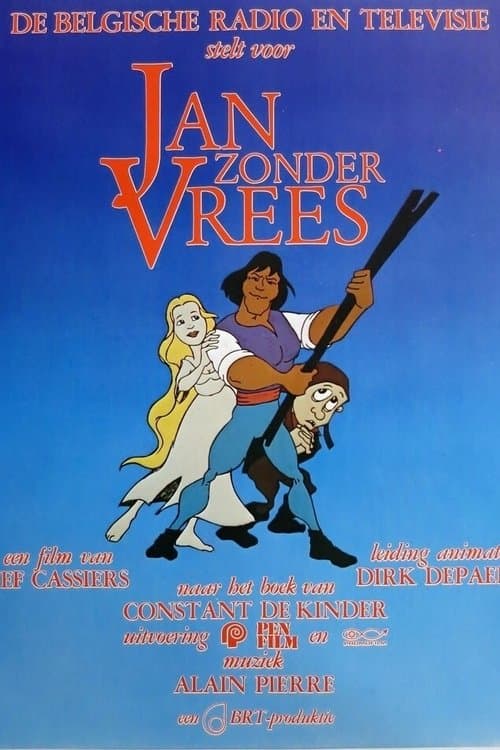
He's the "Rocky" of the 15th century-defender of the poor, enemy of evil, champion of justice. He's fearless and the strongest man in the land. He's ready and willing to take on all wrong doers-rich and poor. Accompanied by a lovable, meek little friend, his quest takes him on an unforgettable journey. Swamp monsters, knights in armor, duels, royal pageantry, and damsels in distress all abound in this story of timeless values. In the spirit of "Robin Hood," it's a robust, romantic tale: a feast for the eyes and a joy for the heart.
Jan 1984
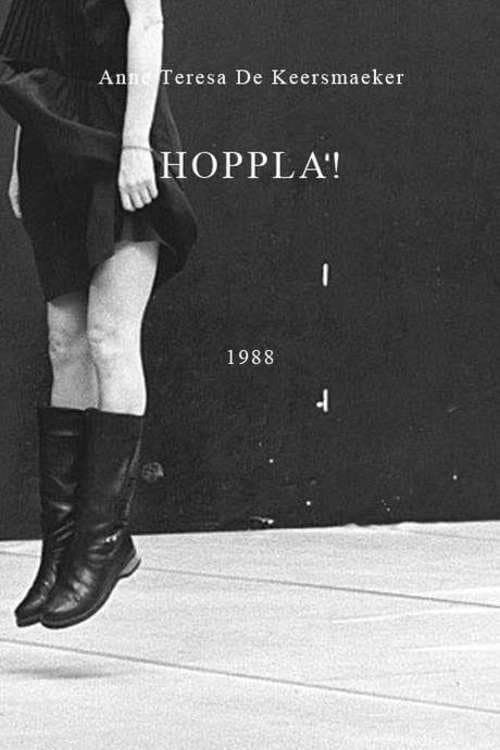
In Hoppla!, two choreographies by Anne Teresa De Keersmaeker are brought together and performed to the music of the Hungarian composer Béla Bartók: Mikrokosmos, seven short works for two pianos, and Quatuor no. 4, Bartók’s fourth string quartet. The reading room of the Ghent University library, designed by the renowned architect Henry Van de Velde, serves as location.
Jan 1988
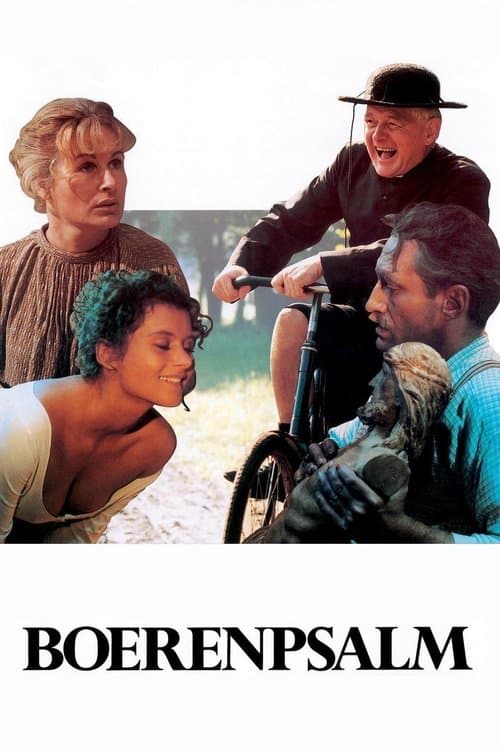
The movie follows the turbulent life of Wortel, a deeply devout yet flawed Flemish farmer at the turn of the 20th century. Wortel has an intense bond with his land, but his life is defined by a relentless series of tragic hardships.Throughout his journey, Wortel faces the loss of multiple children, the suicide of his son, and the heartbreaking deaths of his wives, Fien and Frisine. Despite these devastating misfortunes, he is constantly urged by the local village priest to accept this suffering as part of God's grand plan. Mixing heavy melodrama with moments of dark, bittersweet humor, the film portrays Wortel’s fierce survival instinct, human weaknesses, and ultimate search for solace through his faith and hard labor.
Mar 1989
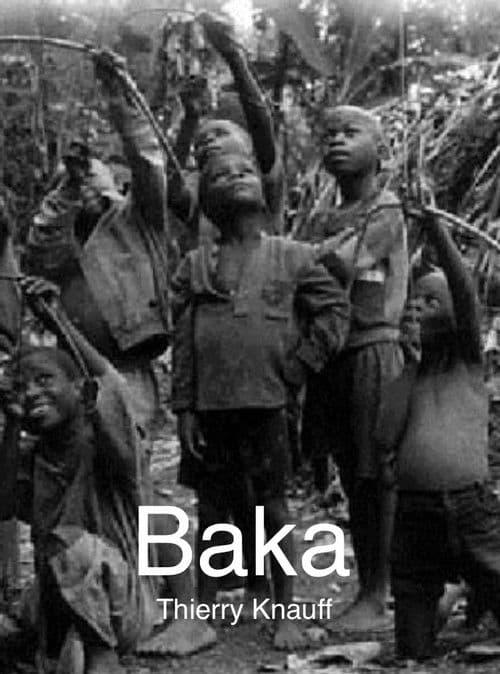
For months filmmaker Thierry Knauff lived with the Cameroonian tribe, the Baka. This is his document of that time.
Sep 1995
A 17 year old girl runs away form home and finds shelter with a 50 year old man with a psychiatric past.
Feb 1991
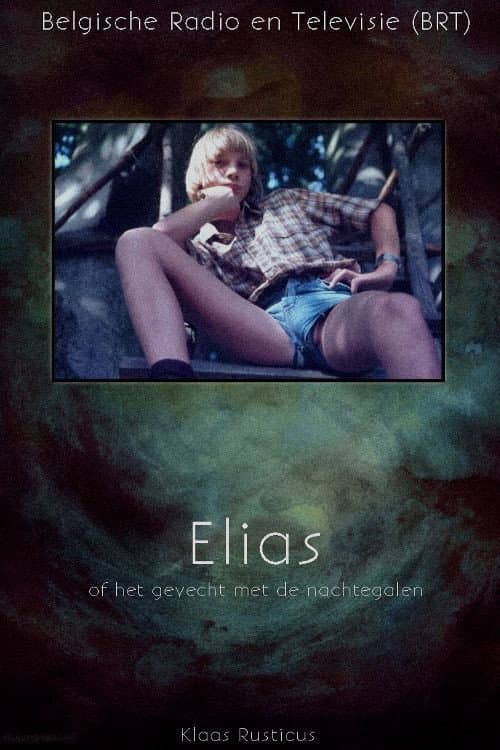
Set on the eve of World War I, this poetic coming-of-age drama follows Elias, a sensitive twelve-year-old dreamer living on an isolated country estate. Raised by an eccentric, overprotective family detached from reality, Elias finds refuge in nature and his vivid imagination to escape his internal struggles. His fragile childhood bubble is shattered when he learns he will soon be sent away to a strict boarding school. During his final summer at home, Elias experiences a bittersweet emotional awakening shaped by three relatives: his older cousin and close companion Aloysius, his young cousin Hermine, who harbors a subtle infatuation for him, and his beautiful, melancholic Aunt Henriette, who serves as a dramatic muse. Based on Maurice Gilliams’ modernist classic, the film is a nostalgic, melancholic portrait of a boy forced to leave his idyllic fantasies behind and face the adult world.
Jun 1991
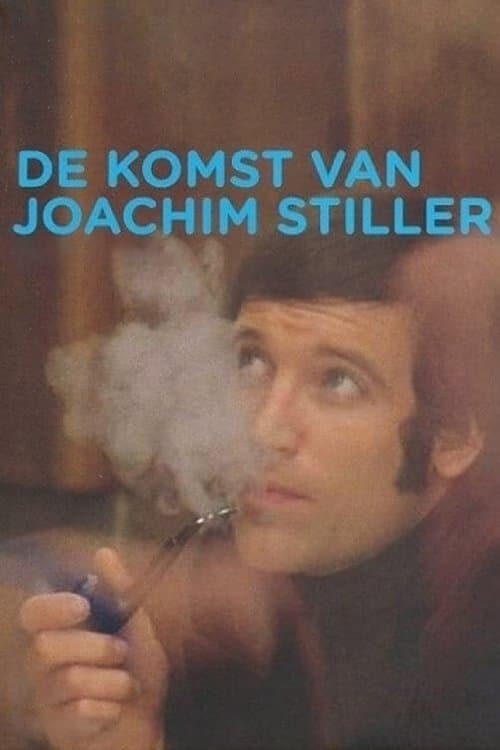
An Antwerp journalist finds his daily life increasingly disrupted by unexplained phenomena, such as an authentic letter from 1919 that refers to an event taking place at a much later date. Because these disturbances are consistently linked to the name “Joachim Stiller,” the journalist becomes obsessed with it. The resolution, which is closely tied to his traumatic experiences from the Second World War, takes place with a psychiatrist—and later at an abandoned railway station in an Antwerp suburb. Interwoven with this is a subplot about an Antwerp art dealer who believes he can become rich through a new form of painting. To achieve this, he takes a mentally disabled artist hostage. The narrative also follows various romantic entanglements involving the journalist, which ultimately lead to his happy experience of fatherhood.
Nov 1976
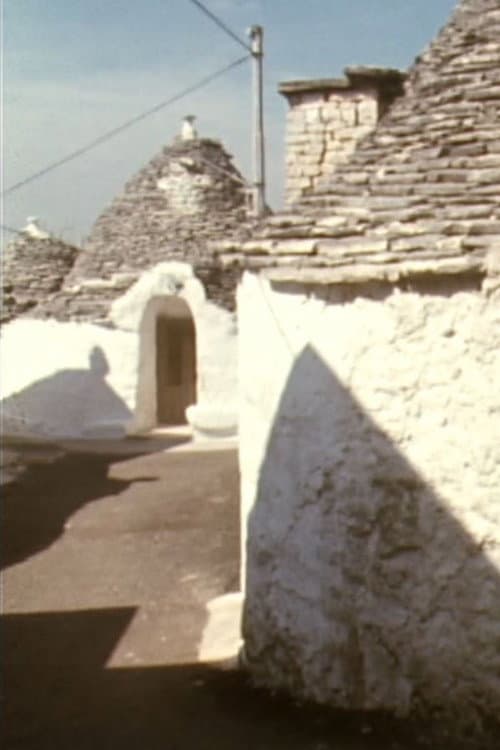
The film De straat (The Street) opens with scenes of a protest in a street. Right after, we see aerial views of a busy highway. The narrator's words say it all: 'The street has become nothing more than a highway – a movement machine, as Le Corbusier called it. The heart of the city, the street, has turned into nothing but a space for traffic.' The car has ruined both the street and community life, and the footage hits this message home. Shots of Belgian cities overrun by cars and trucks are mixed with peaceful clips of Italian towns, where kids spend their whole day playing outside. In short, the film is a powerful critique of motorized traffic in our cities
Sep 1972
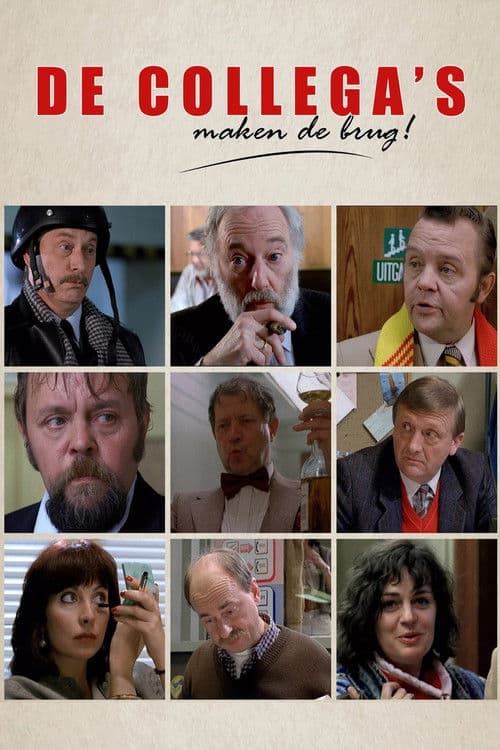
The movie made after the hit series "De Kollega's" starring the same characters, but rather tragicomic. When November 11, an official holiday (Armistice), falls on a Tuesday, the public service often gets an extra day off on the preceding Monday, but only after a formal ministerial decision, and this time it gets all the way trough the hierarchy to the right office- and then isn't read, so all the colleagues turn up, only to be told they should have stayed at home. It gets worse: works in progress and clumsiness end up blocking the way out both by lift and staircase, so they are stuck on their floor, apparently without a phone, while there's nobody outside who can hear and rescue them. Forced to keep their conversation going, some secrets get unearthed, and it's not a very pretty picture they got of each-other.
Jun 1988
A drama consisting of two parts: In 't Water and De Boer Die Sterft. The first part tells the story of Jan Boele, who is forced to marry Tale Siepers, a girl who is pregnant with his child. However, Jan is in love with Poezeke, the daughter of a wealthy farmer, and dreads his marriage. On their wedding day, he refuses to get up when the bride arrives, leading to a tragic ending. The second part follows Nand, a Flemish farmer who, on his deathbed, looks back on his life, which consisted mainly of working and eating according to the rhythm of the seasons. He remembers his childhood, his wife Wanne, and his mother, and realizes that his life was not as empty as he thought.
May 1963
An actor pretends to be a writer. He sits in his office, reflects and puts words to paper, which are then performed by Jan Decorte. The text influences the situations shown and vice versa [Avila].
Jan 1977
A lighthouse guardian leads a young prince towards an imaginary world, Taxandria, where the boy learns about the power of love and the value of liberty. A totalitarian regime has forbidden time: time watches have been confiscated, photo cameras are illegal as they freeze a point in time. A typical Servais theme: a power is oppressed by a constraint that denies what is best in the individual, and therefore has to be twisted in various ways, to establish an entirely artificial world, that has rules that may question some of the rules of our world at this side of the mirror.
Feb 1996
A woman takes revenge on her cheating husband by inviting his mistresses on their anniversary party. She thanks all of them and announces she's going to divorce him.
Jan 1990
Govert Miereveld is a lawyer from a small Flemish town who also teaches in a school for girls. He harbors a secret love for one of his young students, Fran, whom he loses touch with after her graduation. Some time later, Miereveld has to attend an autopsy, and the shock of the experience deeply affects his mental balance. He finds out - or he believes so - that Fran has become a popular singer. He arranges to meet her to finally reveal his feelings. An ambiguous but perhaps tragic denouement follows which might be a figment of the protagonist's disturbed mind.
Sep 1966
A filmed essay about the painter Bouts.
Aug 1975
West Flanders, 1940. The Germans have invaded Belgium. In a state of panic, thousands of people flee to France. Among them are ten-year-old Waldo and his parents. They travel through the Poperinge and Ypres region toward the border. There, Waldo’s parents are killed in a bombardment. Waldo continues toward the coast with his fourteen-year-old neighbor, Vera. A journey with a tragic end
Apr 1977
This psychological drama begins after a young woman has committed suicide. Her husband, a cynical pawnbroker, sits desperately by her body. Through a feverish internal monologue and flashbacks, he attempts to reconstruct the events. He tries to justify his own behavior and subtly shifts the blame for the tragedy onto her, while the viewer unravels the destructive dynamics of their marriage.
Feb 1971
Explores the influence of propaganda on religion during Hitler's reign as well as his representation as the new Messiah.
Jan 1995