Menu
© 2026 The Couch Critic
Browse 25 movies from Prabhat Film Company
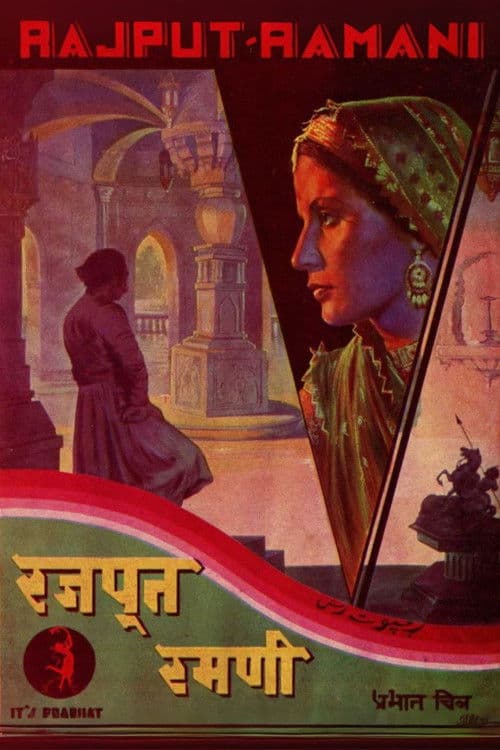
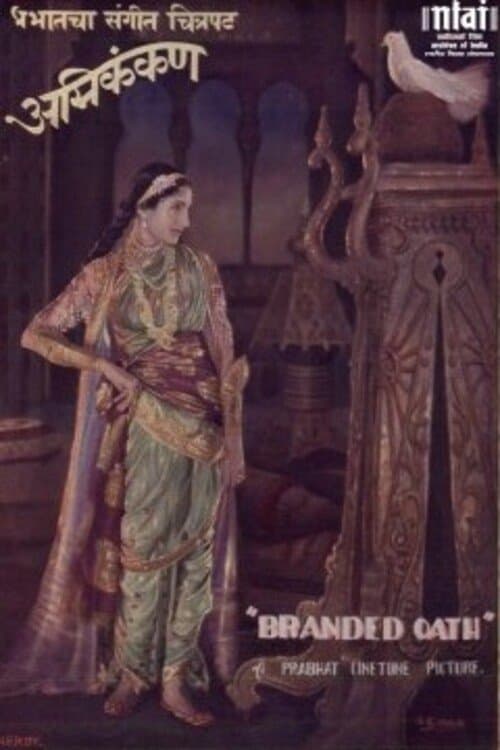
Set in medieval Rajput court, mainly addresses Rajput notions of chivalry. The legendary warrior Mansingh (Phatak) is the nation's strong man but he is cordially hated even by his own people. Claiming to have been offended by Taramati (Tarkhad), he insists to her eminent father that only a marriage (on terms insulting to her) can placate him. He becomes a tyrant imprisoning large numbers of people, and eventually Taramati's father, also in prison, leads a popular revolt, threatening to kill his son-in-law. Only Taramati's decision to protect her husband resolves the conflict.
Oct 1936
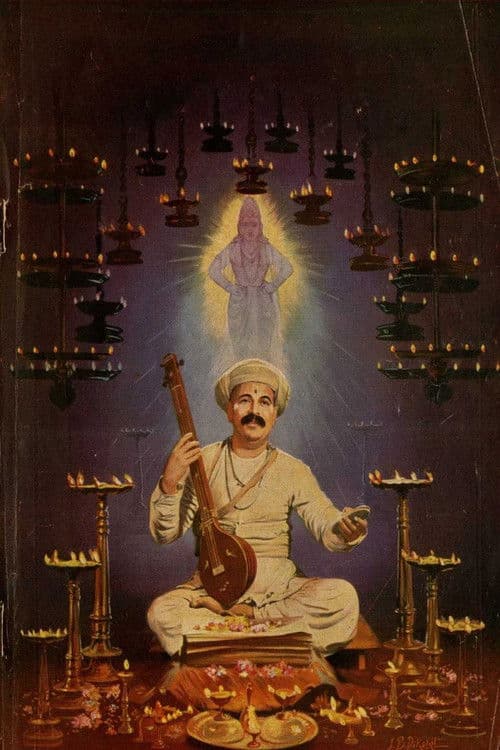
This classic film chronicles the life of Tukaram (17th C.), one of Maharashtra’s most popular saint poets, activating the 20th century resonances of his turning away from courtly Sanskrit towards vernacular rhythms of religious poetry.
Mar 1936
A love tragedy featuring a policeman, Ganpat (Modak) and a prostitute, Mainal (Hublikar). Ganpat saves Maina from a police raid on a brothel and they fall in love. Her reputation and sense of guilt resist his attempts to rehabilitate her. Ganpat's respectable middle-class mother (Sundarabai) symbolizes all that Maina would like to be, but she is arrested for murdering her evil uncle and refuses Ganpat's offer to release her from prison.
Mar 1939
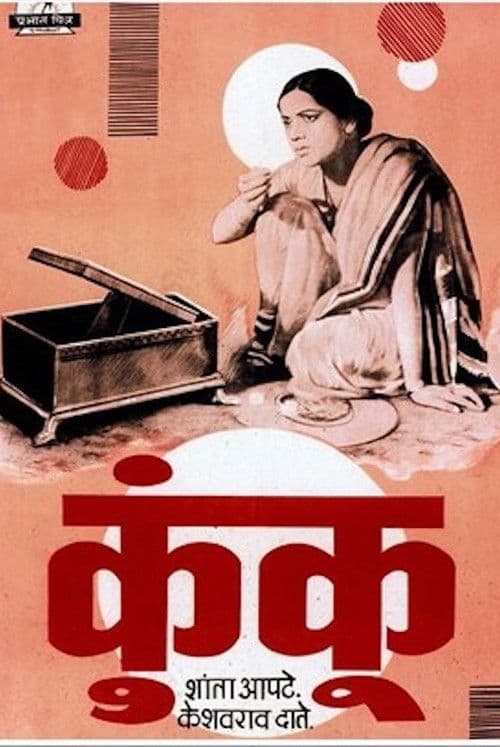
Neera (Apte) is trapped into marrying an old widower Kakasaheb (Date). He is a progressive lawyer with a son and daughter of Neera's age. Neera refuses to consummate the union claiming that while suffering can be borne, injustice cannot. Neera faces many hurdles including her mother-in-law and a lascivious stepson Pandit (Nene).
Feb 1937
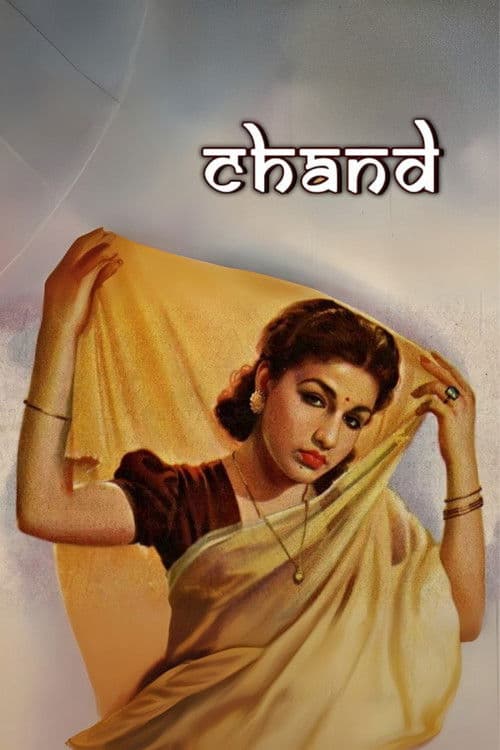
A musician's move to Bombay ignites a love triangle with his new landlord's daughter and his former, unrequited admirer. Misunderstandings and family opposition lead to separation, but a fateful reunion during a crisis ultimately brings the true lovers together with a happy ending.
Dec 1944
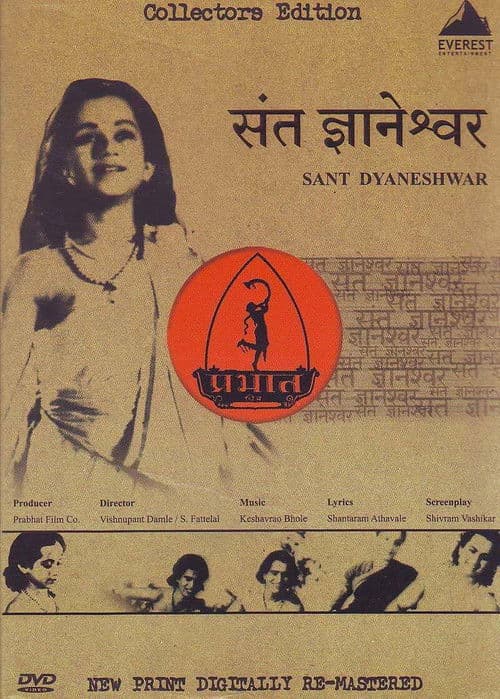
It's the story of a boy who finds enlightenment by experiencing religious hipocrisy and dogmatism. Dnyaneshwar liberated the "divine knowledge" locked in the Sanskrit language to bring that knowledge into Prakrit (Marathi) and made it available to the common man.
May 1940
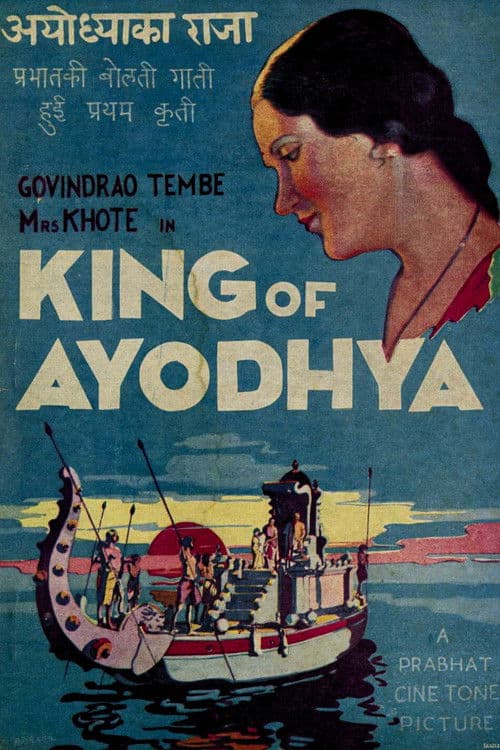
Ayodhyecha Raja, literally "The King of Ayodhya", was the first Marathi talkie. It is based on the mythological story of Raja Harishchandra of Ayodhya and his test by sage Vishwamitra, as recounted in Valmiki's epic, Ramayana. The film was also made as a double-version, Ayodhya Ka Raja (1932) in Hindi, making it the first double version talkie of Indian cinema.
Jan 1932
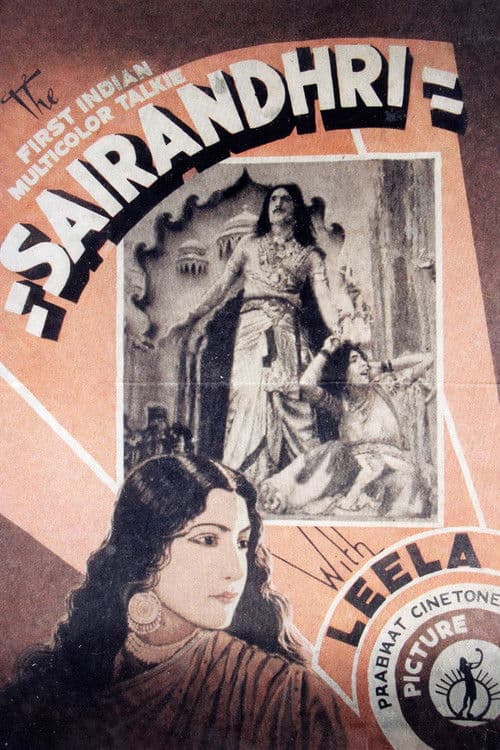
Set during the Pandavas’ exile in the Mahabharata, the story focuses on Draupadi living incognito as a maid-in-waiting named Sairandhari in King Virata’s palace. The arrogant Keechak becomes obsessed with her, prompting Bhima (disguised as a cook) to intervene and kill Keechak to protect her honor.
Jan 1933
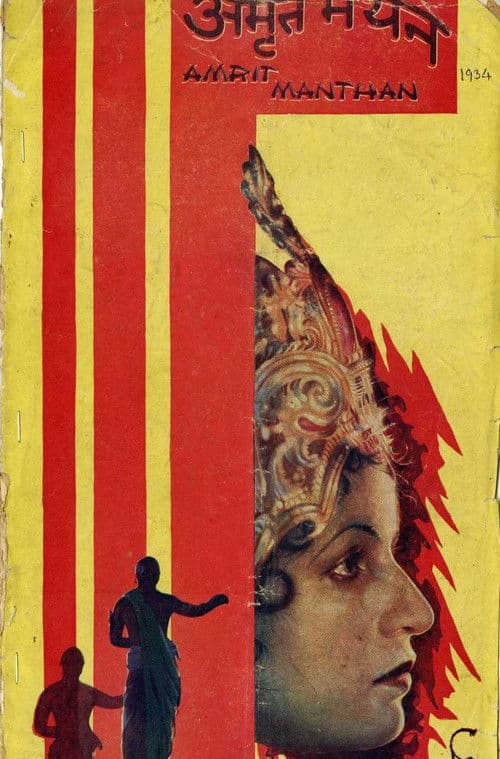
The story of this film revolves around Sri Rama and Seetha's wedding.
Jan 1934
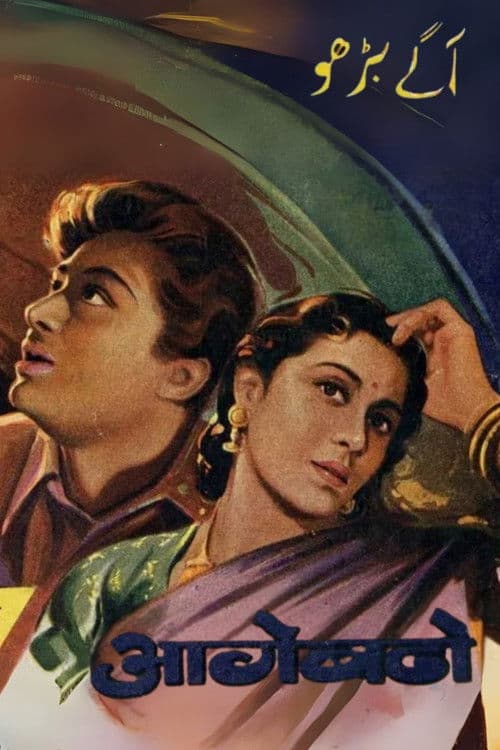
In a tale that dared to challenge tradition, Aage Badho follows the heartbreaking journey of Sarla, a bride whose joy turns to sorrow as she becomes a widow on her wedding day. Trapped in a life of torment by her cruel stepmother, Sarla attempts to end it all, only to be rescued by the compassionate Uday. Can Uday help Sarla defy societal norms and embrace a second chance at love and happiness, marching ahead towards a future free from the shackles of a regressive past?
Jan 1947
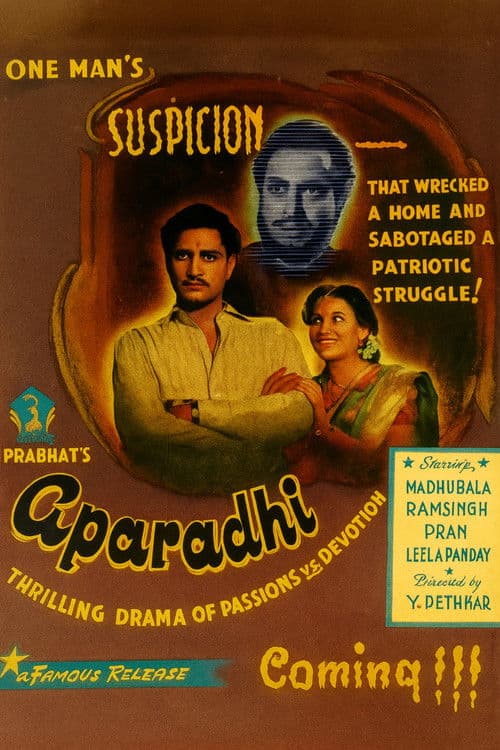
In 1940s British Bombay, the idyllic marriage of instructor Amar and singer Sheela Rani is upended when Amar's best friend, Mohan, a fugitive freedom fighter with a massive bounty, seeks refuge in their flat. The immediate political tension gives way to personal agony as Amar’s jealousy ignites over Sheela and Mohan's growing bond. Driven by toxic suspicion, Amar abandons his life to spy, forcing him toward a devastating, calculated choice between loyalty to his friend and country, or the dark allure of the colonial reward.
Feb 1949
Udaybhanu captures Kamlakumari who is planning to commit Sati and brings her to his fort in Kondana. Tanaji Malusare prepares to attack the fort with fifty soldiers. He manages to scale it but is killed in the battle with Udaybhanu. Chatrapati Shivaji Maharaj arrives and wins the fort but he is despondent on losing his most trusted Lieutenant.
This classic opens with a sensational low-angle circular track movement as Chandika cult followers meet in a dungeon of flickering lights and deep shadow. As the more rationalist King Krantivarma (Varde) banned human or animal sacrifices from the increasingly fanatical festivals dedicated to the goddess, the cult's high priest (Chandramohan/Date) orders the hapless Vishwagupta (Kelkar) to kill the king.
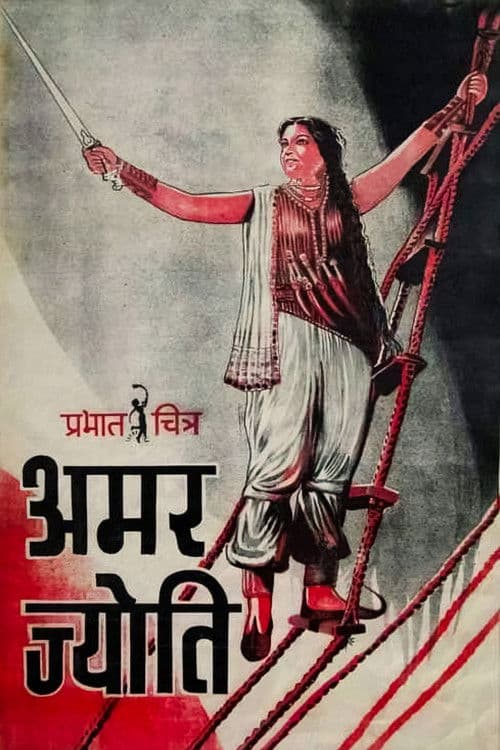
Faced with extreme patriarchal laws in an ancient seaport kingdom and denied the legal custody of her infant son, a young woman becomes a pirate declaring war on the state's tyrannical minister of justice.
Aug 1936
Prince Sudhirchandra goes into hiding as an infant when his father gets overthrown by Naagraya, a greedy minister. After 20 years, Sudhirchandra returns to reclaim his throne.
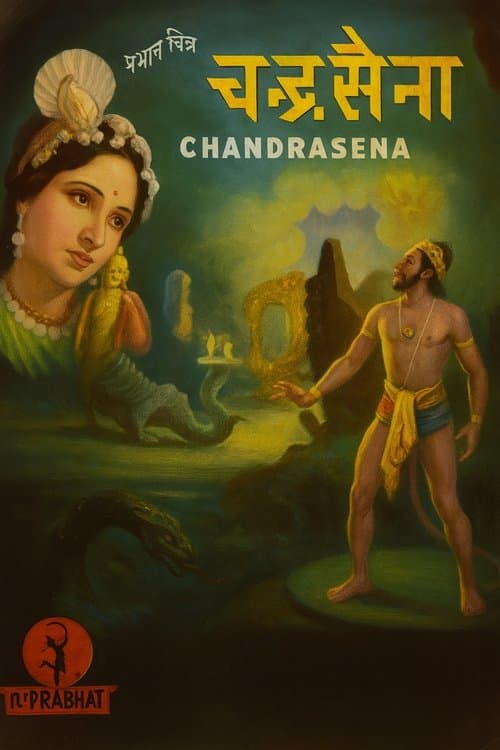
Chandrasena, wife of their captor Mahi. Despite her loyalty to Rama, she despises the decadence of her husband's kingdom. As the battle rages and Mahi proves invincible with his ability to duplicate himself and his fallen soldiers, Chandrasena holds the key. She reveals the secret to defeat her husband, turning the tide of the war. Expect grand visuals, including classic flying figures, magical arrows, and a memorable scene of a gigantic Hanuman dwarfing a human figure.
Oct 1935
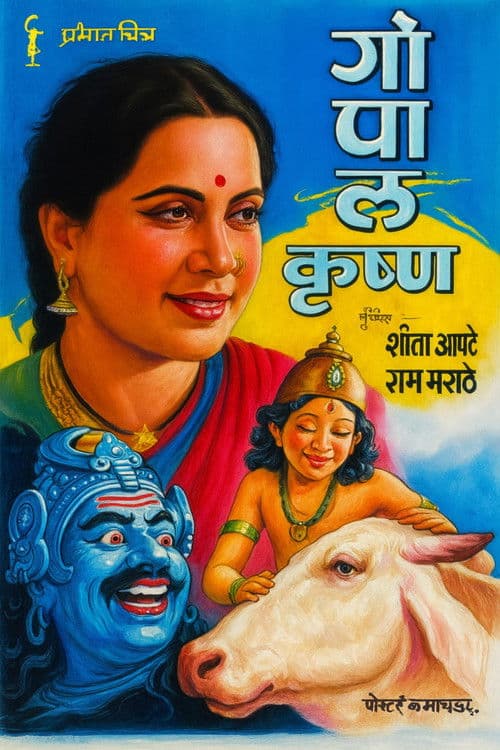
This mythological tells of the playful child Krishna (Marathe) and his battle against the evil King Kamsa (Ganpatrao) who rules the city of Gokul. The stories, mainly from the popular 'Bhagvat' and 'Vishnu Purana', also show Krishna vanquishing Keshi (Haribhau), Kamsa's general who arrives in disguise to capture him. Finally, when Kamsa unleashes rain and flood over the city (in a departure from the original legend where Indra caused the natural disaster), Krishna raises the mountain Govardhan over the people to protect them.
Dec 1938
Sant Eknath, a 16th-century poet-saint who challenges caste discrimination by serving and dining with the untouchables. His actions provoke outrage from orthodox Brahmins, leading to his excommunication. Despite opposition, Eknath stands firm in his belief in equality and devotion, inspiring others to join his cause and defending his principles through his spiritual teachings.
Jan 1935
Marathi version of the film starring Mazhar Khan, Gajanan Jagirdar and Anees Khatoon. In a small village in India, the villagers of different communities live in harmony. But when an industrialist, arrives to construct a dam, he sows distrust and disunity between the Muslim and Hindi communities.
Jan 1941
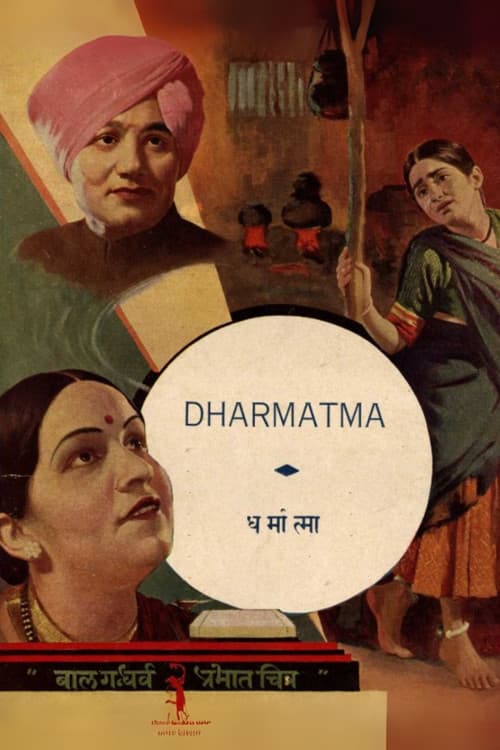
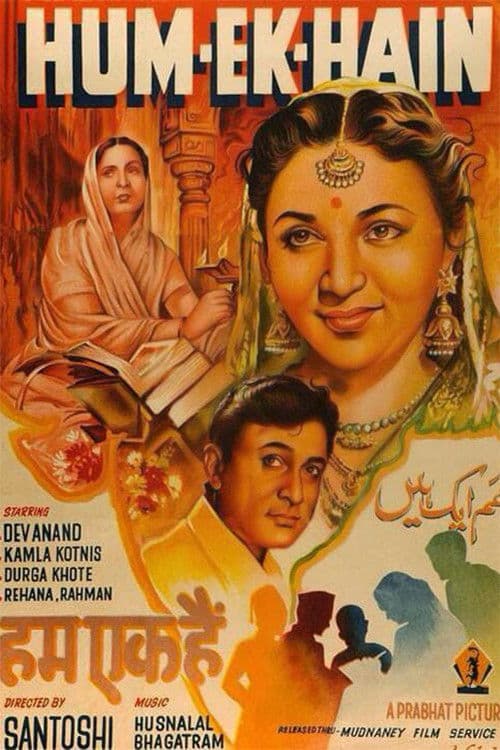
Zamindari Ma, the old landlady of a village supports its people during a famine and raises three orphaned children of differing religions. The children, although encouraged to practice their separate religions, are taught to remain united at all times.
Jun 1946