Menu
© 2026 The Couch Critic
Browse 6 movies from Bremer Institut Film & Fernsehen
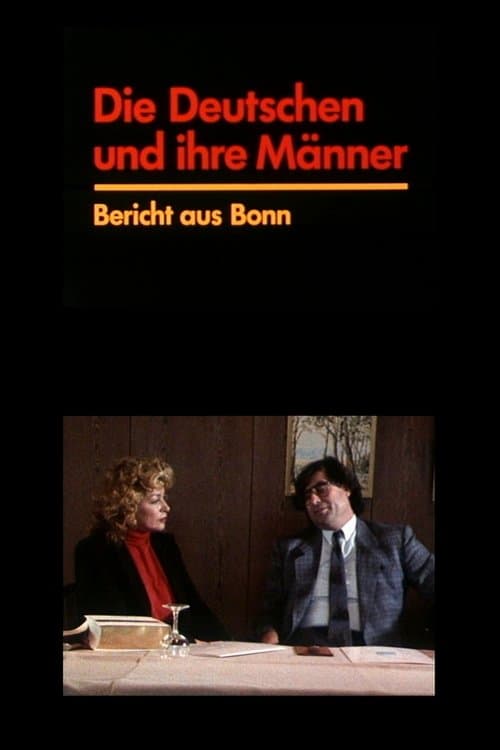
A documentary with fictious elements. Ms. Elisabeth (Lieschen) Müller from Austria comes to Bonn, Germany to find herself a man. During the search she investigates the connections between neckties, political power and prostitution, and tries to look for the influence the german feminist movement had on the men in Germany's capital.
Nov 1990
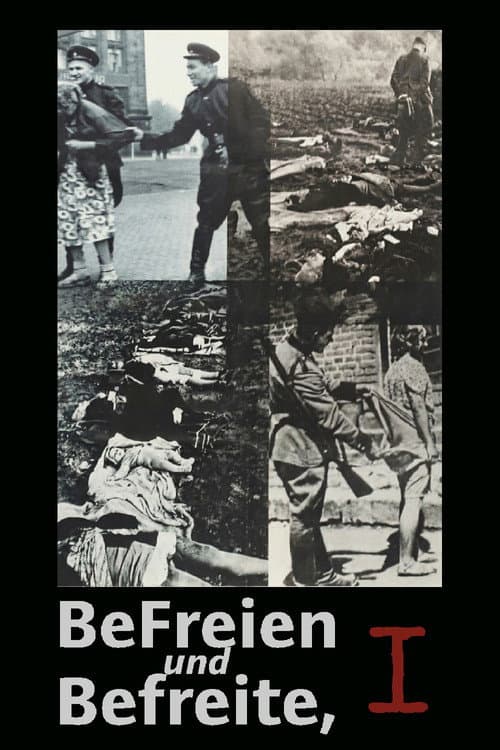
Based on years of research into the mass rapes committed by the Red Army at the end of the Second World War. In the first part of the documentary Helke Sander interviews multiple German women who were raped in Berlin by Soviet soldiers in May 1945. Most women never spoke of their experience to anyone, after 46 years of silence they talk for the first time publicly about their violent experiences that have left such a mark.
Feb 1992
A Turkish immigrant worker has died 1965. The preparation of the body is contrasted with a letter written by his wife in Turkey, which describes the situation and expectations of his family in the homeland. The presentation creates the atmosphere of a parable in which the parting of immigrant worker from his homeland is described, but which could just as well be his return home, as a corpse. The story revolves around the ambivalence of parting and the divergence between the actual events of life and the expectancy and hopes one has of this life. This is shown through the comparison between the hard fact of the immigrant's death and his wife's hopeful expectations of him and his successful return.
Apr 1995
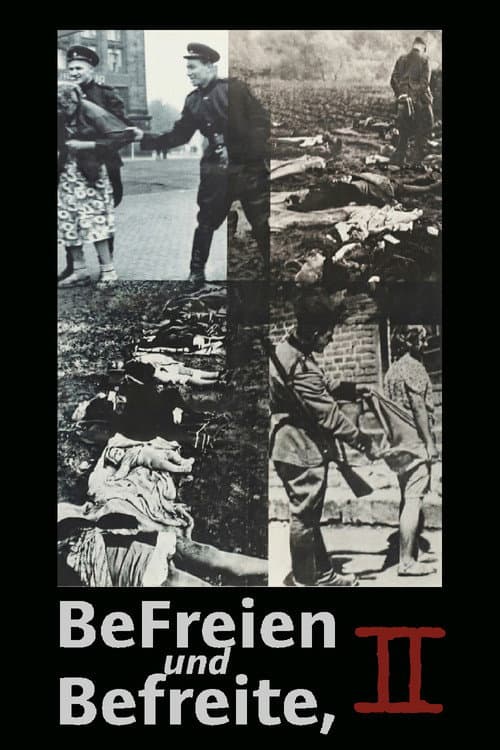
Based on years of research into the mass rapes committed by the Red Army at the end of the Second World War. In the second part of the documentary Helke Sander interviews former Soviet soldiers, and children born from rape, splicing their statements with material from archives. While avoiding an emotional presentation of the subject matter to rule out revanchist interpretations.
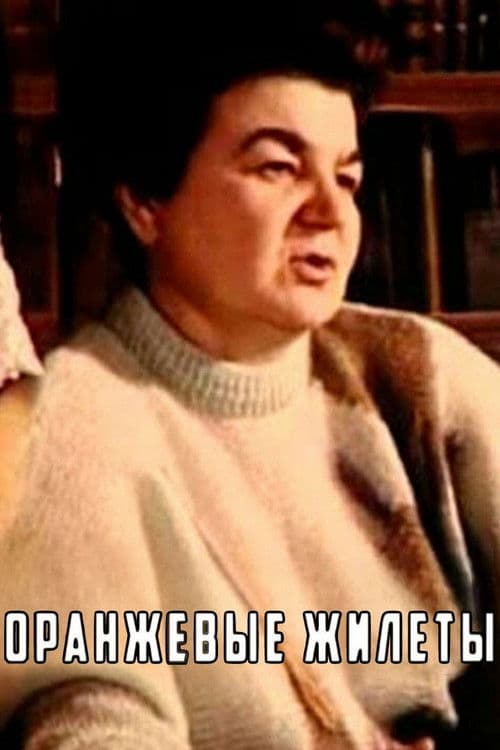
A radical cinematic letter about the hardships facing women in the collapsing Soviet Union. Shot in Belarus, Tajikistan, Ukraine and Siberia, these interviews and observations document the exploitation and repression of an unwavering patriarchal doctrine.
Dec 1993
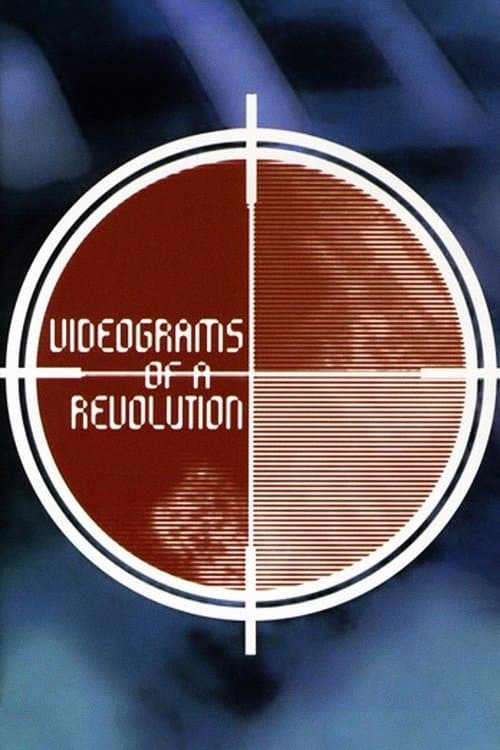
A minute-by-minute chronology of the Romanian revolution in December 1989 in Bucharest. This cinematic montage of live footage from the state television company TVR and video taken by numerous amateurs becomes a new media-based form of historiography.
Aug 1992