Menu
© 2026 The Couch Critic
Browse 148 movies from La Sept-Arte
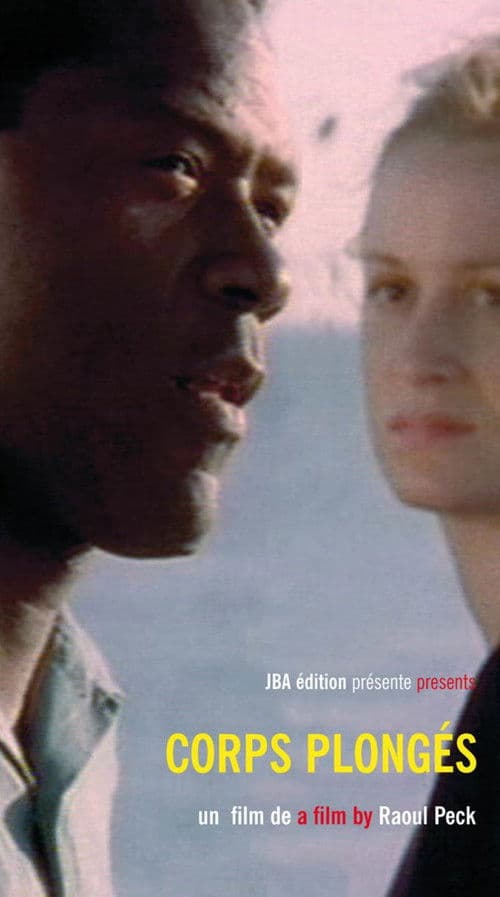
Raoul Peck directed this French-German-Haitian drama set in Manhattan where medical examiner Chase Dellal (Geno Lechner) isn't happy with the diminishing aspects of her life: Not only does she face political pressures to soft-pedal her testimony, her marriage to a judge (Bob Meyer) is collapsing. Suddenly, new options appear after deposed Haitian politician Dimitri (Jean-Michel Martial) re-enters her life. Playwright Israel Horowitz has a role in this film as morgue cop Timothy.
Sep 1998
On March 29, 1947, peasants armed with sticks and knives attacked the French garrisons in Madagascar. The revolt would end twenty months later with the death of the last insurgents, shot down by the expeditionary force. France, accustomed to memory lapses, knew nothing of this insurrection and its trail of torture and abuses. In Madagascar, well after independence, the events of 1947 were never discussed. For more than a generation, parents refused to speak of them to their children. It wasn't until the 1980s that the silence was broken.
Jan 1994
Oct 1996
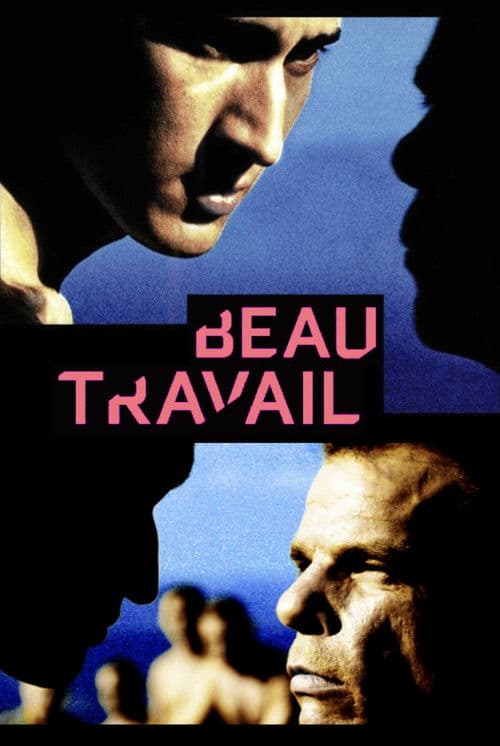
Foreign Legion officer Galoup recalls his once glorious life, training troops in the Gulf of Djibouti. His existence there was happy, strict and regimented, until the arrival of a promising young recruit, Sentain, plants the seeds of jealousy in Galoup's mind.
May 2000
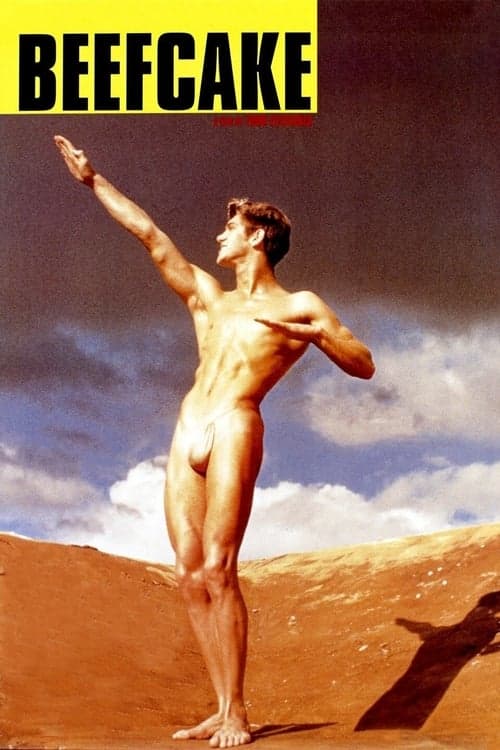
A look at the 1950s muscle men's magazines and the representative industry which were popular supposedly as health and fitness magazines, but were in reality primarily being purchased by the still-underground homosexual community. Chief among the purveyors of this literature was Bob Mizer, who maintained a magazine and developed sexually inexplicit men's films for over 40 years. Aided by his mother, the two maintained a stable of not so innocent studs.
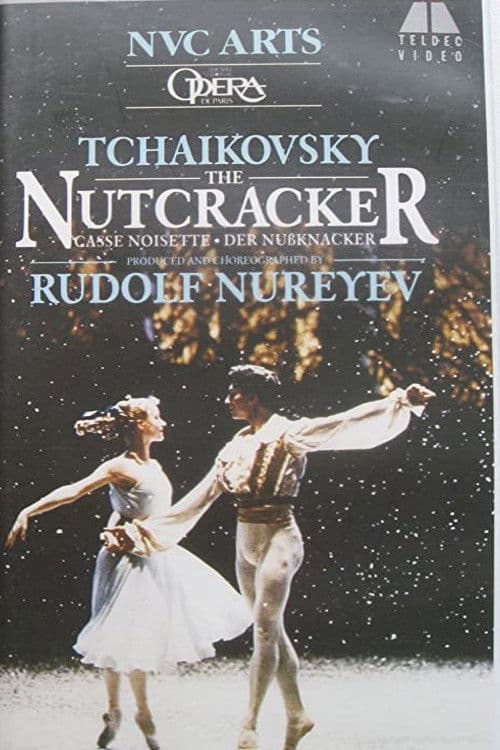
The Paris Opera Ballet's 1988 revised version of Rudolf Nureyev's 1963 production of The Nutcracker.
Jan 1989
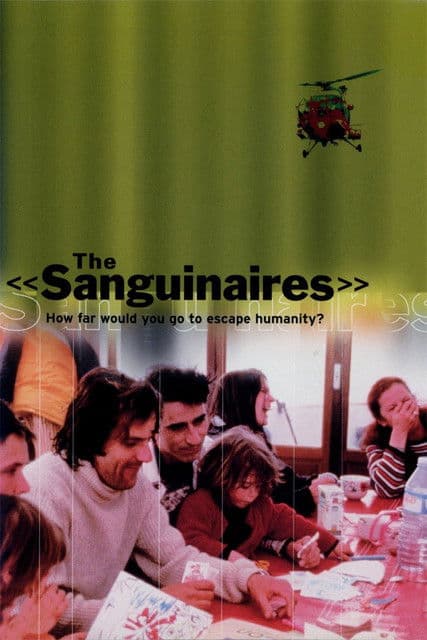
In December of 1999, François organizes a retreat to a small island for himself, some friends, and their children to avoid the craziness of Paris during the turn of the millennium. Things quickly become tense between François and the young man who is the island's caretaker. Boredom and bickering add to the growing foreboding. By the end, will millennial noise in Paris seem mild in comparison to violence in the pastoral retreat?
Jan 1999
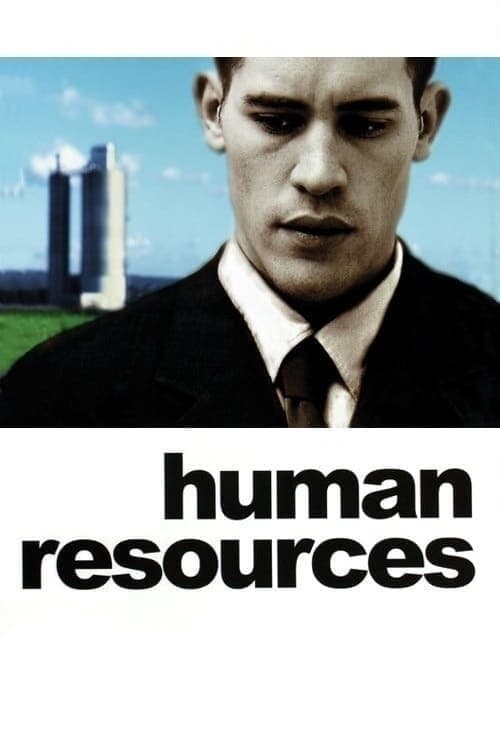
"Good son" Franck returns to his hometown to do a trainee managerial internship in the Human Resources department of the factory where his anxious, taciturn father has worked for 23 years.
Nov 1999
On Christmas Eve, Léa and Juliette, a couple, want to rob a supermarket that Juliette knows is empty of surveillance on this festive evening. But, as much for each of them as for Eric, the vigil who is there after all, nothing will happen as planned. Besides, shortly before leaving him alone, the store manager gave Eric a gun, just in case.
Oct 1999
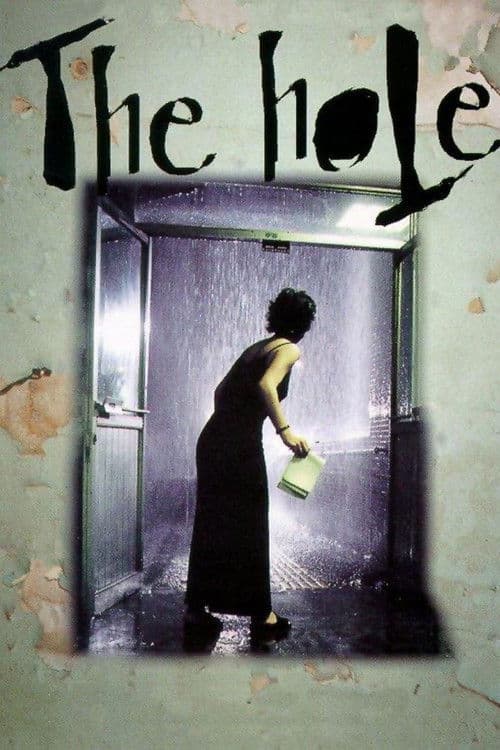
In the final days of the year 1999, almost everyone in Taiwan has died from a strange plague that ravished the island. As rain pours down relentlessly, a single man is stuck with an unfinished plumbing job and a hole in his floor. This results in a very odd relationship with the woman who lives below him.
They made the first films about the king of animals, the pygmies of the Ituri forest, the first aerial photographs of Mount Kenya and Kilimanjaro... "Lovers of Adventure" recounts the incredible lives of Martin and Osa Johnson, who, in the first half of the 20th century, opened millions of Americans to the unknown.
Jan 2000
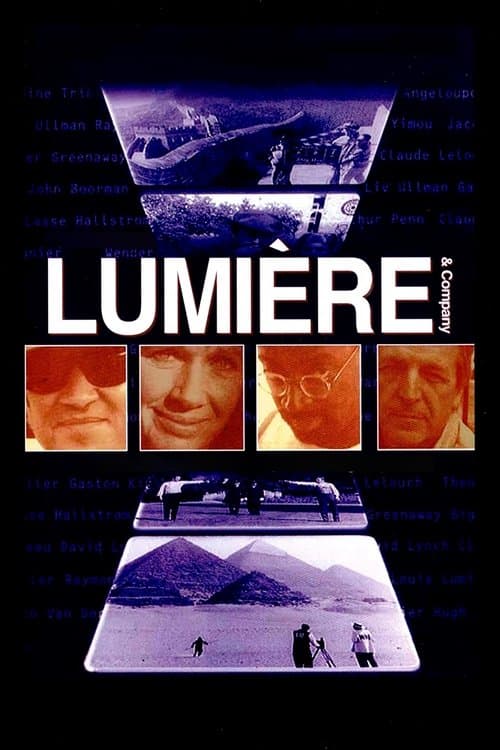
40 international directors were asked to make a short film using the original Cinematographe invented by the Lumière Brothers, working under conditions similar to those of 1895. There were three rules: (1) The film could be no longer than 52 seconds, (2) no synchronized sound was permitted, and (3) no more than three takes.
Dec 1995
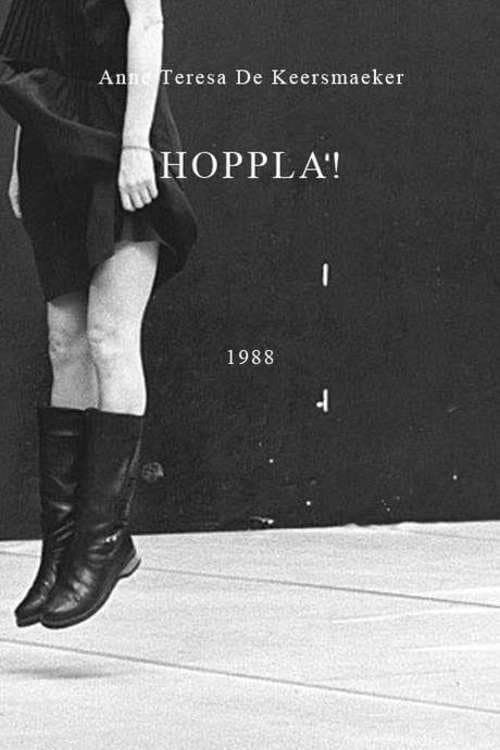
In Hoppla!, two choreographies by Anne Teresa De Keersmaeker are brought together and performed to the music of the Hungarian composer Béla Bartók: Mikrokosmos, seven short works for two pianos, and Quatuor no. 4, Bartók’s fourth string quartet. The reading room of the Ghent University library, designed by the renowned architect Henry Van de Velde, serves as location.
Jan 1988
Documentary that tells the deepest story of Mexico today. The story of the Zapatista Army of National Liberation, that army of Mayan Indians that burst into our lives with the sound of the voices of women and men who emerged, on January 1, 1994, from the Lacandon jungle to tell the powerful enough is enough!
Jan 1995
Part of the Cinéastes de notre temps series.
New Year's Eve takes on new meaning when the Devil, Jesus Christ, and Christ's assistant Magdalena discuss and debate the End of the World.
Aug 1998
The mutant fetus is born. Dr. Helmer comes under heavy scrutiny for a botched operation that left a patient braindead, and begins to dabble in the dark arts in order to ward off those seeking an end to his career. Hypochondriac Mrs. Drusse finally does have something bad happen to her medically when an ambulance hits her.
Jul 1998
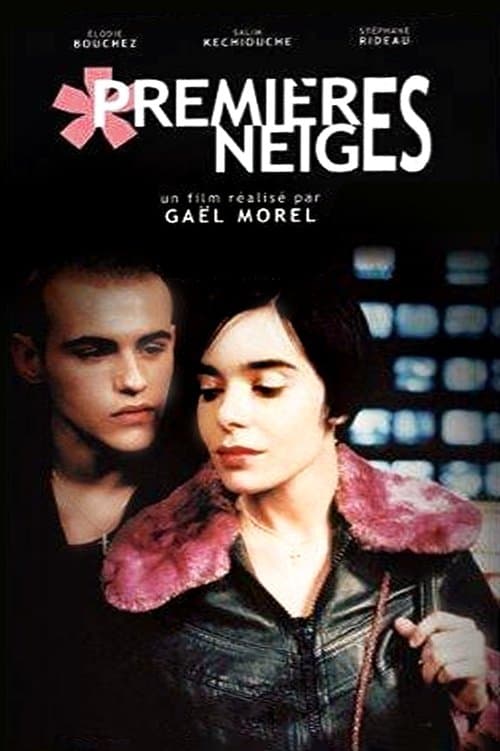
As the Algerian War draws to a close, a teenager with a girlfriend starts feeling homosexual urges for two of his classmates: a country boy, and a French-Algerian intellectual.
Jun 1994
In this incisive dispatch from the newly collapsed Soviet empire, bullet holes from WWII still pockmark the old stone buildings. Akerman journeys from East Germany to Moscow between the late summer and winter of 1993 ('while there’s still time'), chronicling in deliberate tracking shots, circular pans, and domestic tableaux yet another moment of radical upheaval in the 20th-century, the faces and bodies of Poles, Ukrainians, Germans, and Russians weighed down with obedient resignation and uncertainty.
Sep 1993
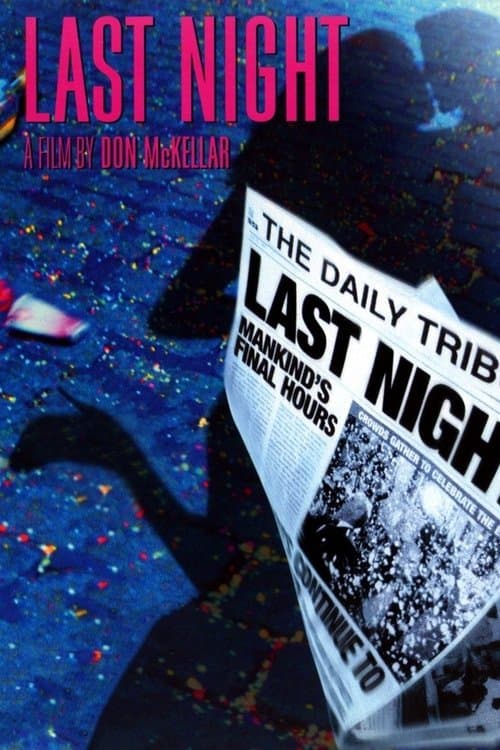
Various citizens of Toronto anxiously await the end of the world, which is occurring at the stroke of midnight on New Year's Day.
Oct 1998