Menu
© 2026 The Couch Critic
Browse 19 movies from Studio D (NFB)
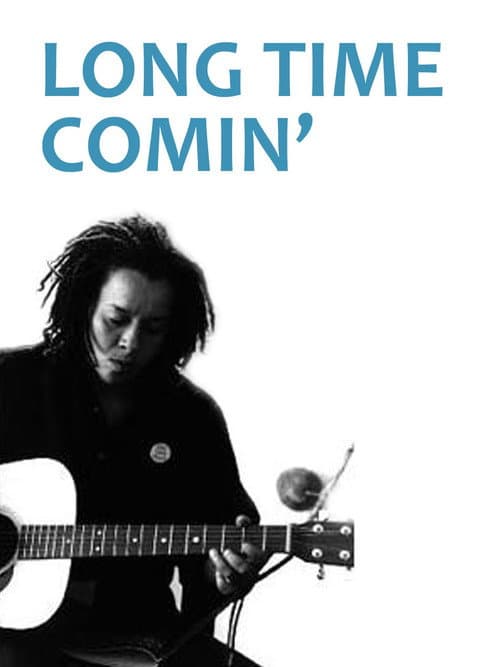
There is a cultural revolution going on in Canada and Faith Nolan and Grace Channer are on the leading edge. These two African-Canadian lesbian artists give back to art its most urgent meanings--commitment and passion. Grace Channer's large and sensuous canvasses and musician Faith Nolan's gritty and joyous blues propel this documentary into the spheres of poetry and dance. Long Time Comin' captures their work, their urgency, and their friendship in intimate conversations with both artists.
Jan 1993
In this short film, internationally acclaimed author Margaret Laurence passionately addresses several issues related to peace: the social responsibility of the writer; language usage and reality; jargon and "newspeak"; imagination, meaning and understanding; the nuclear threat; world leadership; the role of empathy in communication; the distinctions between fiction and didactic writing; and the power of "ordinary" people to influence events.
Jan 1985
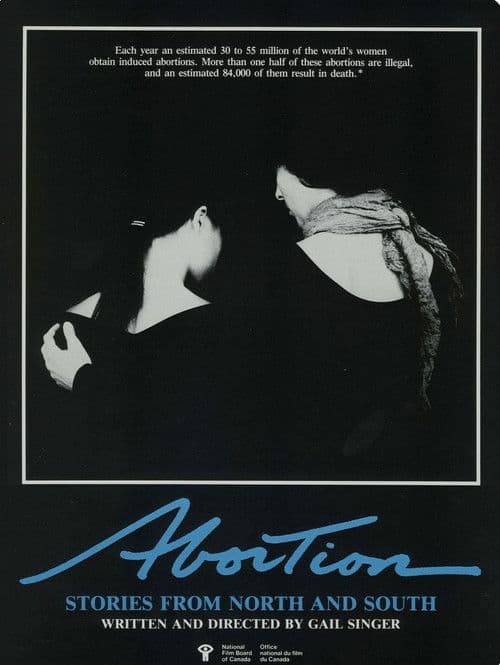
Women have always sought ways to terminate unwanted pregnancies, despite powerful patriarchal structures and systems working against them. This film provides a historical overview of how church, state and the medical establishment have determined policies concerning abortion. From this cross-cultural survey--filmed in Ireland, Japan, Thailand, Peru, Colombia, and Canada--emerges one reality: only a small percentage of the world's women has access to safe, legal operations.
Nov 1984
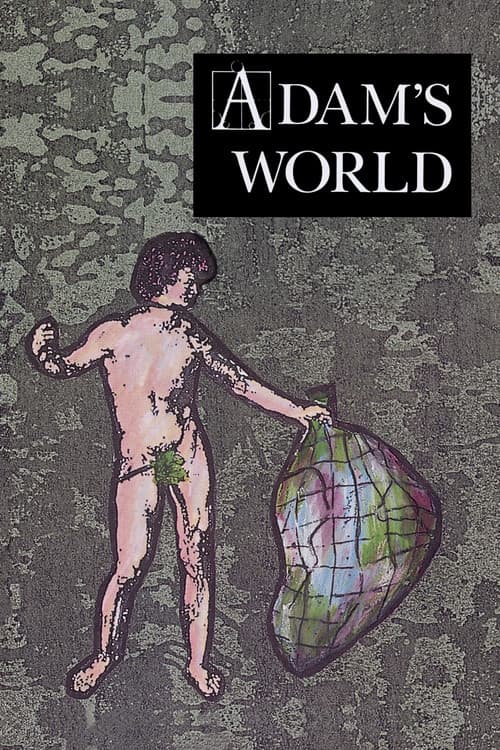
Intercut with illustrative stock footage, Adam's World present a short lecture by Elizabeth Dodson Gray, a feminist theologian, environmentalist, and futurist. She speaks to us about the severity of our global environmental crisis, and analyzes the root cause of this crisis as lying in the perceptions, beliefs, and assumptions of the patriarchal system we have inherited.
Jul 1989
A film documenting the work and personal lives of five physically disabled women. It shows how they are coping with the problems they share with all women, the problems they share with other disabled women and those unique to their particular circumstances.
Jan 1986
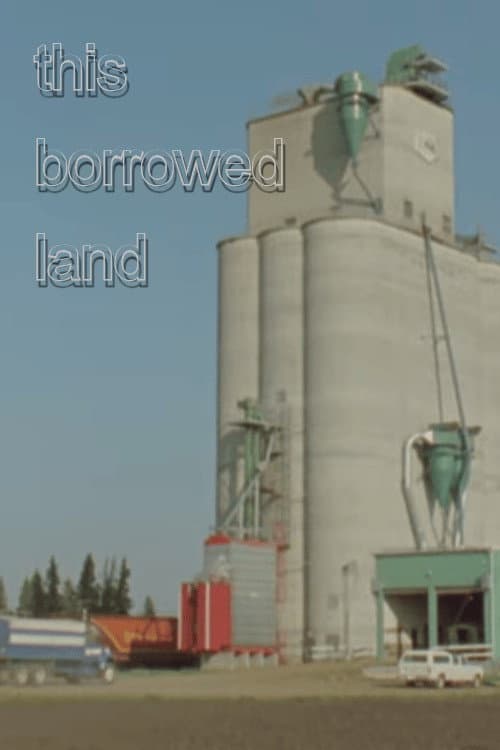
The Peace River Valley in British Columbia is an area of rich farmland threatened by the construction of a hydro-electric dam. This Borrowed Land gives the women who farm the Peace the chance to voice their growing concern over the conversion of farmland to uses not related to the production of food. They ask: "Will we leave our children enough land to grow food on?" They are firmly committed to their lifestyle despite the difficulties, both concrete and imponderable. A film about agriculture, ecology, land misuse, and stout-willed farmers who happen to be women.
Jan 1984
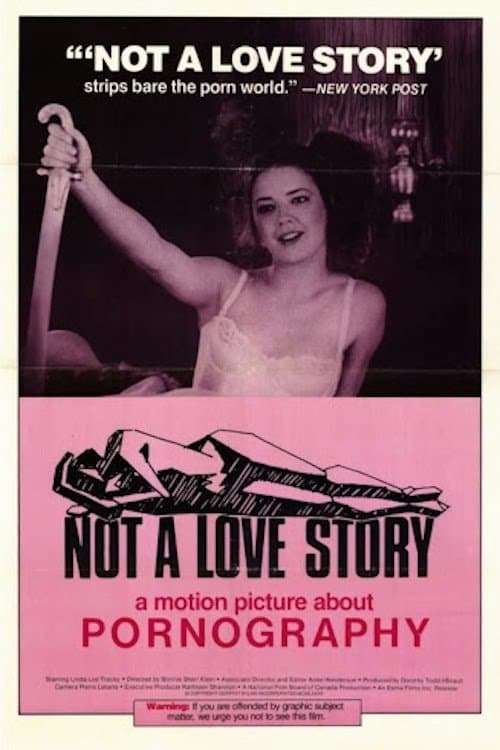
Filmmaker Bonnie Sherr Klein and former stripper Lindalee Tracy explore the pornography industry by visiting strip clubs, peep shows, and adult film sets while interviewing performers, sex workers, critics, and feminist writers. Through these encounters, the documentary examines the production, economics, and cultural debates surrounding pornography.
Sep 1981
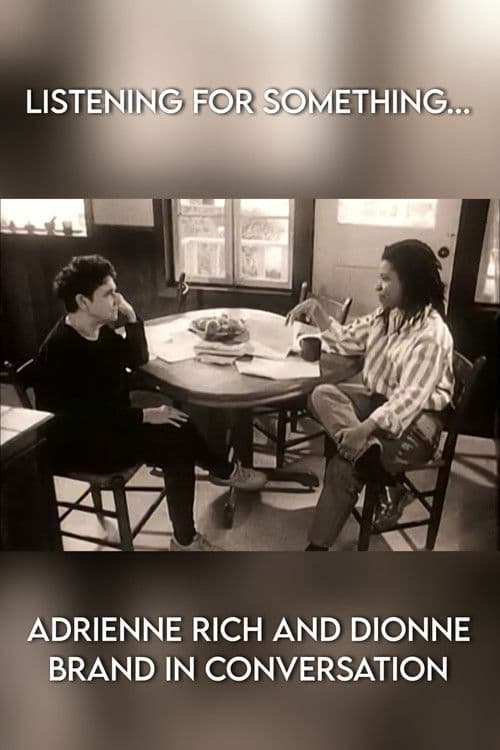
The nation, the country, where do we belong in it? In this film through conversation and poetry two poets meet for the telling and the listening. Adrienne Rich is a distinguished American feminist poet, and author of numerous books of prose, poetry, essays and speeches. Dionne Brand is a Trinidadian-Canadian femininst poet, writer and filmmaker. Incisive and inquisitive, the two women meet to discuss the world as they each see it. Claiming any subject, they talk about events as they see them, analytic, contemplative, honest and open ended. Topics include political issues, feminism, racism and lesbianism, among others. The viewer is invited into the exchange by the familiar images of two women talking intimately around a kitchen table, in corridors, or casually outdoors in the United States, Tobago and Canada. Shot in black and white and in colour, the conversation takes us over the territories of their poetry.
Jan 1996
An upbeat, positive film about a group of women dealing with mid-life and menopause. The women come from a wide range of backgrounds, careers and lifestyles. Some are married; some are divorced. Interviews alternate with sequences showing the women both at home and in the workplace. Based on the women's experiences, the film effectively dispels popular myths and fears about life during and after menopause.
This short documentary presents 5 women from a variety of backgrounds who use strategy, humour and determination to seek to attain equality in the workplace.
Jan 1992
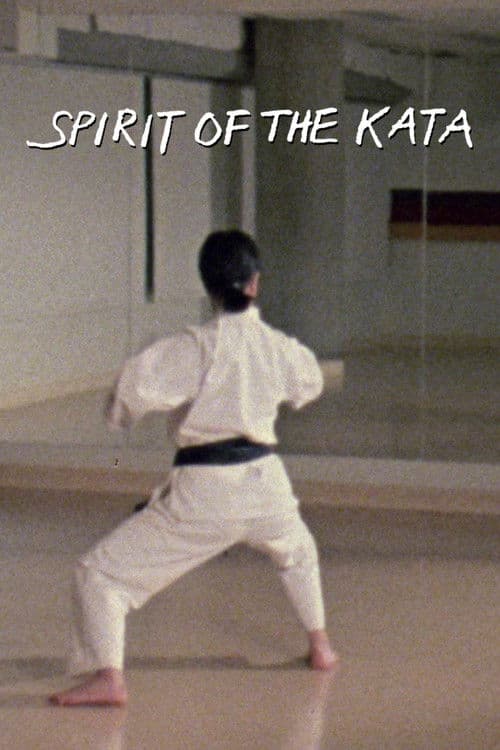
Five women are black belts in karate, which to them is more than self-defense, it's a philosophy for life.
In this short documentary, five black women talk about their lives in rural and urban Canada between the 1920s and 1950s. What emerges is a unique history of Canada’s black people and the legacy of their community elders. Produced by the NFB’s iconic Studio D.
Jan 1989
This short documentary looks at how the community of London, Ontario, has implemented a plan to address the issue of domestic violence. These efforts, spearheaded by police, lawyers, doctors, transition house staff, women's groups, and social services agencies have turned London into a rare model community. There, The London Battered Women's Advocacy Clinic and "Changing Ways," a therapy program for men who batter, contribute to the city's innovative attempt to break the cycle of violence. Moving On is part of the The Next Step, a 3-film series about the services needed by and available to battered women.
Sexually abused by her father from infancy to early adolescence, Shirley Turcotte is now in her thirties and has succeeded in building a rich and full life. To further reconcile her past and present, she is returning to the people and places of her childhood. Her mother, brothers and sister, all of whom were also caught up in the cycle of family violence, openly share their thoughts. Their frank disclosures will encourage survivors of incest to break through the silence and betrayal to recover and develop a sense of self-worth and dignity.
Nov 1987
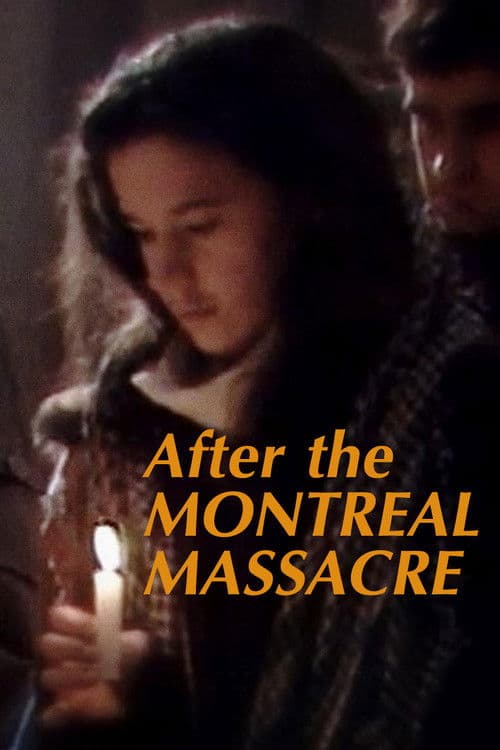
December 6, 1989. Sylvie Gagnon was attending her last day of classes at the University of Montreal's École Polytechnique, when Marc Lépine entered the building. Separating the women from the men, he opened fire on the women students, yelling 'You're all a bunch of feminists.' Sylvie survived, while fourteen other women were murdered. This video makes the connection between the massacre and male violence against women, setting the stage for an exploration of misogyny and sexism.
Dec 1990
This short film recreates the experience of Sylvie, a battered woman who seeks shelter in a Montréal transition house. Faced with the threat of violence, loneliness, the lack of financial resources or information about services, the victim is often understandably reluctant to seek help. Emphasizing the importance for women of speaking out, the film also points out the role of the transition house in putting victims of abuse in touch with appropriate legal and social services.
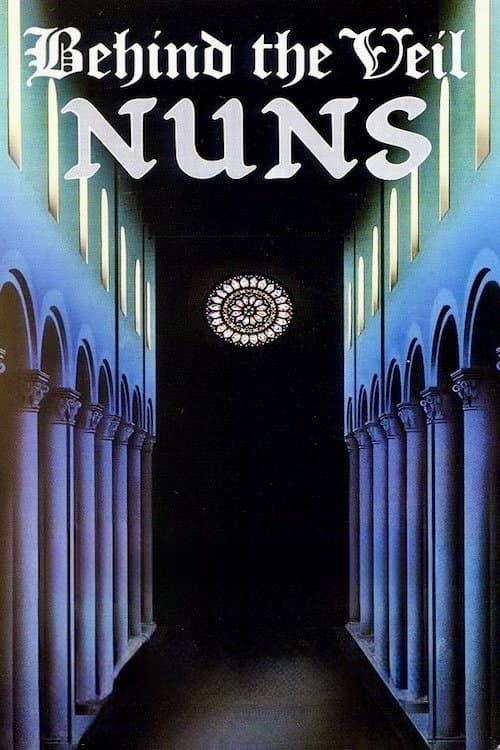
The history of nuns mirrors the history of all women -- in what we are taught about the past, women are almost invisible. Although today's one million nuns outnumber priests two to one, they must struggle to be heard by the all-male Roman Catholic hierarchy from which they are excluded. Behind the Veil: Nuns is the first film ever to record from a global perspective the turbulent history and remarkable achievements of women in religion, from pre-Christian Celtic communities to the radical sisters of the 1980s. Contemporary nuns of strength, dignity and commitment speak of their lives and of their predecessors.
Sep 1984
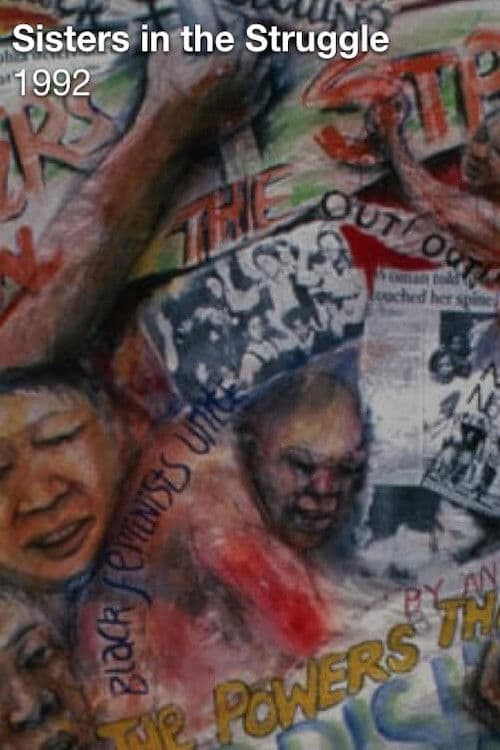
This documentary features Black women active in politics as well as community, labour and feminist organizing. They share their insights and personal testimonies on the double legacy of racism and sexism, linking their personal struggles with the ongoing battle to end systemic discrimination and violence against women and people of colour.
Aug 1991
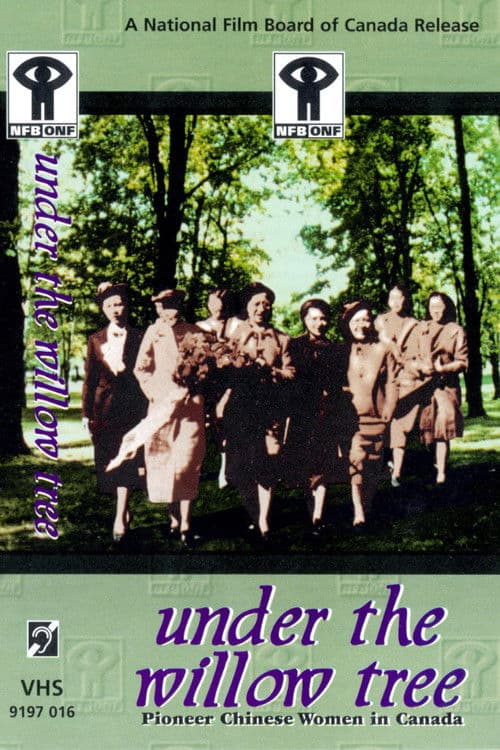
A rich and little-known part of Canadian history unfolds through the stories of the first Chinese women to come to Canada and of subsequent generations of Chinese Canadian women. It is an amazing tale of courageous women who left behind their families, knowing they would never see them again and of girls who were shipped off to the New World to marry men they had never met. These are the women who fought against the many forms of racism they faced in Canada while, at the same time, challenging sexism within their own communities. By passing on language, culture, and values to their children, these women defined what it means to be Chinese Canadian. Beautiful old photographs from family albums, the recollections of seven women who grew up in Canada in the first half of the 20th century, and the memories of narrator and director, Dora Nipp, whose grandfather came to Canada in 1881 to build the railway, create a remarkable story of stunning impact.
Jan 1997