Menu
© 2026 The Couch Critic
Browse 113 movies from Deutsche Grammophon
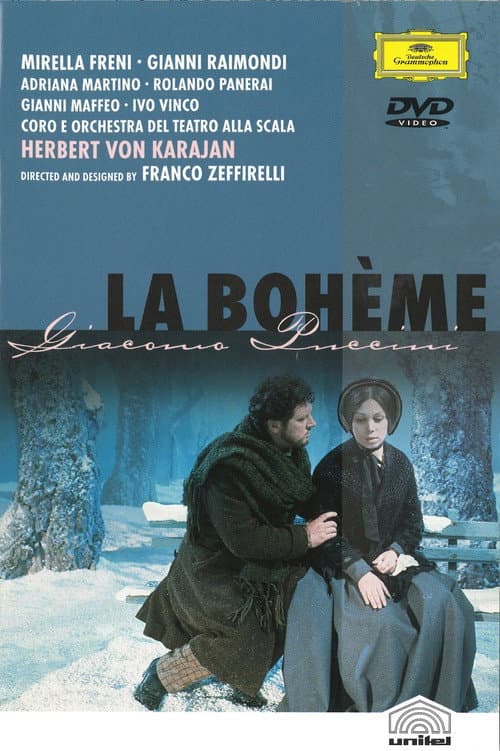
In the early 1960s two artistic giants, conductor Herbert von Karajan and director Franco Zeffirelli, joined forces to create this milestone production of Puccini’s masterpiece at Milan’s Teatro alla Scala. Filmed in that legendary opera house in 1965, with Zeffireli himself directing for the cameras, this “Bohème” has been acclaimed universally for its unique theatrical impact and visual splendour. Starring the young Mirella Freni in her carreer-making performance. – For the first time the full dimension of opera on film.
Jan 1965
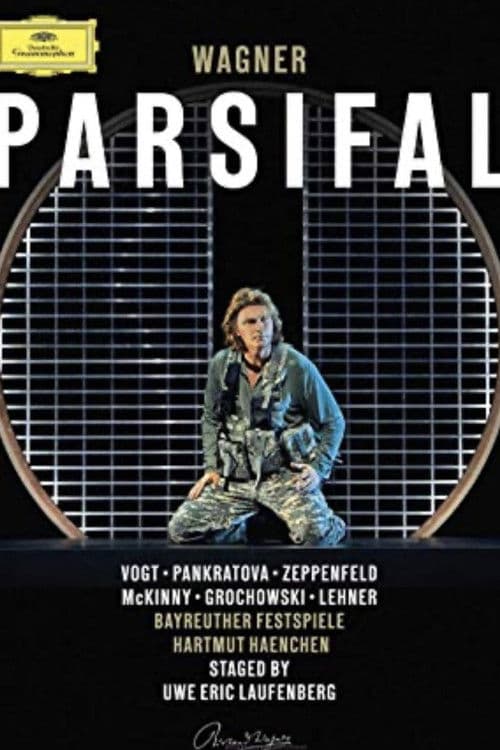
German composer Richard Wagner wrote Parsifal, which is a three-act opera that tells the story of the title character's quest to save the Knights of the Holy Grail by returning the Holy Spear, healing King Amfortas, and carrying out the sacred ceremony of uncovering the Holy Grail.
Jul 2016
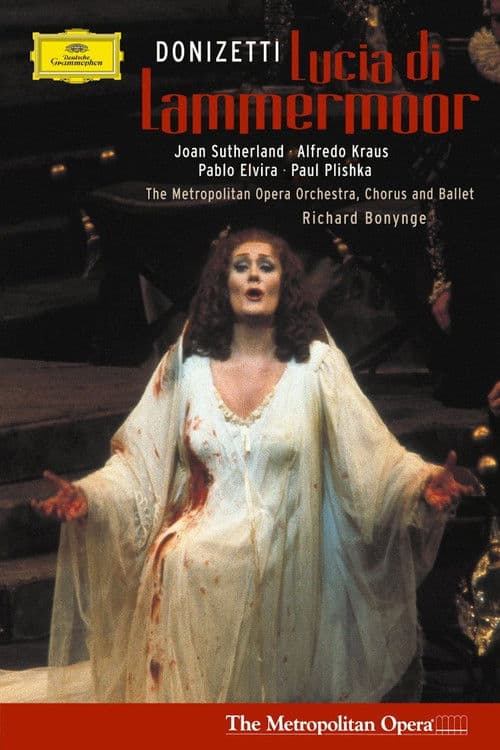
This telecast offers a rare opportunity to see the legendary Joan Sutherland in the role that first catapulted her to international stardom. She drove audiences wild by the way her opulent voice caressed the music’s long phrases and sprinted effortlessly through the fiendish runs, trills, embellishments and stratospheric high notes. One of the glories of the operatic world, her portrayal of Donizetti’s hapless heroine is a multifaceted and moving characterization. The incomparable tenor Alfredo Kraus is Edgardo, the man Lucia loves but cannot have. (Performance taped November 13, 1982. Broadcasted September 28, 1983.)
Nov 1982
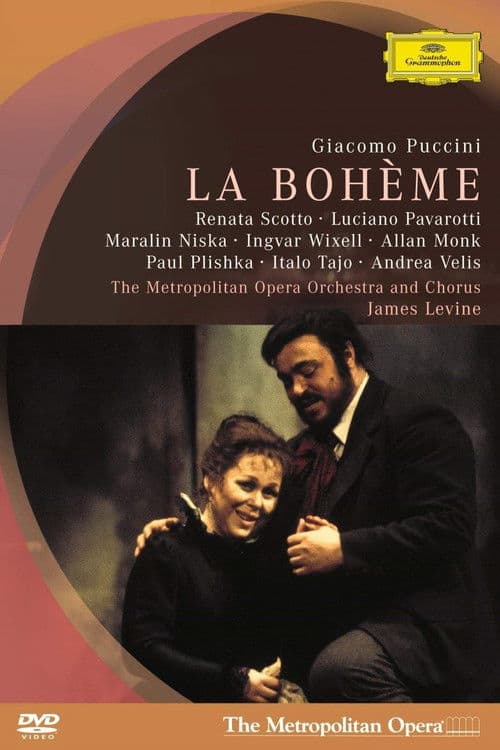
Puccini’s heartbreaking story of young love in the garrets of Belle Epoque Paris has attracted many famous singers through the years. But with James Levine at the helm and the starry duo of Luciano Pavarotti and Renata Scotto as Rodolfo and Mimi, every bit of emotion in the score pours across the footlights and seduces the audience. In this case, the audience was in the millions since this was the very first in the “Live from the Met” series of telecasts. The evocative production is by Fabrizio Melano, designed by Pier Luigi Pizzi.
Mar 1977
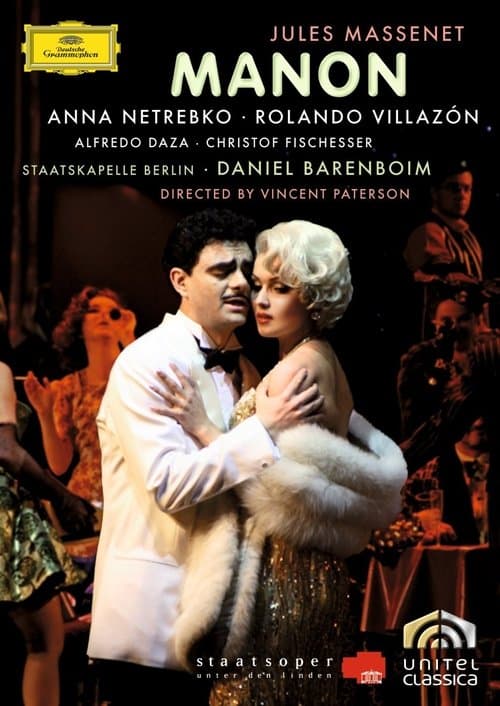
Massenet's opera centres on its charming but contrary heroine, the vivacious young Manon who longs for luxury and excitement. We first encounter her en route to a convent, where her family are sending her to be educated. Along the way, she falls in love with the young student Des Grieux, and, impetuously, runs off with him. She soon leaves him, however, to become the mistress of a rich nobleman. Thus begins her descent into criminality and depravity, all too soon dragging the besotted Des Grieux with her, until she is imprisoned. Despite its tragic story, the opera is full of French charm and vitality – typified by the ambiguous Manon herself. Her plight is touching because of the subtle play of innocence and calculation in her character. The score contains many sparkling arias and ensembles, moving rapidly from moods of exuberance to tenderness, with perfect dramatic timing. Recorded live at the Staatsoper Unter den Linden, Berlin, April/May 2007.
May 2007
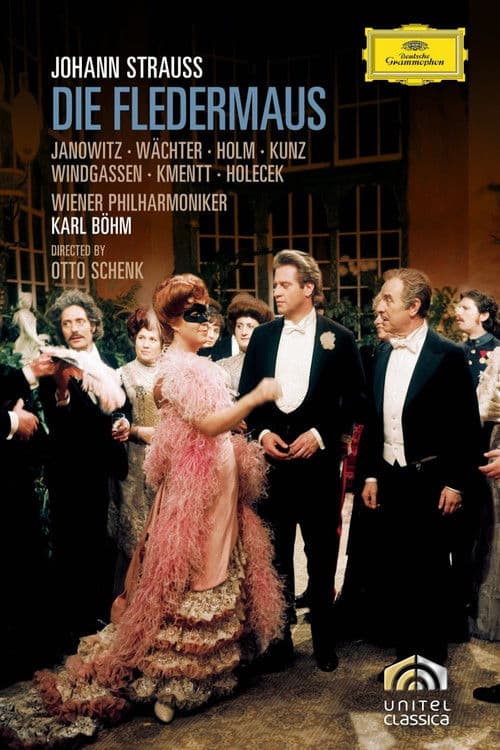
Witty, fun, intoxicating film of Johann Strauss II's popular operetta, based on a stage production from Vienna State Opera; this is a showcase for the entire cast, but most especially Eberhard Wächter as the insufferably boorish Gabriel Eisenstein, and Gundula Janowitz as his long-suffering wife. Open the champagne, have yourself some torte, and enjoy this delectable comedy from Vienna.
Dec 1972
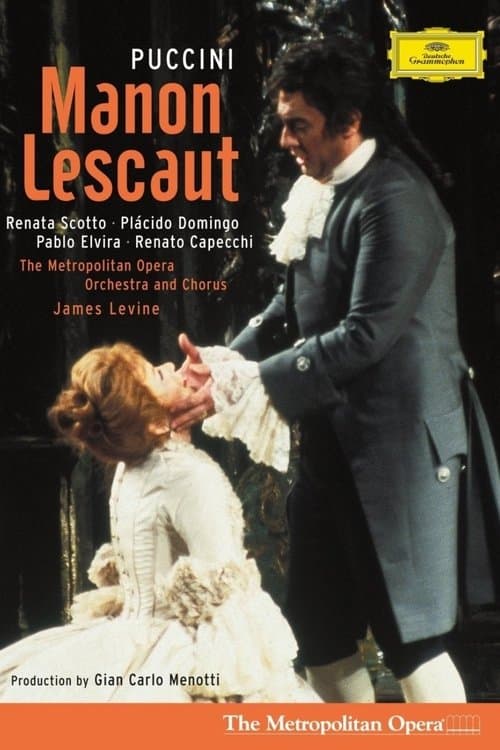
All the throbbing eroticism—and ultimate heartbreak—of Puccini’s youthful score is unleashed by James Levine and his top-flight cast. Plácido Domingo is Des Grieux, the handsome, headstrong young aristocrat who falls head over heels for the enticing, impetuous Manon Lescaut (Renata Scotto). Manon returns his love, but her obsession with luxury ruins them both. Gian Carlo Menotti’s opulent production, with sets and costumes by Desmond Heeley, superbly captures the colorful world of 18th century France.
Mar 1980
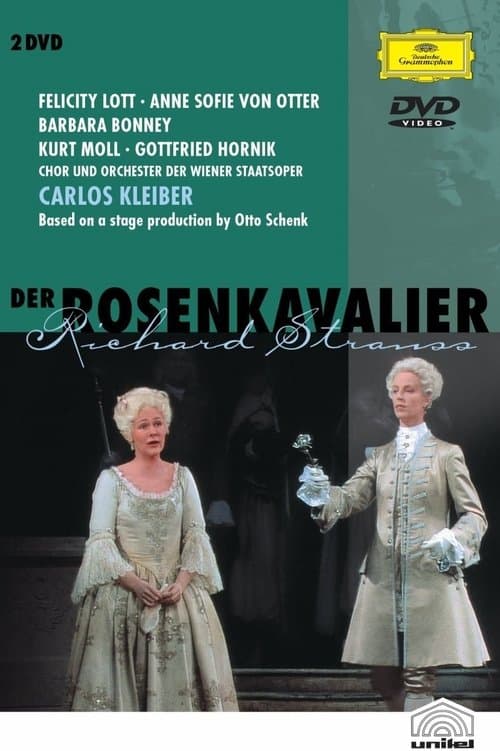
Felicity Lott, Anne-Sofie Von Otter, and Kurt Moll star in this production of Richard Strauss' opera, staged in Vienna in 1994. A romantic comedy of errors. Princess von Werdenberg must hide her affair with Octavian from her family; when he disguises himself as a chambermaid to avoid scandalizing the Princess, he is pressed into presenting a gift to Baron Ochs von Lerchenau, who has arrived to propose marriage to Sophie von Faninal. However, Ochs soon finds himself infatuated with the chambermaid, much to Octavian's chagrin, which proves to be only the first of a long series of romantic misunderstandings. This production of Der Rosenkavalier is performed by the Vienna State Orchestra and Chorus, under the direction of Carlos Kleiber.
Mar 1994
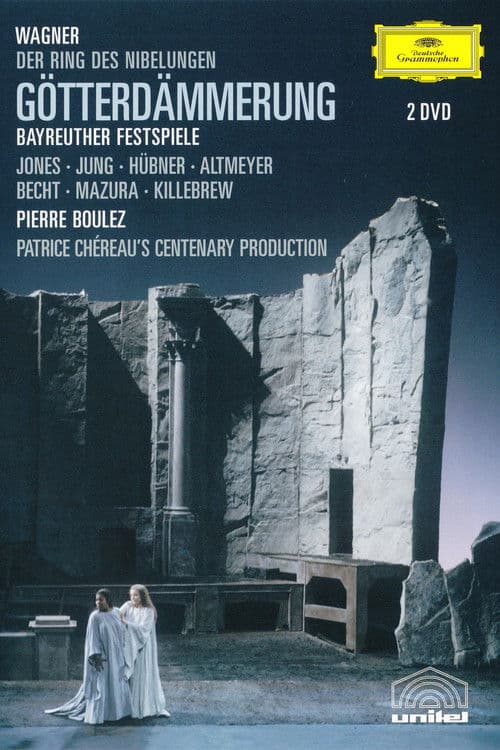
Götterdämmerung, the fourth of Richard Wagner's four Ring operas. The cast features Manfred Jung as Siegfried and Gwyneth Jones as Brünnhilde, with music provided by Bayreuther Festspiele Orchester conducted by Pierre Boulez. This title is available in a boxed set with the other Ring operas, Das Rheingold, Die Walküre, and Siegfried.
Aug 1980
Christian Thielemann conducts the Staatskapelle Dresden in this performance of Wagner's opera recorded live in 2013. The performance was held for the Salzburg Easter Festival and featured vocalists including Johan Botha, Michaela Schuster, Stephen Milling and Wolfgang Koch.
Jul 2013
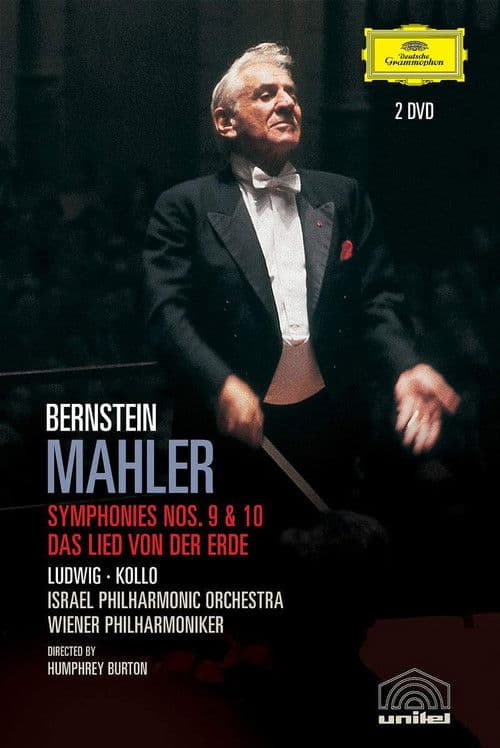
Filmed on tour at Berlin's Philharmonie, this account of the valedictory Ninth Symphony is an intense interpretation, expressing Bernstein's conviction that modern man had at last caught up with the message encoded in Mahler's last completed work. Having made his famous 1966 studio recording of "Das Lied von der Erde" in Vienna, Bernstein re-recorded this in Israel with the same searing subjectivity. René Kollo draws on the voice of a great Wagner tenor, while Christa Ludwig, the greatest exponent of the contralto songs at the time, is unbearably poignant in the final movement's fusion of elation and sadness.
Nov 2005
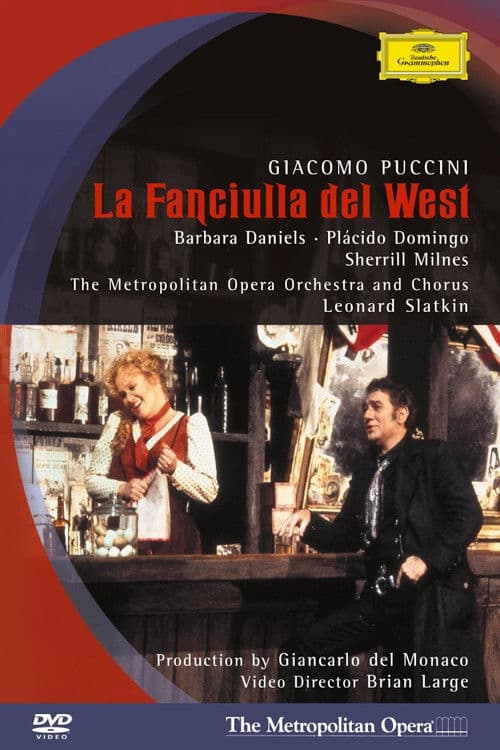
Giancarlo Del Monaco’s atmospheric production brings to colorful life a 19th-century mining camp during the California Gold Rush. At the center of the action is the good-hearted bar owner Minnie, sung by Barbara Daniels, who takes a motherly interest in the miners. Plácido Domingo is Dick Johnson, also known as the bandit Ramerrez, who falls in love with Minnie. Sherrill Milnes sings Jack Rance, the sheriff who is not only determined to capture Ramerrez but also wants Minnie for himself. Bloodshed, a crooked poker game, a snowstorm, and a near lynching ensue before Minnie and her bandit-turned-lover can ride off to start a new life. Leonard Slatkin conducts one of Puccini’s most colorful scores.
Apr 1992
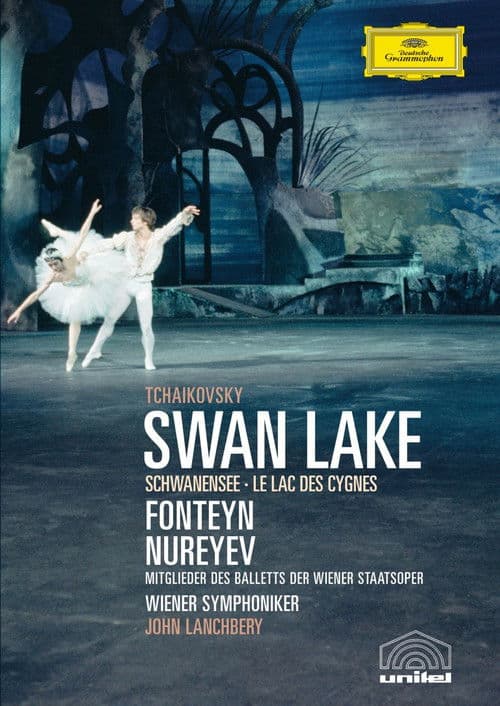
Perhaps the most popular ballet video ever released, this version of Tchaikovsky's beloved work stars one of the most famous classical dance partnerships of all time, Rudolf Nureyev and Margot Fonteyn. Nureyev choreographed this production for the Vienna State Opera Ballet. Two icons of 20th-century dance in magnificent form. Ballet authority John Lanchbery, former music director of the Sadler's Wells and Royal Ballet companies, as well as of American Ballet Theatre and Australian Ballet, conducts the Vienna Symphony Orchestra in Tchaikovsky's enchanting score.
Dec 1966
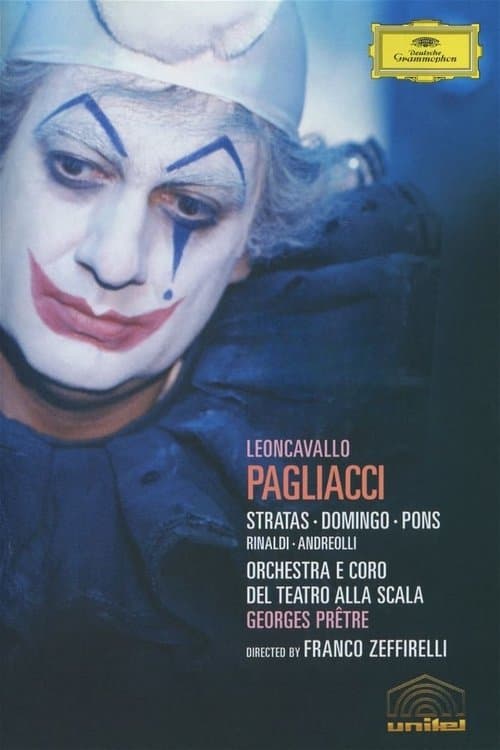
The story is set in southern Italy and recounts the tragedy of Canio, the lead clown (or pagliaccio in Italian) in a commedia dell'arte troupe, his wife Nedda, and her lover, Silvio. When Nedda spurns the advances of Tonio, another player in the troupe, he tells Canio about Nedda's betrayal. In a jealous rage Canio murders both Nedda and Silvio. Although Leoncavallo's opera was originally set in the late 1860's, Zeffirelli's production is updated to the period between World War I and World War II.
May 1987
Jul 1982
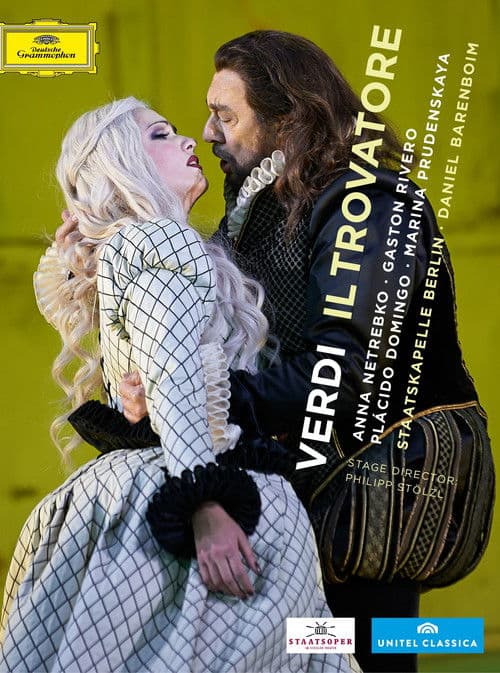
Daniel Barenboim conducts the Staatskapelle Berlin in this production of Verdi's opera starring Anna Netrebko and Plácido Domingo. The Count Di Luna believes that his younger brother was murdered years before by a vengeful gypsy but still hopes that he may be alive. When he attempts to court the beautiful Leonora, he is enraged to discover that she has a lover – the troubadour, Manrico. Manrico and the Count duel, and afterwards Manrico reveals to Azucena, the woman he believes to be his mother, that when he had the opportunity to kill the Count he felt something holding him back.
Nov 2013
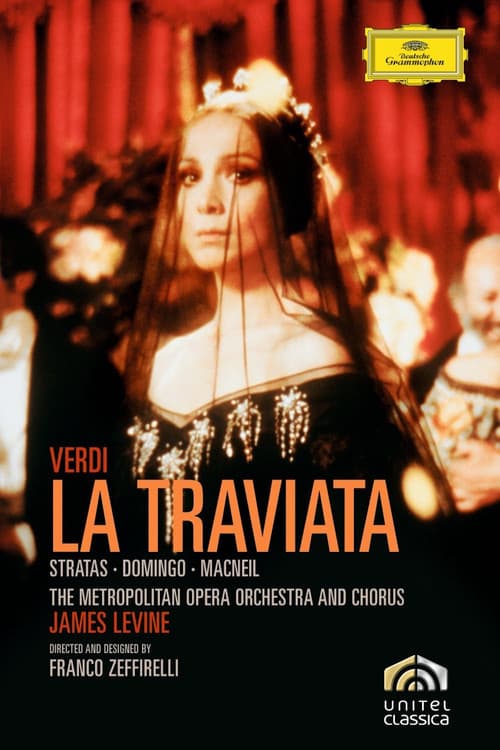
This “Traviata” became one of the most succesful of all opera films, especially in France, where 800,000 Parisian cinemagoers flocked to it in the first six week. It was nominated for two Oscars (for production and costume design) and won BAFTAs in those two categories, as well as receiving BAFTA and Golden Globe nominations as 1983’s Best Foreign-Language Film.
Oct 1982
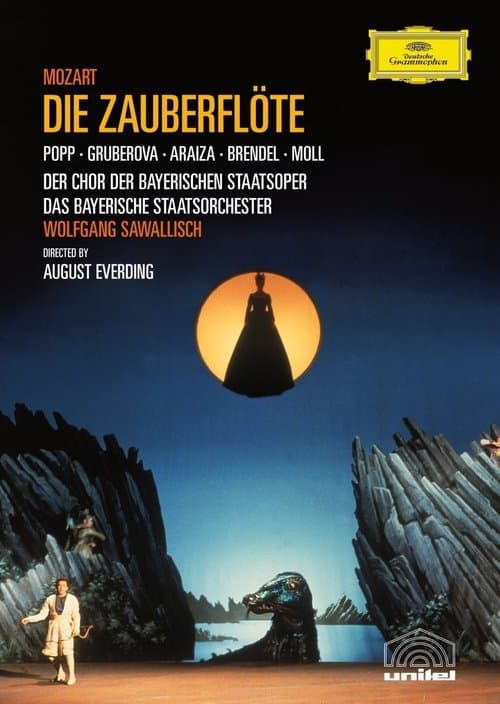
The Queen of the Night enlists a handsome prince named Tamino to rescue her beautiful kidnapped daughter, Princess Pamina. Aided by the lovelorn bird hunter Papageno and a magical flute that holds the power to change the hearts of men, young Tamino embarks on a quest for true love, leading to the evil Sarastro's temple where Pamina is held captive.
Jul 1983
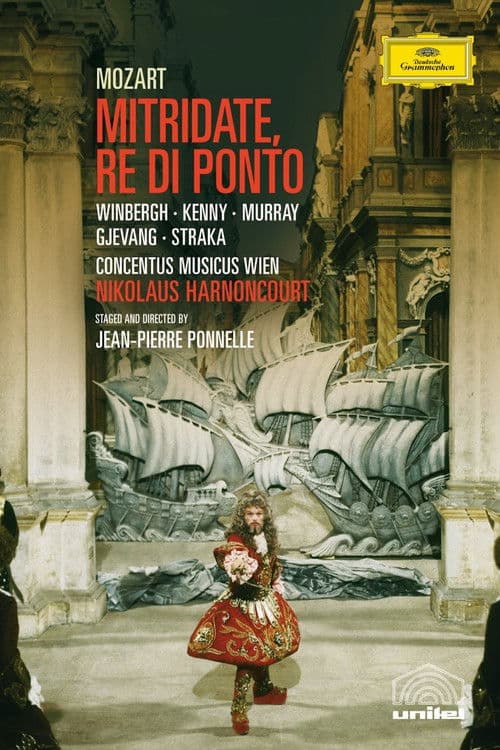
Soprano Yvonne Kenny turns in a spirited performance as Aspasia in this brilliant staging of composer Wolfgang Amadeus Mozart's first notable opera -- penned when he was only 14 years old. The production, set in early Roman times, follows the inner circle of the empire's most formidable foe, King Mithridates of Pontus. Maestro Nikolaus Harnoncourt conducts the sterling cast, which includes tenor Gosta Winbergh and mezzo-soprano Ann Murray.
Jan 1986
Dive into the beguiling world of John Field's Nocturnes as interpreted by world-renowned pianist Alice Sara Ott. This film, directed by filmmaker and tenor Andrew Staples, immerses viewers in Alice's imagination and her connection to Field's music, offering a rare glimpse into the artist's mind during the creative process. The interplay between historical venues and the custom-designed digital landscapes at Munich's Hyperbowl LED studio creates an atmosphere where the intangible becomes vividly real, resulting in a film that is much more than just a performance; it is an exploration of a performer's journey through the music of a neglected composer who left the world one of its most beloved musical forms: the nocturne.
Feb 2025