Browse 35 movies from Fundação Calouste Gulbenkian
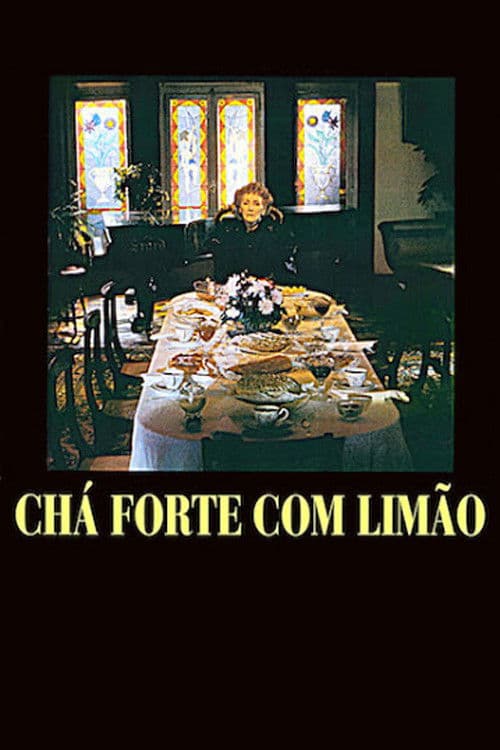
A recreation of an event to commemorate the presence of the dead and the decayed memories of the living, of filmmaking
May 2007
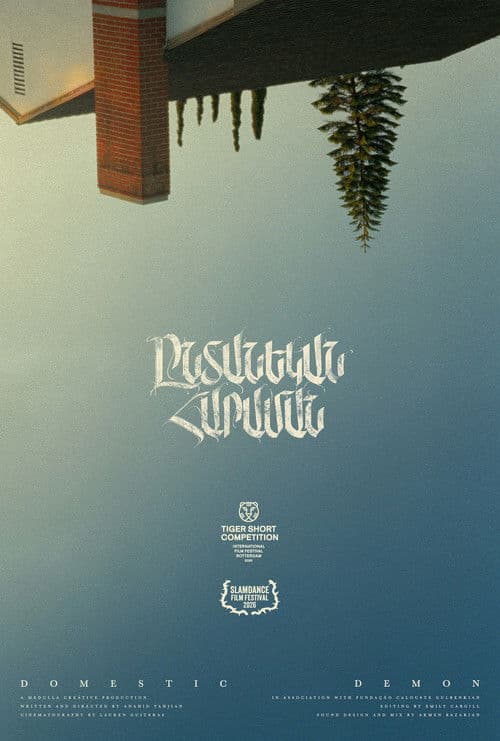
A housebound mother's hunger for agency and control among the mutating textures and temporalities of her home sets off an uncanny transformation. A portrait of matrescence and post-partum depression in the time of pandemic lockdown.
Feb 2026
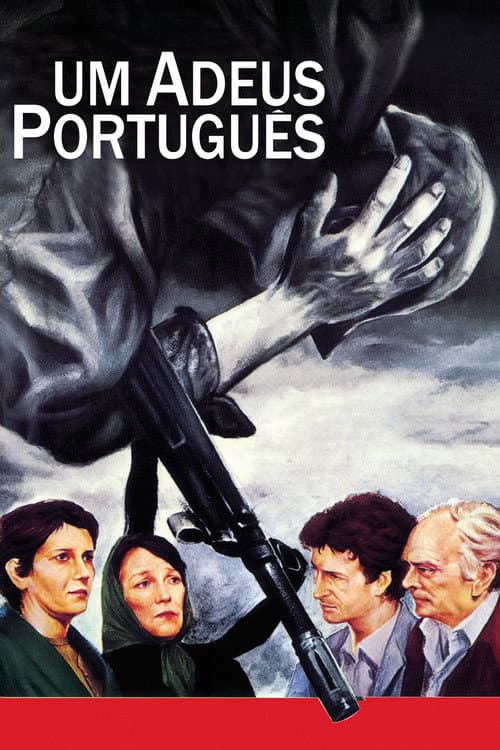
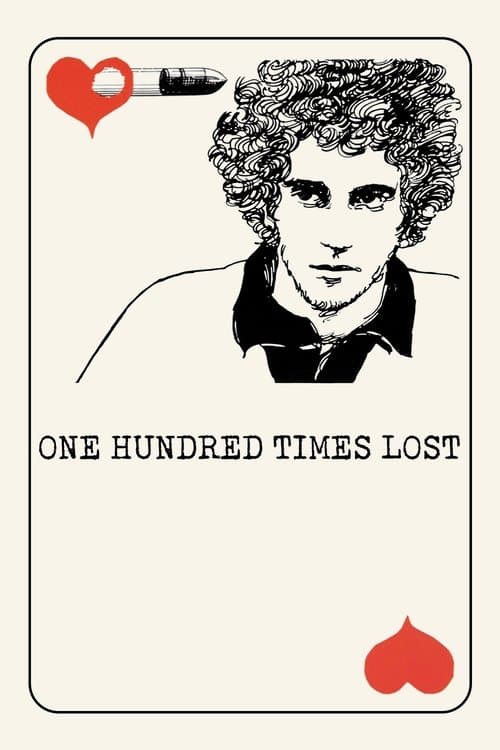
In Africa, during the colonial war, a patrol is lost in the bush and a soldier dies in operation. Twelve years later, in Portugal, the soldier family meets in peace.
Apr 1986
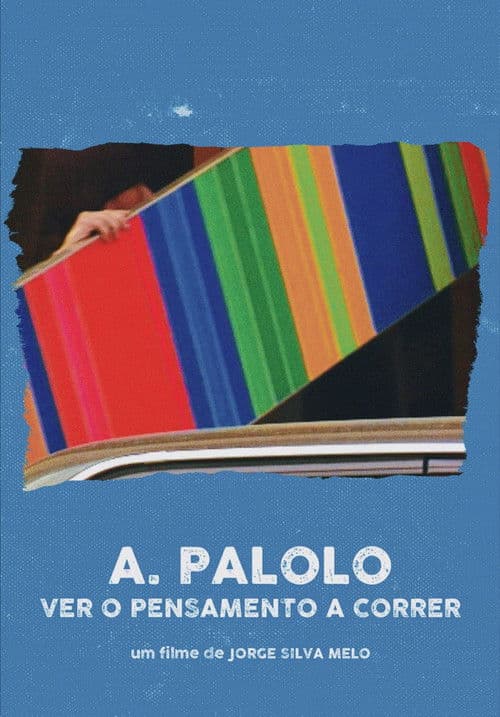
The film's starting point was an exhibit at the Centre of Modern Art (Gulbenkian) in Lisbon. By evoking a time in the past and the adventures of the artist's generation, Silva Melo is able to depict the oeuvre and the artistic persona of António Palolo.
Jul 1995
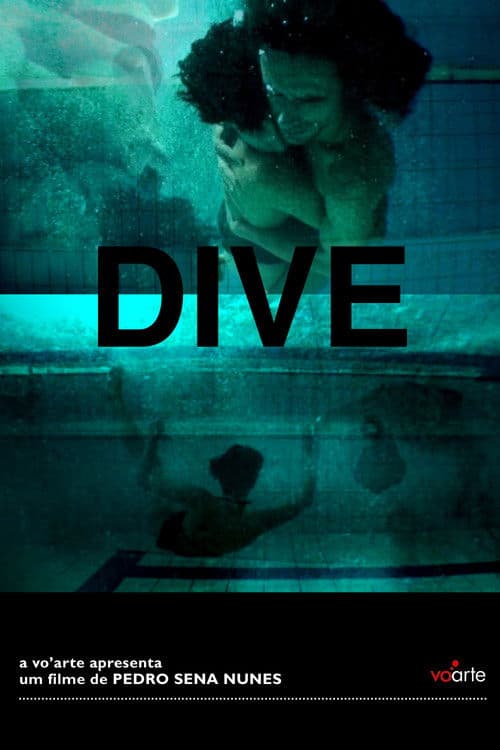
Fallen to an aquatic world, they move ineffably in a dense, clear atmosphere as if it was their first autonomous moment.
May 2009
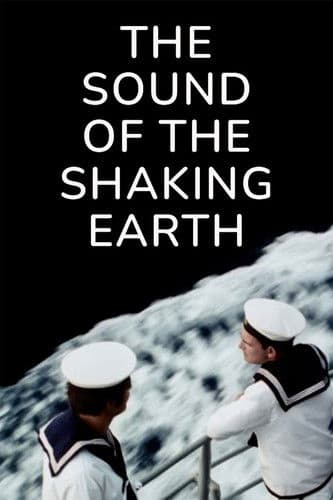
Freely based on Gide ('Paludes') and Hawthorne ('Wakefield'), this is a film about a writer who never wrote anything and who blows at nightfall the breath of frost. The poem by Carlos Queiroz to which the above sentences belong is not cited in 'O som da Terra a Tremer', but the atmosphere is that, between written letters never received. Fiction within fiction, stories within stories, like those Chinese boxes in which there is always one inside another. Or the two margins of the same river, always being lateral.
Oct 1990
Developing from an idea of diptych, the story of Anajara and Allison is told from two perspectives in continuity. If late night work complicates the life of one of them, the incarceration in jail of the other determines a cycle of separation. Salaviza's skill to direct amateur actors is showed in this film, one of his more precise works.
Jun 2012
A digressive quest, through conversations with various people, about the need humanity has always had to tell stories about itself, about the power and enchantment of fiction.
Oct 2019
A country house. A weekend. A family. Time goes by. Silence prevails. "But listen to the breath of the unceasing message made of silence."
Jul 2007
Jan 2014
Nino, tough but sickly, and his older brother Vicente live in the country with their father. After their father disappears ― we’re never sure why ― murder is suggested. Vicente brings his girlfriend to the house, and a different kind of family is established as the three youngsters grow fiercely protective of each other. But their uncle grows suspicious about the fate of the missing father and forcibly kidnaps Nino, taking him away to the city and leaving Vicente to locate him there.
Dec 1989
It's Sunday, day of rest. At the river, the father fishes and drinks, the mother sleeps, the daughter plays...
Apr 2006
A documentary that aims at highlighting the daily lives of death people and what a "deaf identity" entails.
Sep 2015
Artur is in Lisbon for his holidays, wonders aimlessly, and is picked up by Rui, a young man who is into marketing and advertising. Joana is in Lisbon for holidays, but also trying to escape from a mysterious, dark passion. Artur and Joana come together, find common roots in their rural background.
Sep 1973
In the summer of 1870, Raquel, who owns a farm, and lives secluded in her mansion with an old butler and a handful of servants, feels proud when an odd acquaintance comes by. Adriana and her daughter-in-law, Ermesinda, a very young girl, just happen to be visiting - the second time in 15 years for Adriana, and the first time for the teenager Ermesinda. The meeting seems to be pleasant, and yet, for reasons untold, there is coldness and reserve between Adriana and Raquel. Their ambiguous relationship will be revealed, when by accident old wounds are reopened.
May 1993
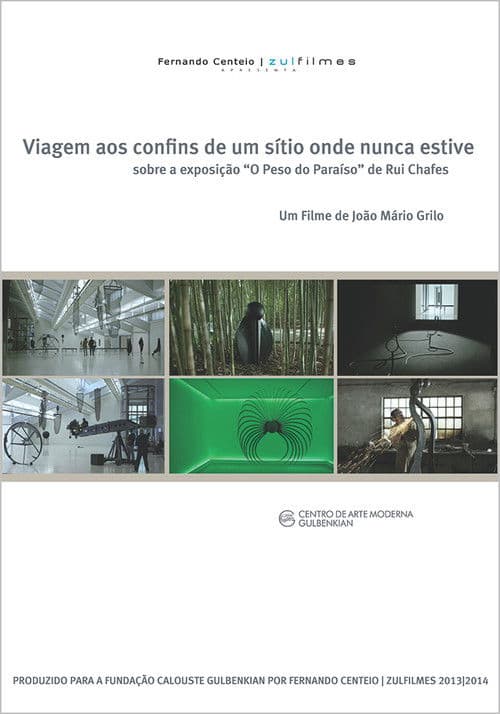
“The artist, in his movement towards the ideal, upsets the stability of any one society. Society aspires to achieve stability; the artist aims for infinity. That is the artist’s responsibility and the spiritual sacrifice demanded of him.” Rui Chafes, O Perfume das Buganvílias, 2012 (19).
May 2014
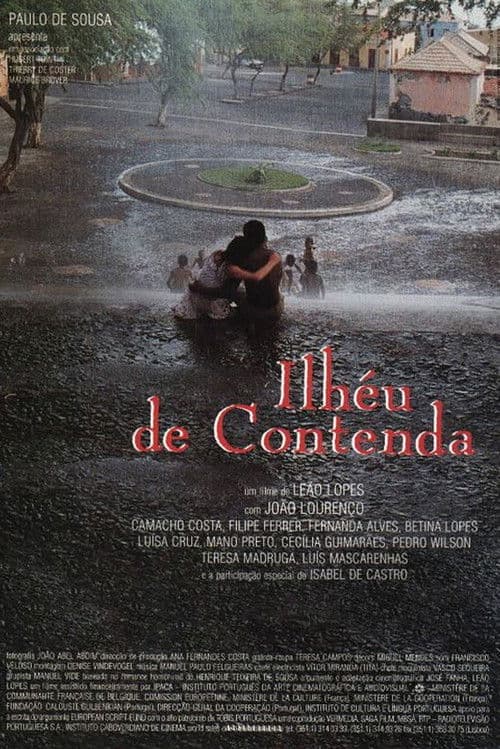
Cape Verde, 1964. At the feet of a mighty volcano, the traditional Cape Verdean society is undergoing a steady change. The old land-owning aristocracy is disintegrating. A class of "mulattos" begins to emerge, with a trade-based financial power that threatens the landlords. A new identity arises, a mix of old and new, of African and Portuguese culture, sensual and dynamic. The songs of Cesária Évora follow this inevitable transformation. From the novel by Henrique Teixeira de Sousa.
Jul 1999
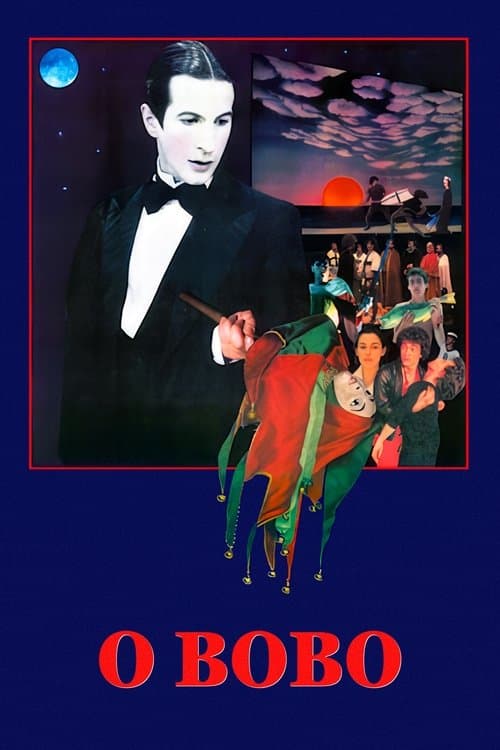
Set four years after the Portuguese revolution and the simultaneous loss of the Portuguese empire in Africa, the story concerns a director who sells guns to finance his play.
Oct 1987
Stop motion animation by Alexandre Siqueira
Jan 2000