© 2026 The Couch Critic
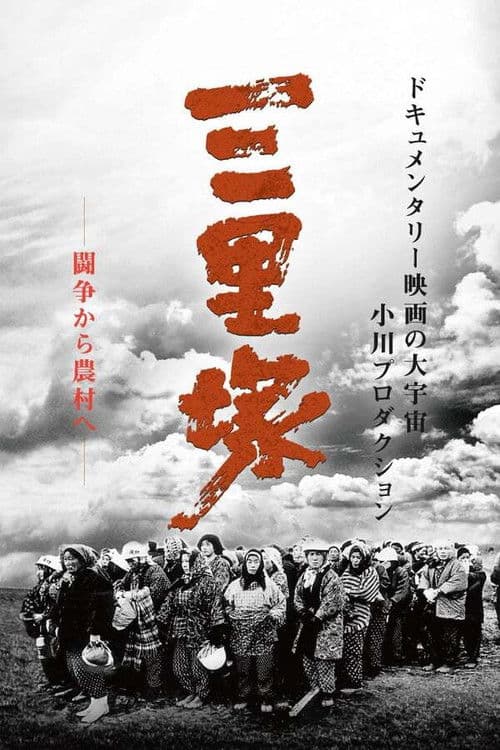
A series of documentaries based around the construction of Narita Airport and the local resistance it faced.
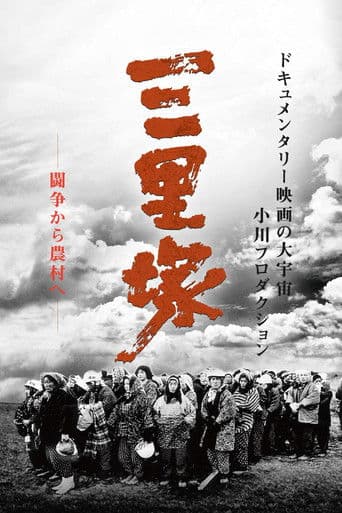
In 1968, Ogawa decided to form Ogawa Productions and locate it at the newly announced construction site of Narita International Airport in a district called Sanrizuka. Ogawa chose to locate his company in the most radical of the villages, Heta. Some farmers immediately sold their land; others vehemently protested and drew the support of social movements across the country. Together they clashed with riot police sent in to protect surveyors, who were plotting out the airport. Summer in Sanrizuka is a messy film – its chaos communicating the passions and actions on the ground.
View Details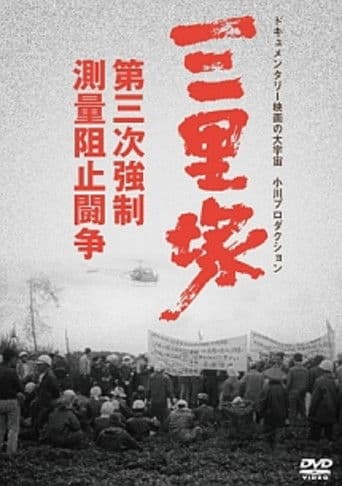
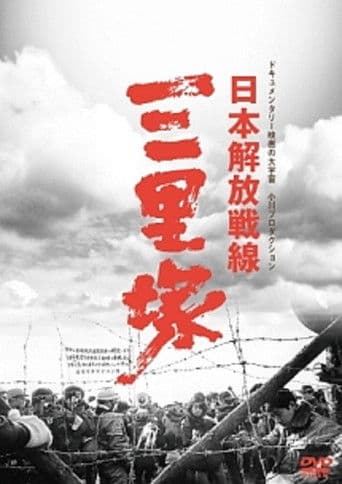
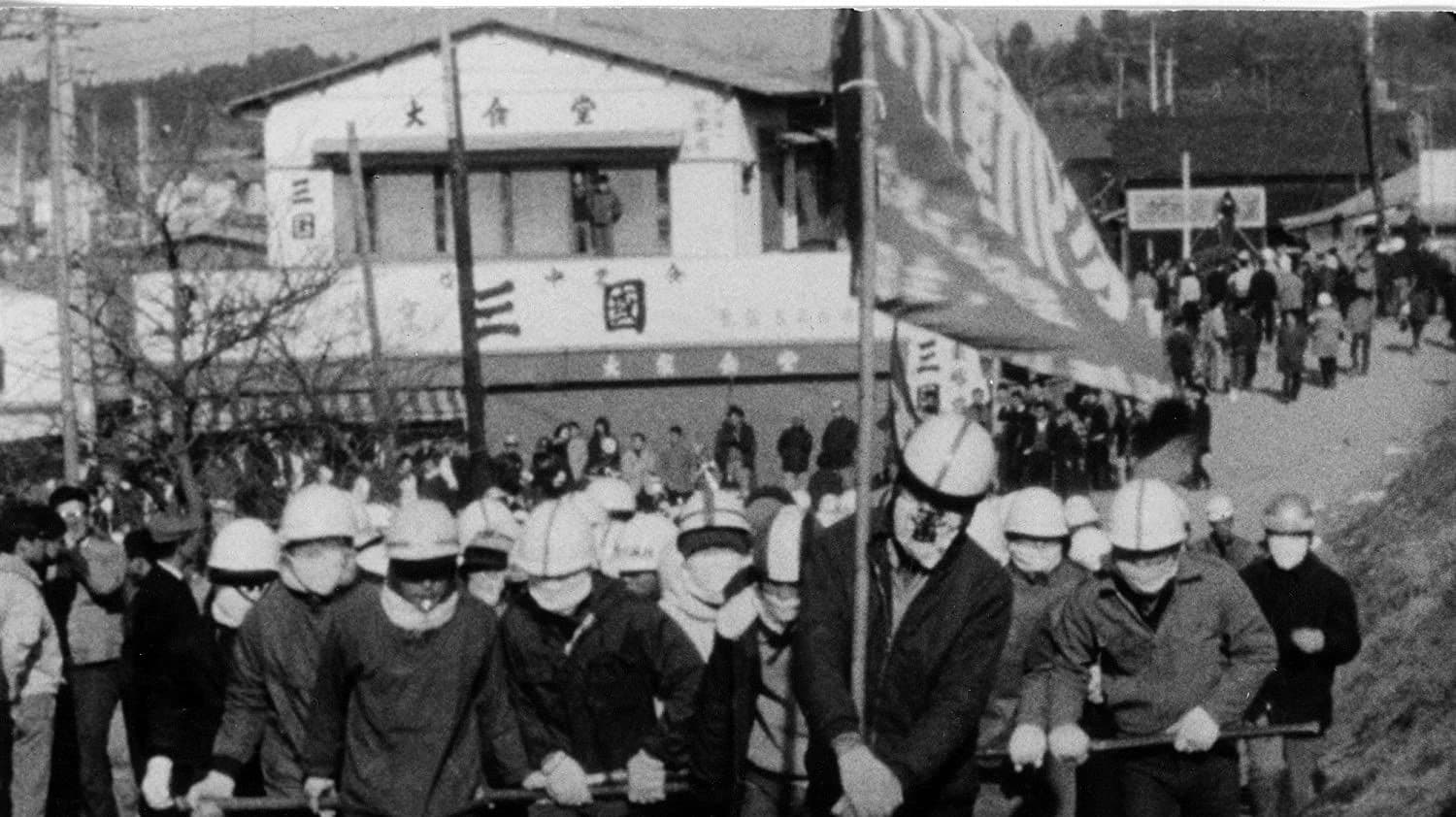
"Sanrizuka: The Three-Day War" is a documentary by Shinsuke Ogawa chronicling the escalation of conflict surrounding the Japanese government’s plan to build a new international airport on farmland in Sanrizuka near Tokyo. As farmers resisted eviction and activists from across the country joined the struggle, clashes with police intensified, resulting in large-scale confrontations that marked a critical phase of the Sanrizuka movement.
View Details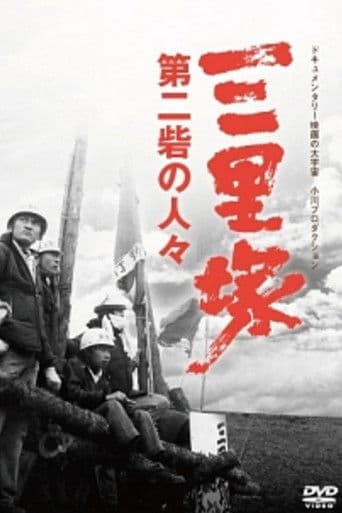
"Narita: The Peasants of the Second Fortress" (1971) chronicles a decisive phase in the struggle against the construction of the Narita International Airport, as farmers in Sanrizuka adopted new defensive tactics, including the construction of fortified towers and underground shelters. As police forces moved to dismantle these structures, confrontations intensified. The film combines scenes of direct conflict with extended conversations between Ogawa and the farmers, documenting both the physical resistance and the sustained community organizing that defined this stage of the protest.
View Details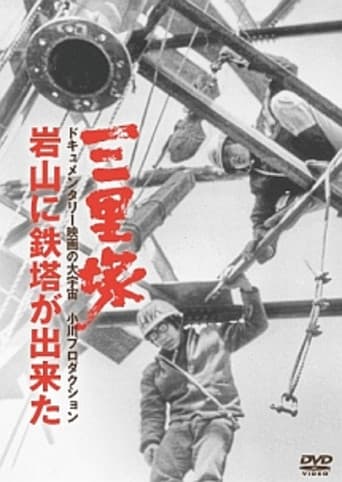
The third film in Ogawa Productions’ Narita/Sanrizuka series of documentaries about the resistance by farmers and activists to the construction of the Narita Airport.
View Details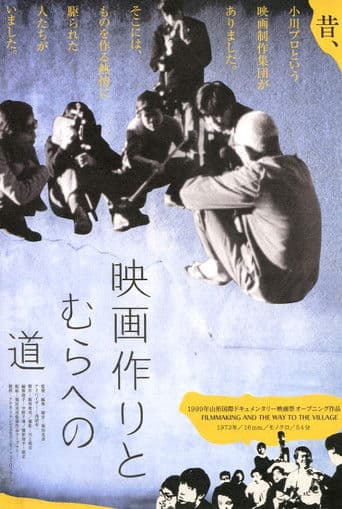
This film was directed by a member of the Ogawa collective, Fukuda Katsuhiko, while they were finishing the documentary Sanrizuka: Heta Village. Fukuda left the collective after this film and continued making documentaries in the village of Heta. Credit: ICA London
View Details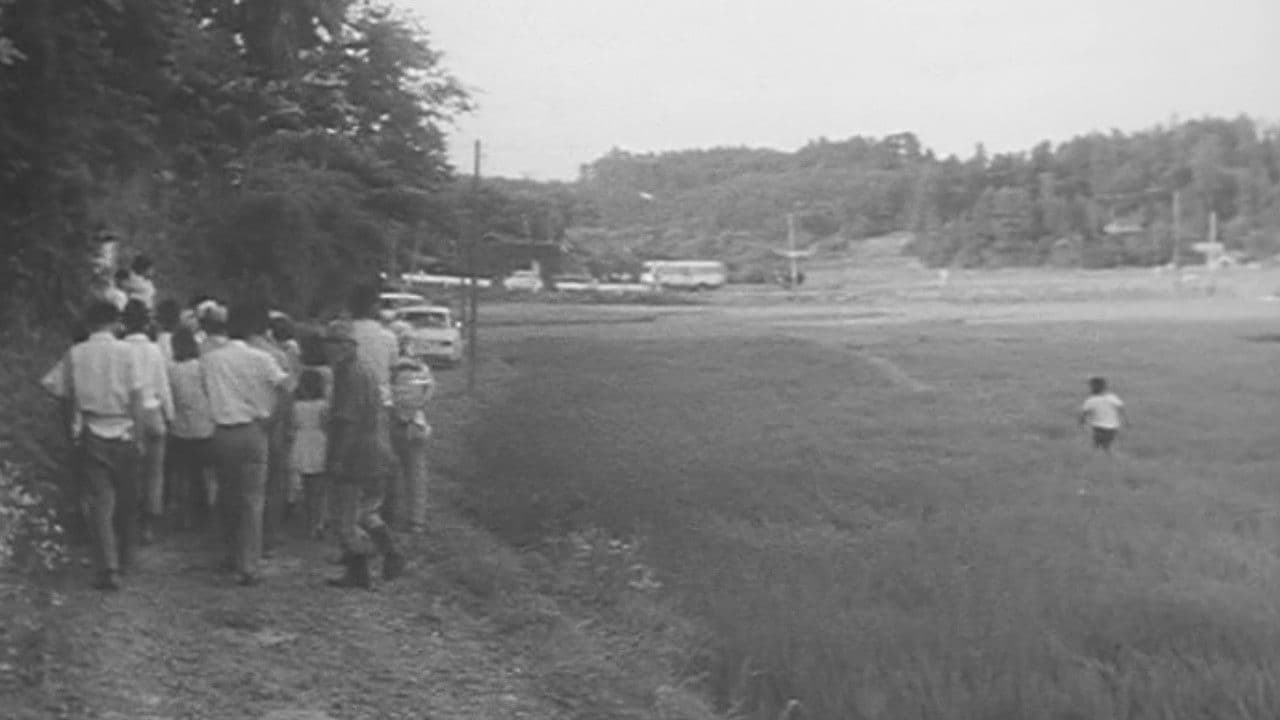
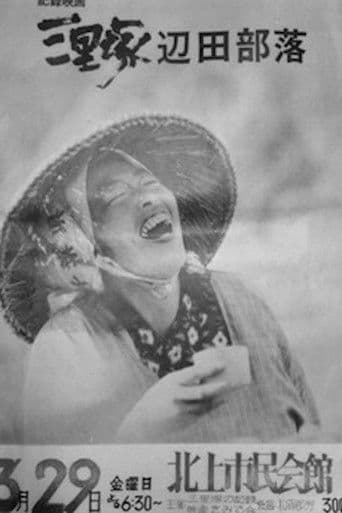
Shinsuke Ogawa documentary about the life of the farmers in Heta Village opposing their resettlement due to the construction of Narita Airport.
View Details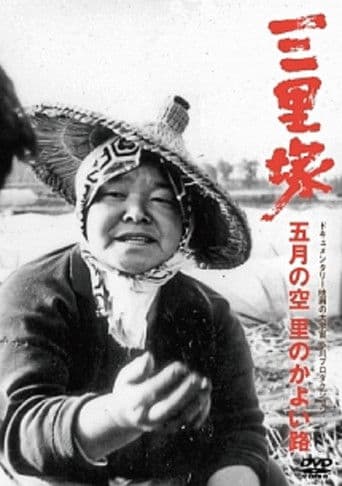
In the mid-1970s, protests were waning across Japan after the Red Army scandal of Asama Cottage. In Sanrizuka, people were weary of the violence and the airport was well under construction. As for Ogawa Productions, they invited criticism by pulling out and moving to a quiet village in northern Japan. But when protesters back in Sanrizuka erected a tall tower at the end of one runway, they sent a crew to document what happened. This became the final film of the Sanrizuka Series.
View Details