
© 2026 The Couch Critic
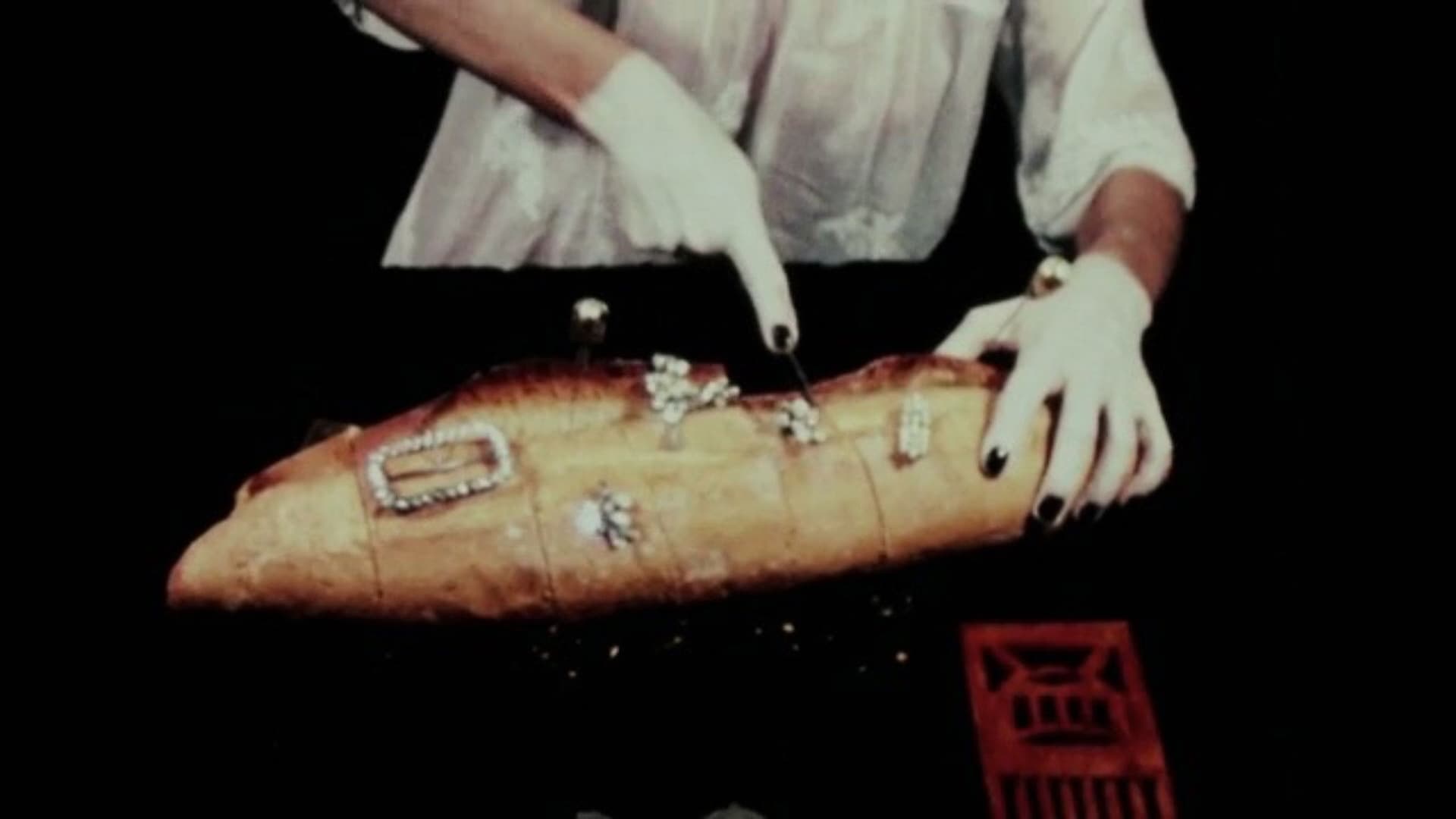
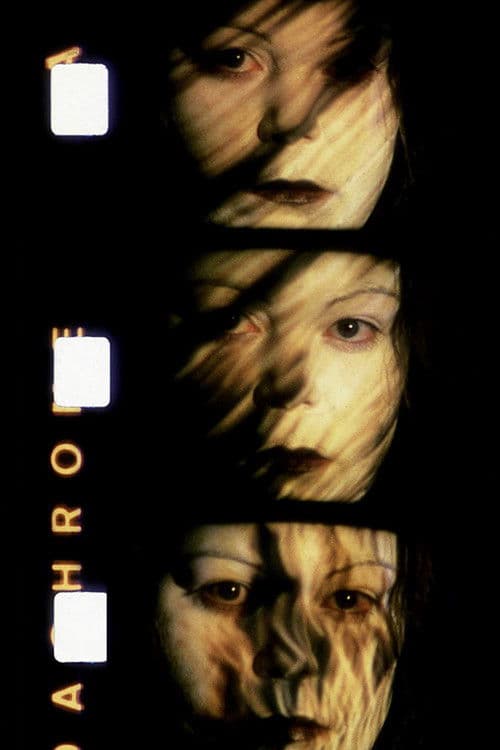
The film takes the Freudian concept of the uncanny generated by an inexplicable strangeness to expose the reappearance of the repressed feminine unconscious through splitting, doubling and mirroring the cinematic image to question the boundaries of the real. The late Maria Klonaris, who sadly passed away in the begining of 2014, with co-author Katerina Thomadaki, was responsible for some of the most radical womens' liberationist and transgender films and art ever created. Of Greek origin but based in Paris, Klonaris and Thomadaki were founders of the Cinema of the Body, a profound investigative practice into gender and bodily identity.

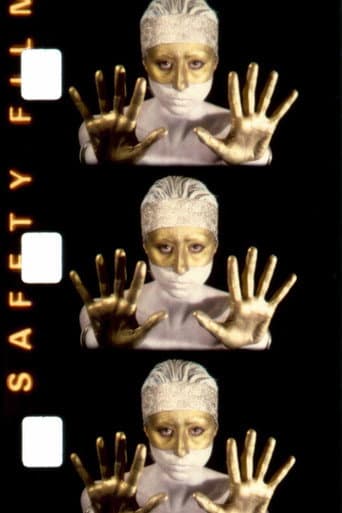
Astarti, the Greek name for Ishtar, is an archetype of a deep, nocturnal feminine that emerges from subterranean darkness. We experience an embodied cinematic experience realised through a sensuous aesthetic as we are invited to enter a strange and uncertain world of inner depths and hypnotising effects. There, we encounter three women actantes, embodied by the artists, who play mythic and magical female figures such as Medusa and Salome. They metamorphose, dance and enter trances where the body vibrates into transformation. Figures reveal themselves out of silence which is both the moment of creation and an eternal reality. The film itself actualises that which is inactual and gives form to blackness through a poetics of intimacy and an ethics of interpersonal relationships, which is founded in the artists’ own double authorship.
View Details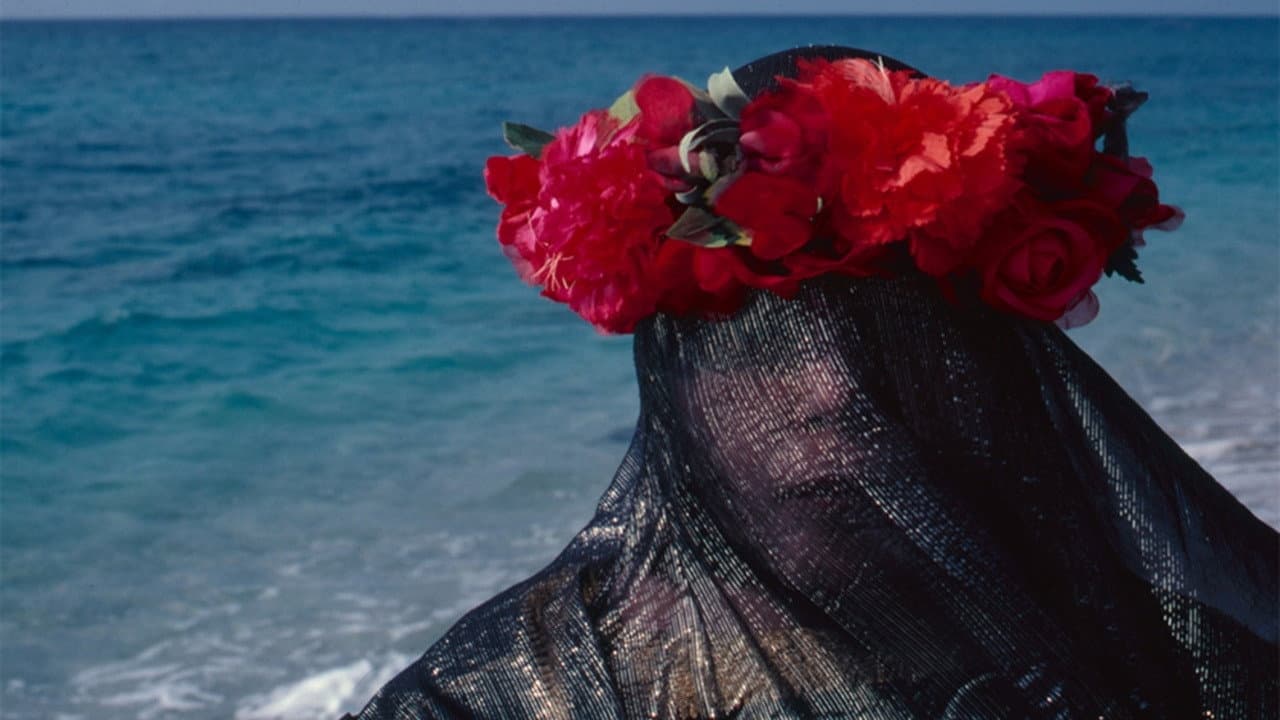
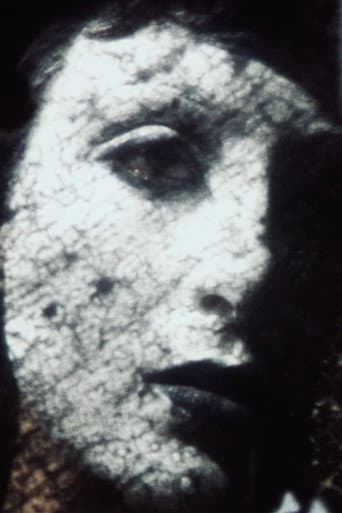
After five years of intense work on identity, an alchemical quest for the depths, after nine films and films / actions where the actresses' gestures resounded against a black background which eliminated the environment to reveal the inside, taken outside: encounter of the inside with the outside. Journey back into memory. Crossing the Greek landscape in August. The seas. The ruins, remains of abandoned houses, homes with holes, pierced by the wind, inside crossed by the outside. Unheimlich: the disturbing strangeness. Activation of a memory of origins. Unheimlich: what should remain secret, hidden and which manifests itself. MHTRIS = mother's country.
View Details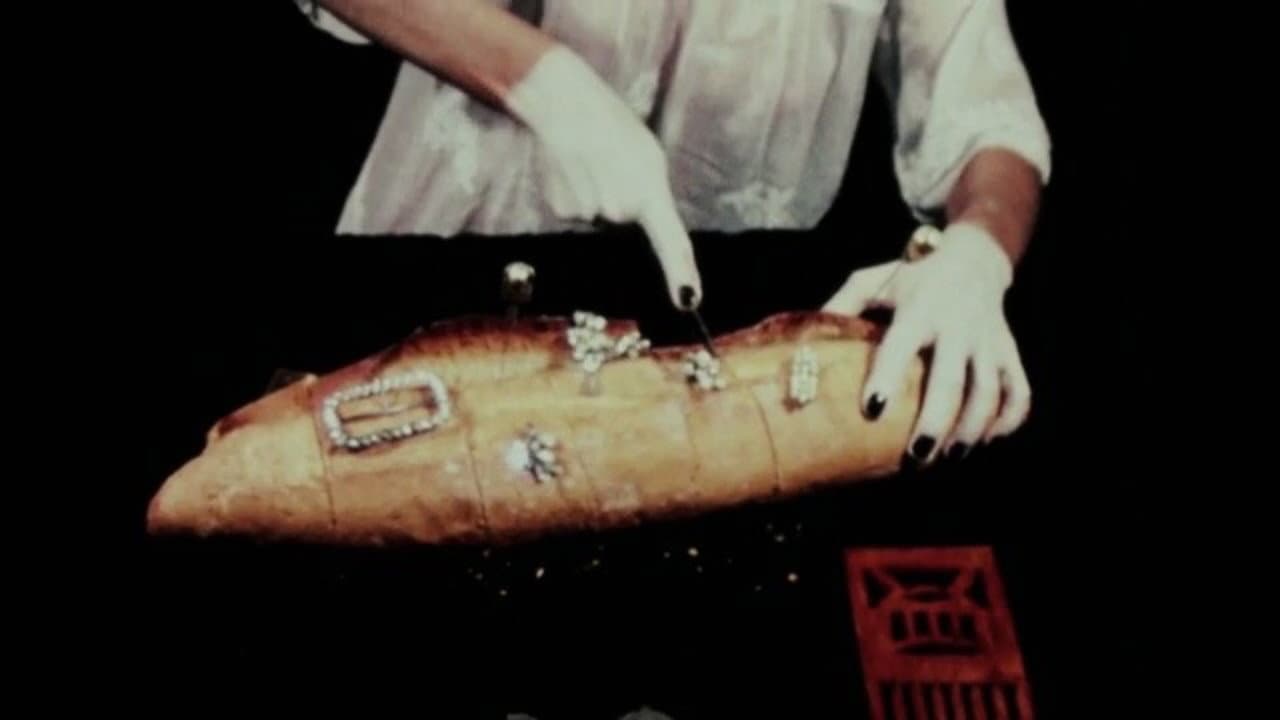
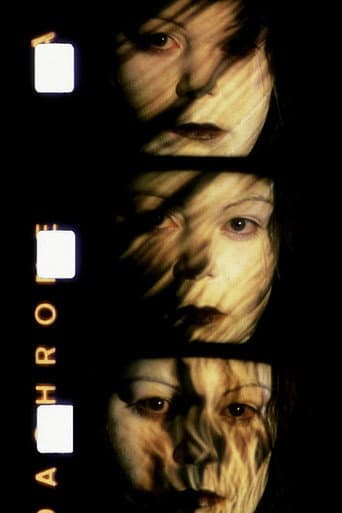
The film takes the Freudian concept of the uncanny generated by an inexplicable strangeness to expose the reappearance of the repressed feminine unconscious through splitting, doubling and mirroring the cinematic image to question the boundaries of the real. The late Maria Klonaris, who sadly passed away in the begining of 2014, with co-author Katerina Thomadaki, was responsible for some of the most radical womens' liberationist and transgender films and art ever created. Of Greek origin but based in Paris, Klonaris and Thomadaki were founders of the Cinema of the Body, a profound investigative practice into gender and bodily identity.
View Details