© 2026 The Couch Critic
A series of nine educational short subjects from the 1950s-60s, produced by AT&T and Bell Laboratories.
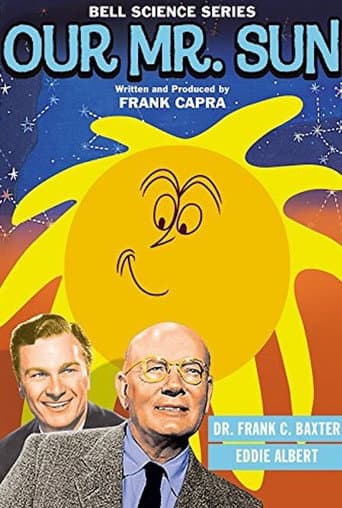
One entry in a series of films produced to make science accessible to the masses—especially children—this film describes the sun in scientific but entertaining terms.
View Details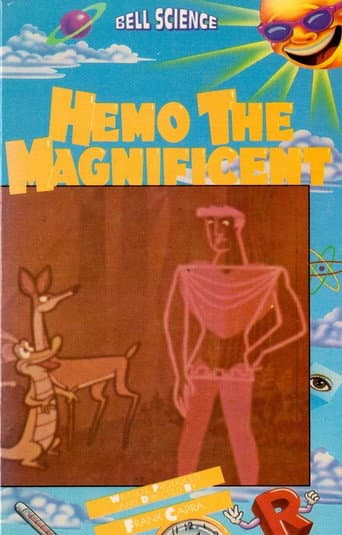
Professor Frank Baxter and some animated friends answer questions about blood. what makes it red? Why do little animals' hearts beat so quickly? And so much more.
View Details
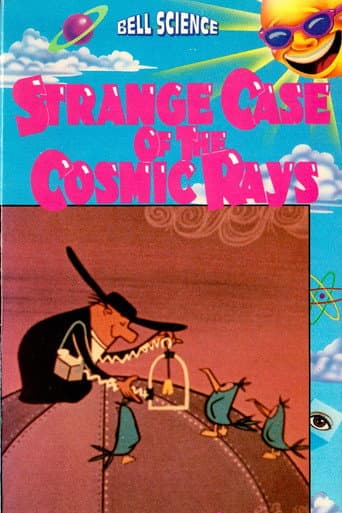
Part of acclaimed filmmaker Frank Capra's "Wonders of Life" series of science-based films (which won an Emmy Award for Best Editing) teaches kids about the power of gamma rays and radiation.
View Details
A scientist and a writer explain the various meteorological phenomena to Meteora, the goddess of weather, while giving an insight into the technology involved in predicting them and warning about the threat of global climate change.
View Details
The film presents how the human body recognizes and becomes aware of its surroundings. The various information pathways to the brain such as sight, sound, smell, taste and touch are explored in a accurate but simple manner via human impression and cartoon characters!
View Details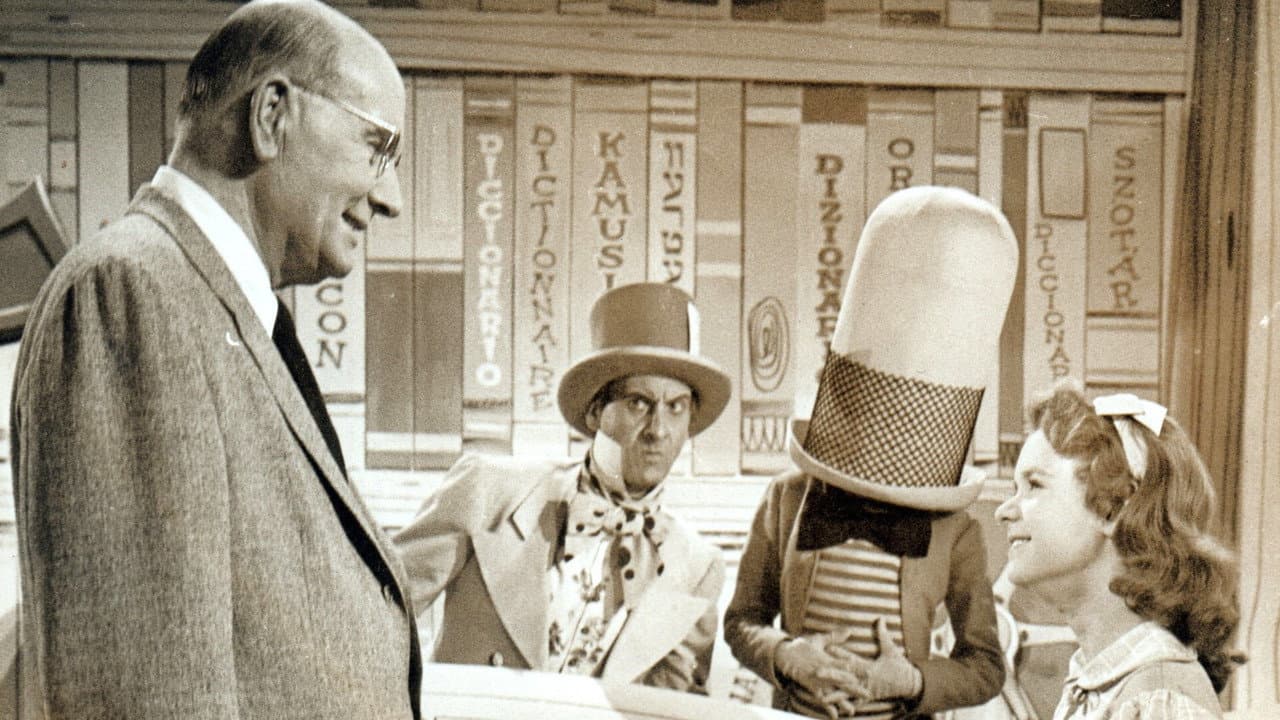
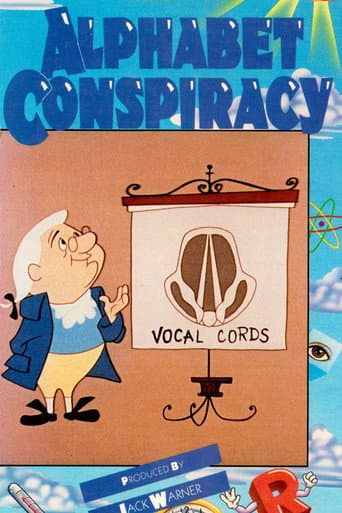
Dr. Frank Baxter, with the help of The Mad Hatter and Jabberwock, takes young Judy exploring the world of language, in which she finds out that language is for doing more than just talking.
View Details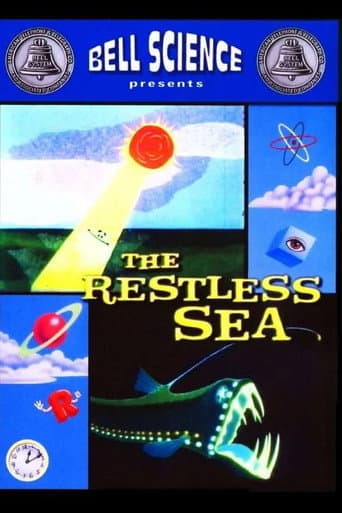
The Restless Sea is a 1964 educational animated feature-length film. It was produced by Disney as the final entry in the Bell Telephone Science Hour series. Animated sequences illustrate the work of oceanographers in searching out complex and interwoven relationships of nature in the sea integrating the marine applications of many sciences. Filmed action from above and below the surface shows instruments which plunge through layers of sediment to obtain geological records and oceanographic equipment ranging from underwater television to research vessels.
View Details