
© 2026 The Couch Critic
All Super Bowls orchestrated by the National Football League
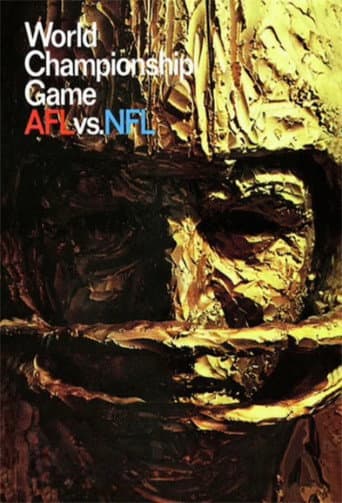
Super Bowl I, played on January 15, 1967, at the Los Angeles Memorial Coliseum, marked the beginning of what would become the biggest annual sporting event in the United States. Officially called the AFL-NFL World Championship Game at the time, the game featured the Green Bay Packers, champions of the established National Football League (NFL), against the Kansas City Chiefs, winners of the upstart American Football League (AFL). The matchup was meant to prove which league was superior, as the two organizations had agreed to merge in 1970, with this game serving as a preview of their impending unification.
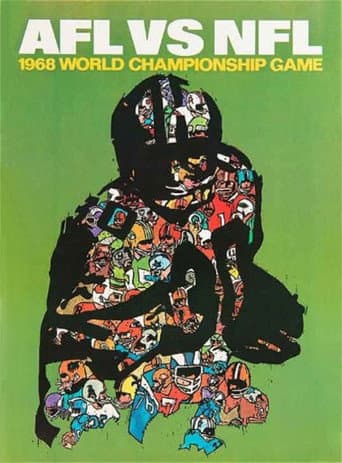
Super Bowl II, played on January 14, 1968, at the Orange Bowl in Miami, was the second championship game between the National Football League (NFL) and the American Football League (AFL). The game featured the Green Bay Packers, once again led by head coach Vince Lombardi, facing off against the Oakland Raiders, the AFL champions coached by John Rauch. Green Bay had dominated the NFL for years and was looking to solidify its legacy, while Oakland sought to prove the AFL’s growing competitiveness.
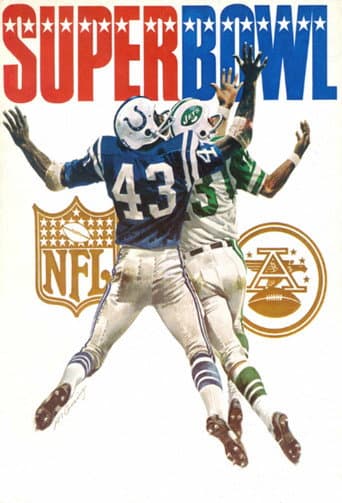
Super Bowl III, played on January 12, 1969, at the Orange Bowl in Miami, was one of the most significant games in football history. It was the first time the AFL truly proved it could compete with the NFL, thanks to the brash confidence of New York Jets quarterback Joe Namath. Leading up to the game, the Baltimore Colts were widely regarded as one of the best teams ever assembled, and the NFL had dominated the first two Super Bowls. Few believed the upstart AFL had any chance—until Namath famously guaranteed a Jets victory just days before the game.
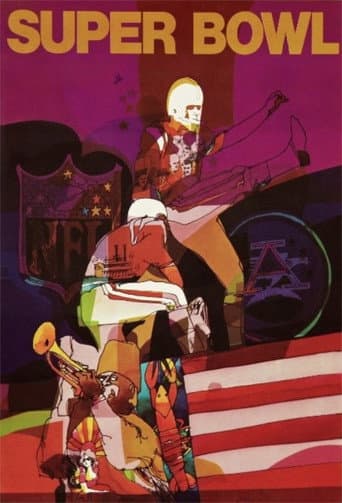
Super Bowl IV, played on January 11, 1970, at Tulane Stadium in New Orleans, was the final championship game before the official merger of the AFL and NFL. It featured the Kansas City Chiefs, representing the American Football League, against the Minnesota Vikings, the top team from the National Football League. With the AFL having earned its first Super Bowl victory the year before in Super Bowl III, this game was another chance to prove the league’s legitimacy. The Chiefs, who had lost in the first-ever Super Bowl, were determined to redeem themselves, while the Vikings were looking to establish their dominance as heavy favorites.
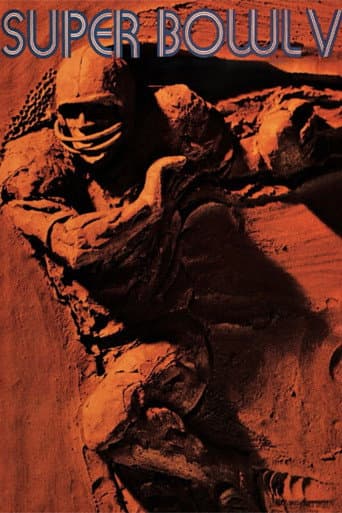
Super Bowl V, played on January 17, 1971, at the Orange Bowl in Miami, was one of the most chaotic and mistake-filled championship games in NFL history. It was the first Super Bowl played after the official merger of the NFL and AFL, with the Baltimore Colts representing the newly formed American Football Conference (AFC) and the Dallas Cowboys representing the National Football Conference (NFC). While the game was historically significant as the first “post-merger” Super Bowl, it is often remembered for its sloppy play, featuring a record 11 turnovers between the two teams.
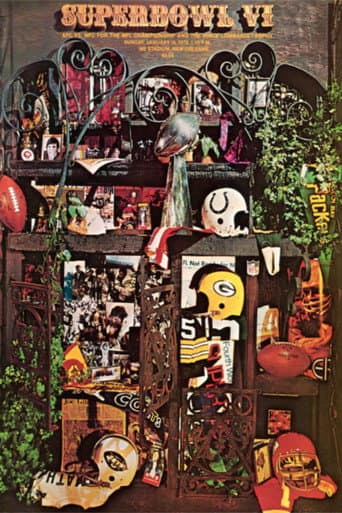
Super Bowl VI, played on January 16, 1972, at Tulane Stadium in New Orleans, was a defining moment for the Dallas Cowboys, who shed their reputation as a team that couldn’t win the big game. After suffering a heartbreaking loss in Super Bowl V, the Cowboys returned determined to prove themselves against the Miami Dolphins, a young and rising team making its first Super Bowl appearance.
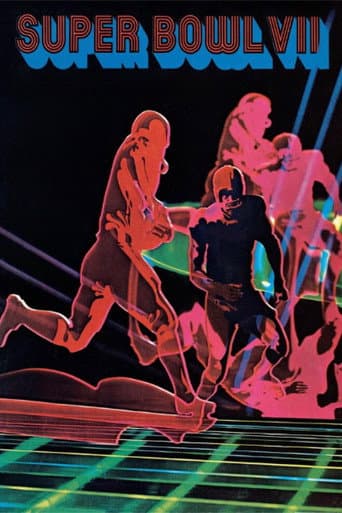
Super Bowl VII, played on January 14, 1973, at the Los Angeles Memorial Coliseum, was a historic game that cemented the Miami Dolphins’ place in NFL history. With their 14-7 victory over the Washington Redskins, the Dolphins completed the first—and still only—perfect season in NFL history, finishing 17-0. The win capped off a remarkable year for Miami, which had dominated the league with a suffocating defense, a powerful running game, and efficient quarterback play.
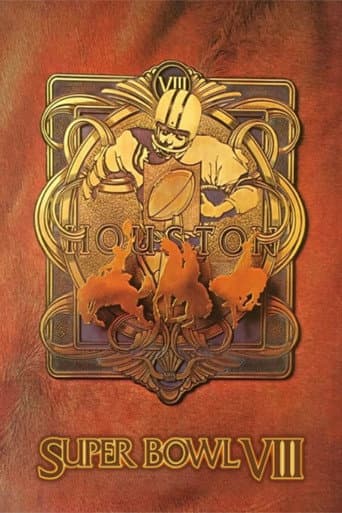
Super Bowl VIII, played on January 13, 1974, at Rice Stadium in Houston, was a showcase of sheer dominance by the Miami Dolphins. With a crushing 24-7 victory over the Minnesota Vikings, the Dolphins became just the second team in NFL history to win back-to-back Super Bowls, cementing their dynasty and further proving their place as one of the greatest teams ever assembled.
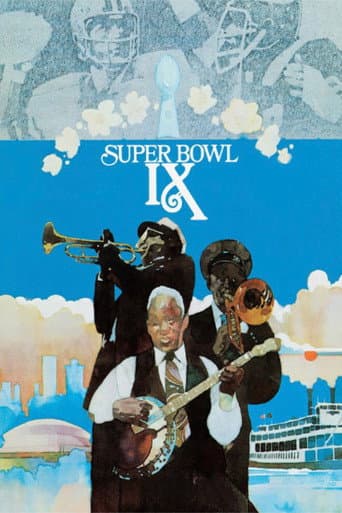
Super Bowl IX, played on January 12, 1975, at Tulane Stadium in New Orleans, marked the beginning of the Pittsburgh Steelers’ dynasty. With a 16-6 victory over the Minnesota Vikings, the Steelers claimed their first championship in franchise history, powered by their legendary “Steel Curtain” defense and the bruising running of Franco Harris.
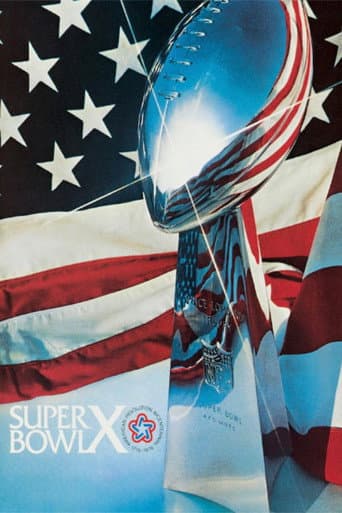
Super Bowl X, played on January 18, 1976, at the Orange Bowl in Miami, was a showcase of two powerhouse teams and one of the most thrilling finishes in Super Bowl history. The Pittsburgh Steelers, fresh off their first championship, defeated the Dallas Cowboys 21-17, securing back-to-back titles and further cementing their status as the NFL’s dominant team of the 1970s.
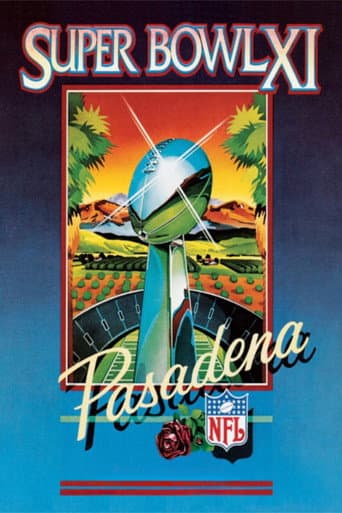
Super Bowl XI, played on January 9, 1977, at the Rose Bowl in Pasadena, California, was a historic game that saw the Oakland Raiders claim their first-ever Super Bowl title, defeating the Minnesota Vikings 32-14. The Raiders, under head coach John Madden, established themselves as one of the NFL’s elite teams of the 1970s, while the Vikings, who had been to four Super Bowls in the past eight seasons, came up short once again in their quest for a championship.
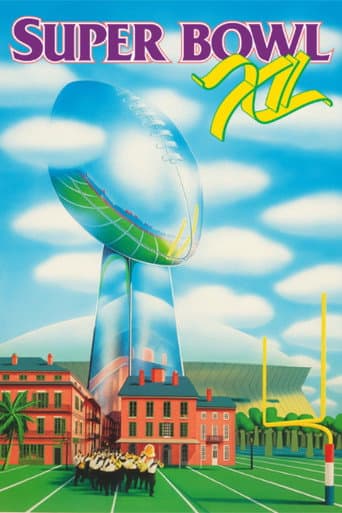
Super Bowl XII, played on January 15, 1978, at the Louisiana Superdome in New Orleans, marked a significant achievement for the Dallas Cowboys as they claimed their second championship title in franchise history, defeating the Denver Broncos 27-10. The game was notable for its historic defensive performance, as the Cowboys’ “Doomsday Defense” delivered a dominant performance, and two players, Harvey Martin and Randy White, were both named co-Super Bowl MVPs.
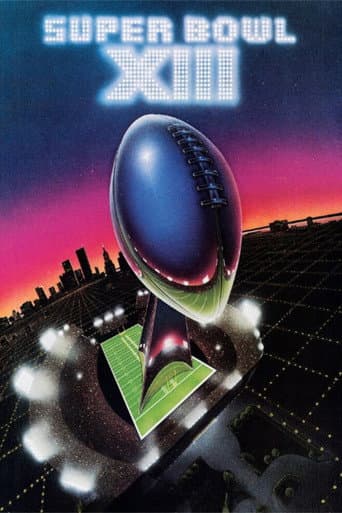
Super Bowl XIII, played on January 21, 1979, at the Orange Bowl in Miami, was a thrilling matchup between two of the NFL’s most storied franchises: the Pittsburgh Steelers and the Dallas Cowboys. In a highly anticipated showdown, the Steelers emerged victorious with a 35-31 win, claiming their fourth Super Bowl title in six years and further solidifying their place as one of the greatest teams in NFL history.
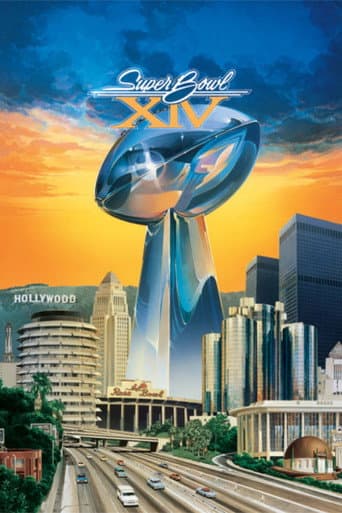
Super Bowl XIV, played on January 20, 1980, at the Rose Bowl in Pasadena, California, saw the Pittsburgh Steelers defeat the Los Angeles Rams 31-19, claiming their fourth Super Bowl title in six years and solidifying their place as one of the NFL’s most dominant dynasties. This victory marked the end of an era for Pittsburgh, as they became the first team in NFL history to win four Super Bowls, a feat that wouldn’t be matched for over a decade.
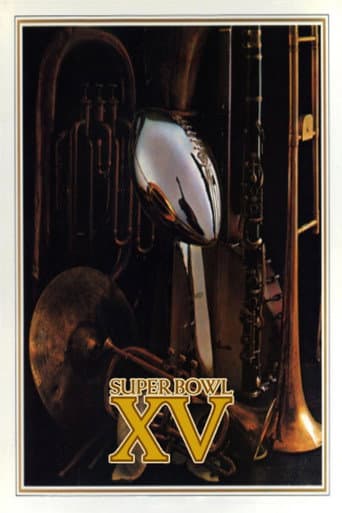
Super Bowl XV, played on January 25, 1981, at the Louisiana Superdome in New Orleans, Louisiana, saw the Oakland Raiders defeat the Philadelphia Eagles 27-10, becoming the first Wild Card team in NFL history to win the Super Bowl. The Raiders’ victory was a testament to opportunistic defense, a sharp passing attack, and the steady leadership of quarterback Jim Plunkett, who completed one of the most remarkable career turnarounds in NFL history.
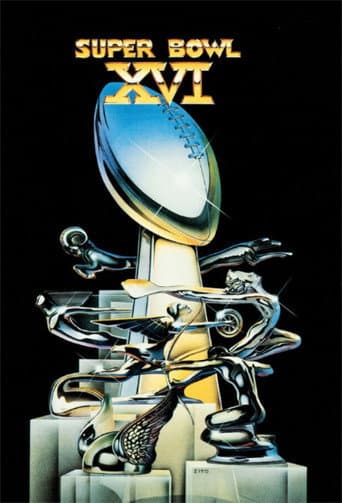
Super Bowl XVI, played on January 24, 1982, at the Pontiac Silverdome in Pontiac, Michigan, saw the San Francisco 49ers defeat the Cincinnati Bengals 26-21, securing their first-ever Super Bowl title. This game marked the beginning of the 49ers’ dynasty in the 1980s and established them as one of the NFL’s elite teams.
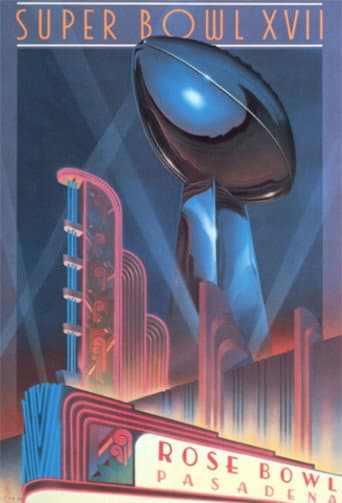
Super Bowl XVII, played on January 30, 1983, at the Rose Bowl in Pasadena, California, featured the Washington Redskins defeating the Miami Dolphins 27-17, securing Washington’s first-ever Super Bowl title. The game was notable not only for the Redskins’ triumph but also for the defining performance by Washington’s running back, John Riggins, who cemented his place in Super Bowl history.
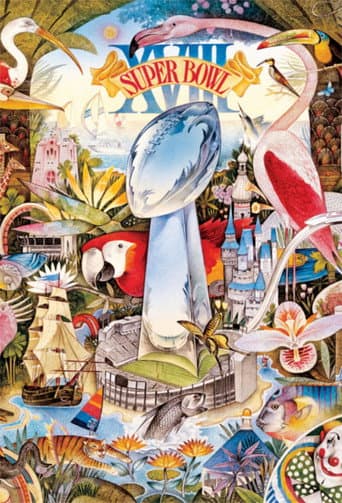
Super Bowl XVIII, played on January 22, 1984, at Tampa Stadium in Tampa, Florida, saw the Los Angeles Raiders defeat the Washington Redskins 38-9, securing their first Super Bowl title since the franchise relocated to Los Angeles. The Raiders’ victory marked a dominant performance that showcased their explosive offense and aggressive defense, capping off a season that included a 12-4 regular-season record.
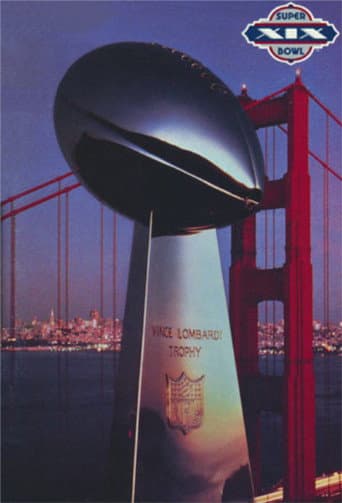
Super Bowl XIX, played on January 20, 1985, at Stanford Stadium in Palo Alto, California, saw the San Francisco 49ers dominate the Miami Dolphins 38-16, capturing their second Super Bowl title in franchise history. This game was a showcase of offensive brilliance, led by 49ers quarterback Joe Montana, and solidified the 49ers as a premier NFL dynasty of the 1980s.
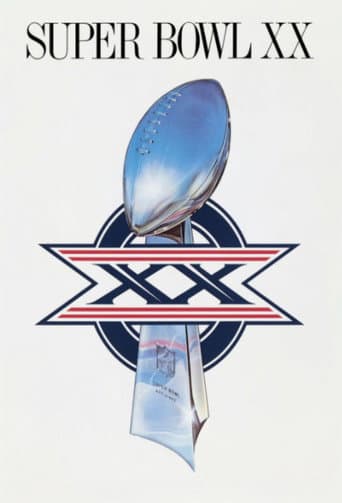
Super Bowl XX, played on January 26, 1986, at the Louisiana Superdome in New Orleans, saw the Chicago Bears dominate the New England Patriots 46-10, securing their first-ever Super Bowl title. The victory capped off a remarkable season for the Bears, who finished with a 15-1 record and were considered one of the most dominant teams in NFL history.
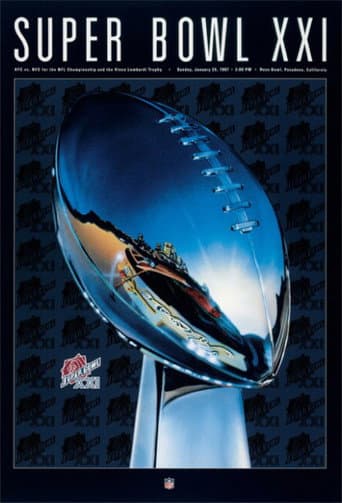
Super Bowl XXI, played on January 25, 1987, at the Rose Bowl in Pasadena, California, saw the New York Giants defeat the Denver Broncos 39-20, capturing their first-ever Super Bowl title. The Giants’ victory was a combination of stellar defense, efficient offense, and a strong performance from their quarterback, Phil Simms, who delivered one of the most memorable games of his career.
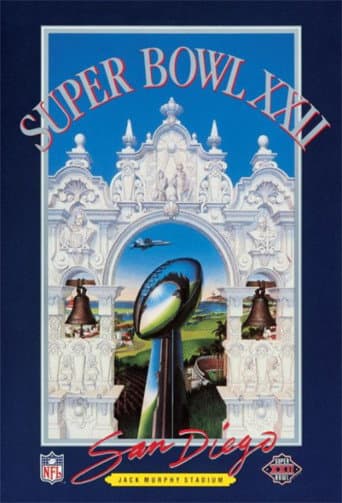
Super Bowl XXII, played on January 31, 1988, at the Jack Murphy Stadium in San Diego, California, saw the Washington Redskins defeat the Denver Broncos 42-10, securing their second Super Bowl title. The game was notable for Washington’s explosive second-quarter performance, which included one of the most memorable offensive displays in Super Bowl history.
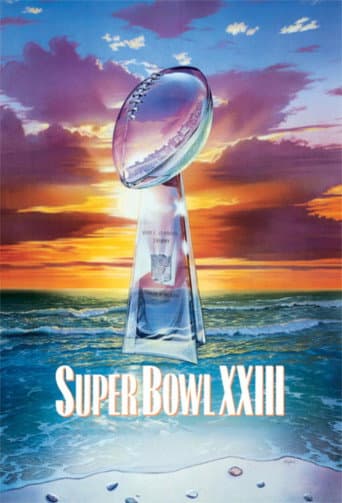
Super Bowl XXIII, played on January 22, 1989, at the Miami Orange Bowl in Miami, Florida, featured a thrilling matchup between the San Francisco 49ers and the Cincinnati Bengals. The game culminated in a 20-16 victory for the 49ers, earning them their fourth Super Bowl title and further solidifying their place as one of the NFL’s elite franchises.
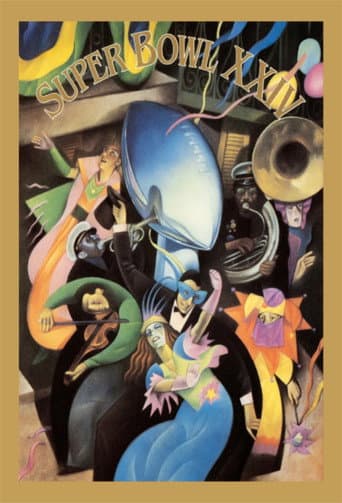
Super Bowl XXIV, played on January 28, 1990, at the Louisiana Superdome in New Orleans, featured a clash between two teams that had taken very different paths to the championship. The San Francisco 49ers, already the most dominant franchise of the 1980s, were coming off a 14-2 regular season in which they showcased one of the most balanced and efficient teams in NFL history. Under first-year head coach George Seifert, who had taken over after Bill Walsh’s retirement, the 49ers barely missed a beat. Joe Montana put together an MVP season, throwing for 3,521 yards, 26 touchdowns, and just 8 interceptions, while Jerry Rice remained the league’s most dangerous receiver. Defensively, San Francisco was just as formidable, ranking among the best in points allowed. They rolled through the playoffs, dismantling the Vikings 41-13 and the Rams 30-3 on their way to the Super Bowl.
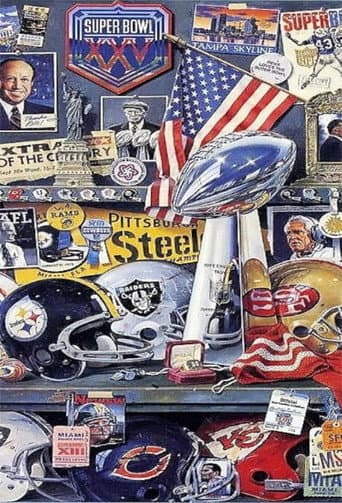
Super Bowl XXV, played on January 27, 1991, at Tampa Stadium in Florida, remains one of the most dramatic championship games in NFL history. The matchup featured the high-powered Buffalo Bills, making their first Super Bowl appearance, against the battle-tested New York Giants, who had previously won the title in 1986.
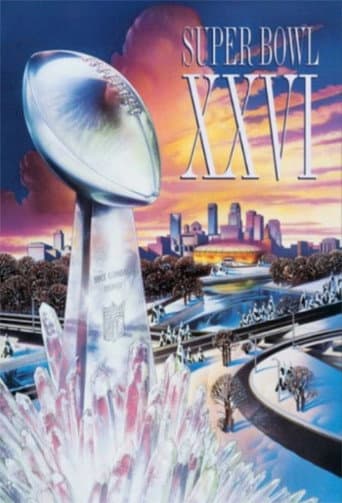
Super Bowl XXVI, played on January 26, 1992, at the Metrodome in Minneapolis, featured a matchup between the Washington Redskins and the Buffalo Bills. For Washington, this was a chance to cap off one of the most dominant seasons in NFL history, while Buffalo, appearing in its second consecutive Super Bowl, was looking to redeem itself after the heartbreaking “wide right” loss in Super Bowl XXV.
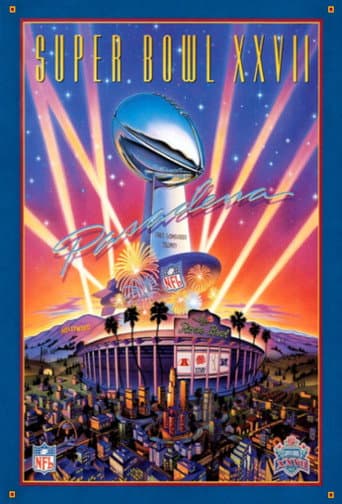
Super Bowl XXVII, played on January 31, 1993, at the Rose Bowl in Pasadena, marked the resurgence of the Dallas Cowboys as an NFL powerhouse. Facing the Buffalo Bills, who were making their third consecutive Super Bowl appearance, Dallas looked to reclaim its place at the top of the league after a long championship drought.
Super Bowl XXVIII, played on January 30, 1994, at the Georgia Dome in Atlanta, Georgia, saw the Dallas Cowboys defeat the Buffalo Bills 30-13, securing their fourth Super Bowl title in franchise history. The Cowboys’ victory capped off a dominant season, while the Bills’ loss marked their fourth consecutive Super Bowl defeat, a record they still hold.
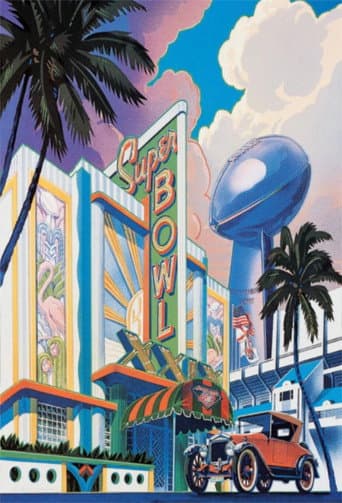
Super Bowl XXIX, played on January 29, 1995, at Joe Robbie Stadium in Miami, Florida, was a historic blowout as the San Francisco 49ers defeated the San Diego Chargers 49-26. The victory gave San Francisco its fifth Super Bowl title, making them the first franchise to reach that milestone. The game was also notable for Steve Young stepping out of Joe Montana’s shadow, delivering a legendary performance that solidified his place among the NFL’s greatest quarterbacks.