
© 2026 The Couch Critic

After General Flavius Aetius frees the Roman Empire from the clutches of Attila the Hun, Rome is once again secure. However, this assurance is short-lived, as Attila is no longer a threat, it only brings the Germanic tribes to once again unite against Rome. As the growing power of General Flavius Aetius becomes a threat to the Roman Senate, and the Emperor of Rome, Flavius becomes a victim of assassination to the Roman political hierarchy, which leaves Rome to two decades of corruption and turmoil.

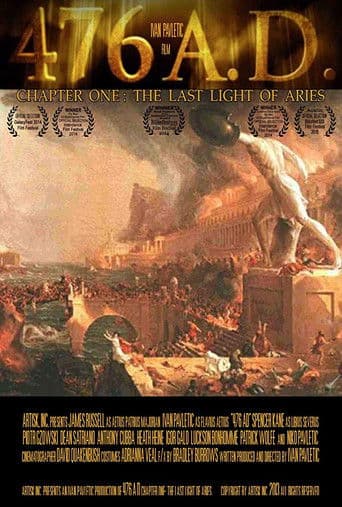
After General Flavius Aetius frees the Roman Empire from the clutches of Attila the Hun, Rome is once again secure. However, this assurance is short-lived, as Attila is no longer a threat, it only brings the Germanic tribes to once again unite against Rome. As the growing power of General Flavius Aetius becomes a threat to the Roman Senate, and the Emperor of Rome, Flavius becomes a victim of assassination to the Roman political hierarchy, which leaves Rome to two decades of corruption and turmoil. This unrest causes an intense decline in its infrastructure, finally brings the Empire to its inevitable demise. Leaving the Barbarians to finally fulfil their 400 years old dream, to destroy Rome once and for all.
View Details
September 2, 476 A.D.: Only two days before the Ostrogoth Foederati finally sack the City of Rome in the early morning hours of September 4th. When Ostrogoth Chieftain, and the Leader of the Foederati, Odoacer finally takes over the City that same day, and Ends the Empire, by the famous Act of Deposing of the Last Western Roman Caesar Romulus Augustulus. Hence with this famous/infamous act of deposition of the Emperor Augustulus, Odoacer officially ends the 1,300 years of Roman Power, thus giving way to the next 1,000 years of the Dark Ages.
View Details