
© 2026 The Couch Critic
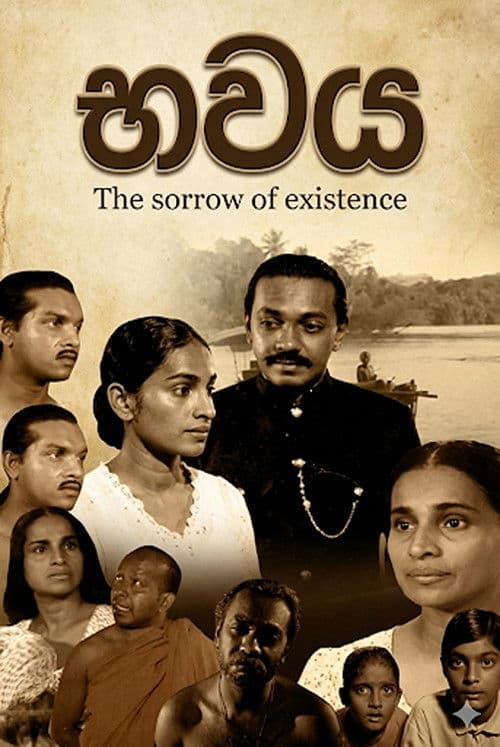
The film is set in 1905 during the British colonial reign in Sri Lanka. Nona Hami is raped by Muhandiram. Peduru Appu marries her without knowing that she is pregnant with Muhandiram's child. The whole village learns about it but Peduru accepts her as his wife irrespective of her state. Many years pass and they have more kids. Nona Hami and Peduru always fight over the eldest child, Giran, who is Muhandiram's child. Giran is forced to jump into the river to escape his father's beatings.
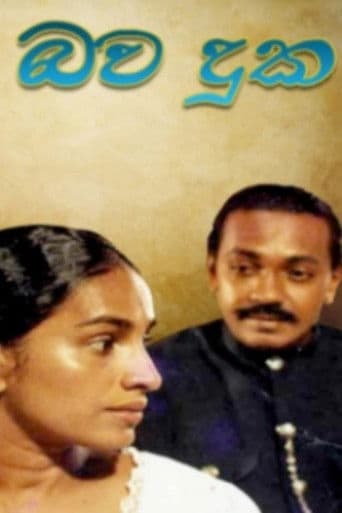
Set during the British colonial reign in Sri Lanka (1905), this powerful drama follows Peduru who descends from a line of traditional drummers, crossing over to three generations. Peduru's struggle for survival in this harsh rural hamlet exposes the repressive Buddhist institutionalization of the locals, and the hierarchical structure backed by the British colonials.
View Details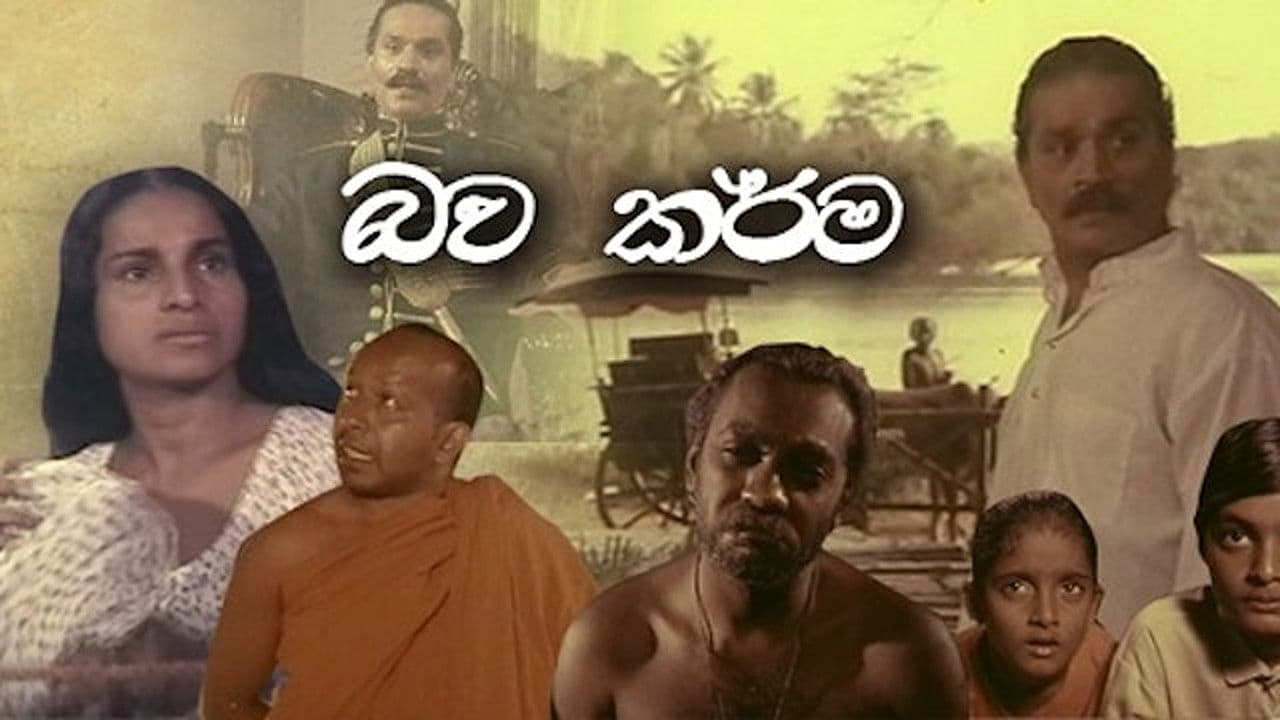

A continuation of “Bawa Duka”; via Peduru’s family, the narrative exposes the social stasis/class discrimination encouraged by the local Sinhalese Buddhist clergy, while the arrival of the Christian missionaries signals a more progressive mindset, though at the cost of conversion to a monotheistic faith. Tyranny is not only practiced by the British colonials but equally facilitated by local traditional institutions--thus, the resultant suffering (Duka) of Peduru is a combination of the two.
View Details