Menu
© 2026 The Couch Critic
Browse 150 movies from Leningrad Television
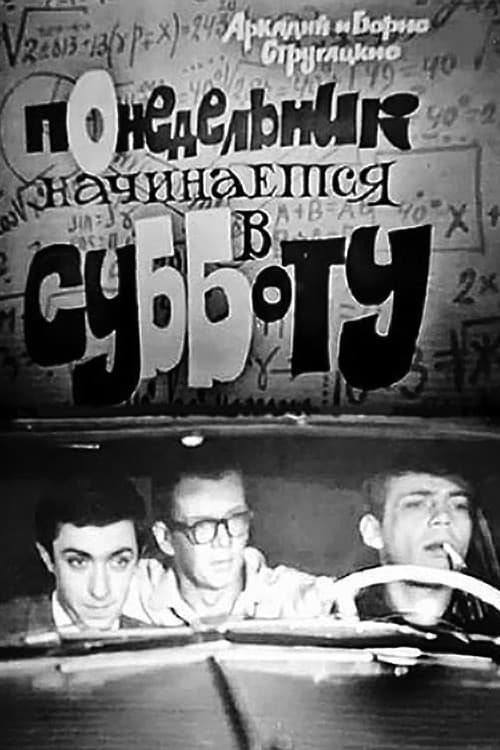
Set in a fictional town in northern Russia, where highly classified research in magic occurs, the novel is a satire of Soviet scientific research institutes, complete with an inept administration, a dishonest, show-horse professor, and numerous equipment failures. It offers an idealistic view of the scientific work ethic, as reflected in the title which suggests that the scientists' weekends are nonexistent. (Wikipedia)
Jan 1965
Based on Hungarian fairytales.
Oct 1991
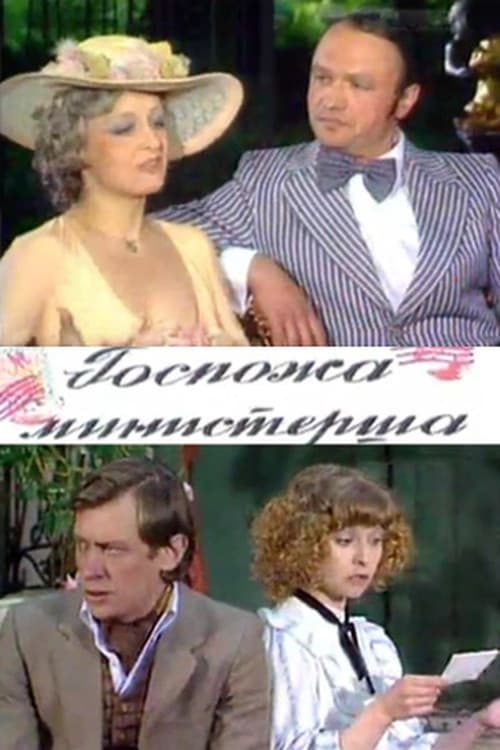
Based on the comedy of the same name by the Serbian writer Bronislav Nusic. The action takes place at the turn of the 19th and 20th centuries.
Jul 1984
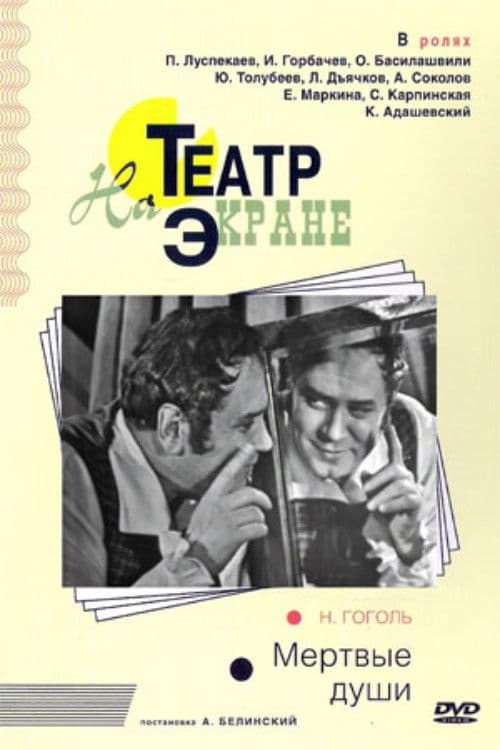
In "Dead Souls" Gogol posed the most pressing and painful questions of modern life. The very title of the poem had enormous revealing power; it carried, according to Herzen, “something terrifying”, “he could not name it otherwise; not the revisionists - dead souls, but all these Nozdryovs. Manilovs and all those like them are dead souls, and we meet them at every step..."
Dec 1969
Oct 1986
Apr 1968
It shows the life of a man who lost his memory after a car accident. It's like a person is being reborn. But the new life does not bring happiness to the hero. Well-mannered, with good manners, he asks his friend, "What kind of person was I?" And gets an answer: "You were a heavy drinker." All the hero's attempts to establish contact with the world around him end in failure, and the final scene is very dramatic.
May 1988
It consists of Konstantin Georgievich Paustovsky's three short stories about the origin of feelings, the expectation of happiness and love...
Mar 1974
Based on the play by J. Smetanova.
Jul 1968
Based on the novel of the same name by E. Hemingway.
Jan 1967
In this whimsical television play based on a fairy-tale by Karel Čapek, an enterprising detective goes on a globe-trotting adventure to catch a mysterious wizard.
Based on the works of Alexander Pushkin ("Roslavlev", "The Tales of I.P. Belkin", "We Spent the Evening at the Country Estate...", "A Novel in Letters", "A Duel", etc.).
Jan 1979
A TV play based on Y.P. German's trilogy about the doctor Vladimir Ustimenko. Aglaya is Vladimir's aunt. The play is about her work as an underground fighter during the war.
Jan 1968
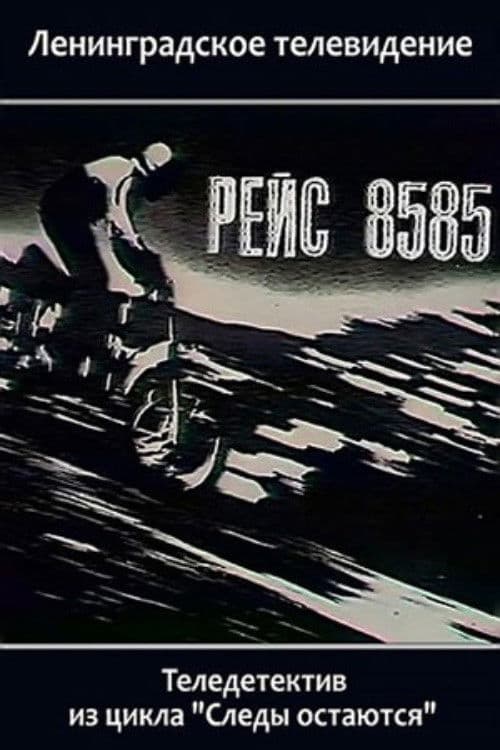
A beautiful blonde is killed in the women's restroom of a bar-restaurant; after a long and dangerous chase, the murderer-motorcyclist manages to escape from the police...
Jul 1985
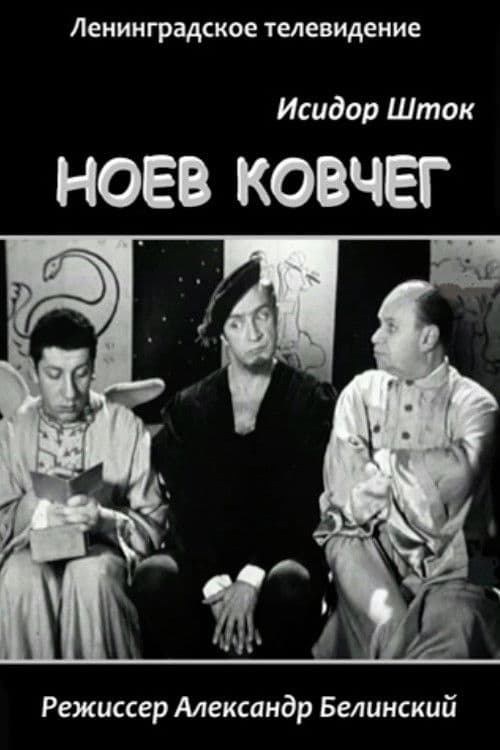
Based on the play of the same name by Isidor Shtok. The author described this work as a prehistoric documentary drama, while audiences recognized it as a comedy. Isidor Shtok wrote Noah’s Ark as a continuation of his Divine Comedy. This production preserves a good-natured tone, which at times shifts into satire through numerous parallels with contemporary life.
Feb 1967
Returning home from school, a village boy saw a military man with a dog. The smart and handsome guard dog immediately attracted the boy. When it turned out that the border guard was taking this kind-hearted creature to a veterinary clinic to put it to sleep, the situation became really critical. The outraged child tried to take the shepherd dog for himself, but it was not at all easy to do so...
Sep 1969
Performance based on the novel of the same name by Yuri Olesha with the participation of actors from the Leningrad Bolshoi Drama Theater of M. Gorky.
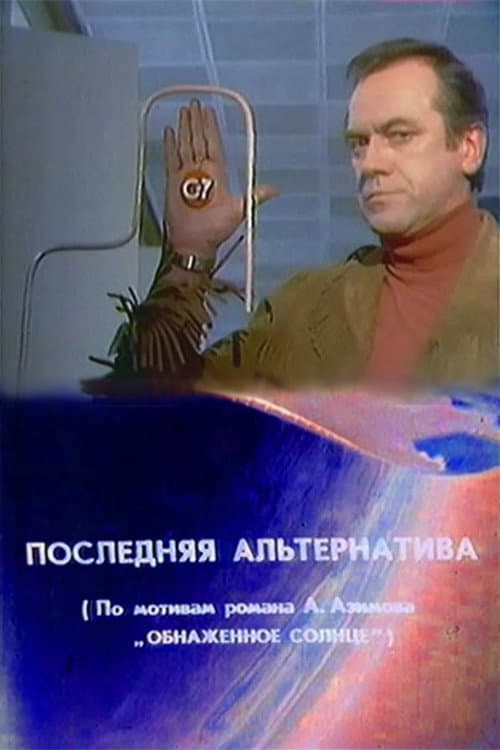
Detective Al Bailey is invited to one of the outer worlds, Solaria, where a mysterious murder has occurred. Solaria is characterized by the isolation of its inhabitants from each other (even husbands and wives see each other on a schedule), which makes the murder all the more incredible. From childhood, people grow up surrounded by robots, and as adults, personal contact is considered inappropriate and a difficult challenge. The unpreparedness of the inhabitants for the murder leads them to accept the invitation to bring in an Earthling. Upon arriving on the planet, Al Bailey meets his old acquaintance, the robot Dan, and they begin their investigation together.
Jan 1978
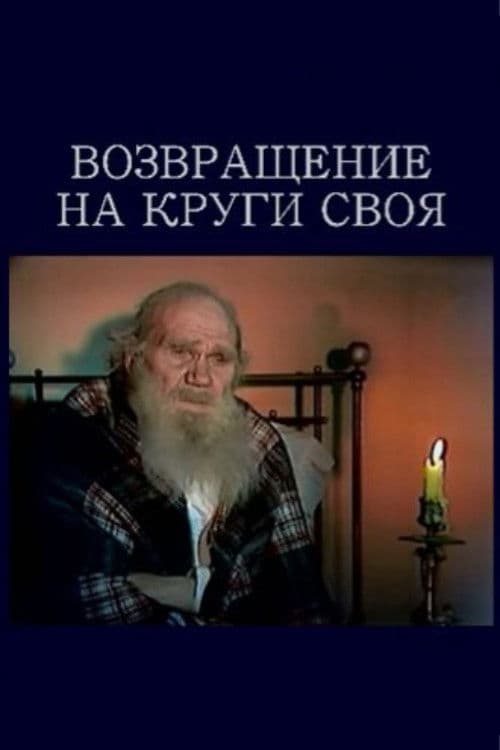
About the last year of Leo Tolstoy's life, disagreements in the family, conflicts with his children and wife, about his leaving home.
Feb 1978
Based on the play of the same name by Sergei Naydenov.
Jan 1964