Menu
© 2026 The Couch Critic
Browse 57 movies from Statens Filmcentral
From both a scientific and an artistic point of view, the film seeks to answer the question, 'what is light?'.
Jun 1991
A take it or leave it auteur-experimental fiction exercise: two women are monitoring their dreams, dreams that may of course also be stark naked reality, at least to the dreamers, as they come and they go like bubbles, rising, floating, bursting. A man appears out of nowhere. Poet Peter Laugesen co-wrote the script with Tom Elling, who was Lars von Trier's director of photography on "The Element of Crime".
Apr 1990
Musical cartoon fantasy of "When the Saints", sung and played by Matty Peters and Billy Moore. (DFI)
Jan 1968
The film shows examples of furniture, ceramics, glass, silver, cutlery and textiles. It was produced in connection to an exhibition "The Arts of Denmark" that took place in USA 1960-1961.
Jan 1961
An art film by Per Arnoldi about a wide range of things with redundant, non-functional ornamentation and banal beauty: Cakes, candies, lollipops, mechanical toys, slot machines, paper hats, masks, noses, fireworks, streamers, artificial flowers, pranks, flags and much more more. It is terrific that such ornate things are produced, on top of that by machine, and add appetizing and purchase-promoting properties to them. And in terms of beauty, this very banality can be accepted as fully as anything else. (DFI)
Jan 1969
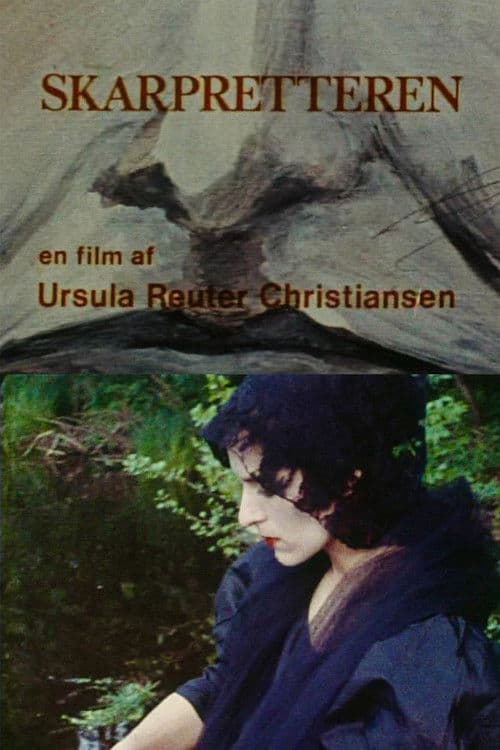
Starring Reuter Christiansen herself and shot in the lush landscape of Møn, the Danish island where she has lived since 1970, THE EXECUTIONER uses a fragmented narrative to tell “a story of woman’s degradation and exaltation,” as its subtitle indicates. A landmark of Danish feminist art, the film was also Reuter Christiansen’s first major collaboration with Henning, who composed the film’s lyrical, subtly experimental music.
May 1973
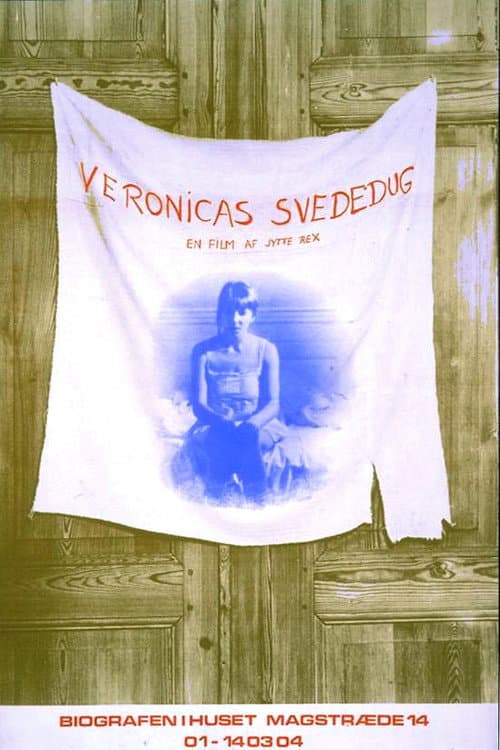
Jytte Rex charts the white or wilfully deleted spots on the map of primarily women's happiness and grief. This is done by the experimental filmmaker's positioning of a dream narrator as a guide through the manyleveled visions, stories and pictures that unite work, love, and revolt in any individual's life. The title refers to the cloth or veil on which crucified Christ's tormented face left an imprint for posterity.
Nov 1977
An interview with Yugoslavian director Dušan Makavejev.
Jan 1974
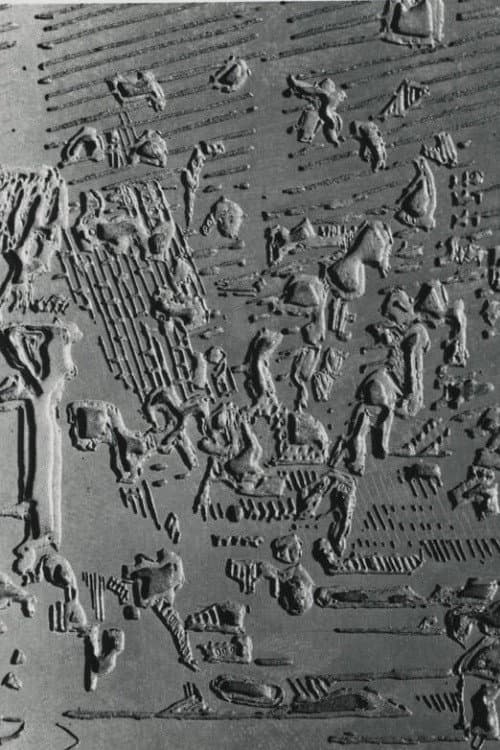
An experimental film based on the young painter Søren Hansen's expressive graphic plates, which appear in the film's close-ups as a rugged, divided and hostile world in itself. (DFI)
An existential pictorial poem about human life. "Can they stand it? Do they never feel?" (DFI)
Jan 1970
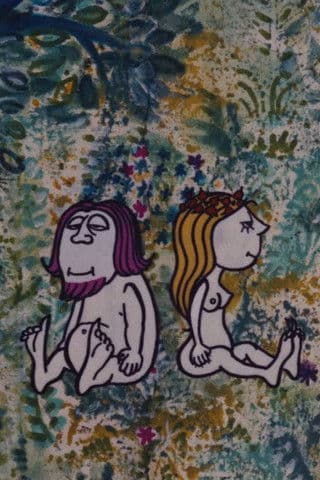
What happens when Adam and Eve have borrowed money for everything they own and have? Then they end up in the hamster wheel, like everyone else, who consumes beyond their means. Humorous fable about the blessings of the installment system - and its consequences. (DFI)
Jan 1972
A film experiment that uses a monotonous technique to depict a monotonous slice of daily life.
May 1971
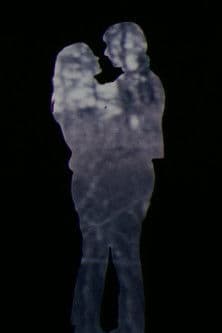
A cinematic experiment that moves in several planes. Four people act out a human course, seen with white silhouettes on a black background. 'Inside' them - or behind them - a different process plays out, supported and contradicted by the sound side. (DFI)
Jan 1971
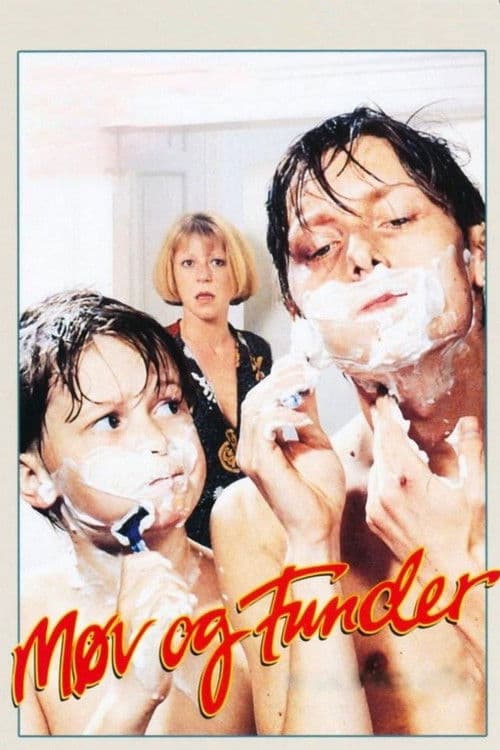
12-year-old Martin finds the going tough. Manhood is approaching, but so far mostly as aches and pain. His mother's men friends are definitely nothing like the father he does not have. So some kind of male bonding is inevitable when he meets Funder, a juvenile droput on the run from the police. There is also girl-friend Rikke to consider. Who needs Martin the most? Coming of age isn't so easy.
Nov 1991
Report from life at a campsite on Samsø. The campsite is seen as an introduction to Denmark, as a Danish microcosm.
Sep 1989
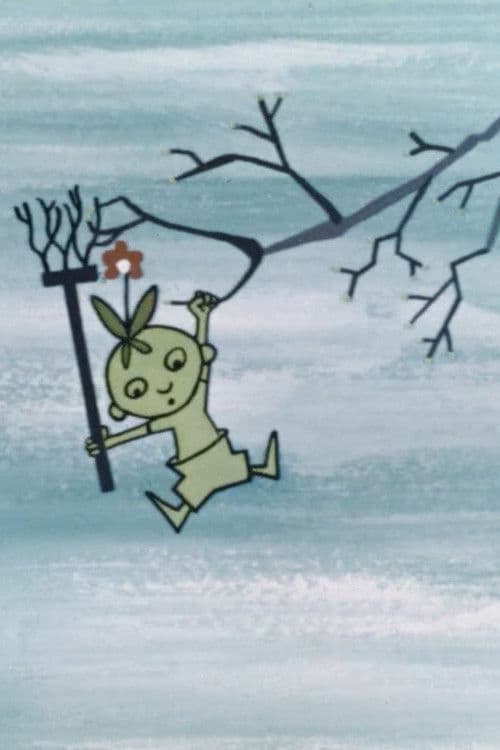
A lyrical cartoon about the coming of spring inspired by Sigfred Pedersen's poem "Forårs Fredrik." (DFI)
Jan 1958
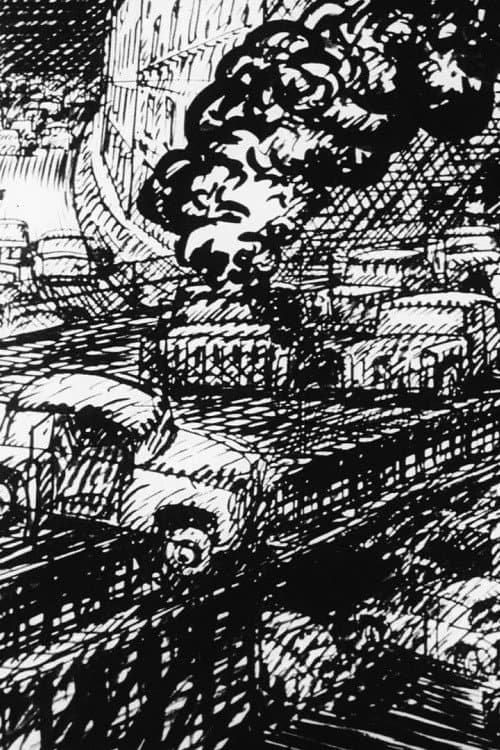
The basis of the film is a series of original drawings with the joint title 'Upruption', drawn by Palle Nielsen from the autumn of 1965 to the beginning of 1966. There are people fleeing from a disaster which has already caught up with them, people thrown to the ground as if by a giant blow, crawling , cowering, always with their faces turned in terror to the sky, while entire cities crash around them. There is a mute, nameless horror around these faces that scream without sound. (DFI)
A poetic fairy tale about a man who steals the clown's heart, seeks to give it to various people who don't want it or need it, and finally delivers it back to the clown. (DFI)
Jan 1943
Cartoon fantasy about how a little man is taught by life about right and wrong ambitions. (DFI)
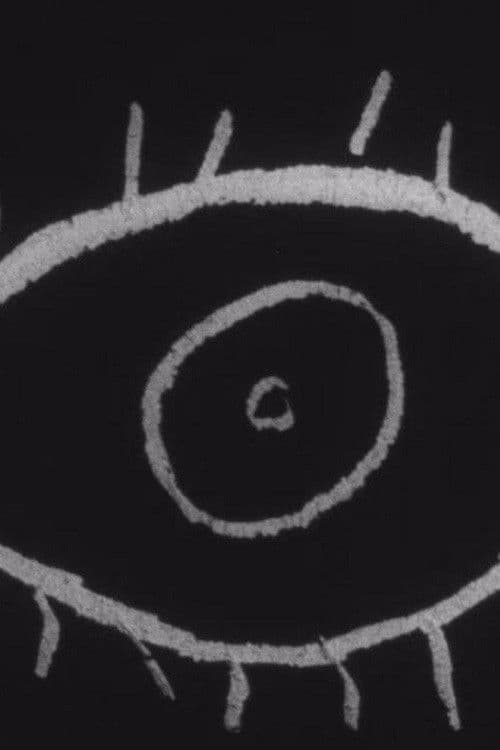
An association course of circles, triangles, flowers, an eye and a tear drawn with chalk - all tied to the rhythm of the music (New Orleans Parade). The film has the subtitle "Some lines scratched in the film by Jørgen Roos". (DFI)
Apr 1949